
MOUNT DANDENONG · MELBOURNE
Mould Removal Mount Dandenong
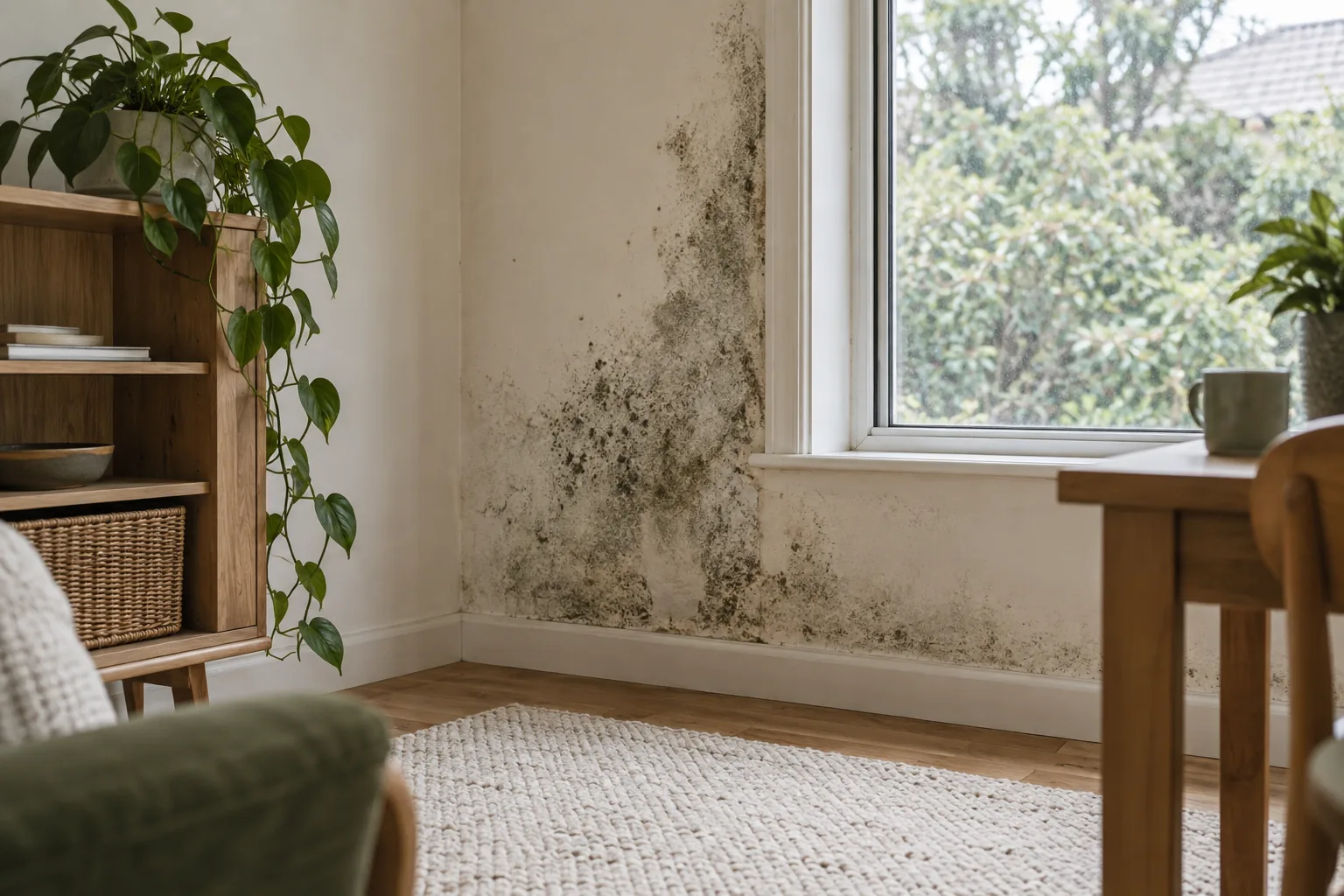
If mould appears in a Mount Dandenong room after an alteration, describe what changed without assuming the work caused it. New glazing, different extraction or a bathroom refit can be useful parts of the timeline. We can discuss accessible assessment and removal, suitable preparation and appointment availability while keeping design improvements and building repairs distinct from surface treatment.
Alteration history reviewed
Visible material assessment
Defined preparation scope
Windows · Linings
THE HOME, IN CONTEXT
Understanding a room after alterations
Council includes Mount Dandenong in Streeton ward. For your property enquiry, identify the actual room and any alterations; the local ward or address does not establish its ventilation performance, housing age or moisture conditions.
Keep a before-and-current record
Provide known work dates and photographs from before the change where available. Explain whether the marks were already present or were noticed afterwards. That chronology informs questions without turning a sequence of events into proof that one new component is defective.
Describe the altered room
State what changed: windows, wall linings, bathroom fittings or extraction. Include fixed furnishings that restrict access. A removal scope should respond to the visible finish, while the design and repair questions remain clearly identified.
INSPECTION & MOISTURE
Compare the room before and after work
An altered room may need its present material condition and moisture history considered together, not a choice between blaming the renovation or ignoring it.
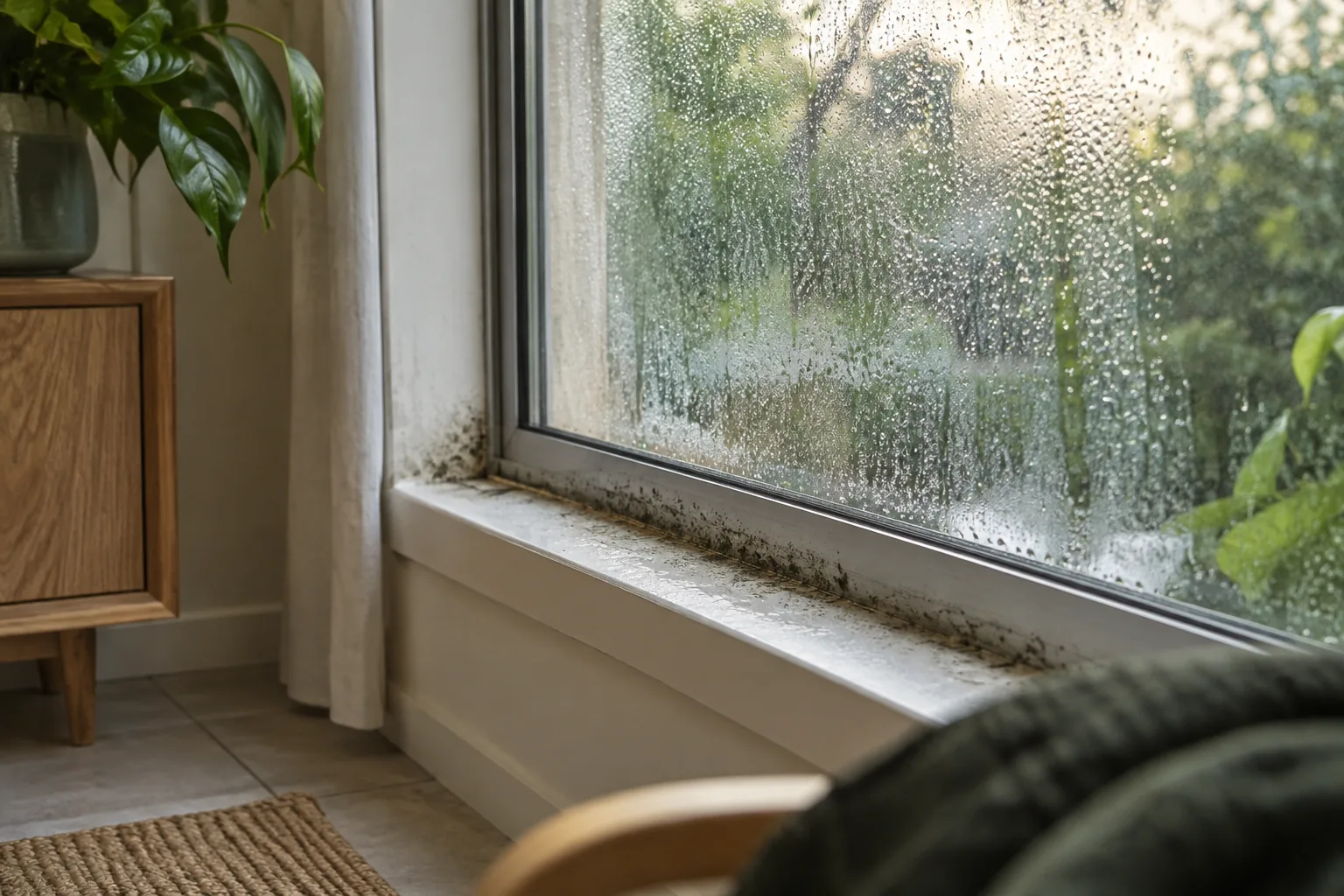
Compare different moisture observations
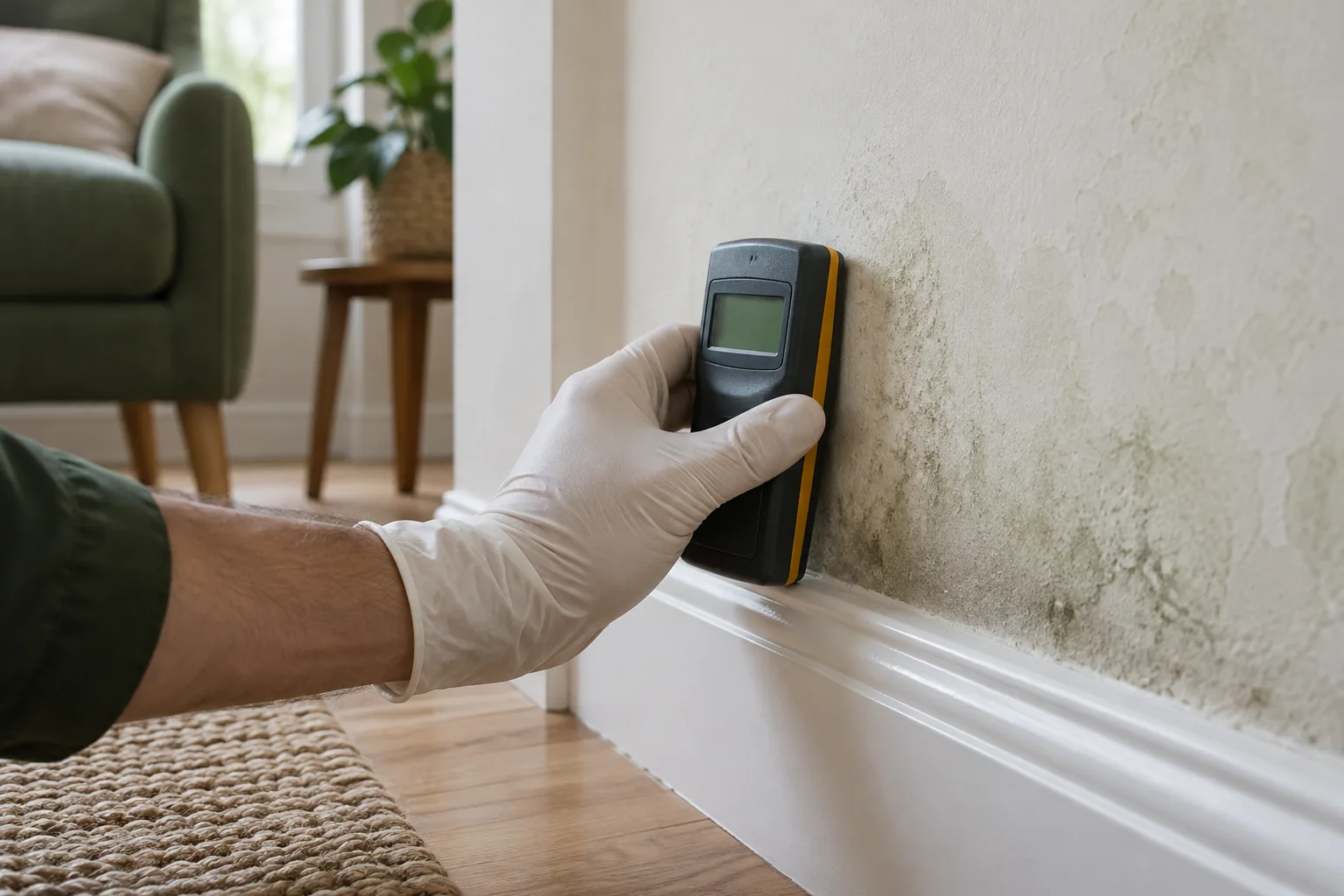
Record condensation during normal use, rainfall-related changes and any plumbing history separately. New paint or glazing does not rule out an older water source. Do not make trial holes or undo new components merely to test an explanation.
Use inspection to guide the next step
A mould inspection discussion can help where observations conflict. Ask what accessible findings support treatment and which ventilation, plumbing or building-performance question should be referred to the relevant professional. If several trades contributed to the alteration, keep their relevant work descriptions together. A note that a bathroom was renovated may not identify what happened to extraction, plumbing or lining. Specific records help the assessment ask the right next question without assigning fault to a contractor from the timing alone.
A CONNECTED PROCESS
A work plan for the affected surfaces
Assess existing and new finishes
Review marked walls, ceiling corners and hard floors individually. Mention fragile paint or deteriorated material rather than assuming new work is sound. Textiles are excluded, and concealed layers cannot be judged solely from the latest visible coating.
Agree access around alterations
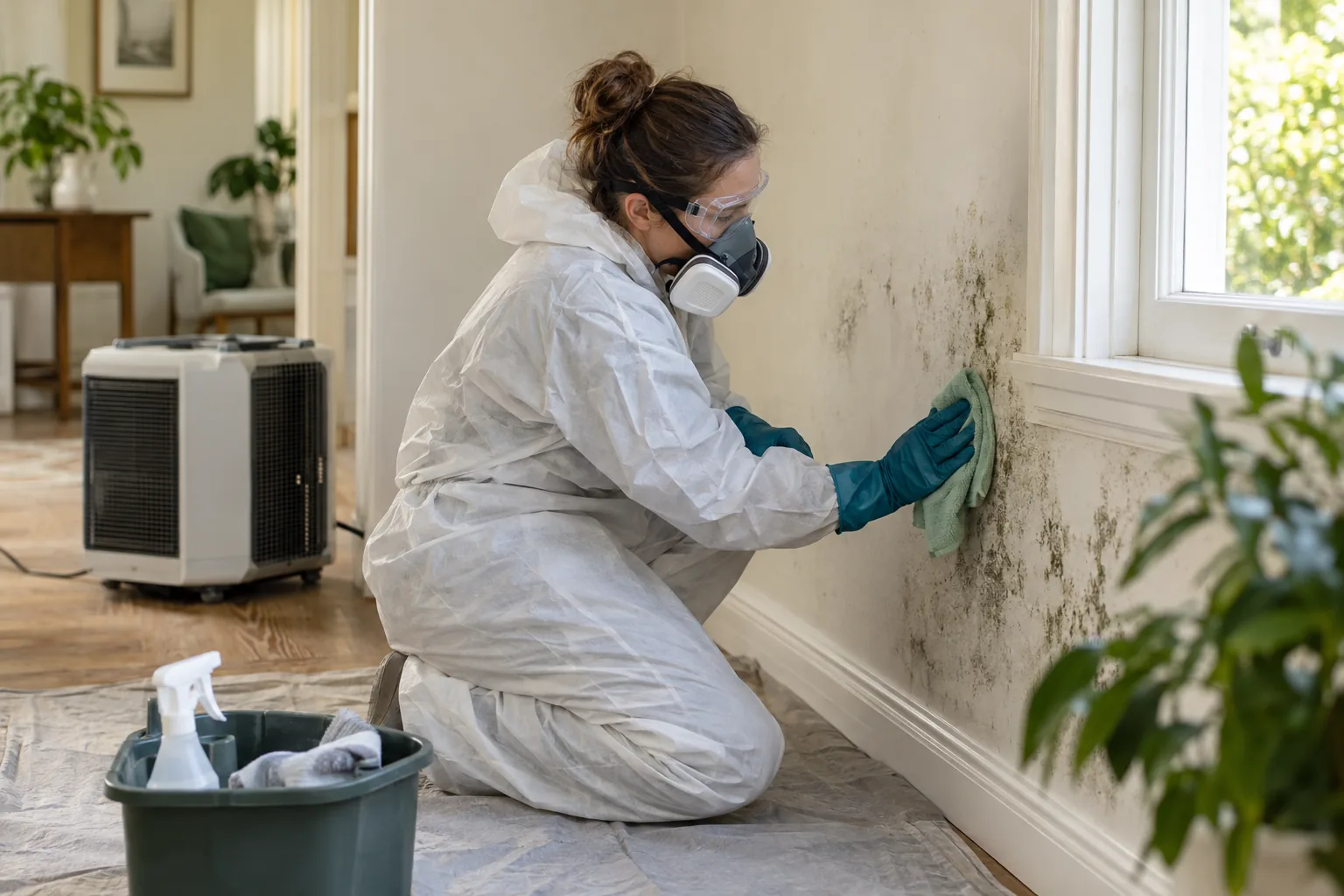
Discuss fixed fittings and who prepares belongings before the visit. Suitable protective equipment and protection should preserve the room while reaching the agreed areas. Removal of components or further building work requires separate arrangements.
Set up the surface task
Organise HEPA filtration and the accessible work zone without redesigning the room. Any heavy-item movement or connection work must be clearly assigned. Preparation should not erase the original patch or substitute for a proper assessment of the finish.
Remove accessible growth
Physical removal and material-appropriate treatment follow the condition review. The remediation plan should identify damage separately. It cannot correct ventilation design, repair a concealed leak or certify the performance of every altered component.
Keep the change timeline useful
Review remaining staining and outstanding repairs alongside the dates of the alteration. If marks return, compare the actual room conditions again. An improved surface appearance is not proof that the renovation or moisture-control question has been resolved.
WHERE MOULD APPEARS
Give each surface its own description
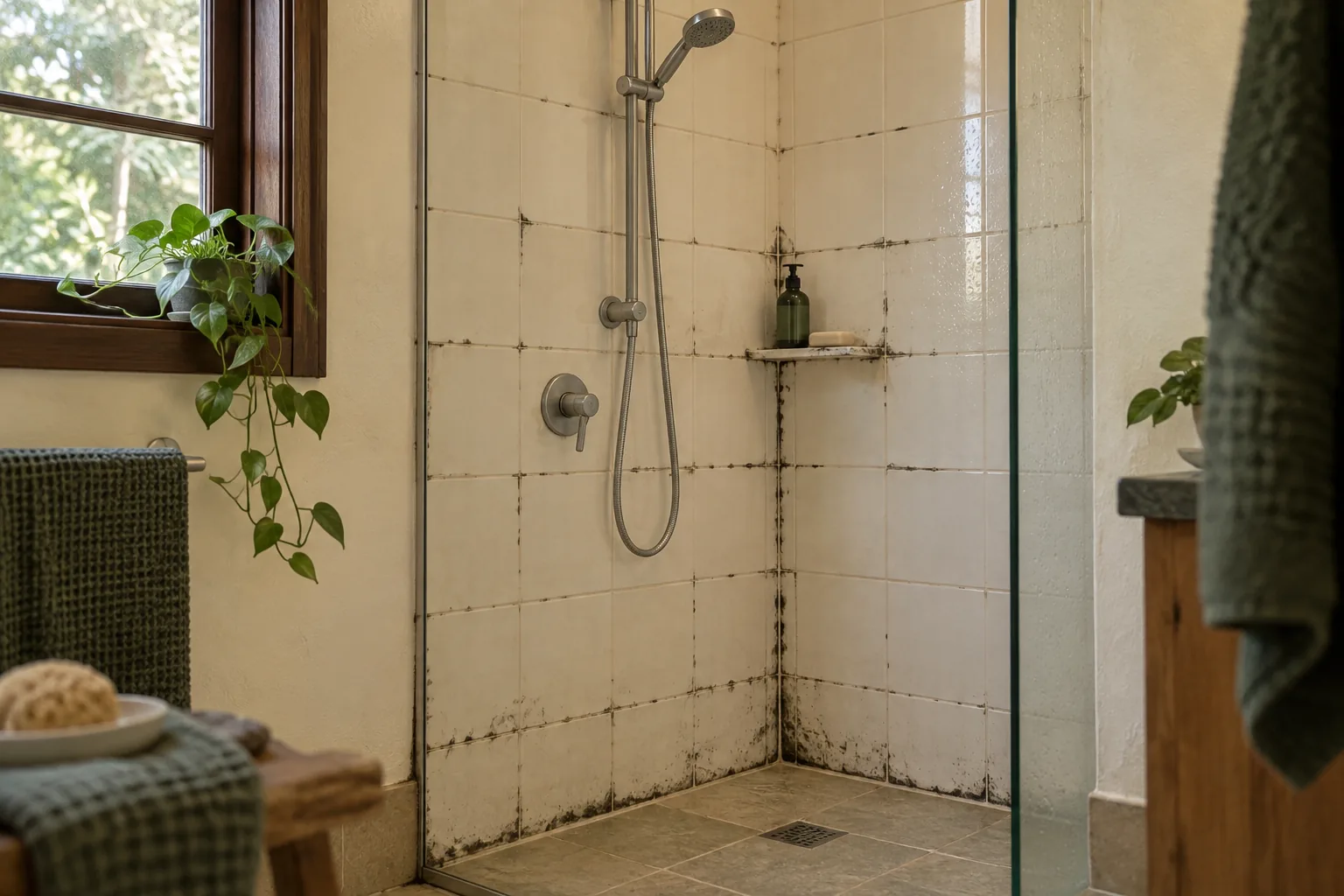
Bathroom
Explain changed extraction, plumbing or lining separately. Their installation date helps frame assessment without establishing a fault.
Window reveal
Describe condensation and weather-related wetting on each opening. The new frame alone does not identify the water source.
Painted wall
Mention whether old growth was covered before the new finish. That matters to the evidence available now.
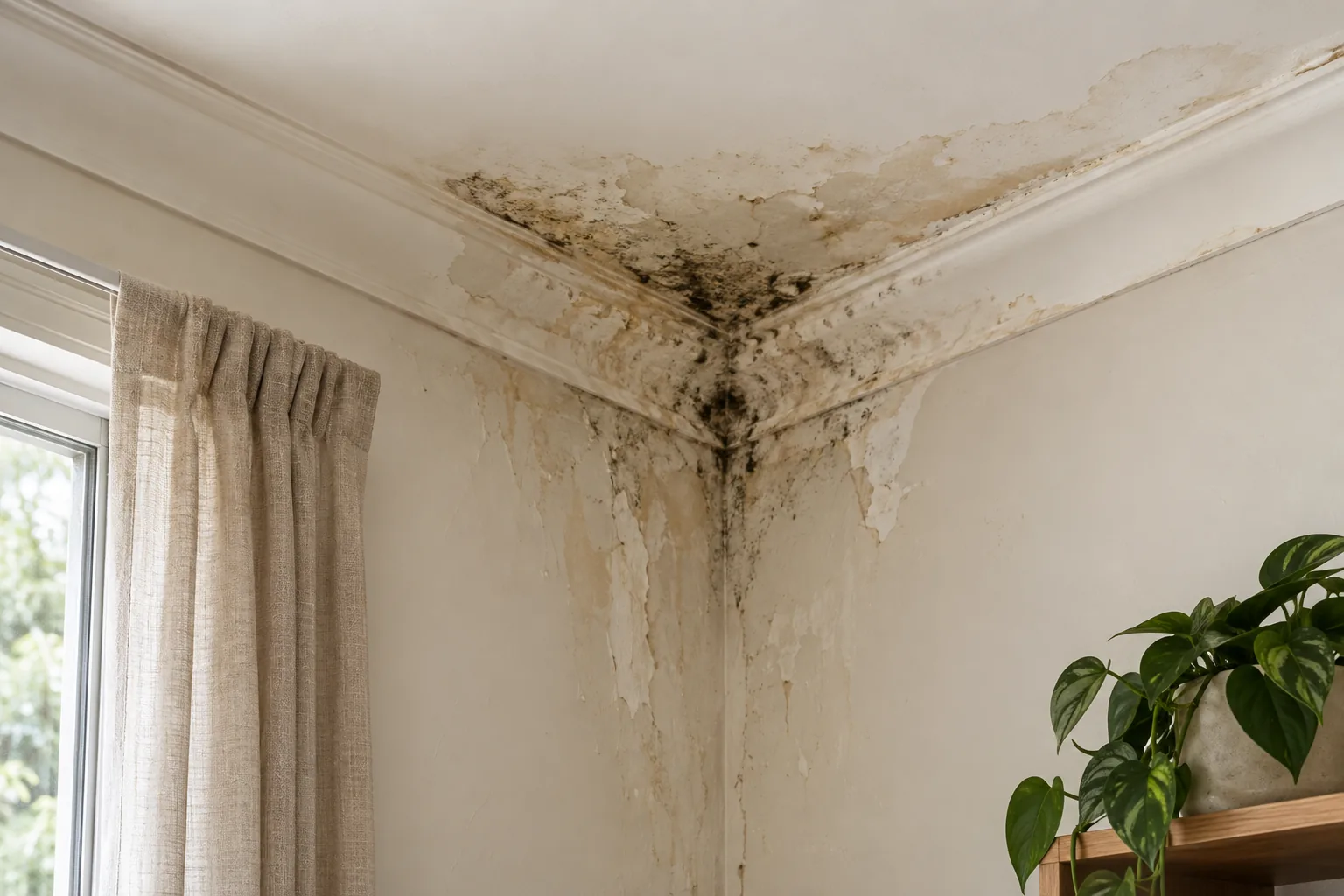
Ceiling after room alterations
If overhead marks appear after changes, record the ceiling material and work timeline. Timing supports questions, not proof that the alteration caused the growth.
MAKE SPACE FOR DRYING
Keep the source and the surface in view
Maintain the room’s actual ventilation system and follow appropriate advice on identified defects. Avoid improvised building changes that create new questions while leaving the original moisture issue unresolved.
After repairs and treatment, retain comparable views of the original locations under ordinary use. A record that includes the alteration and repair dates makes recurrence easier to discuss than assuming a new finish or another cleaning appointment must have solved everything.
MOUNT DANDENONG & NEARBY
Nearby location guides
These surrounding location guides can help with another address; keep each property’s alteration and moisture record distinct: Kalorama, Montrose, Sassafras.
QUESTIONS WORTH ASKING
Before the visit.
Does mould after new glazing prove the glazing caused it?
No. The timeline is useful, but room conditions and other water sources still need assessment.
Can cleaning improve the ventilation design?
No. Design or system changes require their own professional assessment and work.
Should I remove a new fitting before inspection?
Do not dismantle it for the enquiry. Explain the access restriction and agree any further investigation separately.
What if earlier mould was painted over?
Mention that history and provide older photographs where available; the current finish may conceal useful evidence.
Are new finishes always suitable for treatment?
Their material and condition still need checking. A recent installation does not establish every concealed layer’s state.
How is Mount Dandenong availability checked?
Call with the address, altered components and room-access details before arranging an appointment.
START WITH YOUR ROOM
Talk through the room in Mount Dandenong
Phone 03 8652 1296 with the address, room description and known work dates. We can discuss the accessible evidence, treatment limits and preparation before confirming suitable availability.
Useful references: Yarra Ranges — council locality information