
SKIRTING AND LOWER WALLS · MOISTURE · SURFACES
MALVERN · MELBOURNE
Mould Removal Malvern
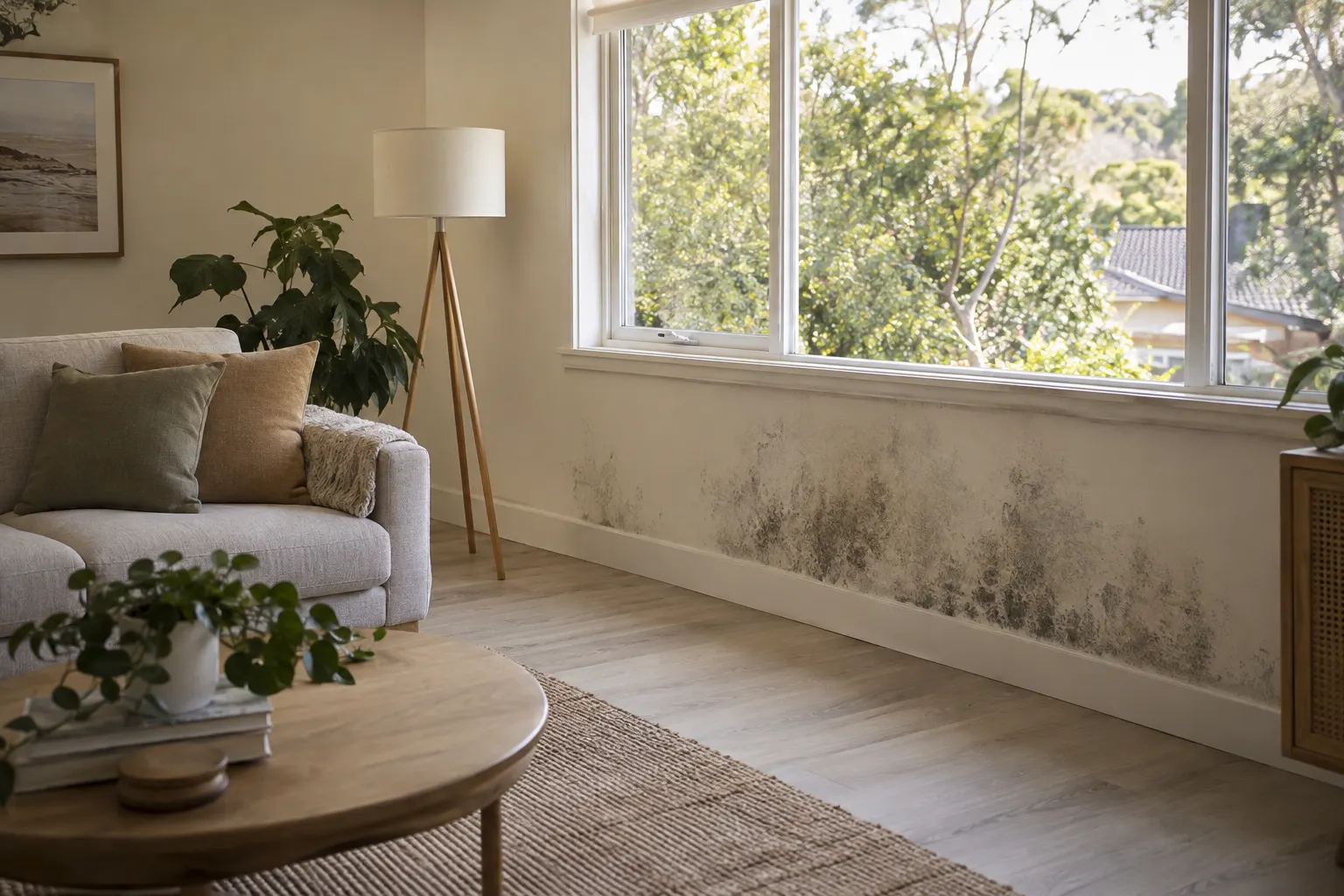
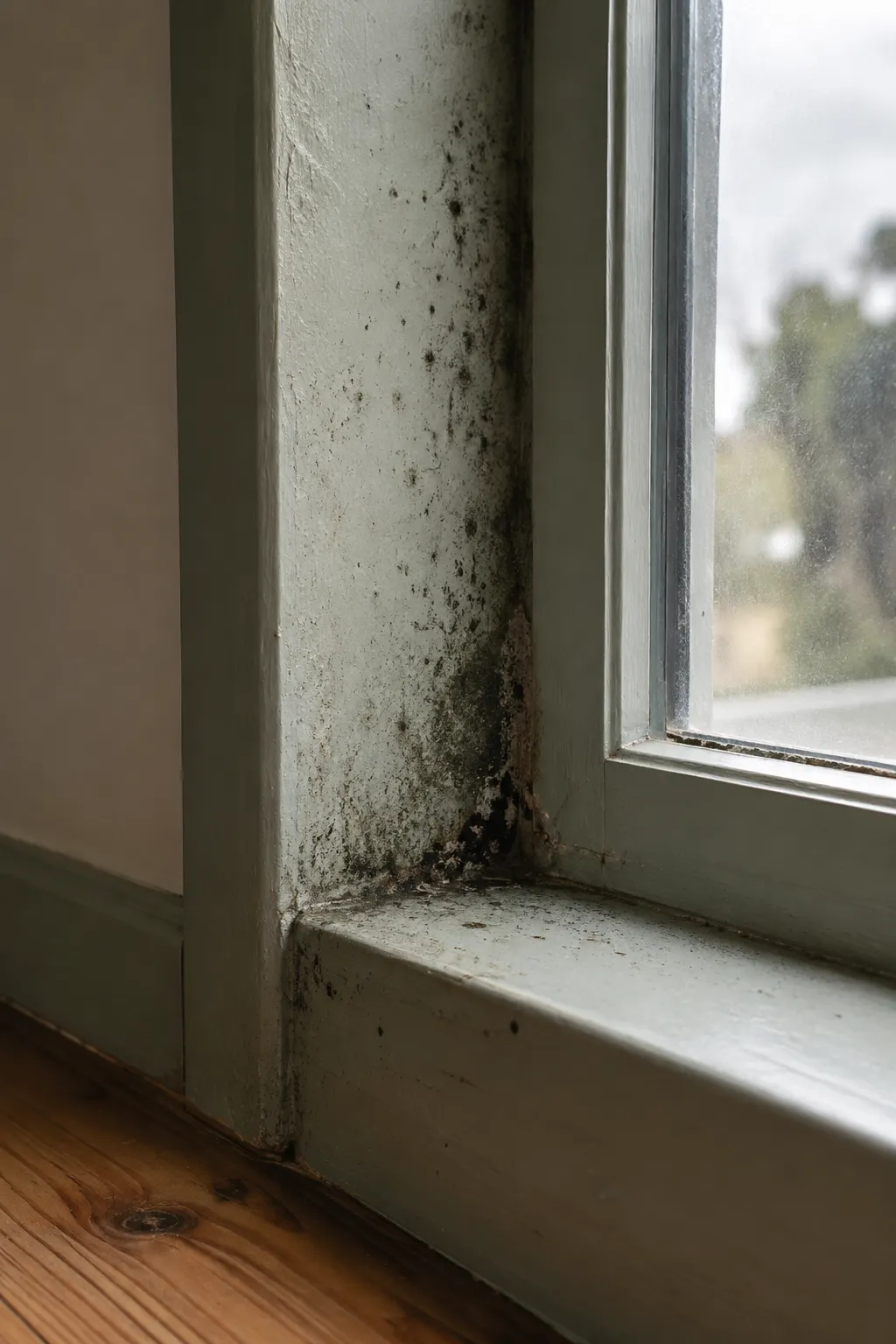
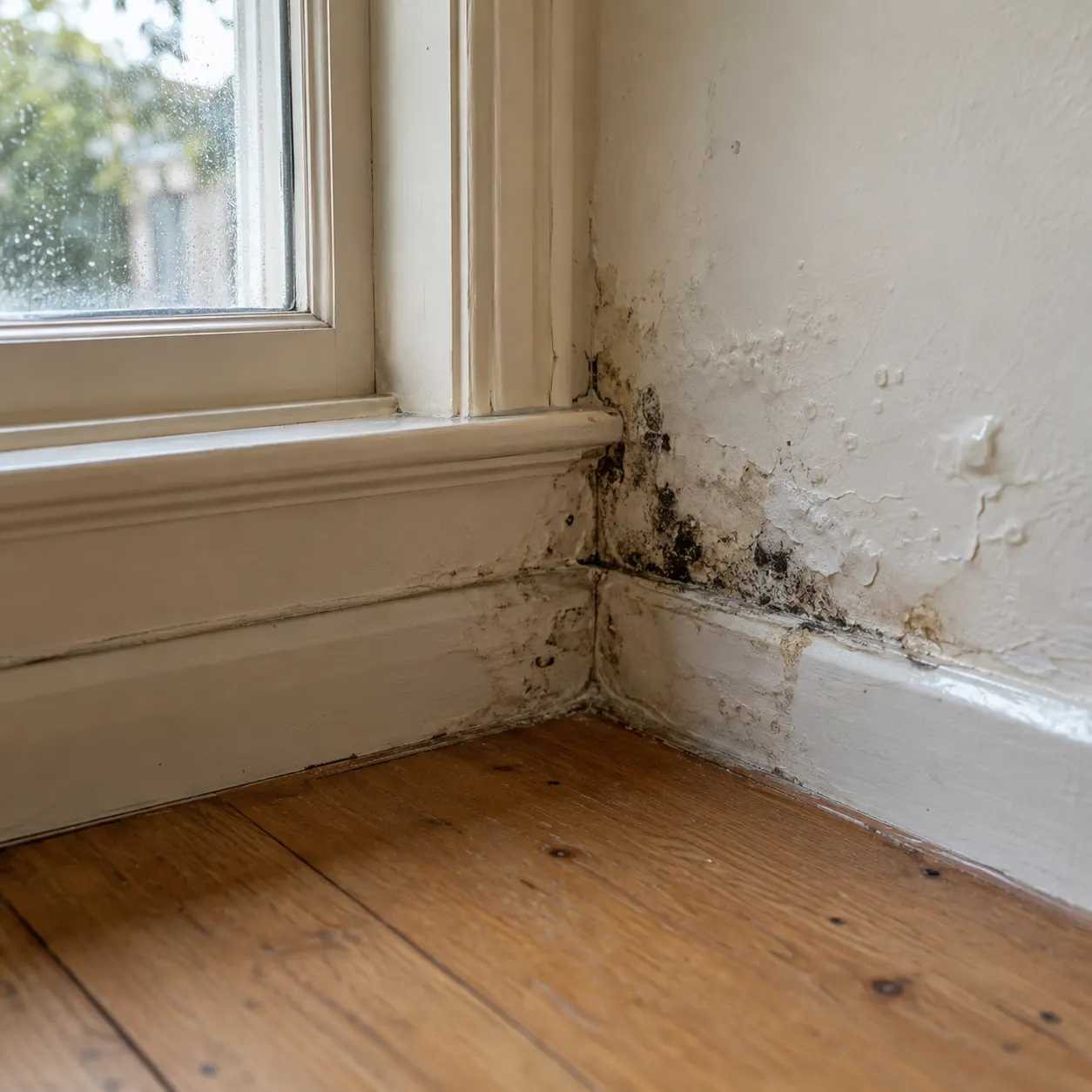
Mould near a skirting board can arrive with swollen timber or flaking paint. In Malvern, describe both the visible patch and any recent wet floor, appliance leak or plumbing repair.
Visible material considered
Moisture history discussed
Access and scope agreed
THE ROOM TELLS A STORY
Start at the bottom of the wall
Stonnington lists Malvern within its municipality. For a lower-wall problem, record whether moisture began at floor level, beside a fixture or underneath a window. Those observations help set the inspection scope. Do not label the issue rising damp simply because the mark is low on the wall.
Include the whole wall-floor junction in an inspection conversation. The painted patch, trim condition and wet-floor history may each raise different questions; explain which parts are reachable without removing fixtures or floor coverings.
UNDERSTANDING MOISTURE
Make sense of
moisture at floor level.
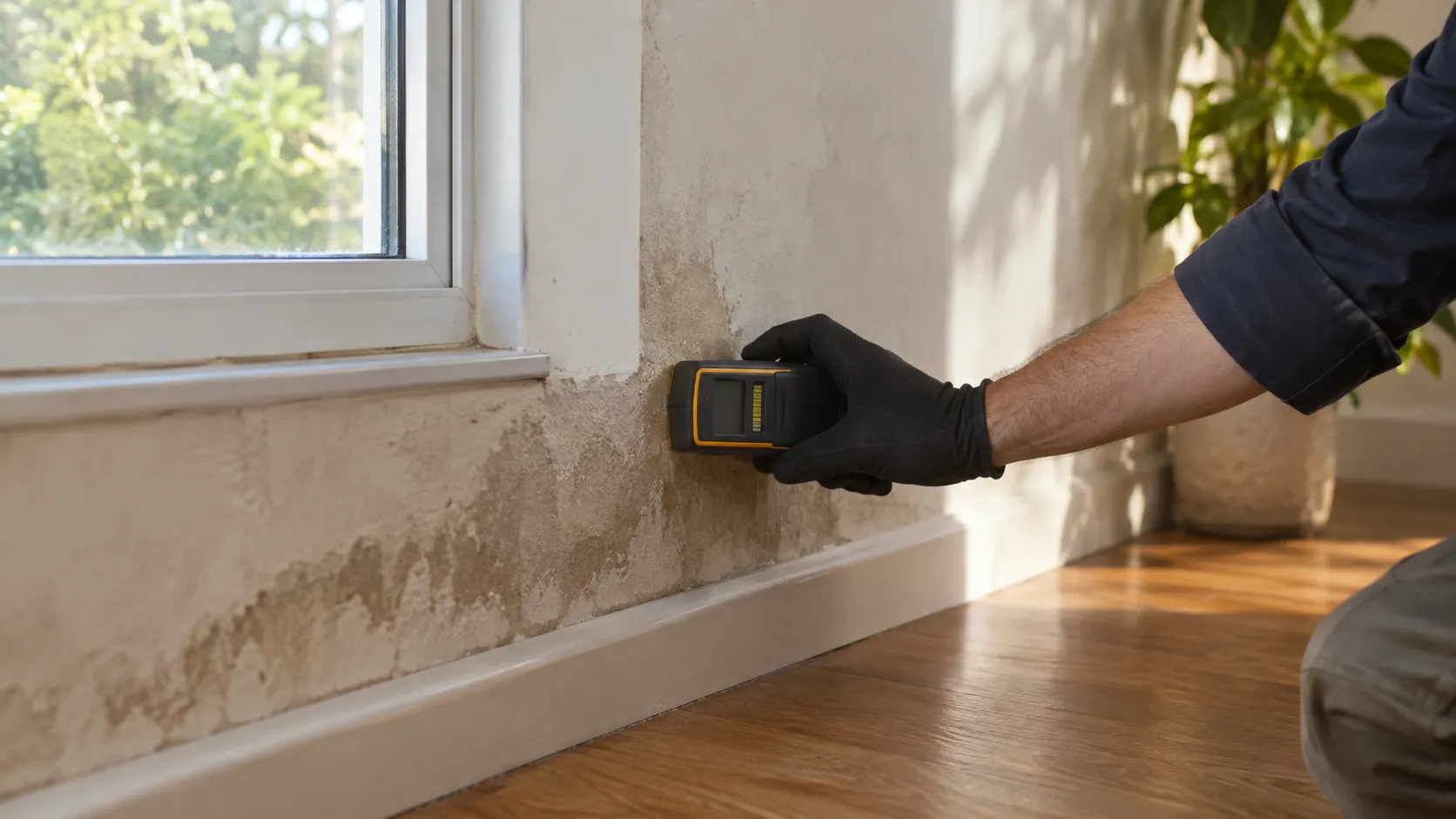
Air and drying
A low mark should be compared with nearby window and room moisture. Its height alone cannot establish a damp mechanism; explain when the skirting or wall becomes wet.
Water entering
Record any appliance overflow or plumbing repair near the wall base. A connection between an event and the mark is useful evidence, but source investigation may still be necessary.
The material itself
Paint, timber trim and flooring respond differently to wetness. Describe lifting, swelling or softness so treatment of sound material can be distinguished from decisions about damaged surfaces.
OUR REMOVAL PROCESS
A clear scope.
A careful sequence.
Keep the room history
Record a nearby wet floor, appliance problem or plumbing repair along with the date of the first mark. Avoid naming a damp mechanism from location alone.
Make access practical
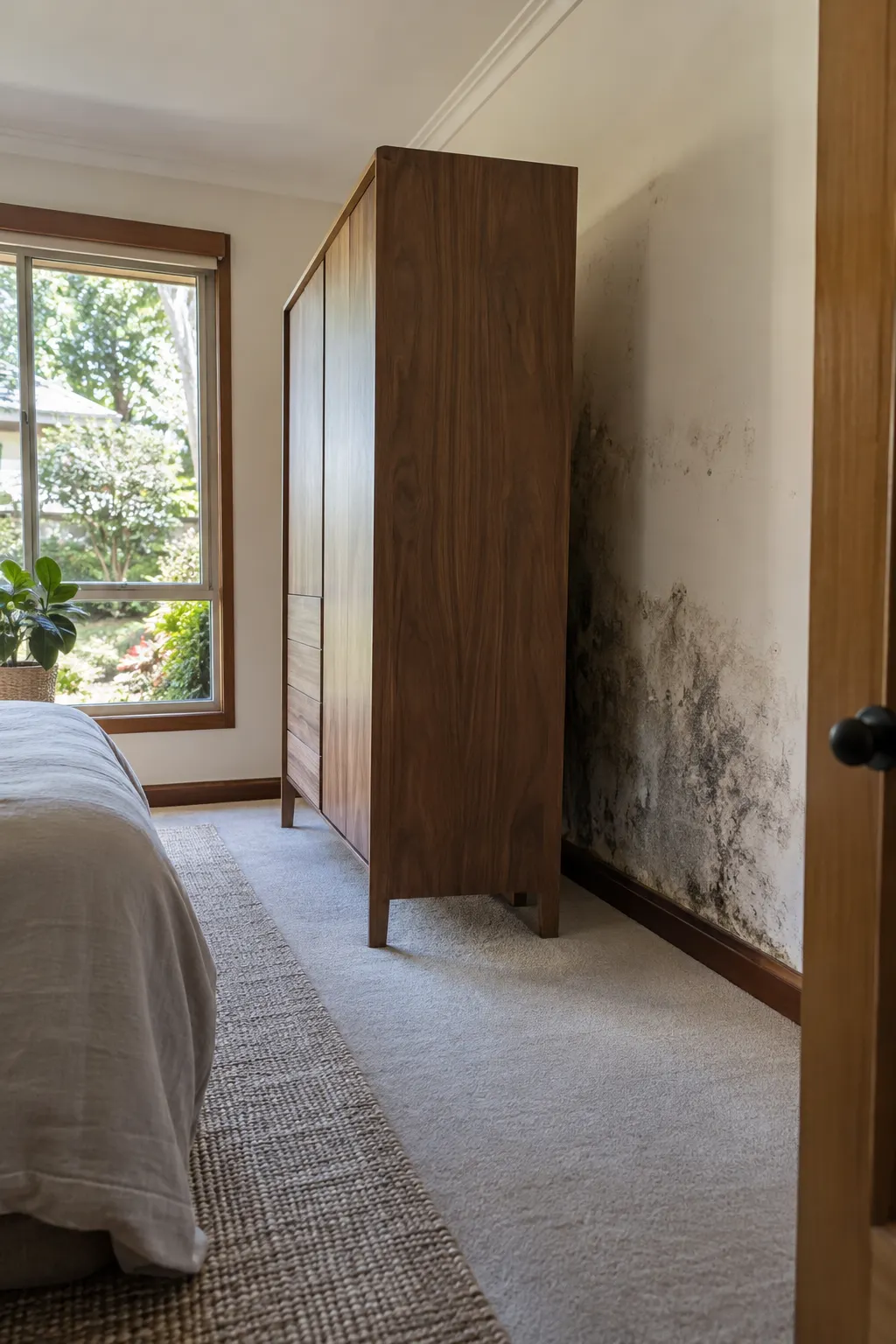
Describe furniture that blocks the skirting and whether floor coverings can stay in place. Removing trim to look underneath it needs agreement beyond accessible cleaning.
Agree the next decisions
Ask whether ongoing moisture at the wall base needs another investigation. Repair and drying decisions should come before replacement trim or a fresh coating hides the evidence.
01
Assess the lower wall
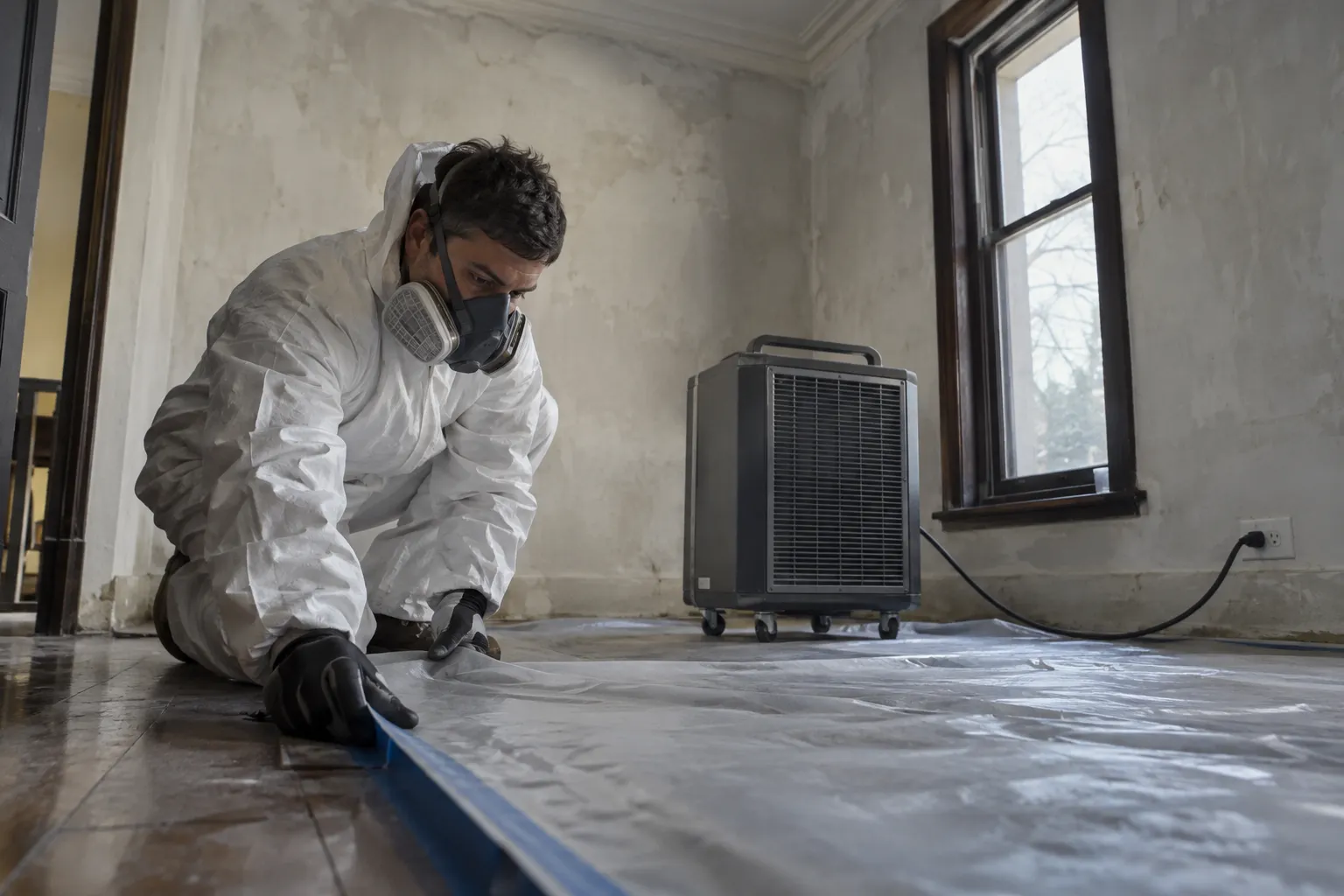
Trace the visible patch across paint, skirting and flooring. The surface removal enquiry should identify which materials remain sound and which have swollen or loosened.
02
Prepare the working area
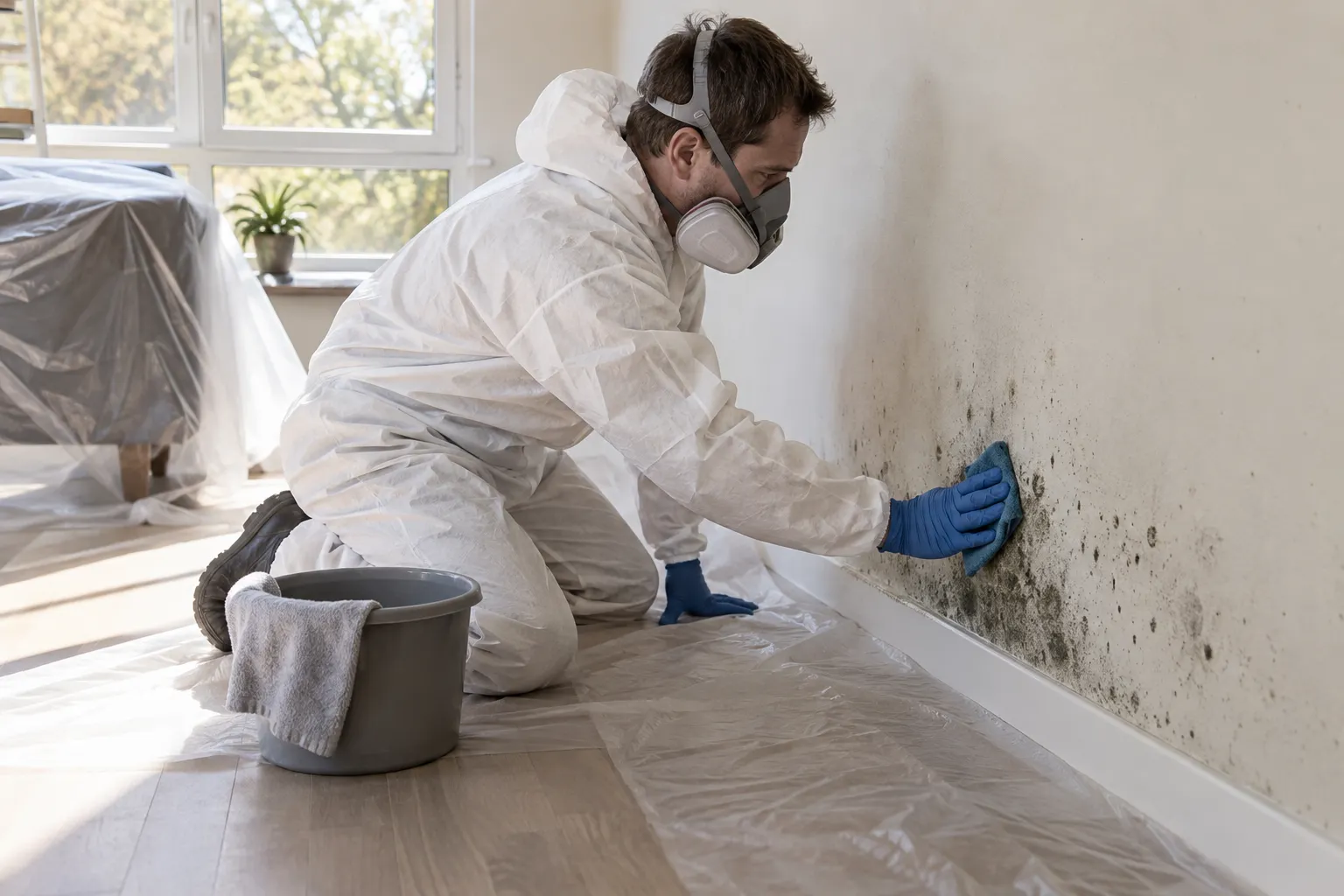
Create access along the lower wall and discuss protection for the floor. A heavy cabinet or fragile timber trim may change what can be reached without additional work.
03
Remove and review
Review the agreed treatment boundary at floor level. Swollen skirting and damaged floor edges may still need repair, even if visible growth on the painted wall has been addressed.
COMMON AREAS AFFECTED
Different surfaces.
Different decisions.
Bathroom junctions
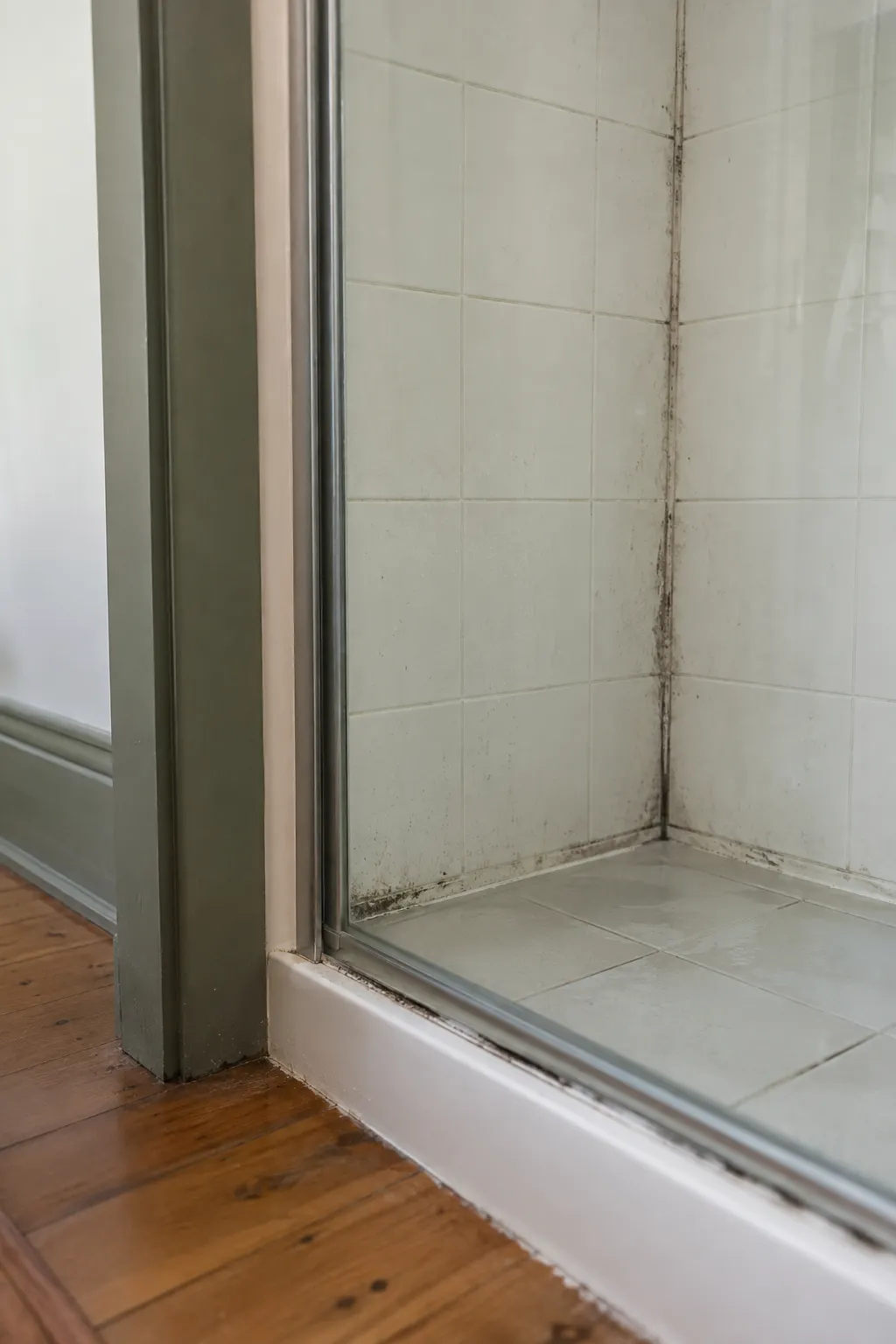
If the lower wall is beside a bathroom, include the wet-area relationship. A shower joint and a skirting board are separate materials even where their moisture history may be connected.
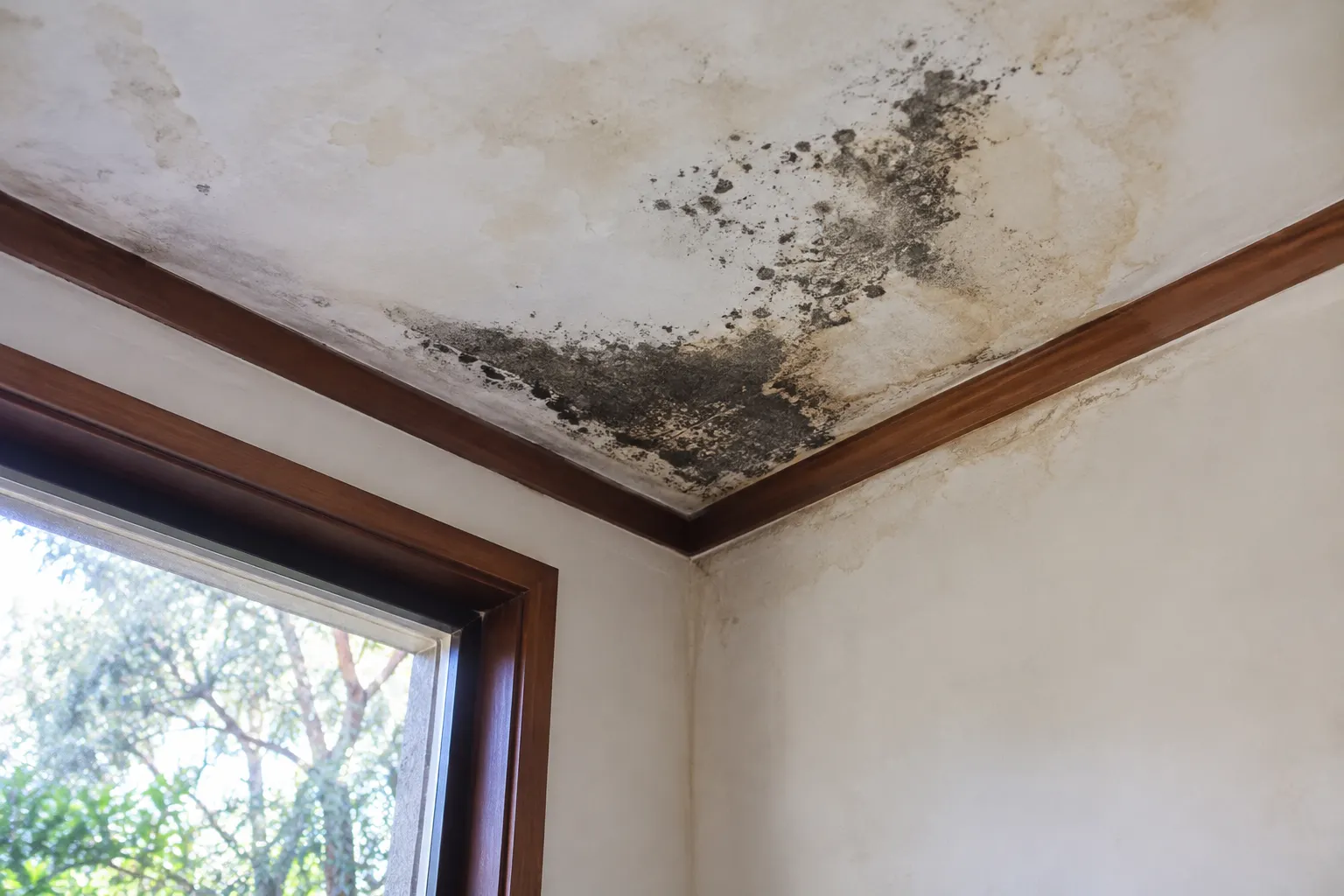
Ceiling surfaces
A low-level patch does not make the ceiling irrelevant if a water event occurred. List any upper stain separately rather than assuming every room mark shares one source.
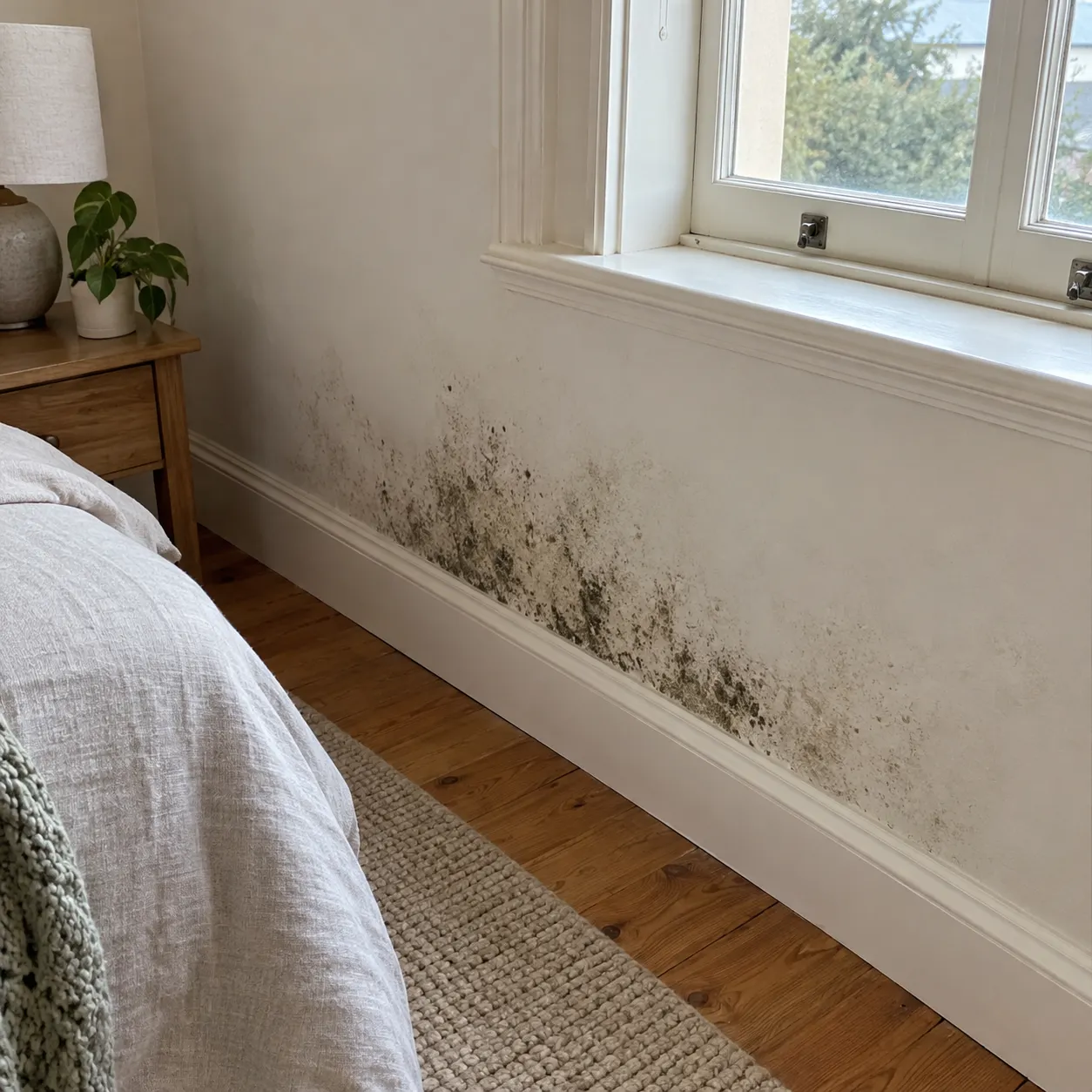
Painted walls
For the painted wall, show how far the patch extends above the trim. A clear boundary helps define accessible treatment without making claims about the concealed floor edge.
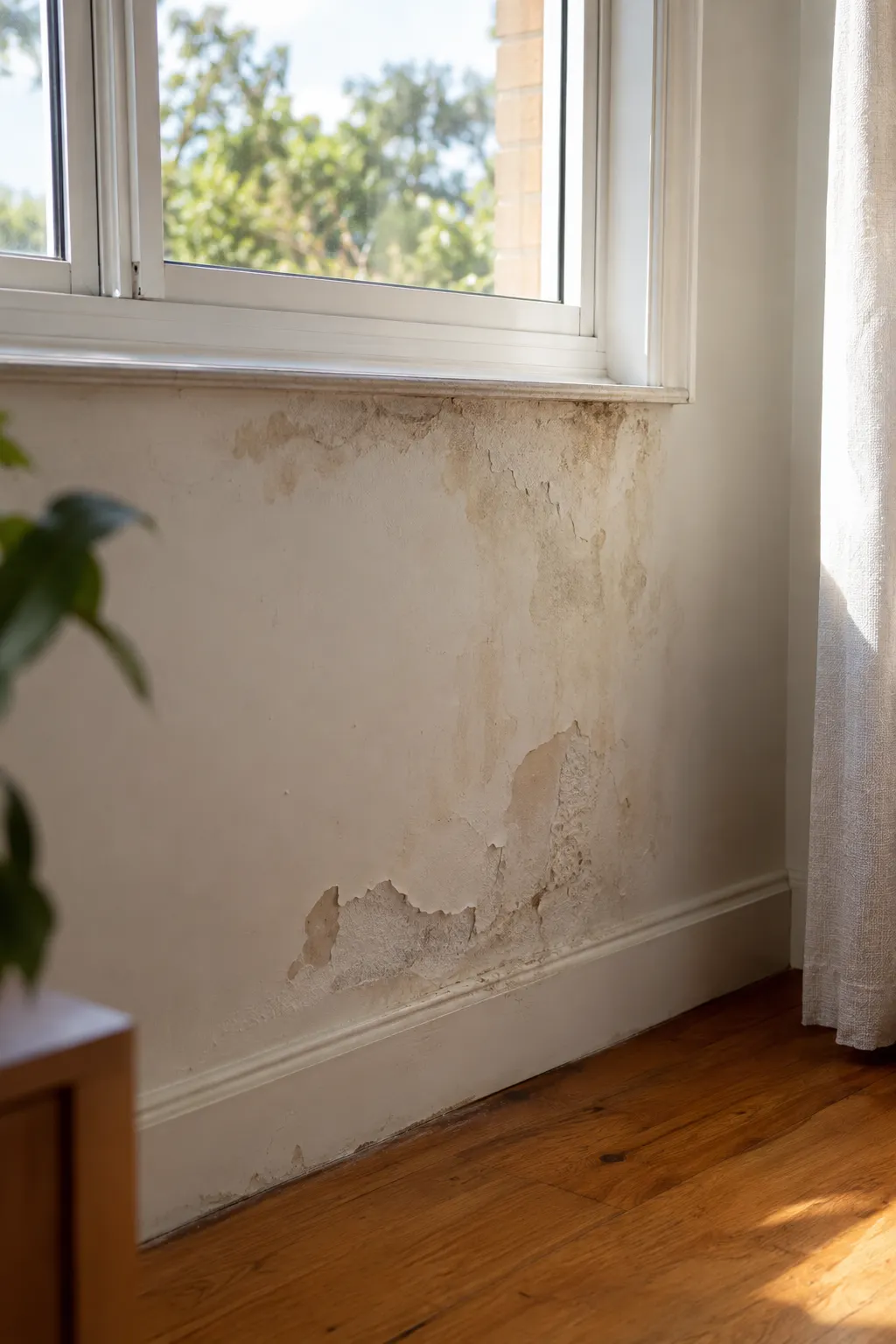
Water-affected rooms
Where water reached floor level, note affected coverings and furnishings too. Their drying or replacement decisions can extend beyond the removal of visible growth from the wall.
PREVENTION STARTS WITH
Keep moisture
in view.
Observe the drying pattern
Keep the skirting junction observable after repairs and watch for new wetness. Follow up on a recurrent floor-level patch rather than simply hiding it behind furnishings or replacement trim.
Follow up before decorating
Agree on material repair and drying before redecorating the wall base. If multiple finishes remain affected, ask how remediation scope separates suitable removal from flooring or joinery work.
MALVERN & NEARBY
Malvern and nearby rooms.
The Armadale and Caulfield pages offer guides for close-by enquiries. For Malvern, identify the affected wall base and exact property address; a nearby location does not settle which finishes can be retained or what access is available.
BEFORE YOU CALL
The useful
questions.
Is every low wall patch rising damp?
The position does not establish the cause. Describe nearby fixtures, water events and changes over time so an appropriate assessment can consider the room’s actual evidence.
Can swollen skirting be restored by cleaning?
Its condition needs assessment. Removing visible growth is different from repairing shape changes or replacing damaged trim, so retention should not be assumed.
Should I remove trim before taking a photo?
Keep the current condition intact and discuss access first. Opening the junction can require permission and a repair plan beyond accessible surface treatment.
Does the floor need to be included?
Mention any wet or damaged edge, even if the clearest mark is on the wall. The agreed scope should identify the materials and areas involved.
What record helps after an overflow?
Note the event date, where water reached and any drying or repair arrangements. Include later changes to the wall or trim so the account remains useful.
How do I describe a Malvern lower-wall enquiry?
Give the address, room and affected finishes. Include plumbing or appliance events and explain furniture access along the skirting so preparation can be discussed.
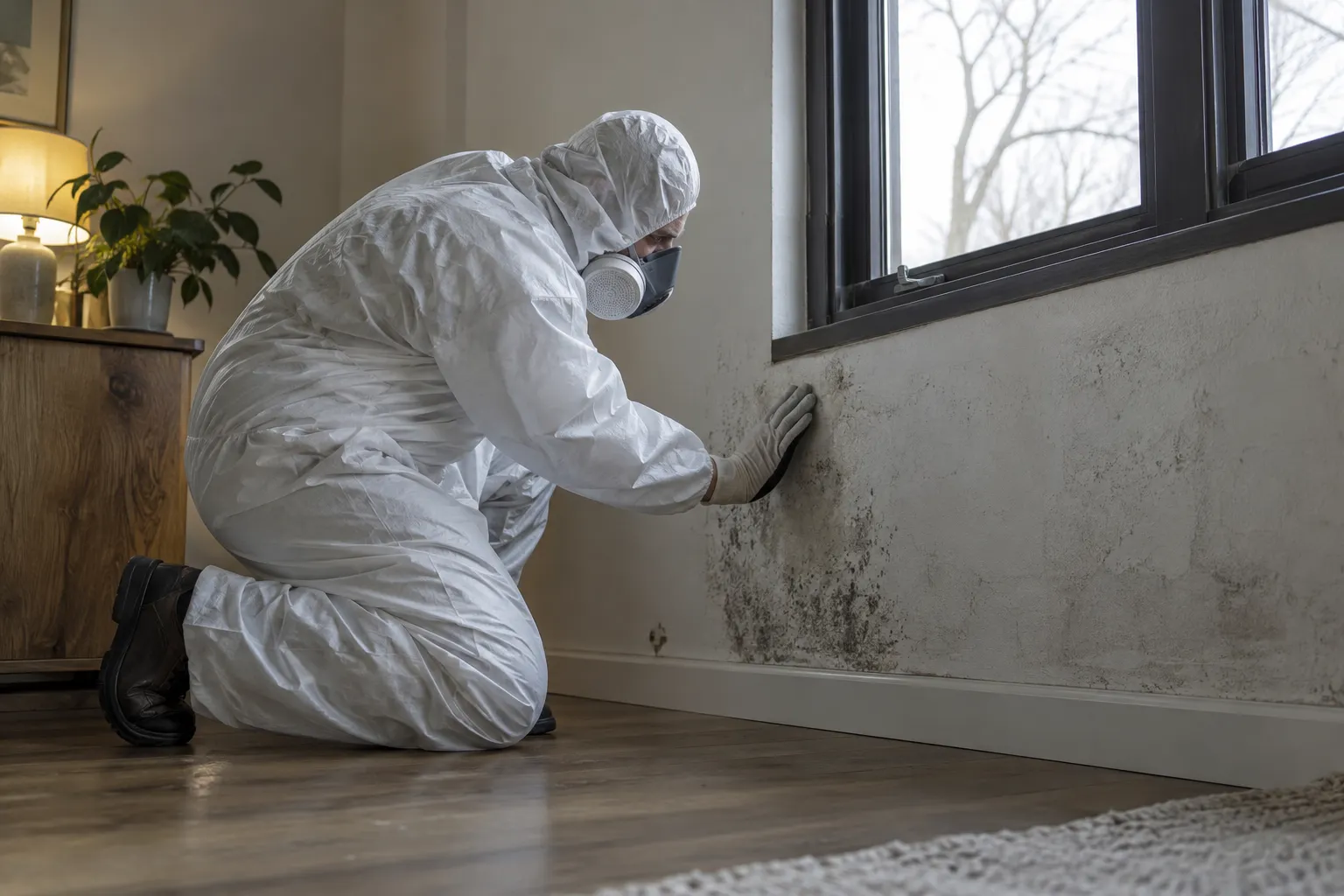
TELL US WHAT YOU CAN SEE
Talk through
the room history.
A clear account of the floor-level patch helps start the discussion. Phone 03 8652 1296 with your Malvern address, affected materials and any earlier water or repair event.
Local context: Stonnington suburbs