
MARIBYRNONG · 3032
Mould Removal Maribyrnong
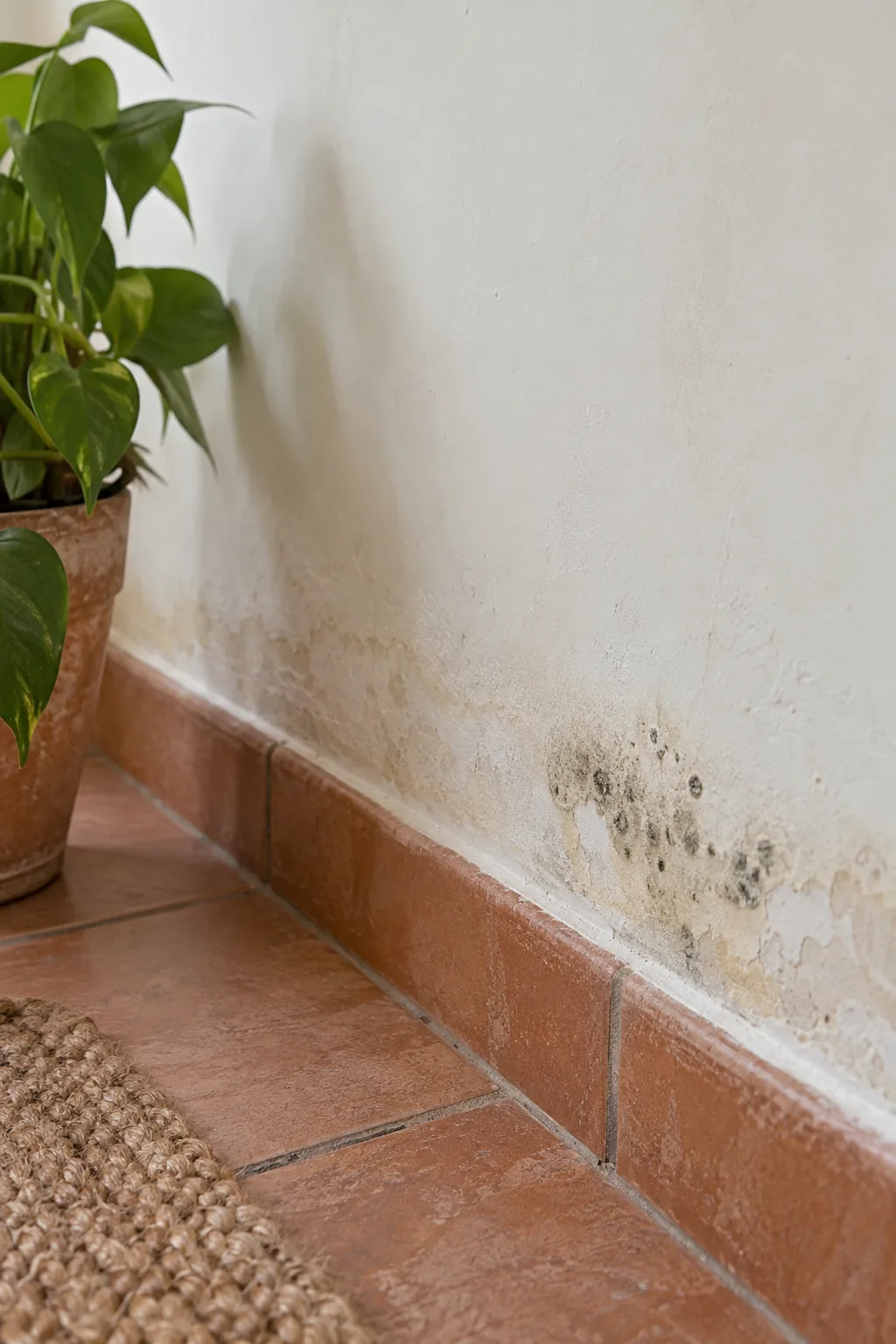
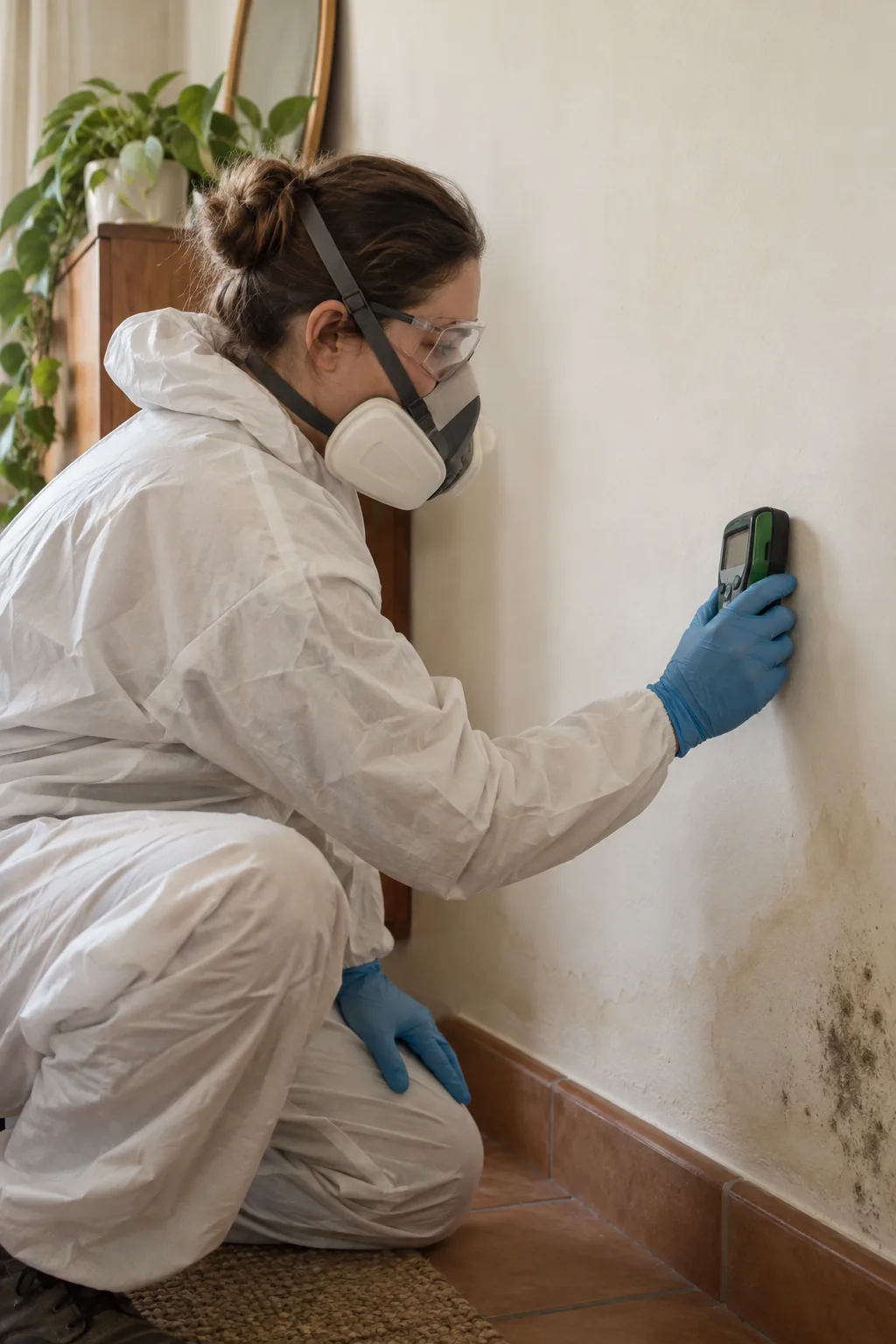
For a Maribyrnong mould enquiry, the history of the moisture matters more than the size of the first visible mark. Explain whether the room has experienced a leak, repeated condensation or another water event. We can discuss accessible wall, ceiling and floor treatment, identify what needs further assessment and confirm appointment availability without assuming the cause from the suburb or postcode.
History-led assessment
Sound-surface scope
Practical follow-up
THE PROPERTY SETS THE PLAN
A practical starting point in Maribyrnong
The council’s housing strategy recognises housing across the City of Maribyrnong; it does not establish mould conditions in individual homes. For your own property, identify the construction and any known water exposure. A waterside address alone is not evidence of flooding, and a property further from the river can still have a plumbing or roof defect.
For a past water event, a removal enquiry should explain both what became wet and what is currently visible. Those lists may differ. Keep the insurer’s or repair trade’s instructions with the record so a cosmetic treatment is not accidentally used in place of material assessment or an approved recovery plan.
BATHROOMS · WALLS · CEILINGS
Moisture History Matters
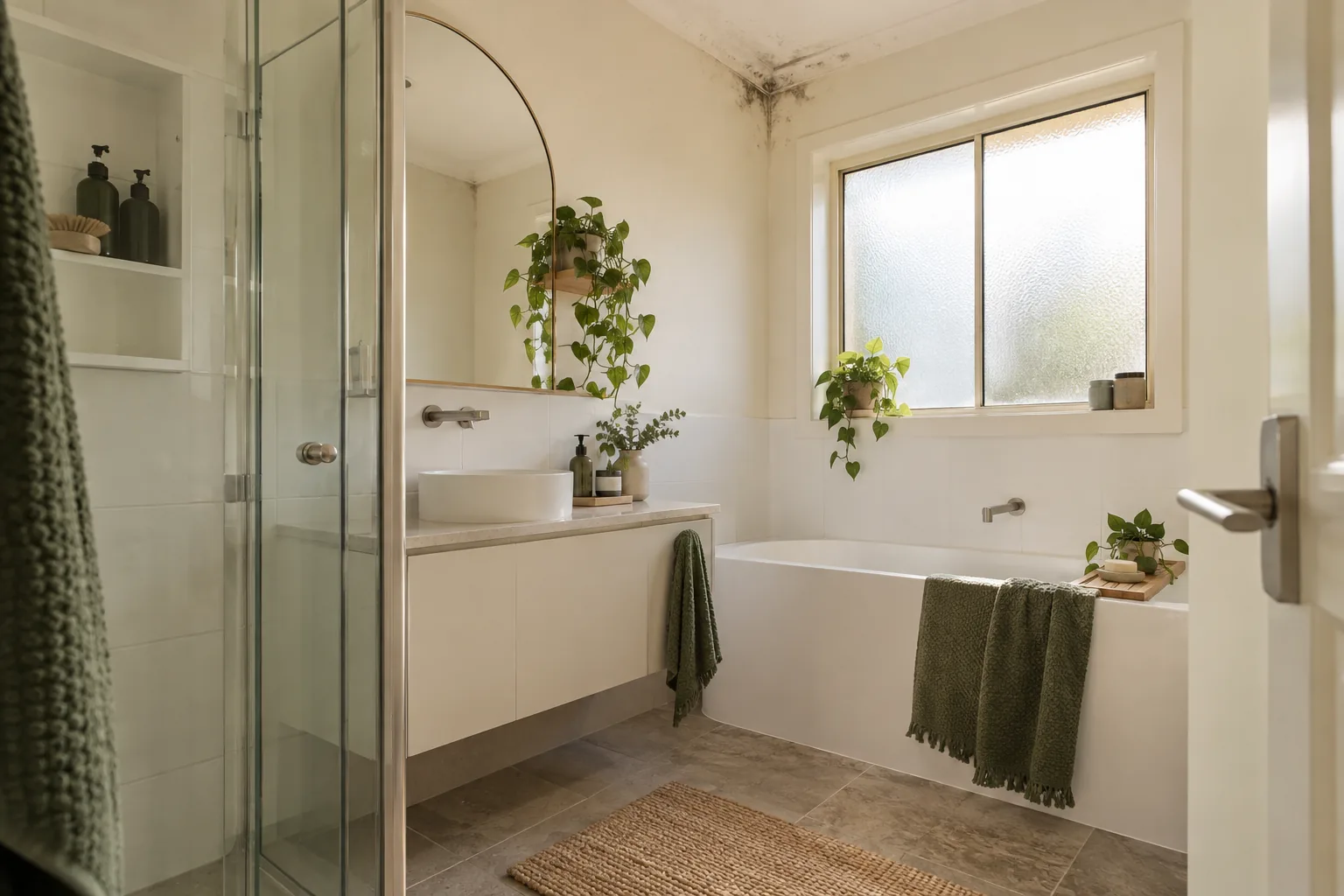
A water-marked ceiling should be assessed for material condition before anyone tries to clean it. Bathroom growth may be local to wet joints, while a wall near an external opening may need a different moisture investigation. If flooring has been wet, state the material and whether the substrate was assessed rather than describing everything as a cosmetic stain.
Establish the timeline
Prepare a short event timeline: when water appeared, which rooms were affected, what was repaired and whether drying was checked. If there was a flood or insurance claim, contact the insurer about the work before disposal or major disturbance. The cleaning enquiry should include those records, not replace a building damage assessment.
An inspection may be appropriate when the water-event record and present surface condition do not align. Ask which accessible observations can clarify the next decision and which belong to the insurer or building professional. Do not use a single past reading to dismiss a new material change.
ASSESS · PREPARE · REMOVE
Plan the work around the water-event history
Bring repair, drying and insurance information where relevant.
Review water exposure
Map the rooms and materials originally exposed, then identify the accessible growth now requiring attention. Walls, ceilings and hard floors need their own condition checks; textiles are excluded. Weak or water-damaged lining may require a repair decision before it is appropriate to apply a surface-cleaning method.
Prepare the agreed recovery area
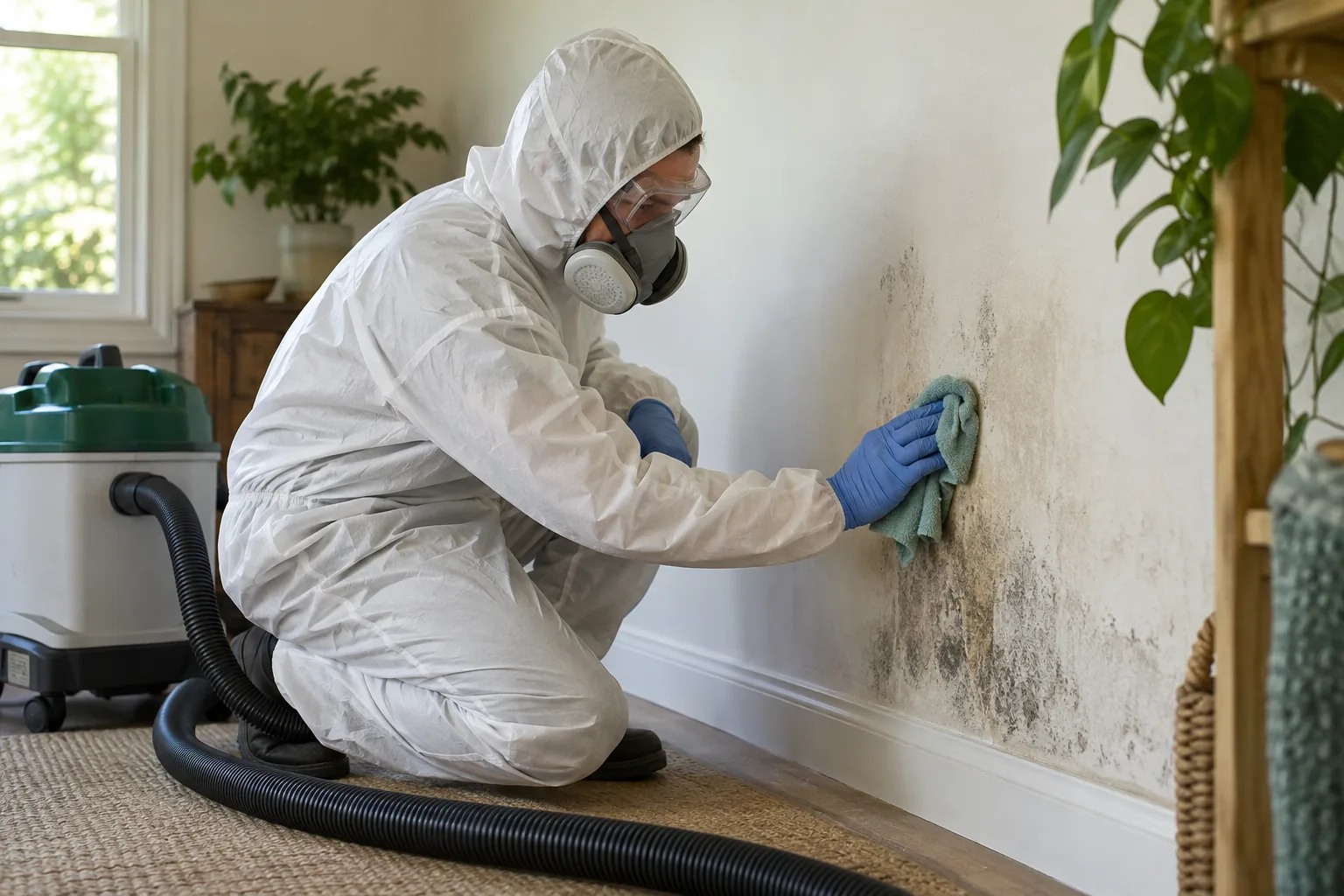
Arrange access without disposing of items or disturbing damaged material contrary to relevant repair or insurance instructions. Discuss protective measures, suitable PPE and HEPA filtration for the actual task. Confirm which belongings need separate handling so a water-event history does not silently expand the scope to everything in the room.
Treat suitable materials
Physical removal and treatment should be applied only where the material and access support that approach. The remediation discussion can distinguish a sound finish from material needing replacement. Neither surface appearance nor a strong treatment can establish the condition of hidden water-affected layers.
Keep recovery questions visible
Review what staining remains and which building or drying questions still need an answer. Record repairs separately from cleaned surfaces. If the same area becomes damp again, use the event timeline to direct investigation; recurrence remains possible when the source or affected material was not fully addressed.
Cause-led prevention
Prevention depends on the cause that is actually found. Leak repairs, maintained extraction and circulation can all matter, but they solve different problems. Keep photographs of the original locations and dates of repair. A return of growth after cleaning should trigger a review of the moisture conditions and material state, not simply another coat of paint.
Recovery boundaries
A careful service scope acknowledges when cleaning is only one part of recovery. Ask which surfaces are sound enough for treatment and which require another professional’s assessment. Discuss what the work can improve, what staining may remain and how you will recognise that unresolved damp conditions still need attention.
Check surface-service prices against the rooms that are actually suitable for treatment. A water event can involve repair tasks that room pricing does not describe. The directory offers nearby navigation; confirm availability for the exact Maribyrnong property and its recovery restrictions before booking.
NEARBY LOCATIONS
Around Maribyrnong
Ascot Vale · Maidstone · Aberfeldie · Moonee Ponds
For another address, explore Melbourne areas and call to confirm availability.
BEFORE YOU BOOK
Questions about your Maribyrnong home
Does a river-side address mean the mould came from flooding?
No. Location cannot establish the cause. Explain the actual water history and have the building assessed where the source is unclear.
Should I mention an old insurance claim?
Yes, if it relates to the affected area. Repair and drying records can help explain what was addressed and what may still require investigation.
Can damaged ceiling plaster simply be cleaned?
Not necessarily. The material’s integrity and access need assessment; weakened or deteriorated plaster may require a separate repair or replacement scope.
Are all water-affected floors suitable for treatment?
No. Material and condition matter. Textiles are excluded, and damage beneath a floor finish may need investigation outside accessible surface cleaning.
What if the moisture reading was normal last month?
Provide the date and context. One past reading does not explain a new mark or prove that all affected building materials remained dry.
Can I book Maribyrnong work immediately?
Call to discuss the address, moisture history and current condition. Appointment availability and a suitable scope must be confirmed first.
Discuss the affected room in Maribyrnong
Call 03 8652 1296 with your address, photographs if available and a short description of the water-event history. We can discuss the visible surfaces, what needs assessment and whether an appointment is available for your address. Confirm the scope before booking.
Local context and practical guidance: Maribyrnong City Council — Housing strategy · Australia Post — Maribyrnong postcode