
MIDHURST · MELBOURNE
Mould Removal Midhurst
MIDHURST / ADDRESS AND ROOM
A Midhurst enquiry needs the actual street address before a local name can help orient the visit. If an accessible wall has changed after a room was closed, describe the visible growth, finish and any continuing dampness. We can discuss assessment and availability for that property.
Neighbourhood address clarified
Room history considered
Accessible scope defined
SURFACES & THEIR SETTING
Use Midhurst as a neighbourhood reference
Victoria Police’s official locality table identifies Midhurst as an unbounded locality or neighbourhood. Give the street address and postal suburb rather than treating the name as a precise standalone suburb boundary.
Describe one room clearly
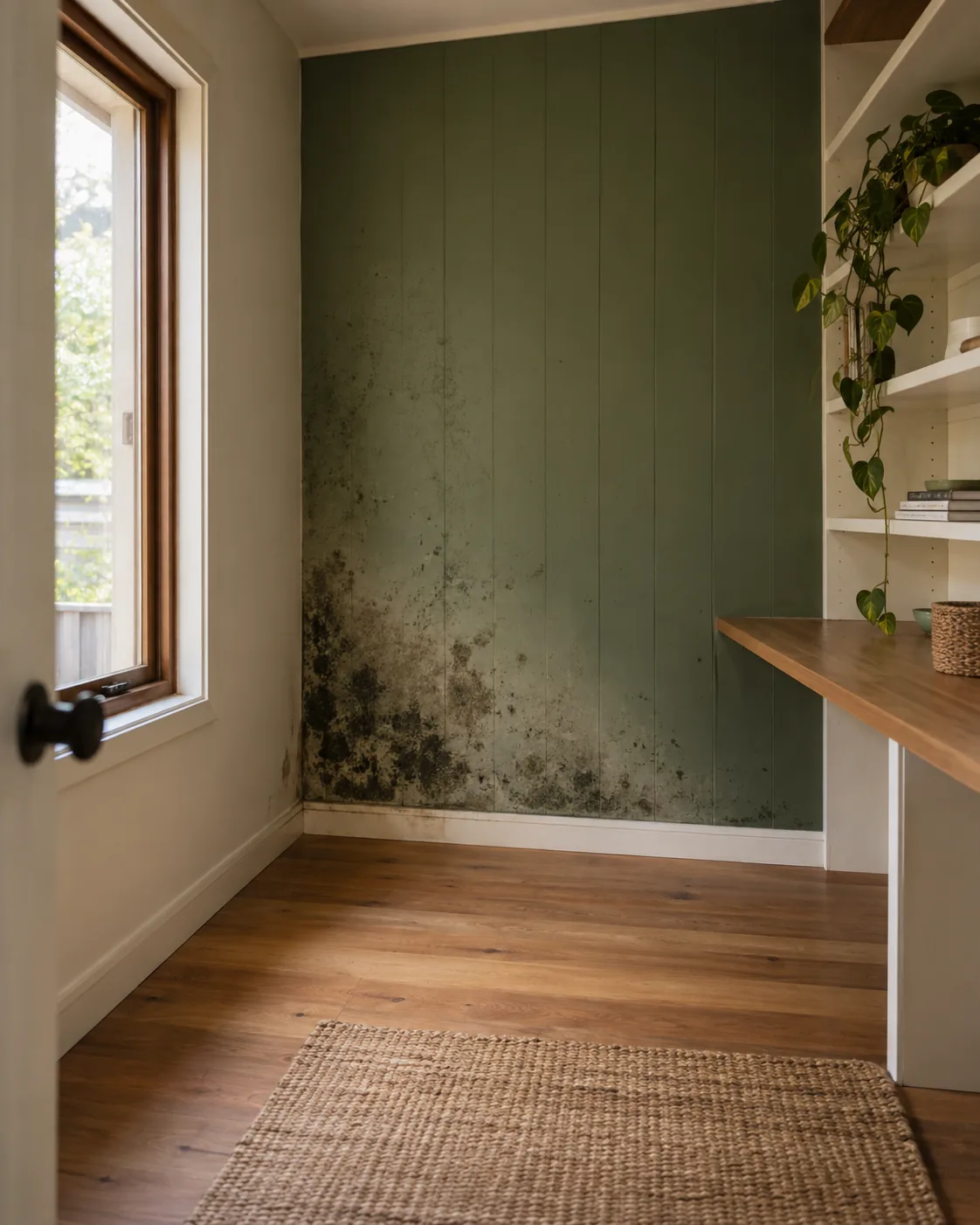
Tell us when the room was last used, what changed and where growth is visible. A mould inspection can consider accessible condition. Non-use is relevant history, not proof of the cause, and no particular building type is assumed.
Avoid duplicate location descriptions
Use one full address even if household members use different neighbourhood names. Identify the authorised contact and room list. Availability and entry arrangements need confirmation for the actual property, not an inferred service boundary around Midhurst.
Useful evidence without an assumed diagnosis
Provide dated photographs and explain leaks, condensation or maintenance where known. It is acceptable to say that the source is uncertain.
Structural surfaces and finish
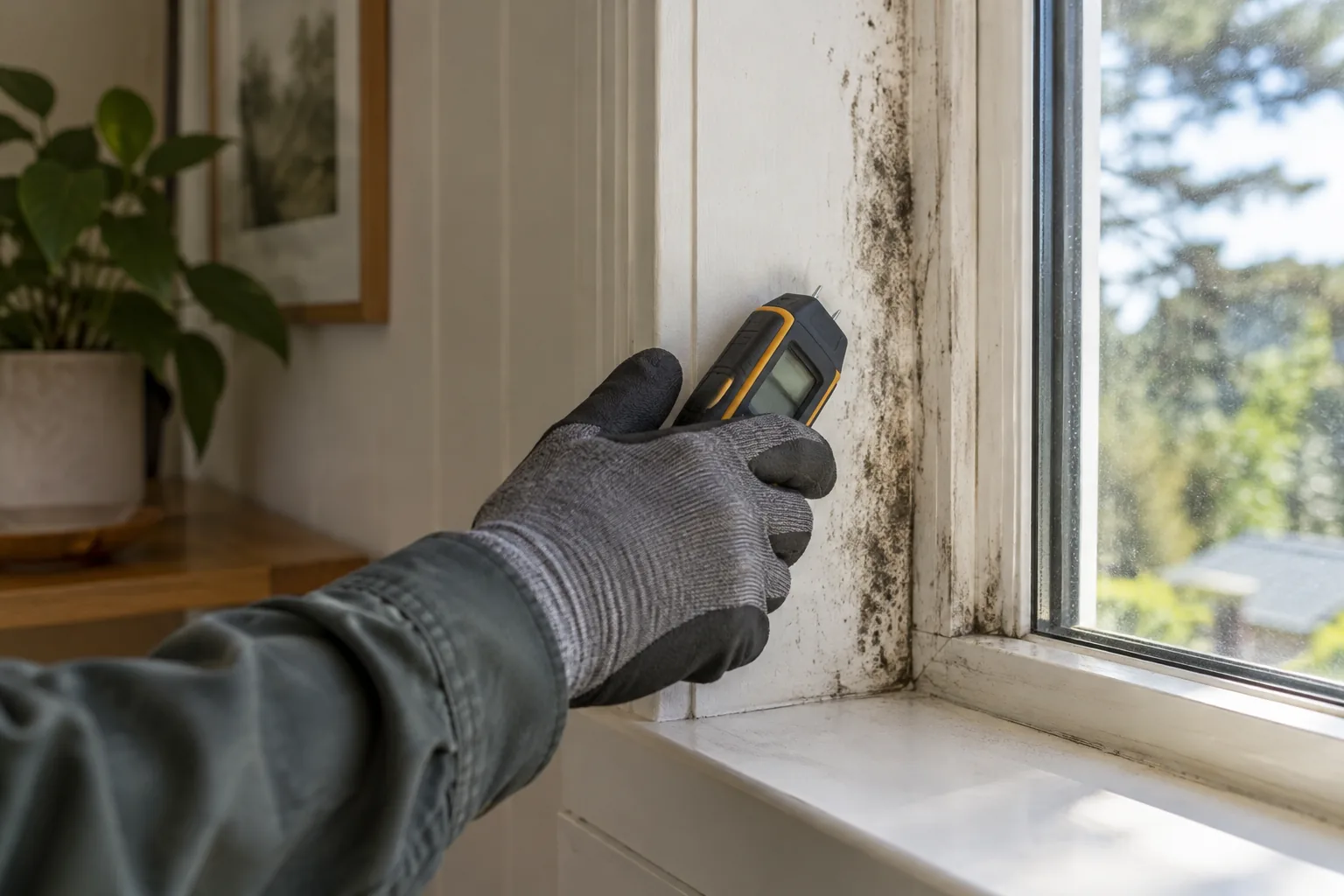
The removal scope covers visible, accessible walls, ceilings and hard floors. Mention peeling paint, fragile coverings and blocked sections. Furniture, carpet, mattresses, curtains and clothing are excluded, while hidden construction needs separate investigation.
What remains unresolved
A roof, pipe or building defect needs appropriate separate repair. Room humidity information may support advice but cannot demonstrate dryness in every concealed layer. Tell us whether wetness continues rather than treating a repair invoice as proof of readiness.
THE SURFACE REMOVAL PROCESS
Agree a visit for the actual interior
01
Assess accessible extent
The technician reviews visible growth, materials and condition, using relevant history and hygrometer information where appropriate. Obstructed areas or concealed cavities remain limitations unless further access or investigation is explicitly agreed.
02
Prepare with filtration
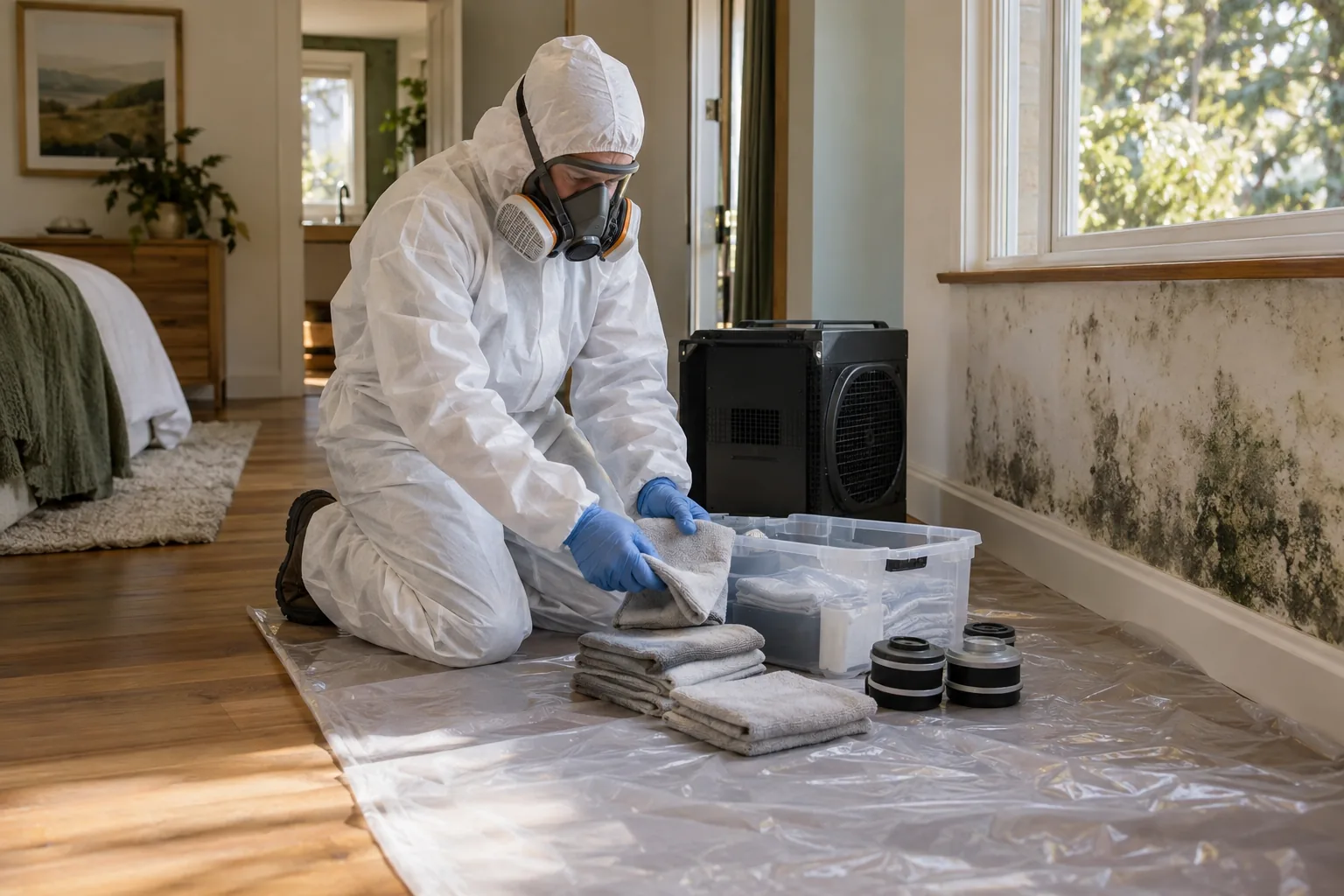
Agree belongings clearance and people or pet arrangements. HEPA air filtration supports the work. Items moved from a room are not included in treatment, and potentially affected possessions should not be spread elsewhere without a handling plan.
03
Select the surface application
HOCl treatment is considered for the finish. Mention previous cleaners and delicate coatings. The method addresses growth without guaranteeing restoration of damaged paint or complete disappearance of cosmetic staining.
04
Apply ULV where appropriate
Fog application may form part of the agreed process. Follow preparation and return arrangements. Any alarm procedure needs approval from the responsible person rather than independent switching off ahead of the visit.
05
Remove visible residue
Suitable physical removal uses professional H-class filtered equipment. The scope remains accessible structural surfaces. Textiles, furniture, hidden construction and material replacement require separately defined assessment, handling or additional work.
06
Finish and explain the next steps
Final filtration continues as required. Discuss treated extent, marks remaining and unresolved moisture issues. The handover should distinguish growth treatment from separately needed repairs and decorating without a permanent prevention promise.
VISIBLE & ACCESSIBLE
Four practical room descriptions
Walls in unused rooms
Note blocked areas and material condition.
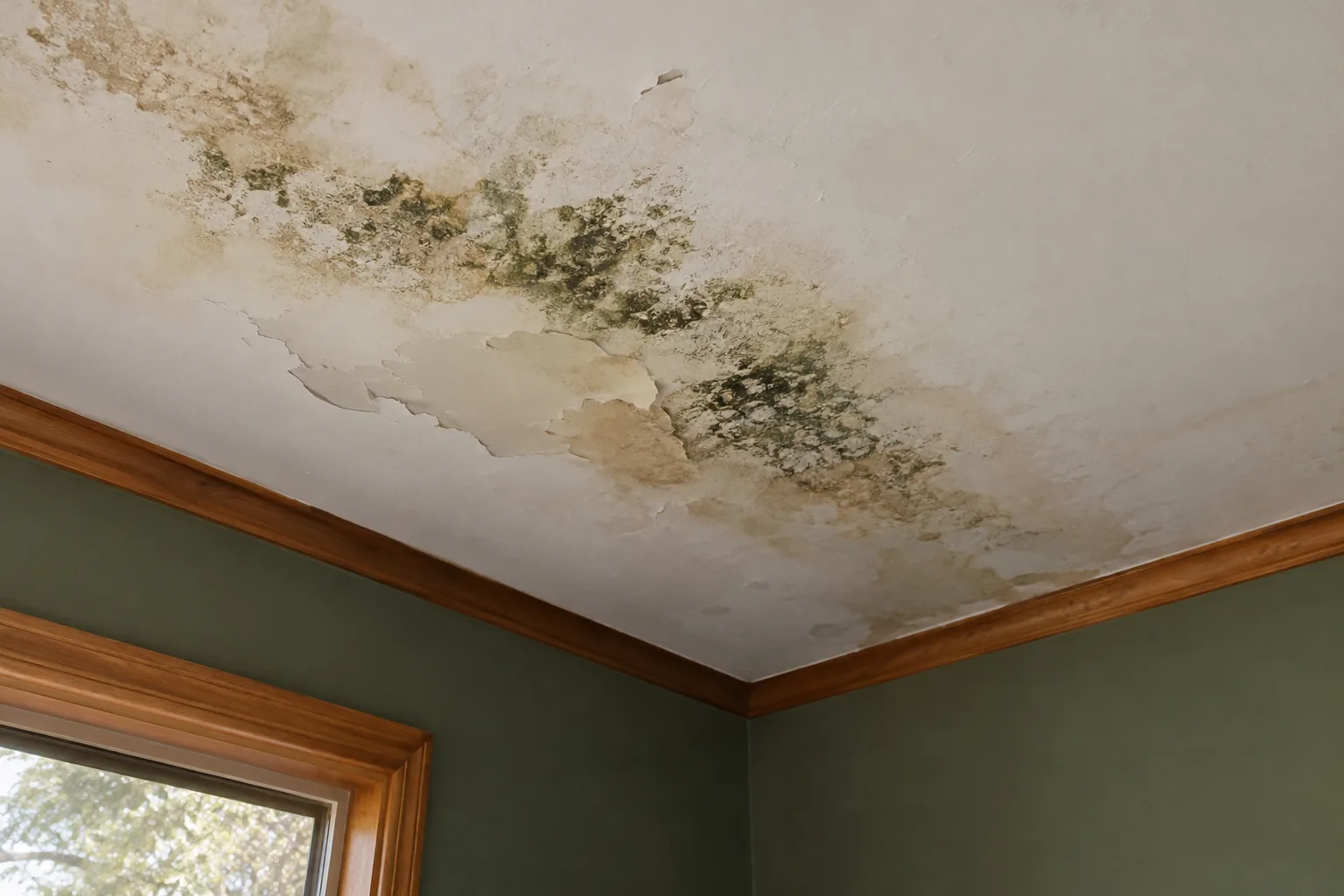
Ceiling patches
Describe wetness and recent repair history.
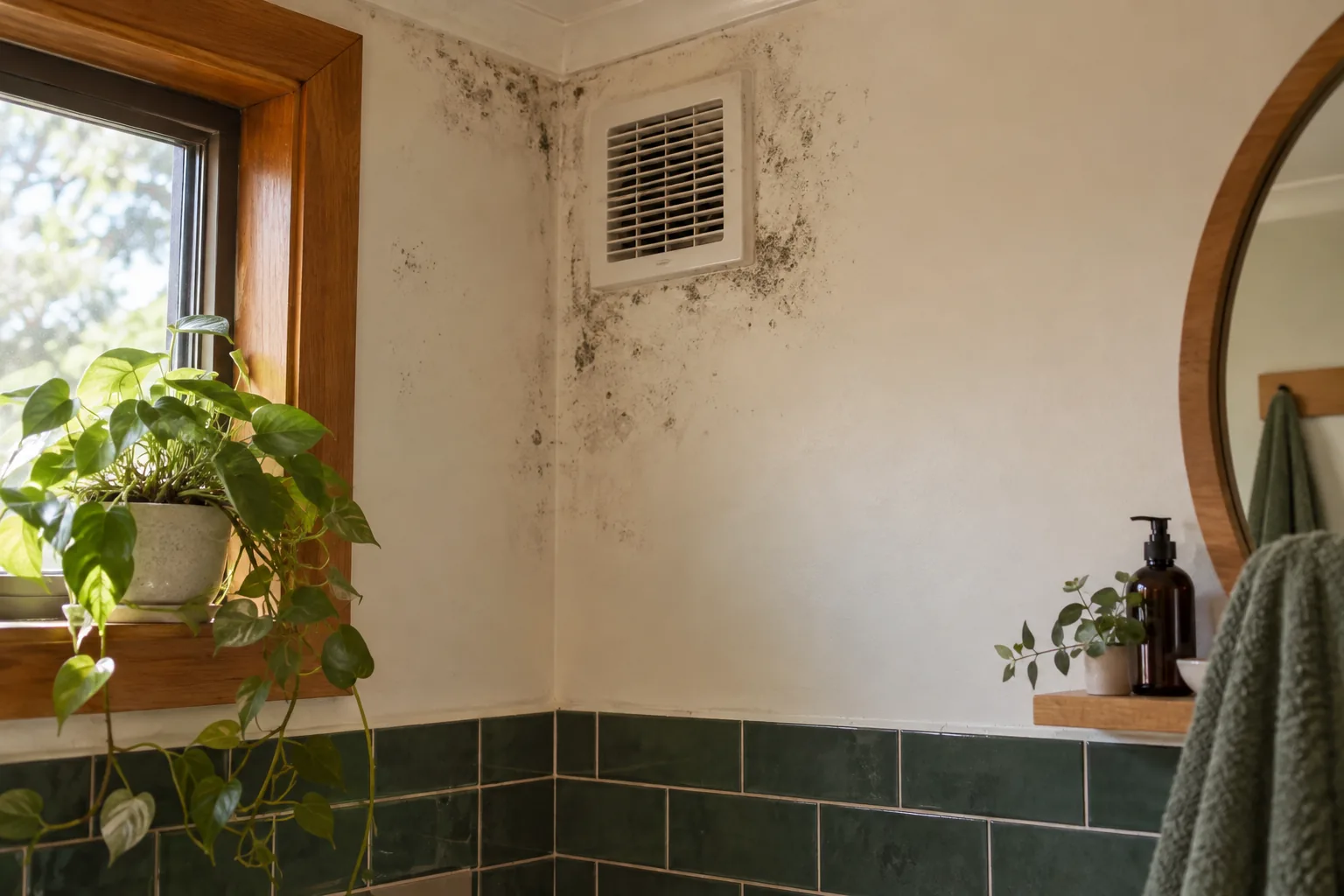
Bathroom surfaces
Explain extraction and drying patterns.
Hard-floor margins
State the finish and signs of water tracking.
PREPARATION & LIMITS
Confirm scope before timing
Around three hours per room is an average working estimate, with size, access and contamination affecting duration. The service is not hourly-based. Confirm the address, actual room list and appointment availability before planning a fixed period away.
Remediation may leave stains, and decorating requires a separate quote. Source repairs are separate work too. Persistent dampness can permit recurrence even after existing visible growth has been addressed.
AFTER THE SURFACE WORK
Keep the room’s next use in mind
After the agreed return time, keep vents clear and check effective extraction where moisture is produced. If the room will remain unused, arrange realistic monitoring of water entry and visible changes rather than relying only on closing the door.
Retain dated photographs and relevant maintenance notes. Humidity observations can improve a follow-up conversation without diagnosing hidden defects. Raise repeated wetness with the appropriate contact before returning storage or applying another decorative coating.
MIDHURST · SURROUNDING ADDRESS ENQUIRIES
Neighbouring guides and address clarification
Use nearby guides for orientation, but provide the Midhurst property’s full address and postal suburb when calling. An unbounded neighbourhood label should not be used to infer travel, entry permission or the cause of a room’s dampness.
BEFORE YOU ARRANGE WORK
Questions for your enquiry.
Is Midhurst a bounded suburb?
The official Victoria Police locality table identifies it as an unbounded locality or neighbourhood. Give the actual street address and postal suburb.
Can I enquire without knowing the cause?
Yes. Describe visible growth, current wetness and any known history honestly. Photographs and observations can frame the assessment.
Does a closed room require whole-house treatment?
Not automatically. Explain the actual affected rooms and accessible surfaces. Material, extent and access shape the scope; one unused room is not evidence that every room or furnishing needs the same work.
Are stored mattresses included?
Mattresses and other furnishings or textiles are excluded. Discuss clearance and separate handling if items may be affected. Treatment of structural surfaces does not restore every object stored in the room.
Can hidden cavities be assessed during removal?
They are not included by assumption. Concealed construction requires separately defined investigation and suitable access. Fog application does not establish its condition or substitute for opening and repair where needed.
What if visible marks remain?
Cosmetic stains may remain after growth is addressed. Decorating requires a separate quotation. Ask about the remaining appearance and outstanding moisture work so old staining is not confused with new growth.
Give the address and describe the condition
Call 03 8652 1296 with the Midhurst neighbourhood property details and visible concern. Confirm availability, preparation and the accessible assessment scope.
Useful references: Victoria Police official locality table