
PANTON HILL · MELBOURNE
Mould Removal Panton Hill
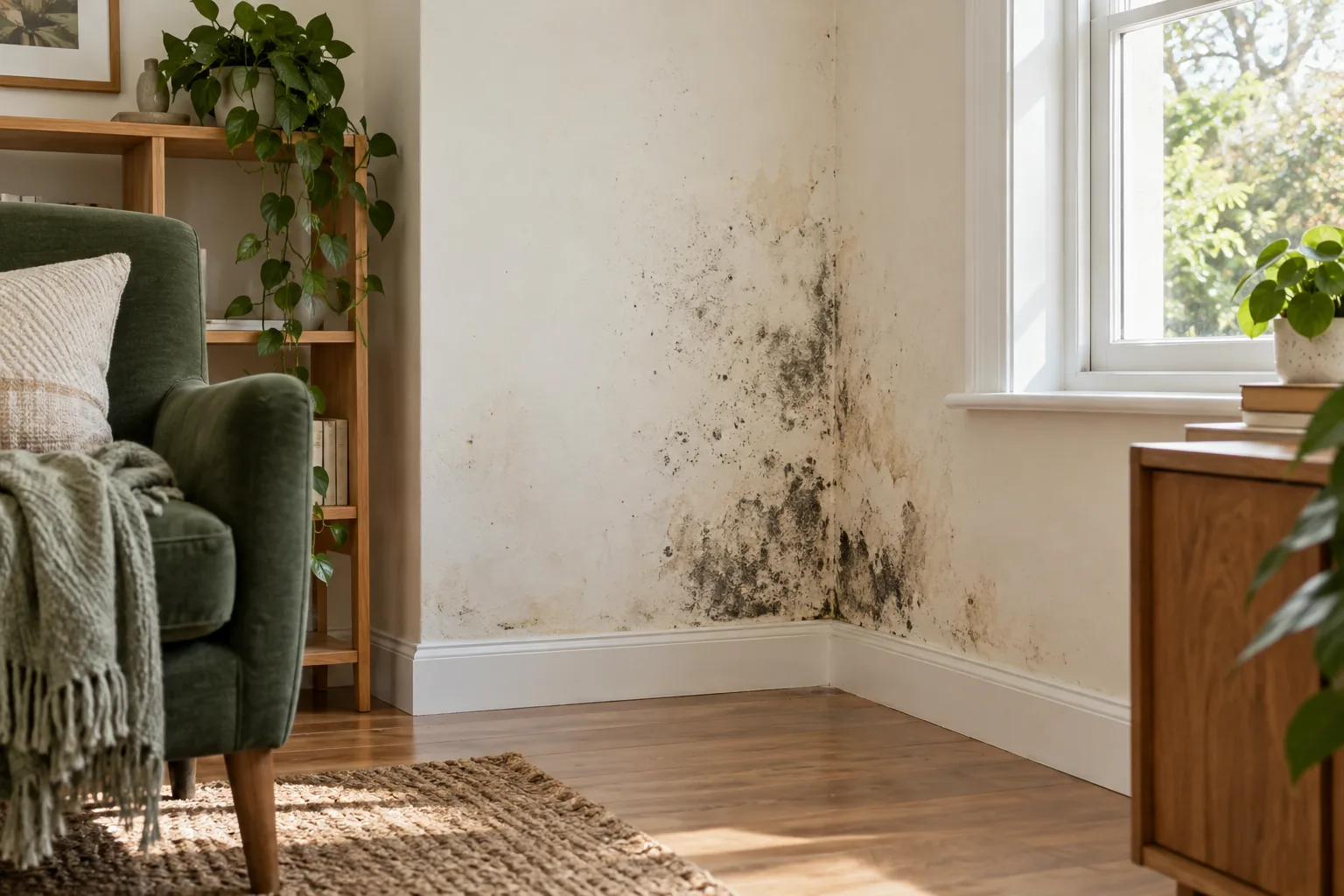
For a Panton Hill enquiry, start by identifying the building and room that need attention. A bathroom in the main home and a marked wall in a separate workroom may have different moisture histories. We can discuss visible accessible treatment, appropriate assessment and preparation, with appointment availability checked for the exact address before work is arranged.
Room-specific scope
Accessible surface assessment
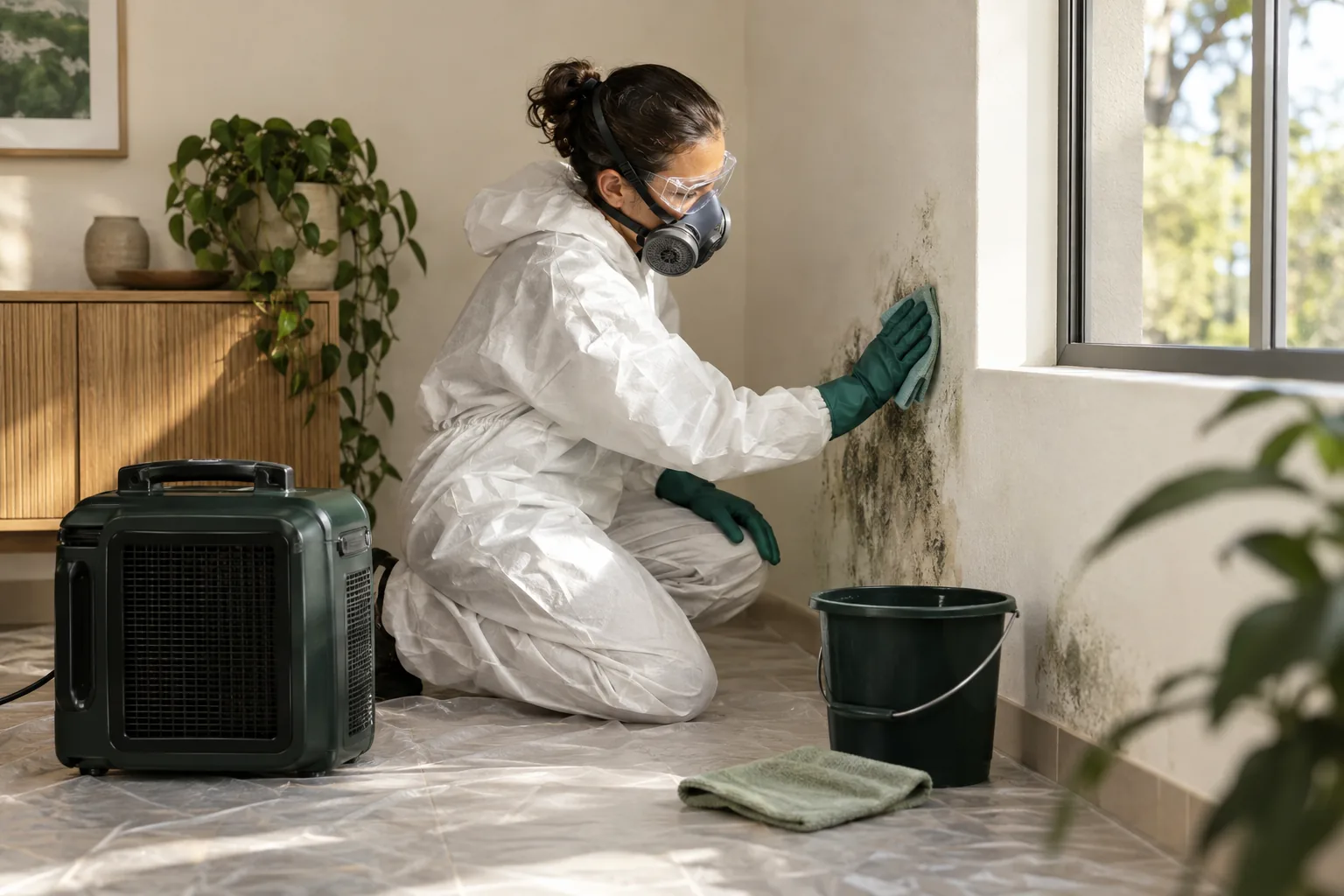
HEPA-supported preparation
Walls · Workrooms
THE HOME, IN CONTEXT
Keep each building in the picture
Nillumbik identifies Panton Hill as a rural township. Give the full address and explain whether the enquiry concerns one building or more; a locality name cannot describe the route to the affected room or establish its water history.
Keep building records separate
Make a short list for each building, naming the marked room and material. Record old repairs alongside current observations. If only one room needs attention, do not use a broad property description that implies every separate structure requires treatment.
Describe the connecting spaces
For adjoining rooms, show what sits beside the affected wall. For detached spaces, say that clearly. This helps a removal enquiry distinguish a possible shared source from two unrelated issues without assuming the entire property has one problem.
INSPECTION & MOISTURE
Which rooms need assessment?
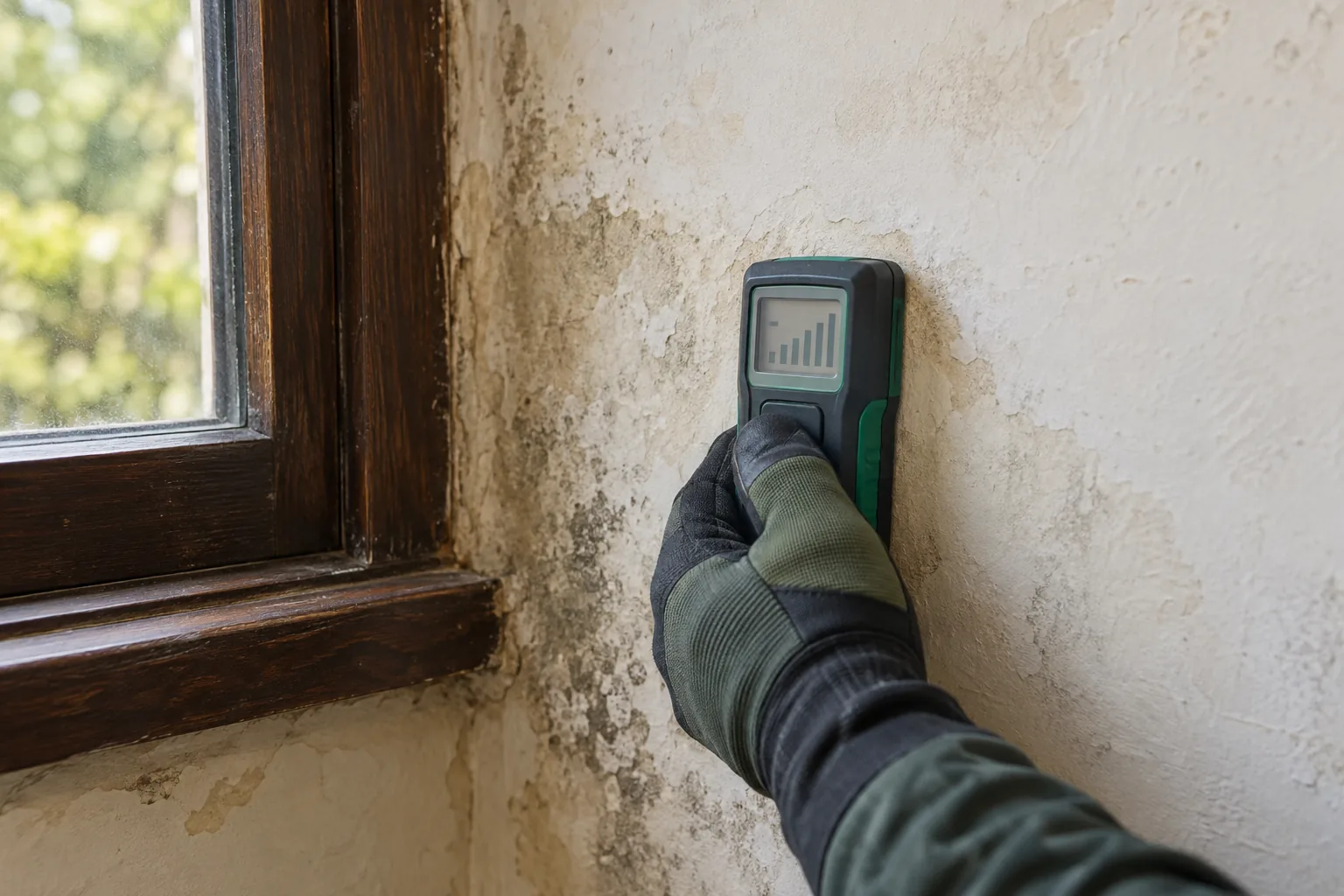
The first decision is whether visible surfaces can sensibly be treated now or whether uncertain moisture or material damage needs investigation first.
Use the room history
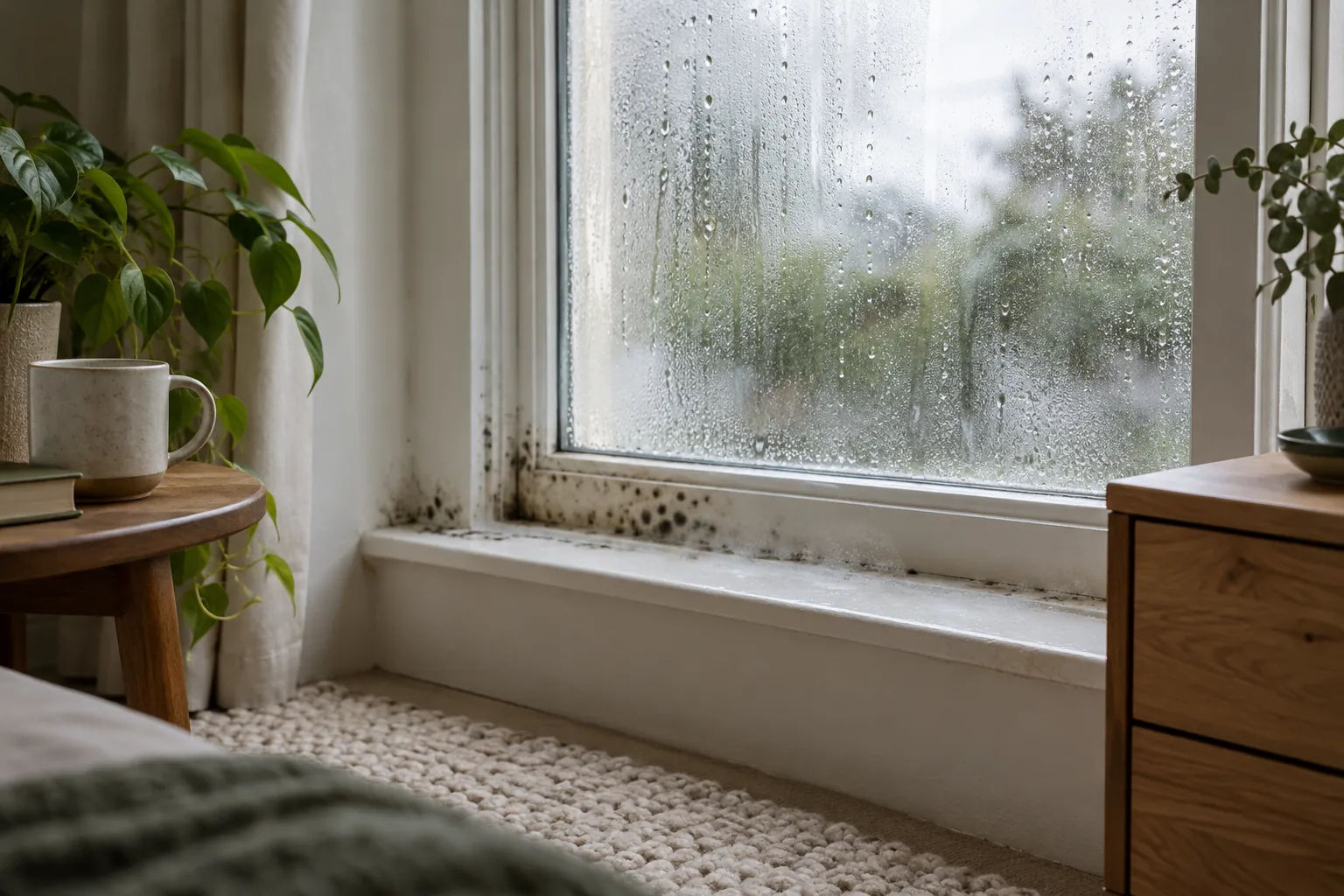
Explain when each mark appeared and whether it follows shower use, rain or a known leak. A date-linked description is more useful than assuming a rural address means the same moisture conditions apply throughout the site.
Choose a focused inspection
Discuss inspection where the source or accessible extent is unclear. Identify rooms that can be entered and areas blocked by fixed fittings. Ask which observations support the next decision and which building questions need another professional. If several people manage the property, agree one room list before arranging assessment. Include the building name used on site and the relevant repair contact. This avoids a request for the main bathroom being interpreted as access to a separate room whose history and preparation have not yet been discussed.
A CONNECTED PROCESS
A work plan for the affected surfaces
Agree the actual buildings
Confirm the rooms and visible walls, ceilings or hard floors included. Review deterioration before choosing treatment. Textiles are excluded, and an appointment for one room should not silently become a commitment to every outbuilding.
Arrange practical entry
Describe gates, parking and the route between rooms where relevant. Agree who prepares belongings and furniture. Suitable protective equipment and protection of the work area should follow the planned access rather than rely on surprises on arrival.
Prepare the treatment area
Discuss HEPA filtration and the reachable surfaces in each included room. Connected equipment or fixed panels may require separate arrangements. Avoid disturbing a fragile wall merely to expose a larger area for photographs.
Remove suitable visible growth
Physical removal and material-appropriate treatment address the agreed accessible surfaces. The remediation plan should identify damaged materials or concealed questions separately. Cleaning cannot repair a leak or establish every hidden cavity’s condition.
Review by room
Record what was treated, remaining staining and repair tasks separately for each building. If growth returns, compare that room’s history and moisture conditions. A better appearance in one area does not prove the other building’s source has been resolved.
WHERE MOULD APPEARS
Give each surface its own description
Bathroom
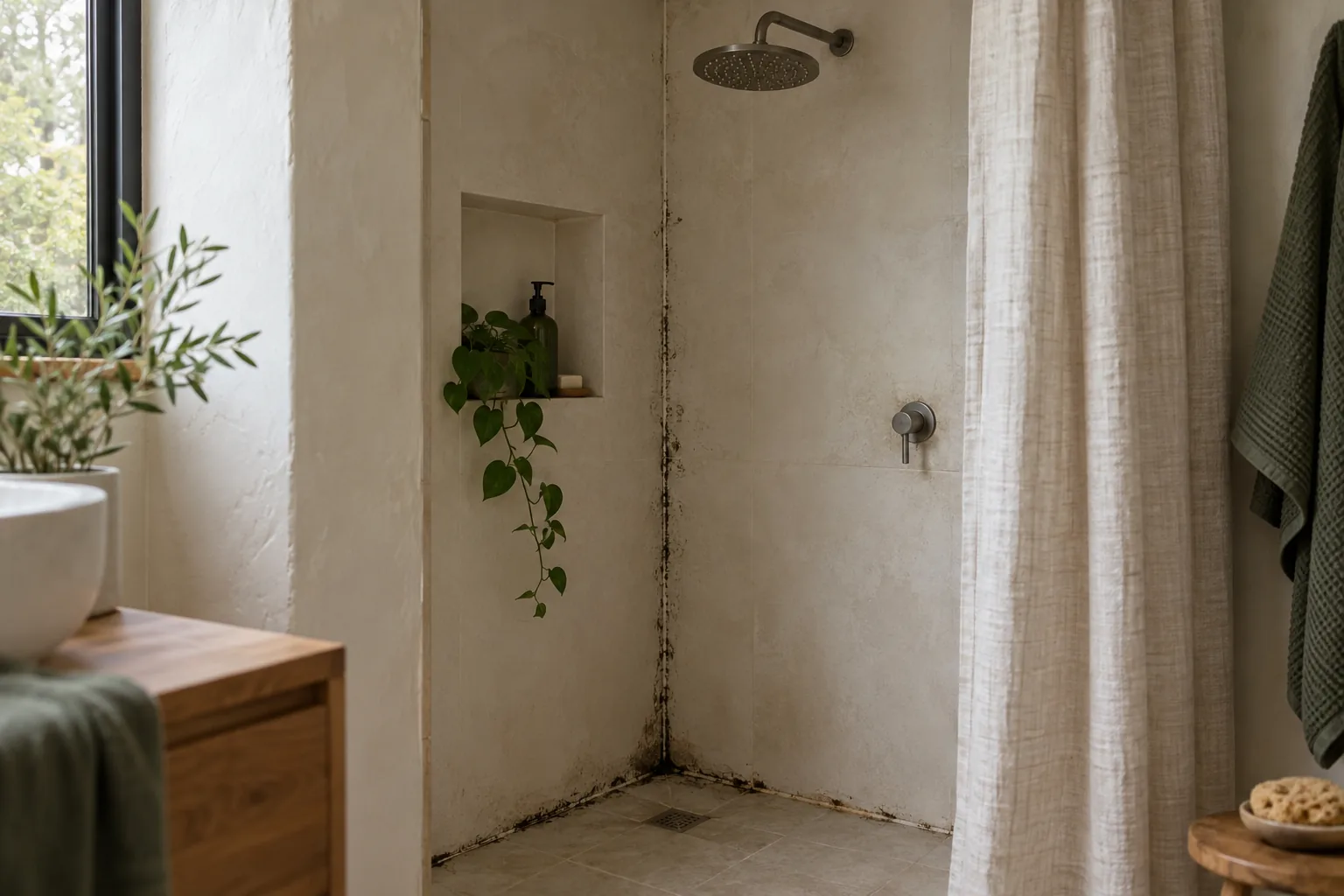
Explain extraction, shower joints and any mark outside the wet area. A bathroom photograph should show the room layout as well as the patch.
Walls
Identify whether the marked wall is shared with another room or external. Mention peeling finishes without scraping them for inspection.
Ceilings
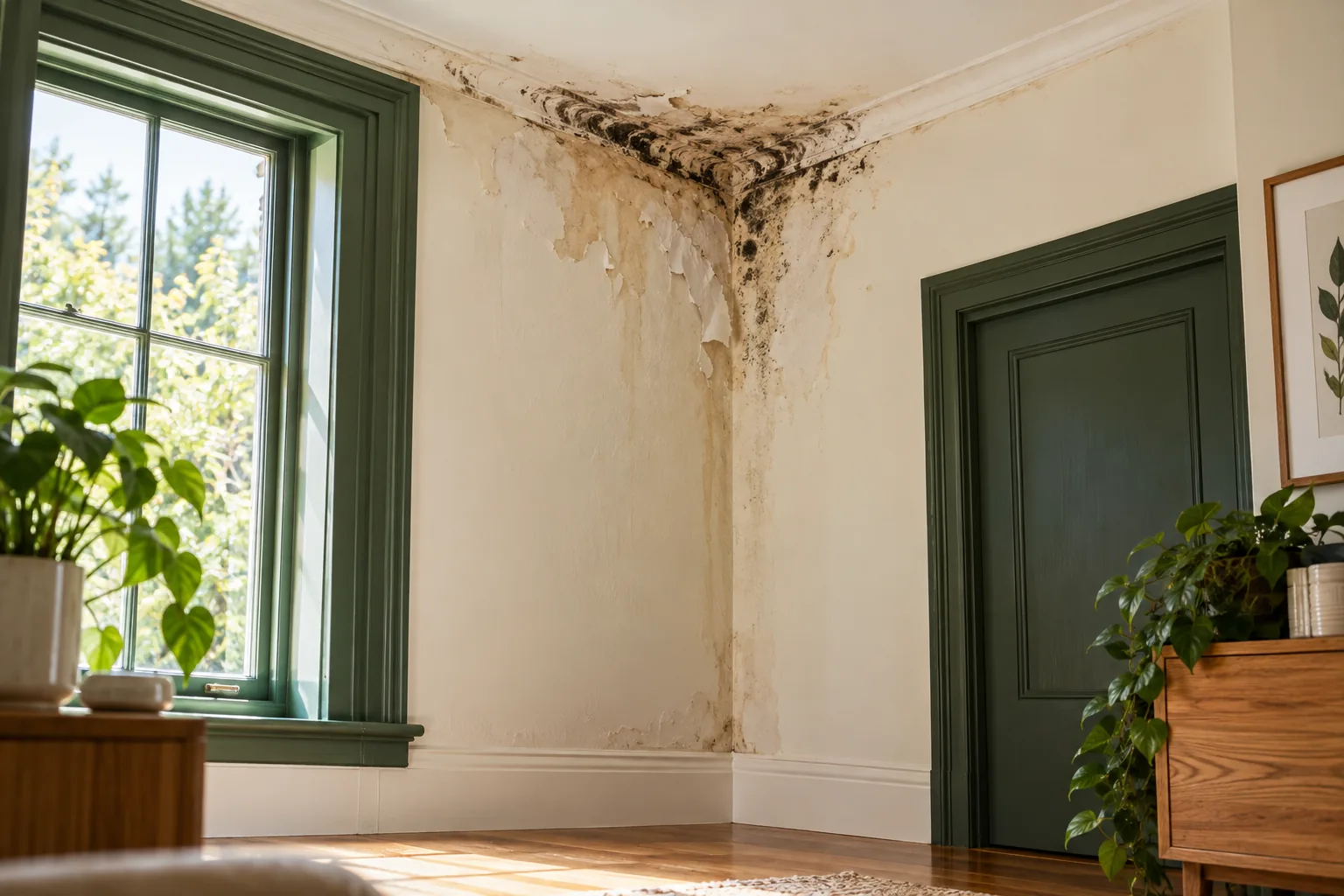
Provide height and the position of any roof-related mark. Safe access and material condition matter before cleaning is selected.
Hard floors
Name the finish and water exposure. Carpet, rugs and stored textiles require separate consideration rather than automatic inclusion.
MAKE SPACE FOR DRYING
Keep the source and the surface in view
After identified repairs, maintain a simple check for each original location. Keep the former patches accessible where practical and note whether they change under ordinary room use. This prevents a resolved bathroom task from hiding a continuing concern elsewhere.
Manage moisture according to the source found in that room. Ventilation maintenance, plumbing repairs and roof work serve different purposes. Surface treatment does not replace them, and repeating one cleaning method across buildings is not evidence that every source has been addressed.
PANTON HILL & NEARBY
Nearby location guides
These guides help you describe another property in the surrounding district; each address still needs its own scope and availability discussion: Smiths Gully, Cottles Bridge, Watsons Creek.
QUESTIONS WORTH ASKING
Before the visit.
Can an enquiry cover a house and a separate workroom?
Describe both separately. Access, materials and moisture history need their own scope discussion rather than an assumed whole-property package.
Does rural location explain the mould?
No. The individual room and water history need assessment; the township classification does not diagnose the building.
Should I inspect a roof cavity myself?
Do not open or enter an area just for the enquiry. Explain the visible evidence and discuss appropriate professional investigation.
Are stored fabrics included?
Textiles are excluded from the stated accessible-surface service. Ask about preparation and arrange suitable separate handling.
Can staining remain after removal?
Yes. Accessible growth removal, finish restoration and material repairs are different tasks that should be discussed clearly.
How is Panton Hill availability checked?
Call with the full address, building list and access arrangements before confirming an appointment.
START WITH YOUR ROOM
Talk through the room in Panton Hill
Call 03 8652 1296 with the address, affected building and room list. Mention any separate structures or access restrictions so assessment, preparation and suitable appointment availability can be discussed together.
Useful references: Nillumbik — townships and villages