
SMITHS GULLY · MELBOURNE
Mould Removal Smiths Gully
If a room in Smiths Gully has been unused for a while, describe what is visible now and what you actually know about its history. An uncertain start date should stay uncertain. We can discuss accessible wall, ceiling and hard-floor assessment, suitable removal and practical preparation, then check whether an appointment can be arranged for your address.
Observed-condition assessment
Clear belongings preparation
Visible surface treatment
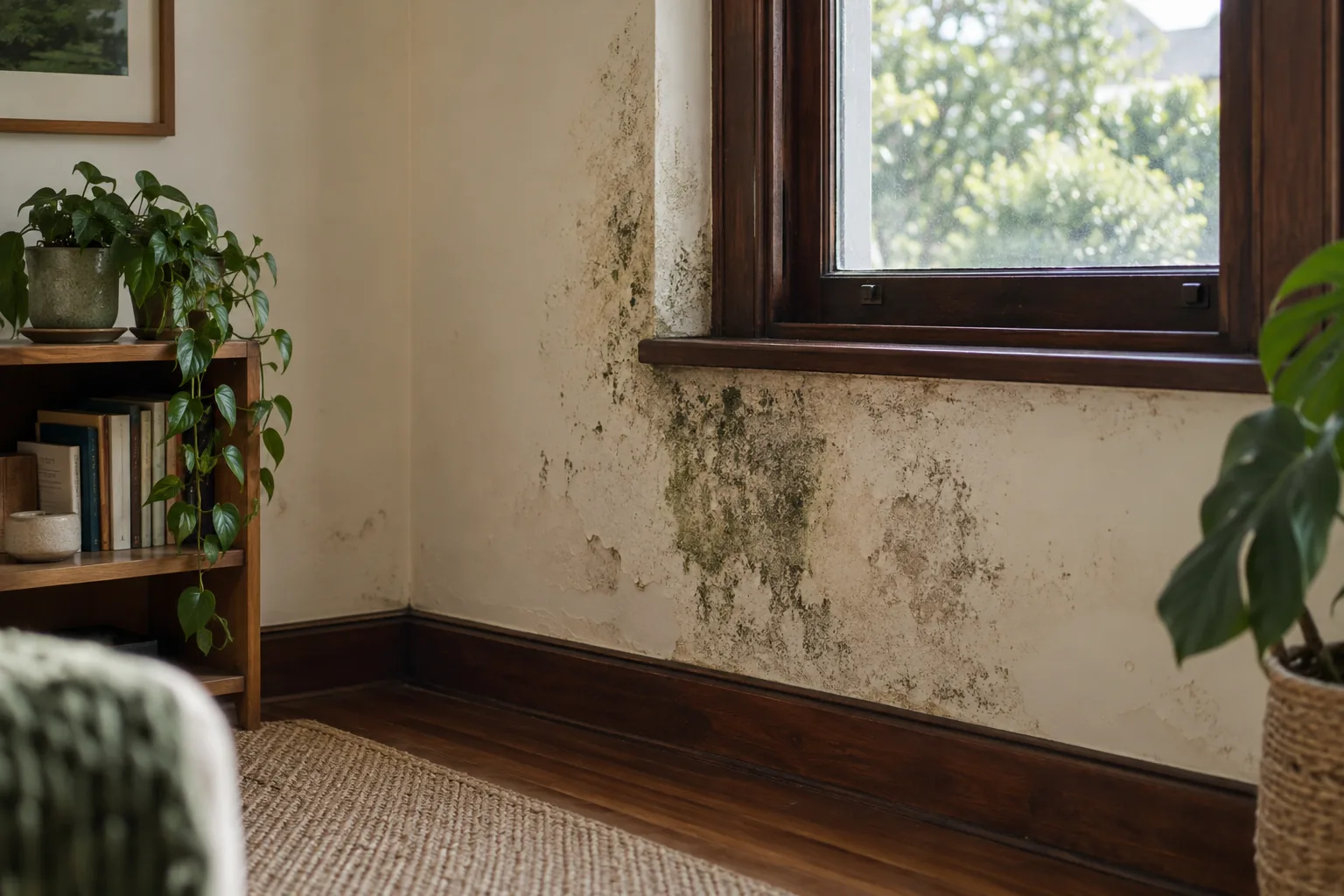
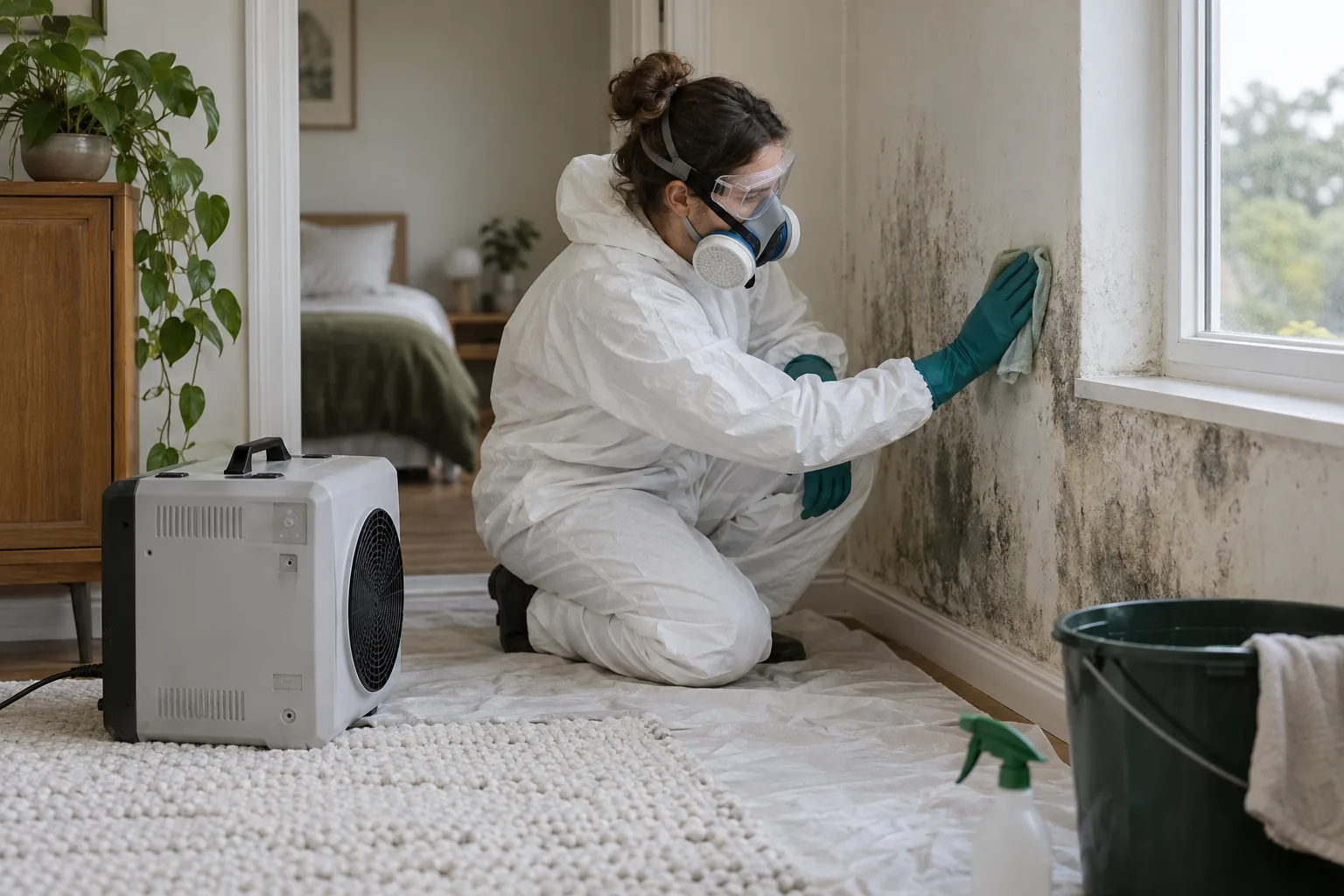
Walls · Storage
THE HOME, IN CONTEXT
When a room has not been checked recently
Smiths Gully is listed among Nillumbik’s villages. For an occasional-use room, the useful location detail is the full property address and entry arrangement, followed by a clear description of the room rather than assumptions about local weather or housing.
Start with the last known check
Record when somebody last used or inspected the room, if known. Do not guess how long a patch has existed. Mention any leak report or building work that occurred during the interval and keep earlier photographs if available.
Show storage and layout
Photograph the room widely enough to show windows, furniture and adjoining wet areas. Explain what is fixed and what can move. That makes a removal scope more useful than a cropped patch with no access context.
INSPECTION & MOISTURE
Work from what you can observe
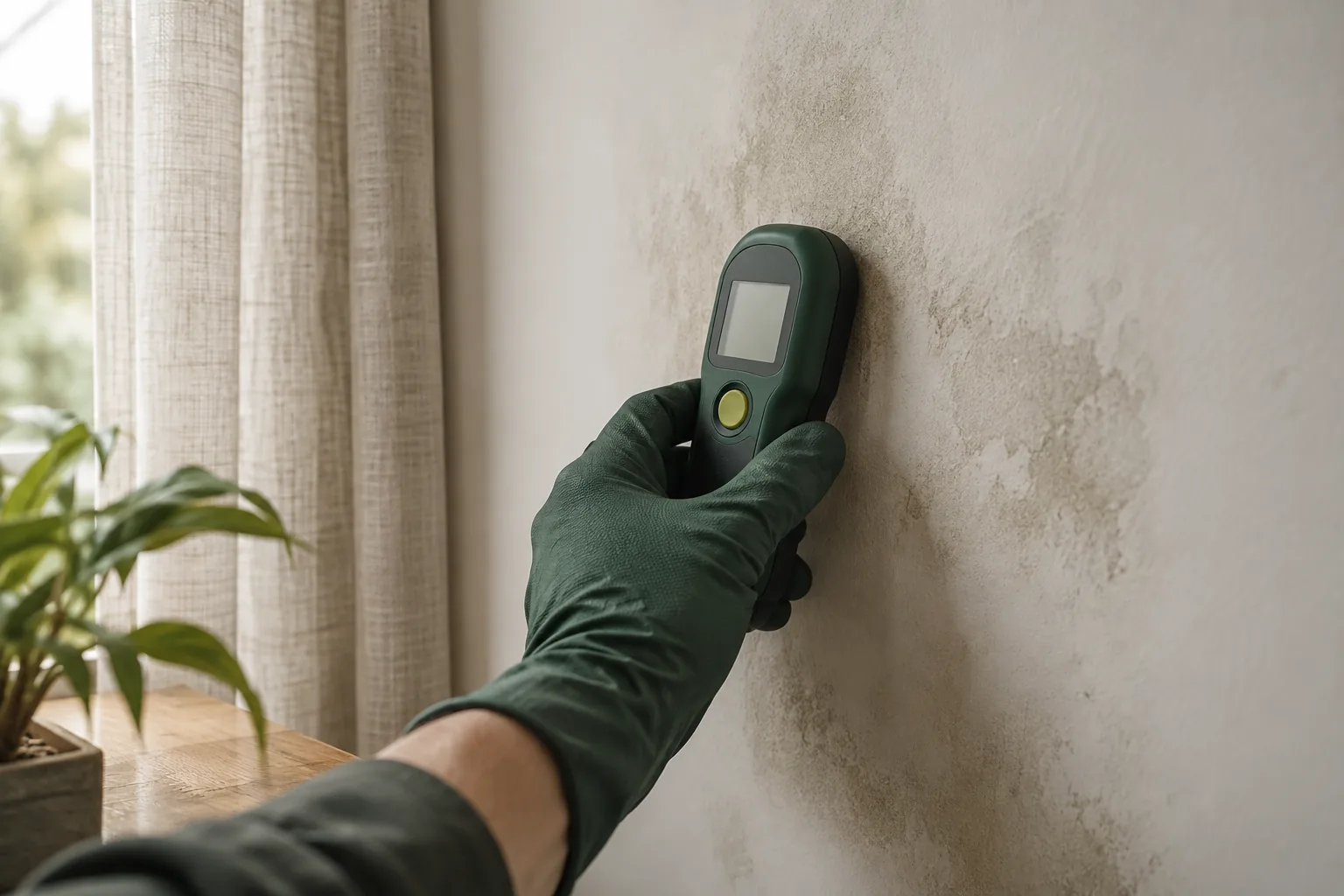
Unknown timing does not make every surface affected. Assessment should work from present evidence, material condition and the available maintenance record.
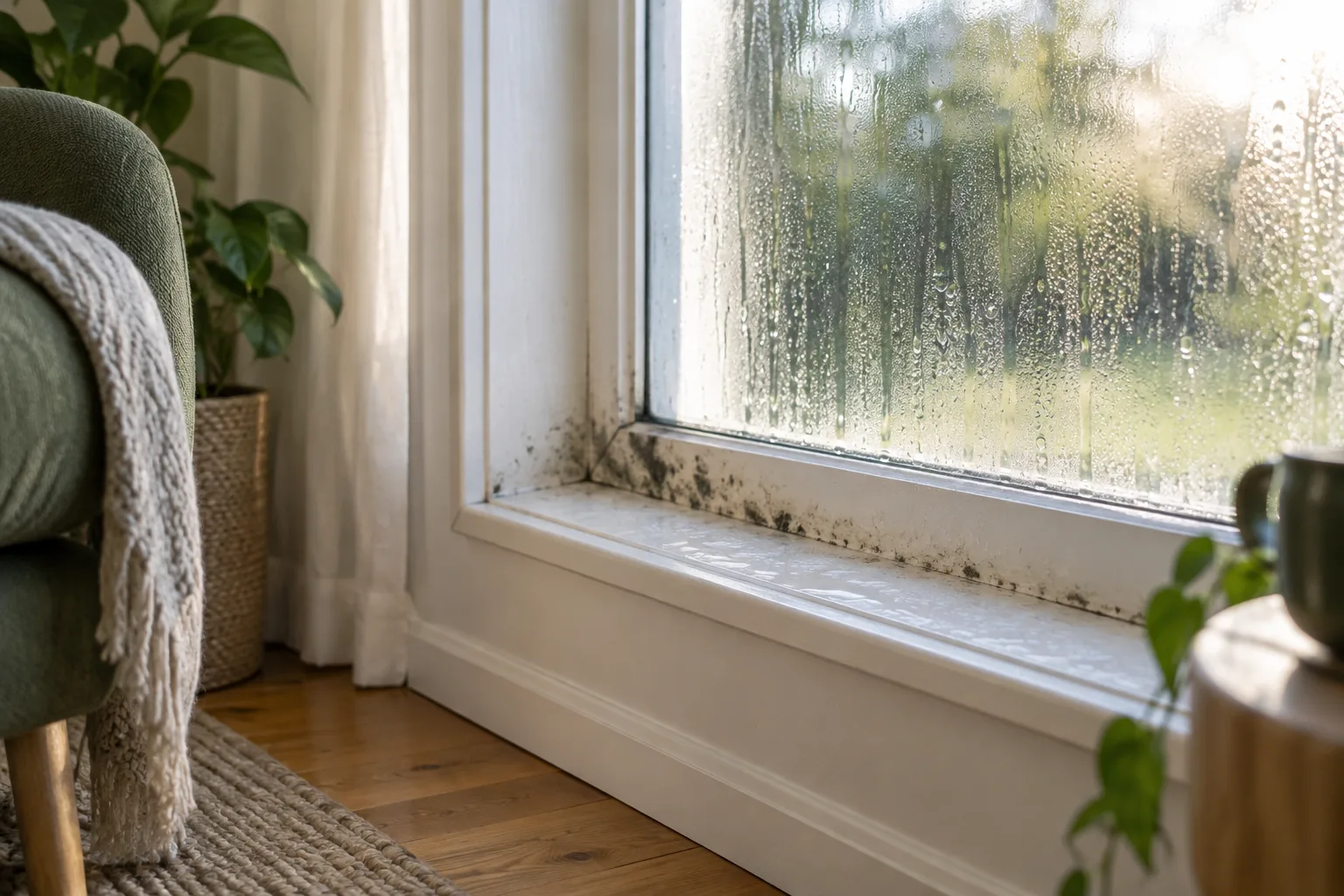
Separate visible facts from estimates
Describe growth, staining and odour as different observations. If a cupboard blocks the view, say so. The absence of a recent room check does not establish the condition behind its wall or justify assuming extensive concealed damage.
Consider assessment before treatment
A mould inspection enquiry can help when the extent or source is uncertain. Ask what can be observed safely and whether a building or plumbing investigation is needed before deciding which surfaces are suitable for removal. If someone checks the room on your behalf, ask for a wider photograph and their actual observations, rather than a conclusion that everything is damp. Identify which belongings were moved before the photograph so the view can be interpreted accurately and further preparation can be agreed without recreating an uncertain earlier condition.
A CONNECTED PROCESS
A work plan for the affected surfaces
Define the reachable area
Agree visible wall, ceiling and hard-floor surfaces based on actual access. Review loose paint or deteriorated material first. Textiles and upholstered belongings are excluded, even when they have been stored beside the affected wall.
Plan belongings movement
Discuss which storage and furniture should be moved and by whom. Avoid rushing to dismantle the room before the assessment. Suitable PPE and protection should fit the agreed area without creating unnecessary disturbance.
Prepare controlled work
Organise HEPA filtration and the room’s work zone around the accessible task. Fixed cabinetry may limit what can be reached. Any invasive access or heavy-item movement belongs in a separate practical arrangement.
Treat suitable finishes
Physical removal and appropriate treatment follow the surface assessment. The remediation discussion should identify damage separately instead of promising to restore every stored or hidden material through cleaning.
Create a new baseline
Review remaining stains and unresolved repairs, then retain a dated view of the original locations. A cleaner appearance does not reconstruct the missing history or guarantee that damp conditions cannot produce returning growth.
WHERE MOULD APPEARS
Give each surface its own description
Bedroom walls
Show the area behind safely movable furniture without scraping the patch. A bed or shelf position is useful context rather than proof of cause.
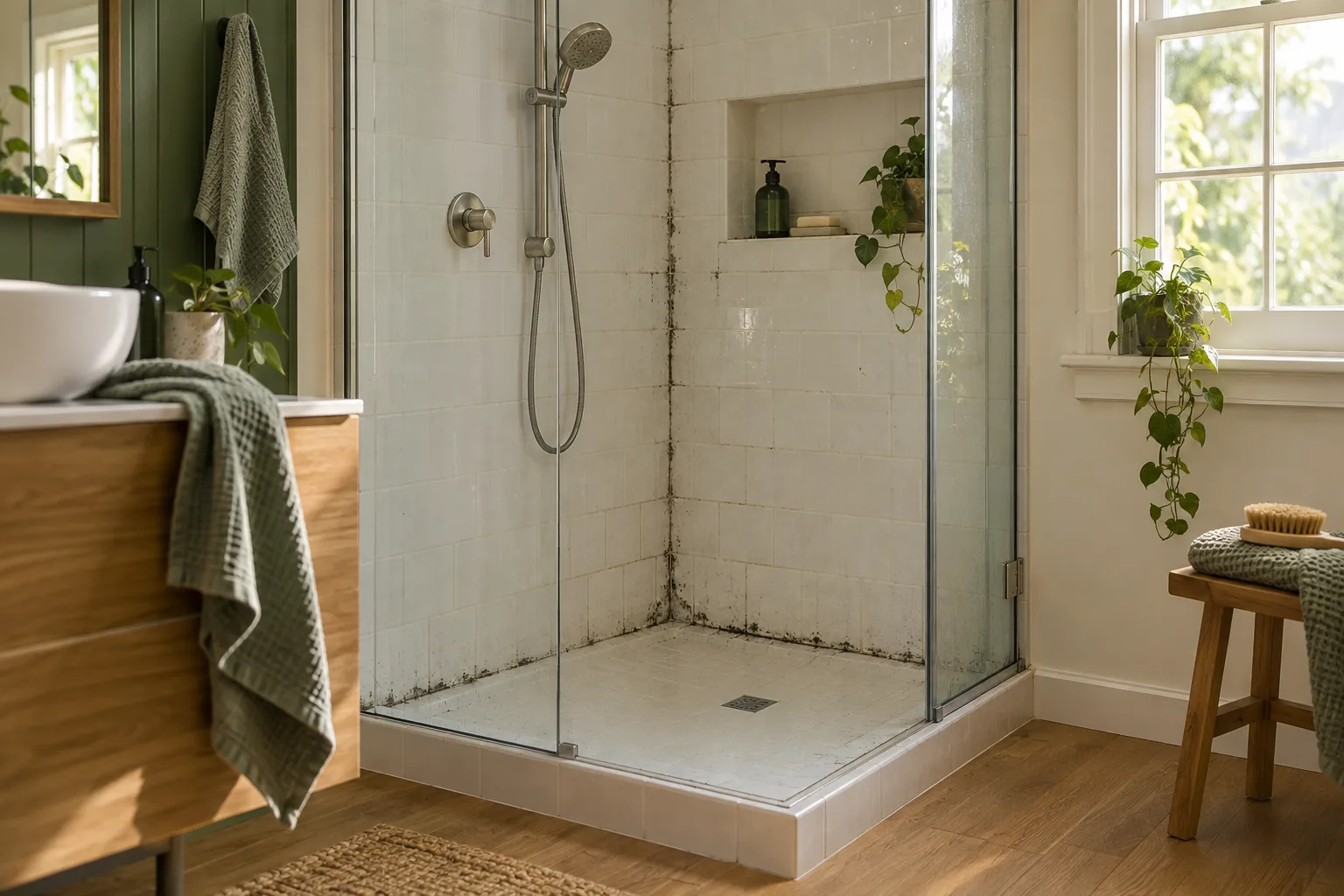
Bathroom surfaces
Mention whether a nearby bathroom was used during the room’s vacancy and whether extraction or plumbing faults are known.
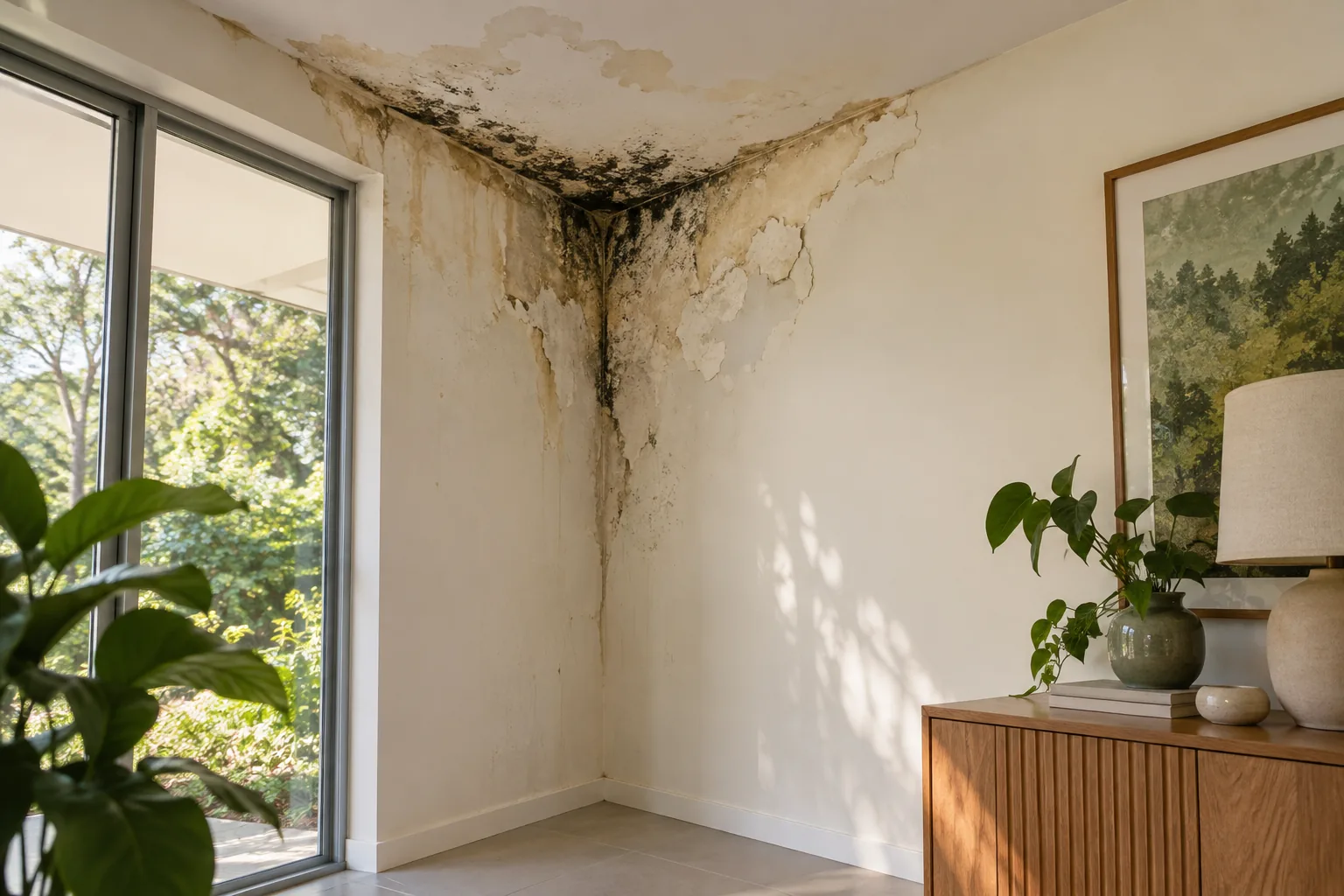
Ceiling corners
Record roof-repair information and changes after rain where observed. One old photograph may not show current material condition.
Floor areas
State the hard-floor material and any known water exposure. Carpet and stored textiles need a separate handling plan.
MAKE SPACE FOR DRYING
Keep the source and the surface in view
After repairs and treatment, include the room in ordinary maintenance rather than checking only before guests arrive. Keep the original areas visible where practical and take comparable photographs if changes occur.
Review ventilation and adjoining wet-room moisture removal without treating low occupancy as a diagnosis. If a building defect is identified, arrange the appropriate repair. A room that continues to become damp needs the source revisited rather than repeated cleaning based on the same uncertain assumptions.
SMITHS GULLY & NEARBY
Nearby location guides
If the enquiry concerns a different nearby address, use its guide to keep the room description and access arrangements specific: St Andrews, Panton Hill, Cottles Bridge.
QUESTIONS WORTH ASKING
Before the visit.
What if I cannot say when the patch started?
Say that plainly. Present observations and available repair records are more useful than an invented date.
Does an unused room mean ventilation caused mould?
Not necessarily. Room use is context; water entry, plumbing and material condition still need consideration.
Should I empty every cupboard immediately?
Discuss preparation first so access can be arranged safely and only the relevant areas are disturbed.
Can affected upholstery be treated with the walls?
Upholstery is textile material and excluded from the stated surface service. Its handling requires separate consideration.
Will inspection reveal every hidden area?
No. Accessible observations have limits, and concealed questions may need another authorised investigation.
Can a Smiths Gully visit be promised now?
Provide the exact address and room-access details by phone so suitable availability can be confirmed.
START WITH YOUR ROOM
Talk through the room in Smiths Gully
Phone 03 8652 1296 with the address, room layout and last known maintenance information. We can discuss what is visible, what remains uncertain and the appropriate preparation before confirming availability.
Useful references: Nillumbik — townships and villages