
ST ANDREWS · MELBOURNE
Mould Removal St Andrews
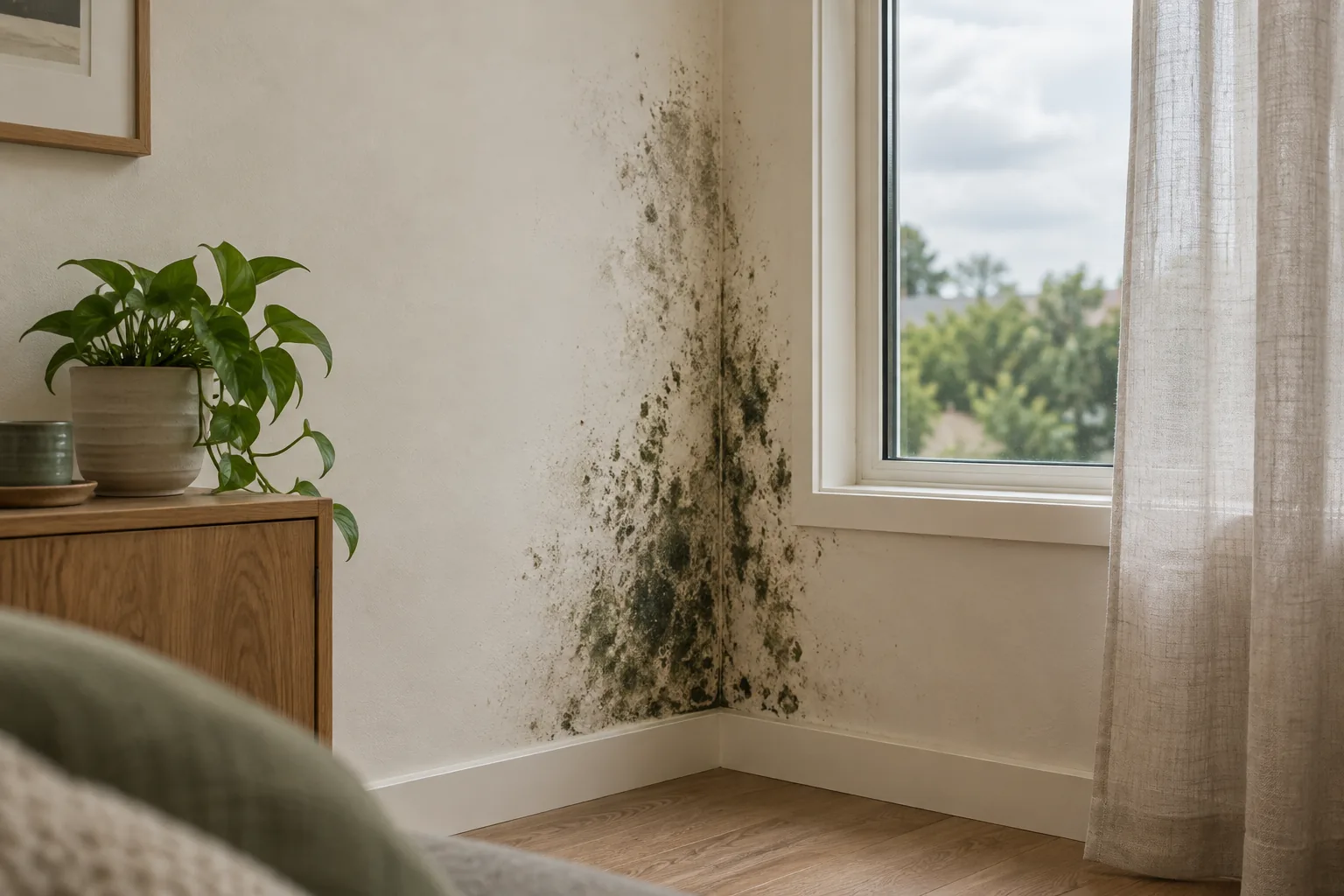
For a St Andrews property containing a living area and a separate workroom, keep each affected space clearly identified. Everyday room use, plumbing and access can differ even at one address. We can discuss visible accessible surfaces and suitable preparation, identify when inspection is useful and check appointment availability without treating every building or stored item as part of one assumed removal job.
Separate building descriptions
Material-aware surface work
Agreed equipment access
Rooms · Finishes
THE HOME, IN CONTEXT
Living areas and workrooms need separate records
Nillumbik describes St Andrews as a rural township. Its township plan also distinguishes the township from the surrounding district, making a full street address and clear building description useful when discussing a property enquiry.
Name the actual use
Explain whether the marked space is a bedroom, bathroom, office or workroom. This is a description of your property, not a claim about local building stock. State which surfaces are visible and whether normal activities can be paused for access.
Keep domestic and work items distinct
Identify furniture, paperwork, equipment and stored fabrics before discussing removal. The service enquiry concerns suitable accessible surfaces; it should not imply specialist treatment of tools, stock, machinery or every personal belonging.
INSPECTION & MOISTURE
Do the rooms share a moisture source?
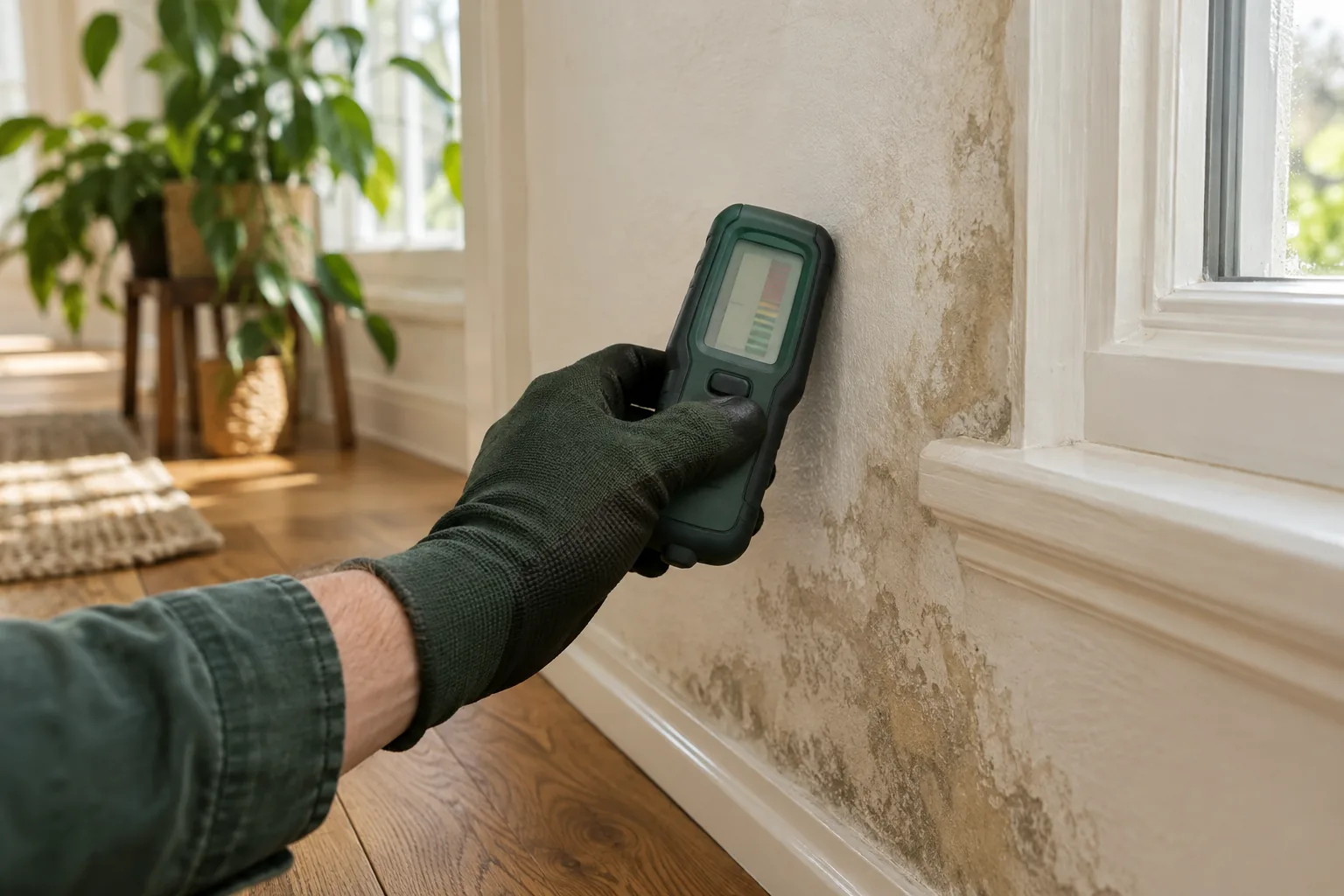
A practical assessment needs a material and water-history record for each room. Location alone cannot establish whether two areas share a moisture source.
Compare the different triggers
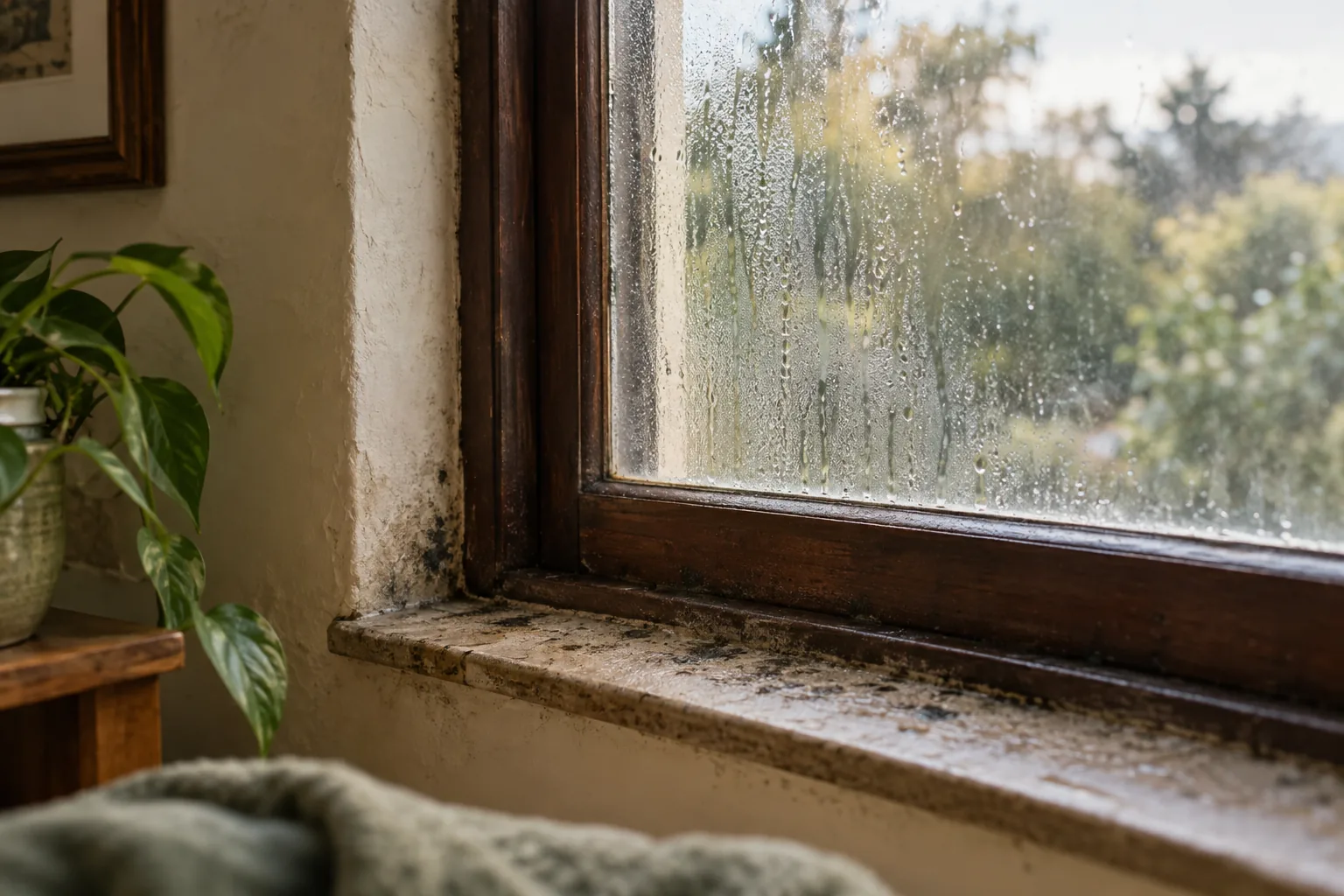
Describe dampness following room use, washing equipment, rain or a known leak without assuming which caused the growth. Include repair dates. If observations differ between buildings, keep them separate rather than applying one explanation to the whole property.
Ask a defined inspection question
Discuss inspection where the source or condition is uncertain. Ask whether accessible findings can inform treatment now, and identify any building or plumbing question that needs another professional’s investigation. For a room used for both work and living, explain when ordinary activities can pause and what remains fixed. That supports practical assessment of the exposed surfaces without assuming the service will handle specialist equipment or private documents. The access arrangement should be understood by whoever opens the room on the day.
A CONNECTED PROCESS
A work plan for the affected surfaces
Agree the included rooms
Confirm accessible walls, ceilings and hard floors, including finish condition. Textiles are excluded. A workroom label does not create a specialist industrial service or automatically extend the scope to equipment and materials stored inside.
Plan entry and preparation
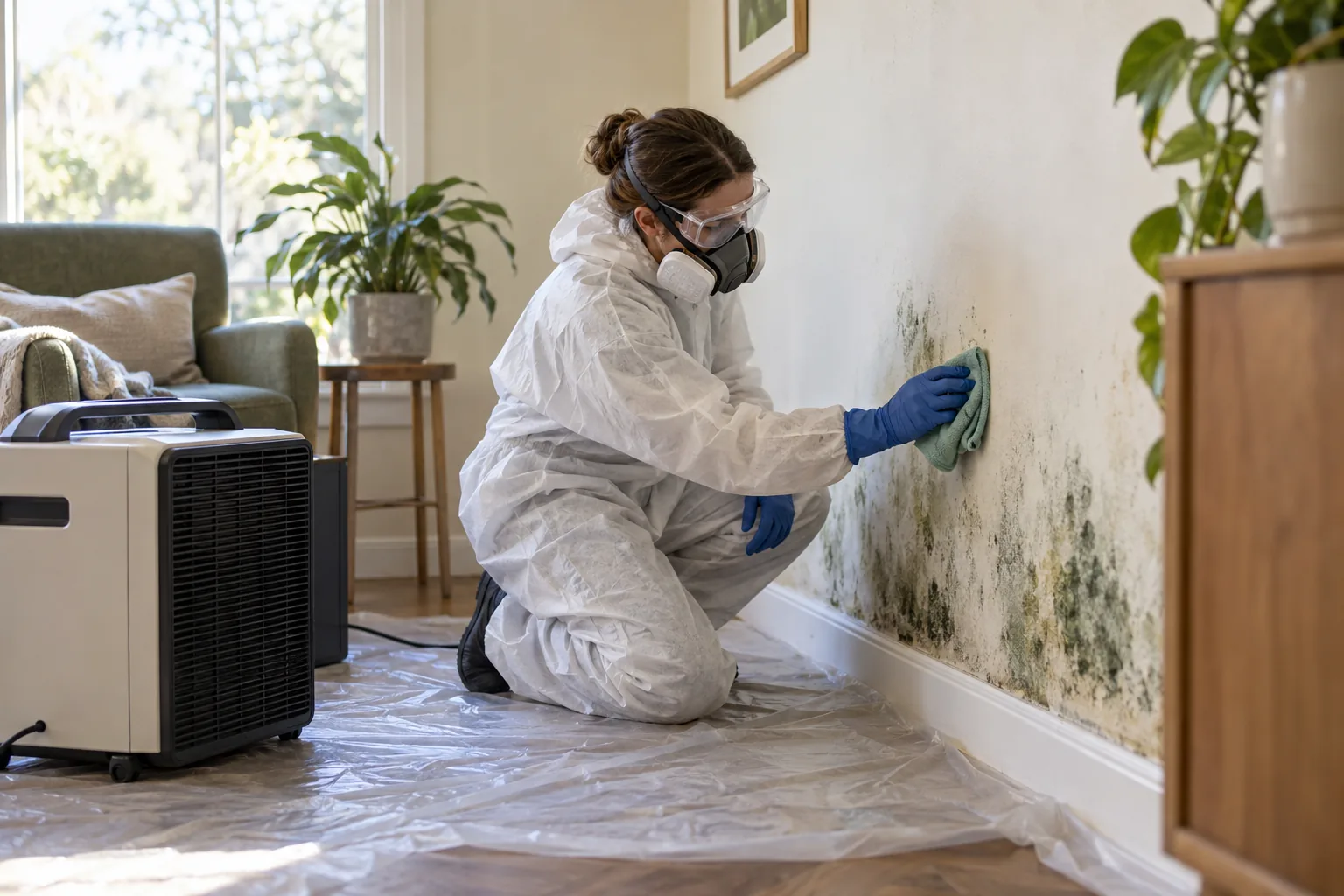
Explain the route, room access and activities that must pause. Agree who prepares belongings and any heavy items. Suitable protective equipment and protection should follow the task, with access resolved before the appointment.
Organise the reachable work zone
Discuss HEPA filtration for the agreed area and where fixed equipment limits access. Connections, hazardous materials or dismantling require appropriate separate arrangements; none should be assumed to be ordinary preparation for visible surface treatment.
Remove and treat the suitable finish
Physical removal and material-appropriate treatment address accessible growth. The remediation plan can identify damaged lining or other investigation needs without promising that cleaning repairs the building or restores every finish.
Review each area’s next action
Clarify staining, excluded surfaces and outstanding source repairs for each room. A clean wall in the workroom does not establish the bathroom’s moisture conditions. If growth returns, compare the relevant room record and pursue the unresolved source.
WHERE MOULD APPEARS
Give each surface its own description
Bathroom
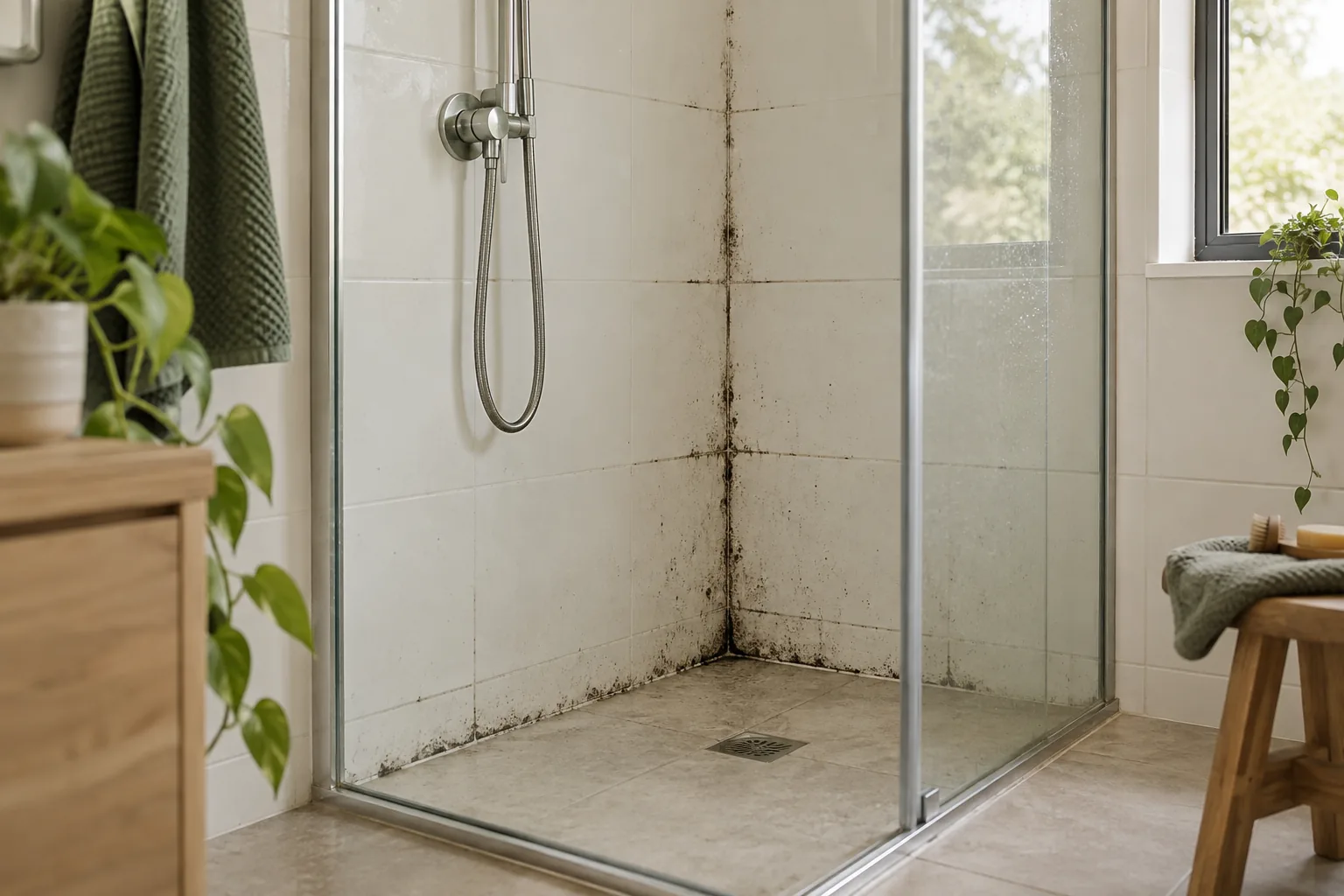
Describe extraction and shower-related patterns independently of the workroom. Shared timing or plumbing needs evidence rather than an assumption.
Painted walls
Mention coatings and any deterioration around equipment or furniture. Different finishes may require different treatment limits.
Ceiling
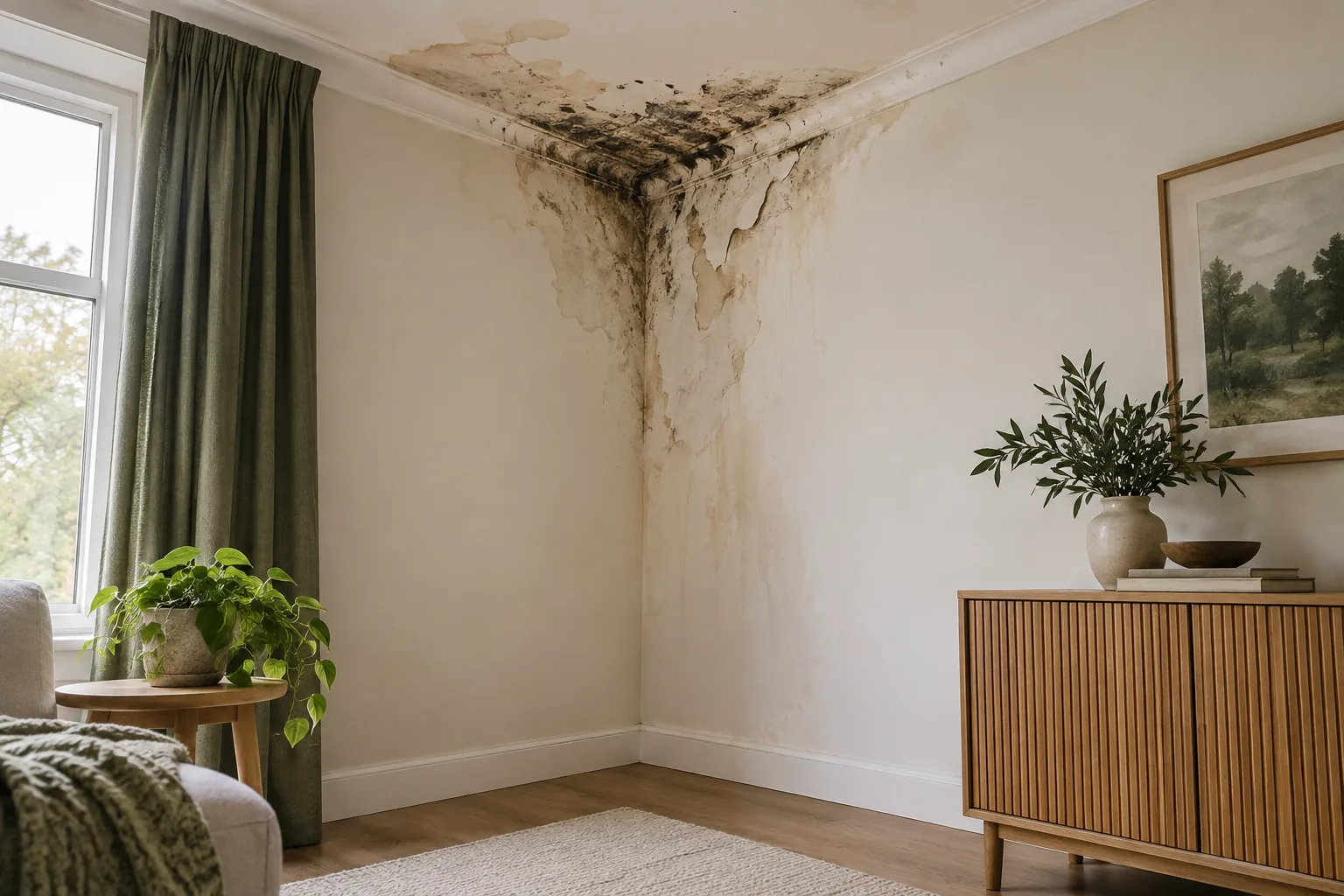
Show height and the location of visible water marks. The route to a surface affects the practical scope.
Hard floor
Identify the finish and any water exposure. Textiles, floor coverings made from fabric and stored materials remain separate.
MAKE SPACE FOR DRYING
Keep the source and the surface in view
After source repairs, keep a maintenance note for each included space. Check the same locations under ordinary use and record changes with dates. Do not let a combined booking erase the distinction between the rooms.
Use the appropriate ventilation and maintenance arrangements for each activity. Plumbing, roof and construction defects need their own repairs. Cleaning does not redesign a workroom or guarantee permanent prevention where dampness or damaged material continues.
ST ANDREWS & NEARBY
Nearby location guides
For a property closer to another listed locality, these guides provide separate enquiry contexts without changing the scope at your own address: Smiths Gully, Panton Hill, Cottles Bridge.
QUESTIONS WORTH ASKING
Before the visit.
Can a workroom be discussed alongside the house?
Yes, describe the spaces separately so suitable accessible work, materials and access can be considered.
Does that include specialist machinery cleaning?
No such product should be assumed. Explain equipment as an access issue and agree the surface scope clearly.
Why provide the full St Andrews address?
The rural township and surrounding district contain different addresses; practical entry and appointment availability need address-specific confirmation.
Are workroom textiles or stored stock included?
Textiles are excluded and other belongings need their own handling discussion, rather than automatic inclusion.
Could two buildings have different moisture causes?
Yes. Compare their observations and repair histories instead of selecting one cause for the property.
What should I have ready before calling?
The address, room list, material descriptions and activity or equipment restrictions help establish a useful enquiry.
START WITH YOUR ROOM
Talk through the room in St Andrews
Call 03 8652 1296 with the address and a clear house-and-workroom description. We can discuss accessible surfaces, preparation and whether an appropriate appointment is available.
Useful references: Nillumbik — townships and villages · Nillumbik — St Andrews township plan