
SPACE · AIRFLOW · SURFACES
MONTMORENCY · MELBOURNE
Mould Removal Montmorency
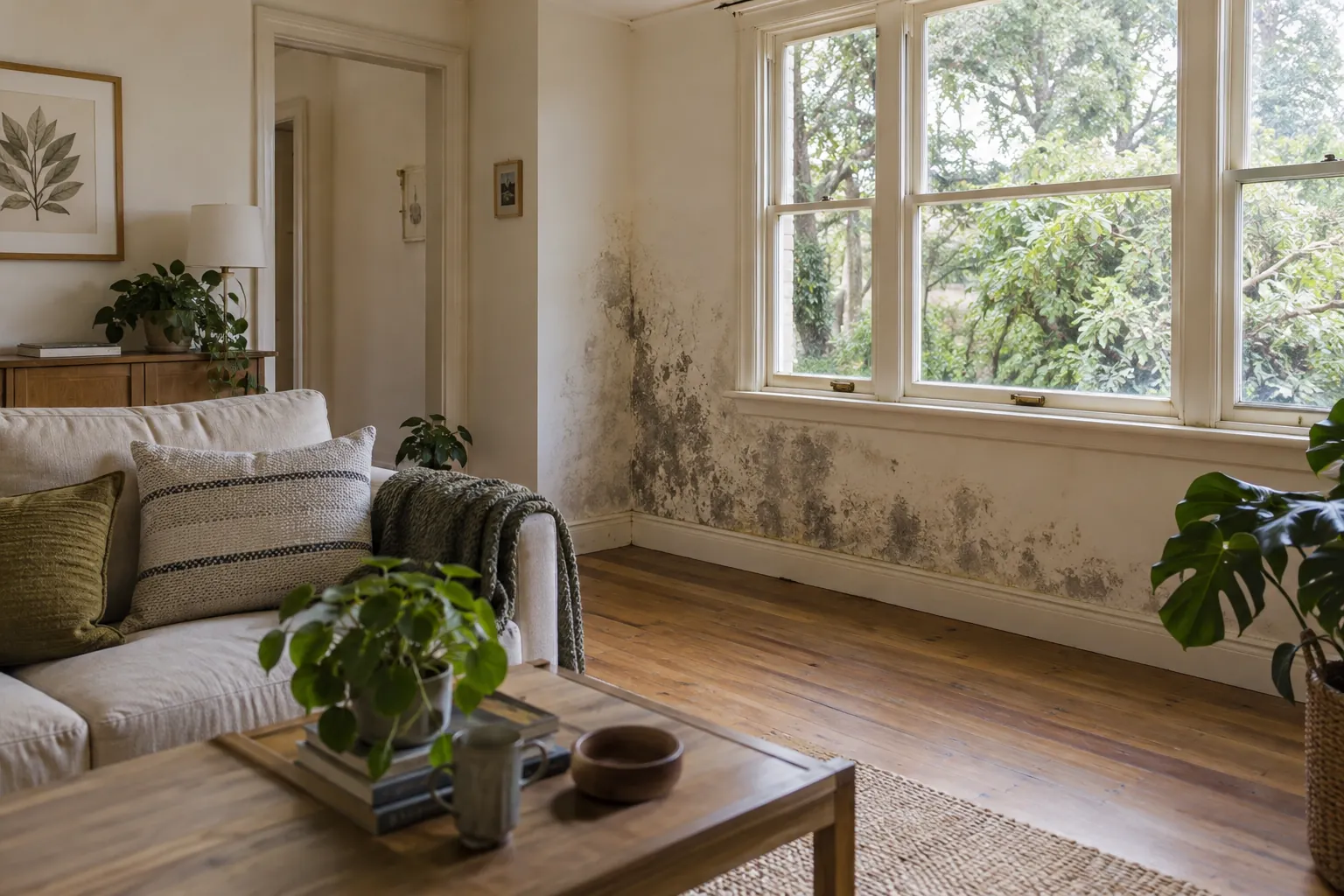
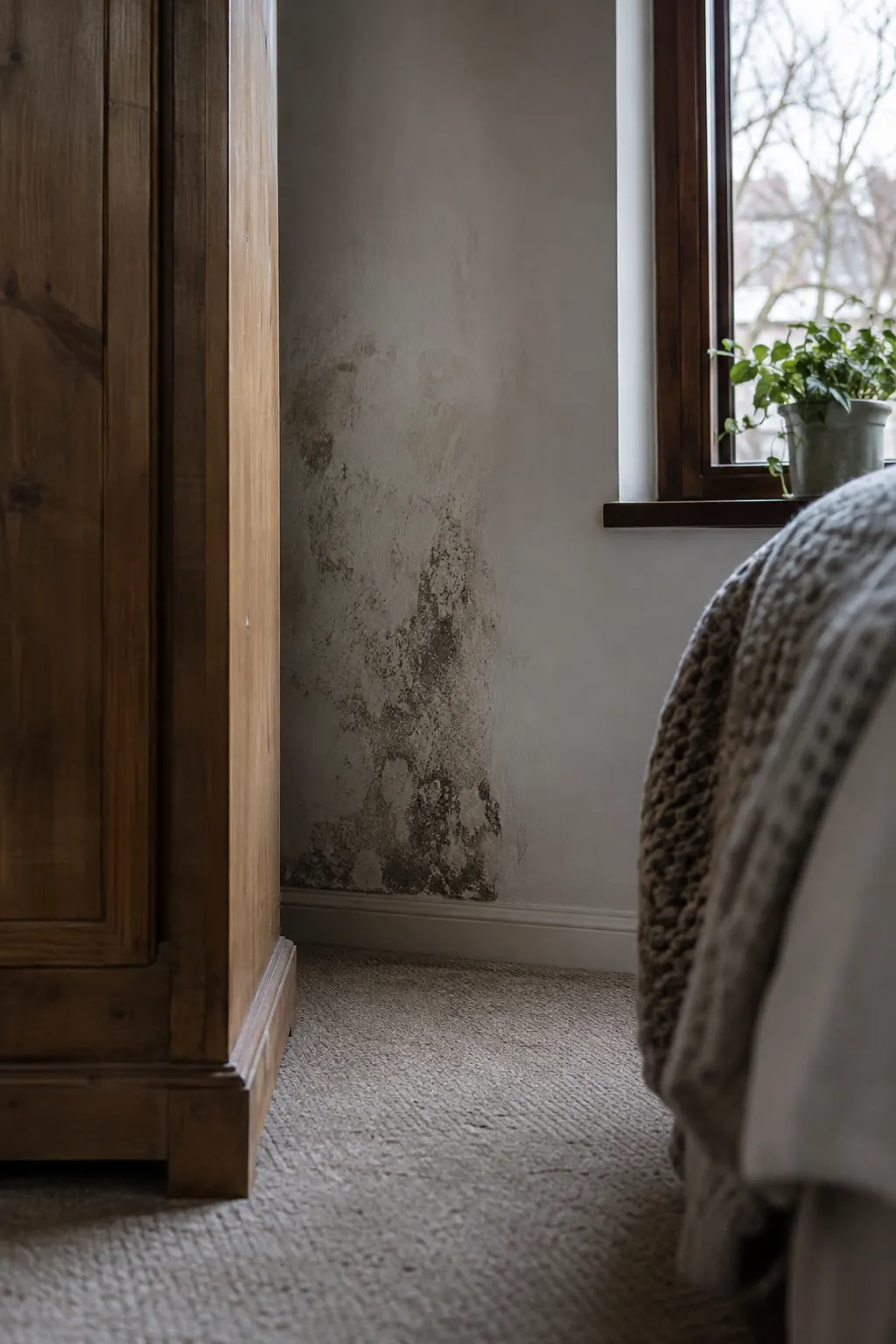
Moving a wardrobe can reveal a wall you have not seen for years. If you find mould in your Montmorency bedroom, explain the obstruction, the finish and any signs of dampness before deciding how the area should be assessed.
Furniture access planned
Visible wall condition assessed
Moisture follow-up discussed
THE ROOM TELLS A STORY
Behind the furniture.
Beyond the first mark.
Montmorency appears in Banyule’s locality information. For a bedroom enquiry, the useful distinction is between the day a patch was discovered and when the wall may first have become damp. Long-standing furniture can hide the evidence, so an exact start date is often unavailable. Describe that uncertainty rather than guessing.
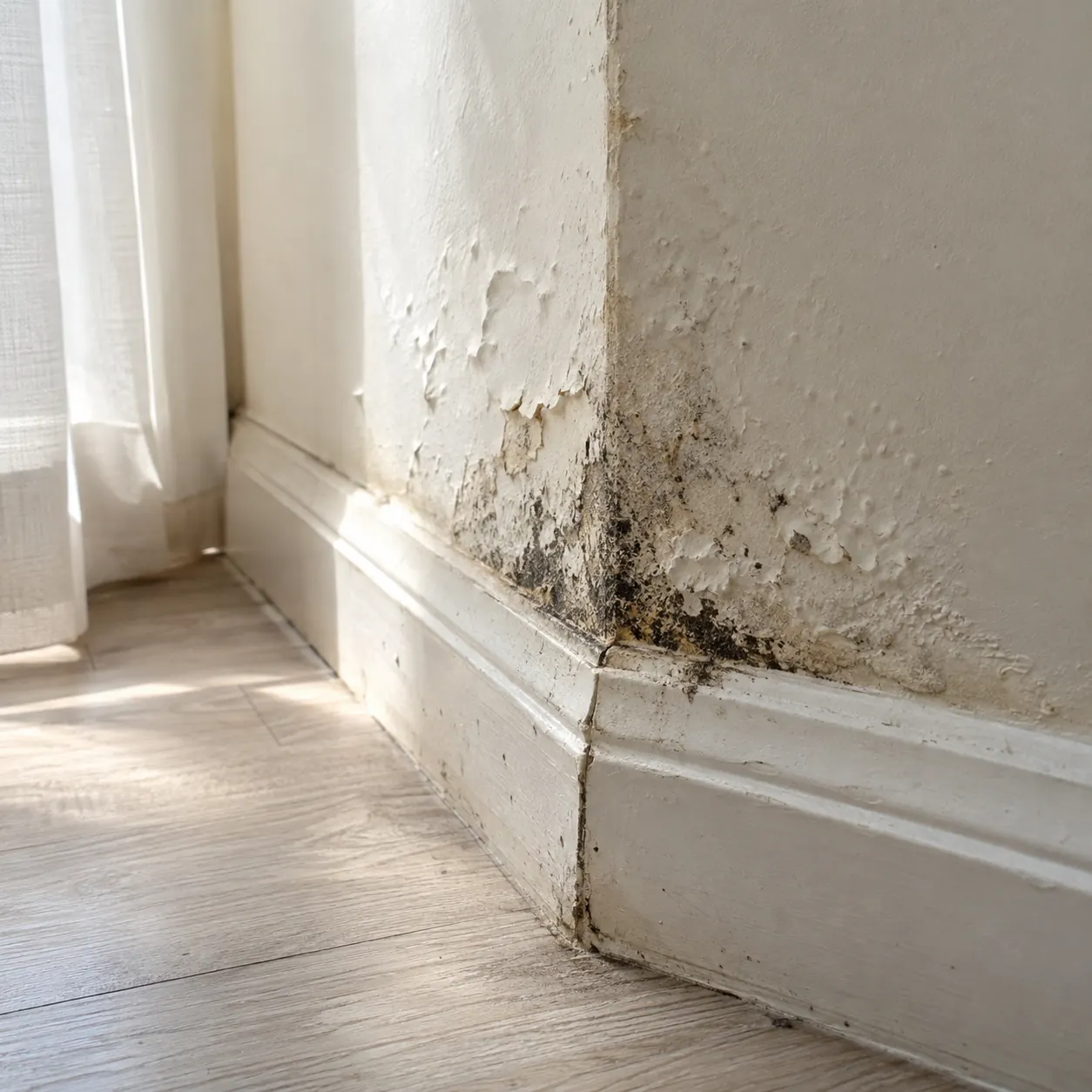
Look at the visible edges around the wardrobe, the nearby window and the exposed wall. Are the marks confined to the covered space? Has paint lifted at the skirting? Photographs from a safe position help explain both the condition and the access needed for mould inspection.
UNDERSTANDING MOISTURE
A covered wall
needs a closer look.
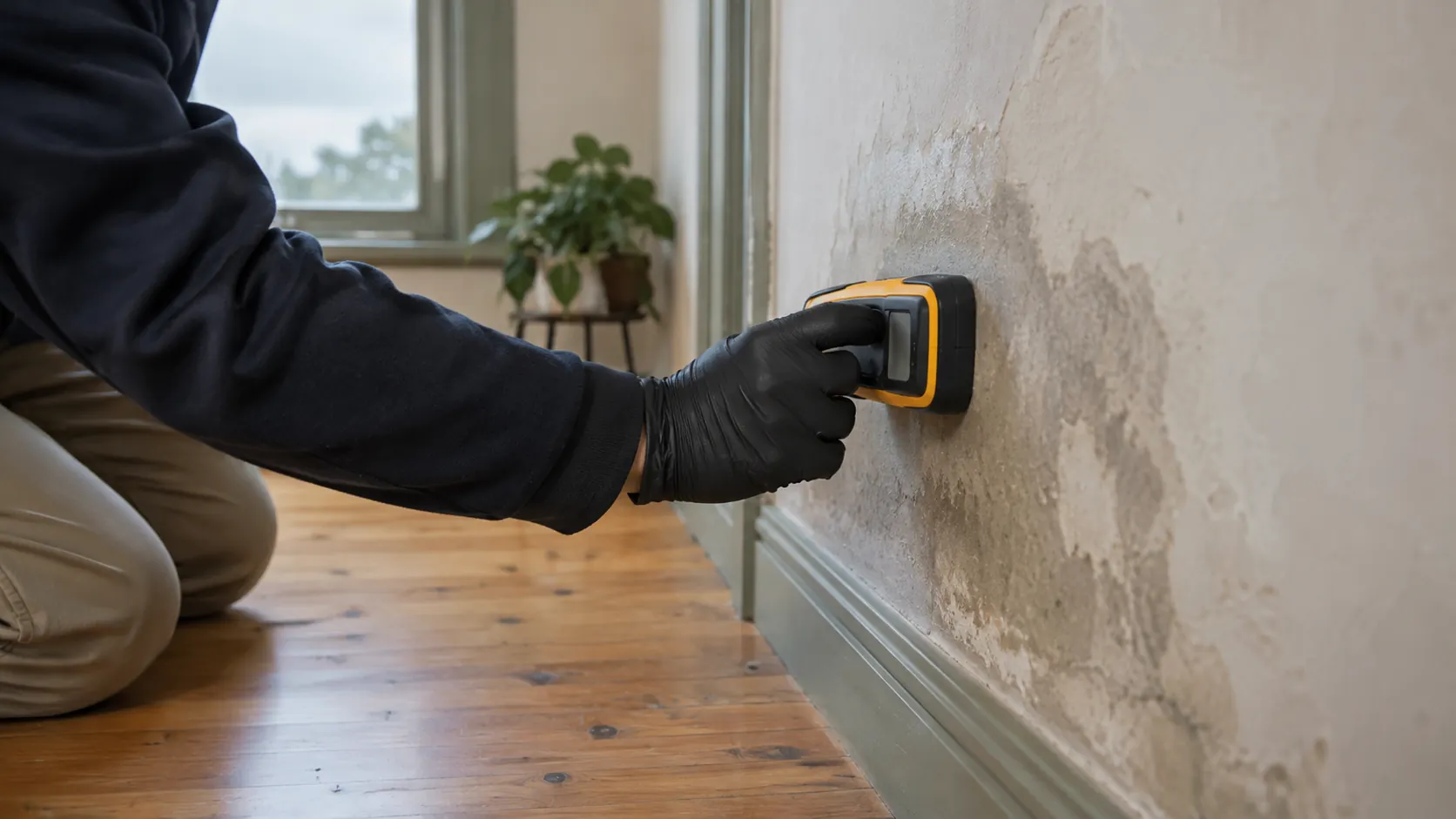
A cooler pocket
Furniture placed tightly against an outside wall can restrict air movement. A patch behind it may suggest slow drying, but that observation alone does not exclude a leak. Compare the covered area with accessible surfaces in the same room.
The window connection
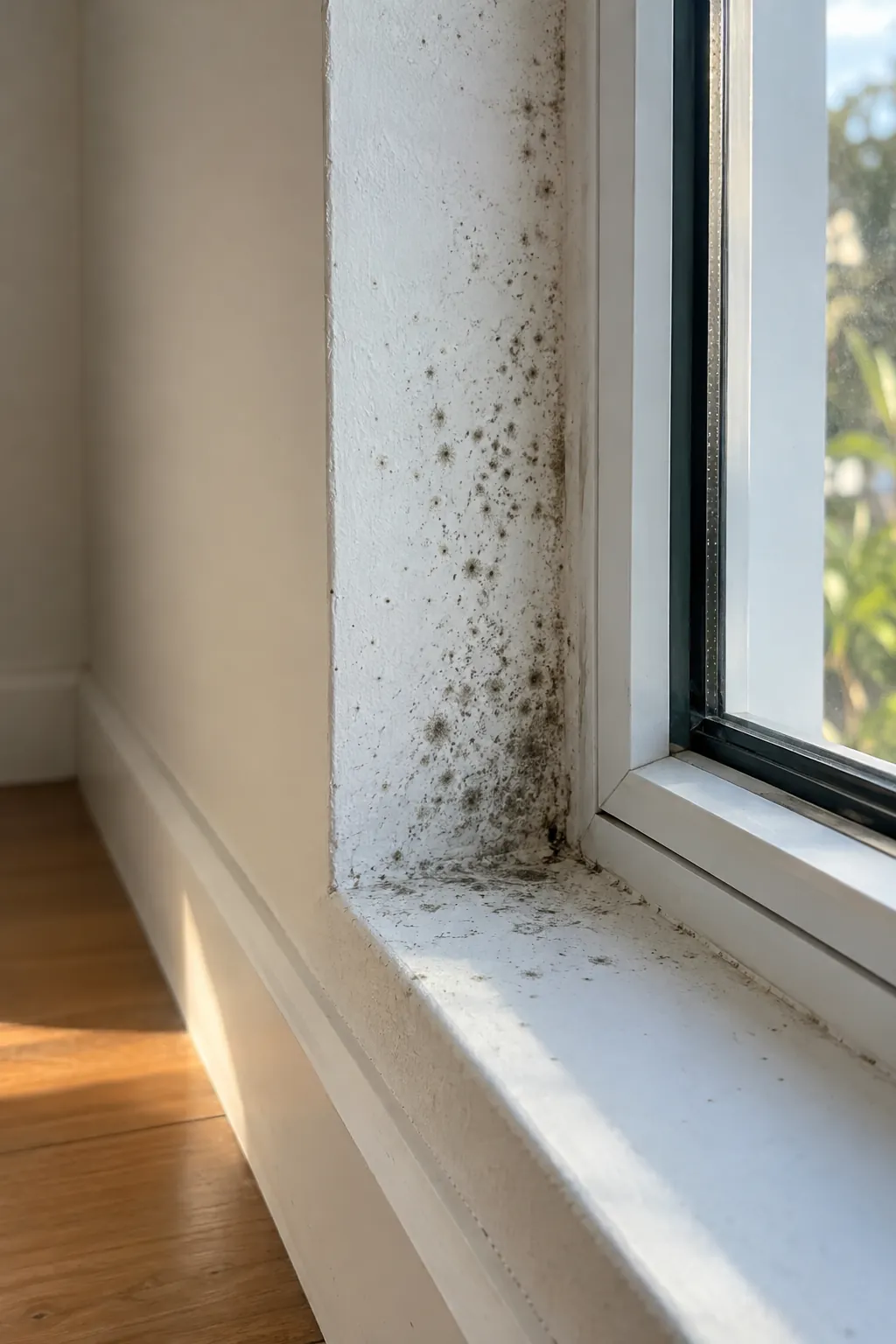
Make a note when droplets collect on the glazing or frame. Check whether dampness also reaches the reveal or wall below. Condensation near a wardrobe and water entering through a faulty frame can require different follow-up.
The material underneath
Sound paint, swollen timber and weakened plaster are separate conditions. Accessible moisture checks contribute to assessment, but cannot provide a complete picture inside a closed wall. Tell us about any earlier repair or fresh coating that may obscure its history.
OUR REMOVAL PROCESS
Make room
for assessment.
Record the covered space
Note how long the wardrobe has stood there and any condensation noticed elsewhere. You may not know when the patch began; that is useful information to retain rather than a gap to fill with guesswork.
Decide who moves what
Agree the furniture movement before the visit, including where it can safely stand during work. Explain fixed units or fragile contents that could change the accessible scope.
Plan the room afterwards
Keep a view of the treated area where practical. Ask about remaining damage, moisture follow-up and the placement of belongings before returning the bedroom to its previous layout.
01
Clarify the obstruction
Describe the wardrobe’s size and whether it is freestanding or fixed. Agree which wall areas can be reached for surface removal. An unseen section should not be silently included in the quoted scope.
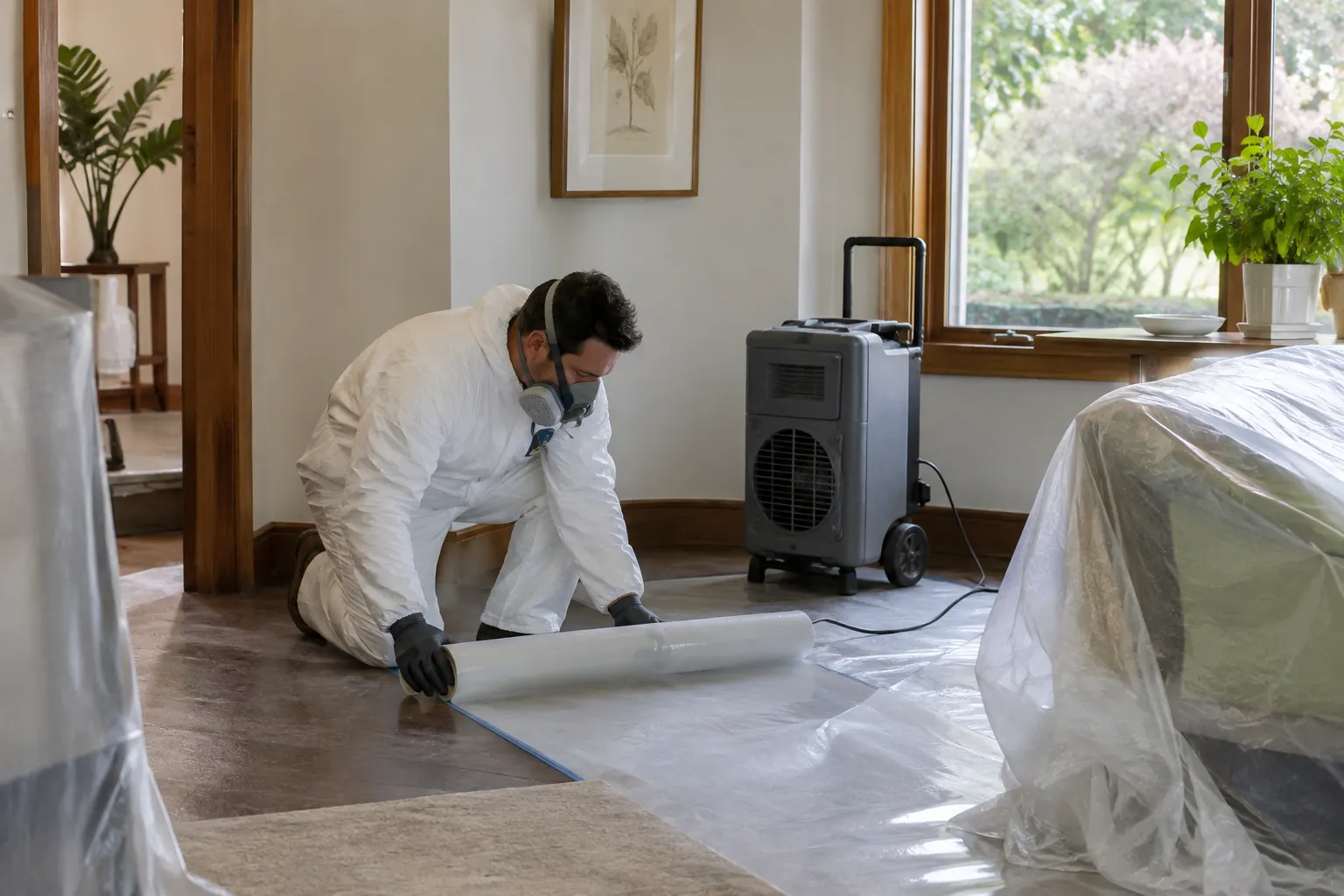
02
Set up around the room
Confirm who will move bulky furniture and where it will go. Protecting belongings and bringing equipment into a bedroom need practical space. Raise narrow doorways, fragile flooring or items that cannot be moved during the booking conversation.
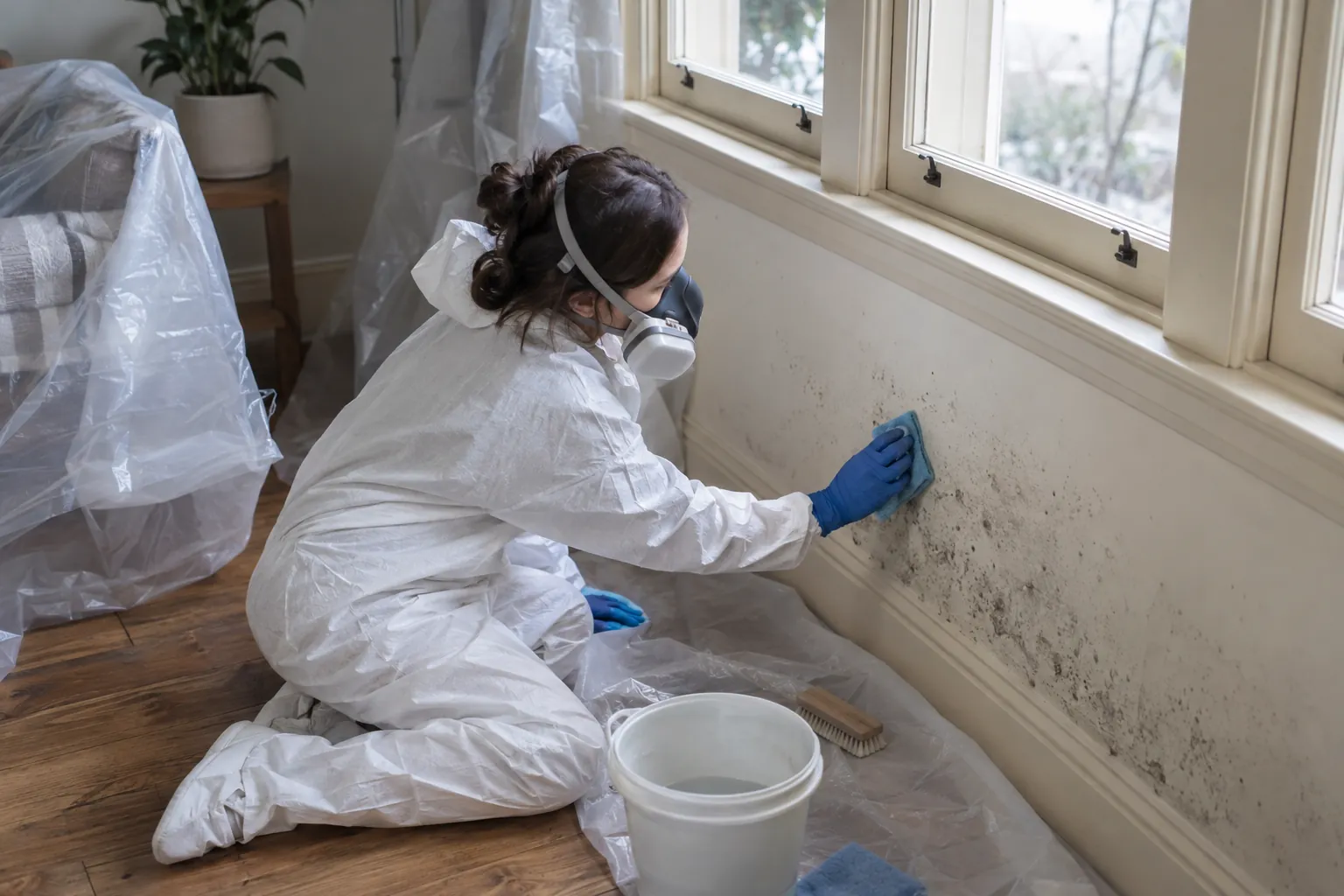
03
Check what remains
Review accessible treated surfaces and discuss any damaged finish. The remediation process also considers unresolved moisture and material decisions. Restoring furniture to the same cramped position is a separate choice from completing removal.
COMMON AREAS AFFECTED
Check the bedroom.
Compare other rooms.
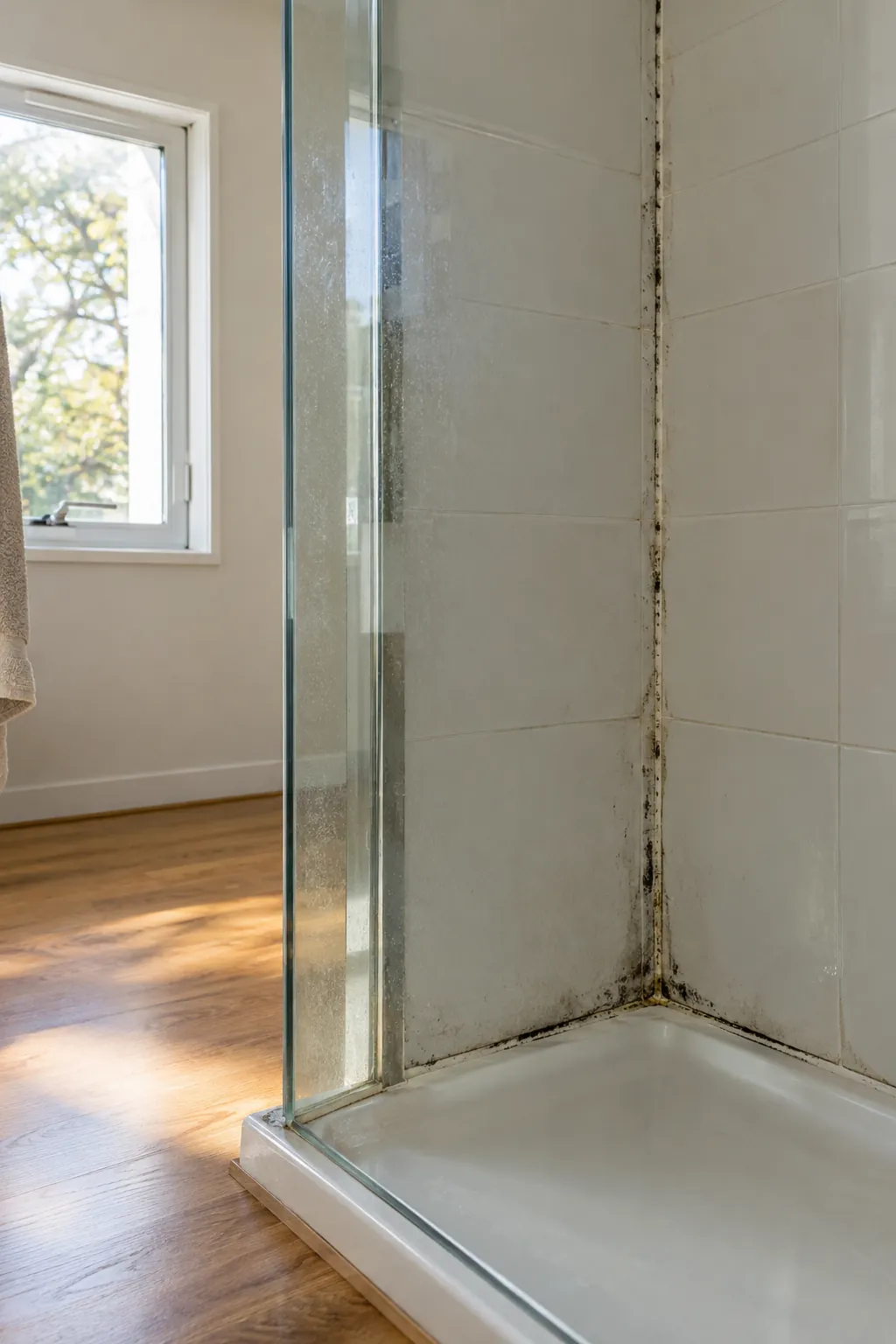
Shower surfaces
Recurring shower moisture offers a useful comparison when the bedroom window also stays wet.
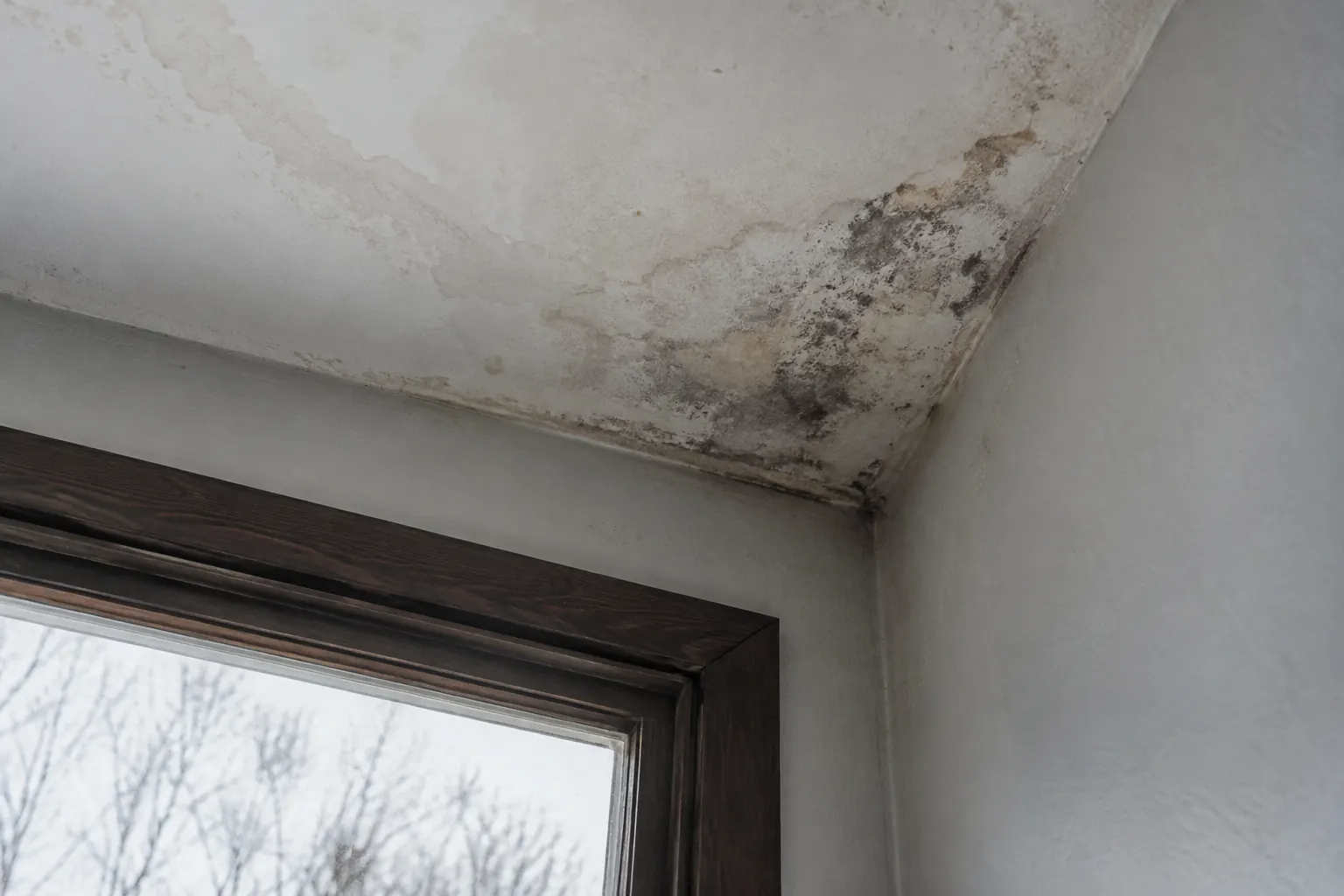
Overhead marks
A ceiling stain above the wardrobe needs its own history, particularly if it changes after rain.
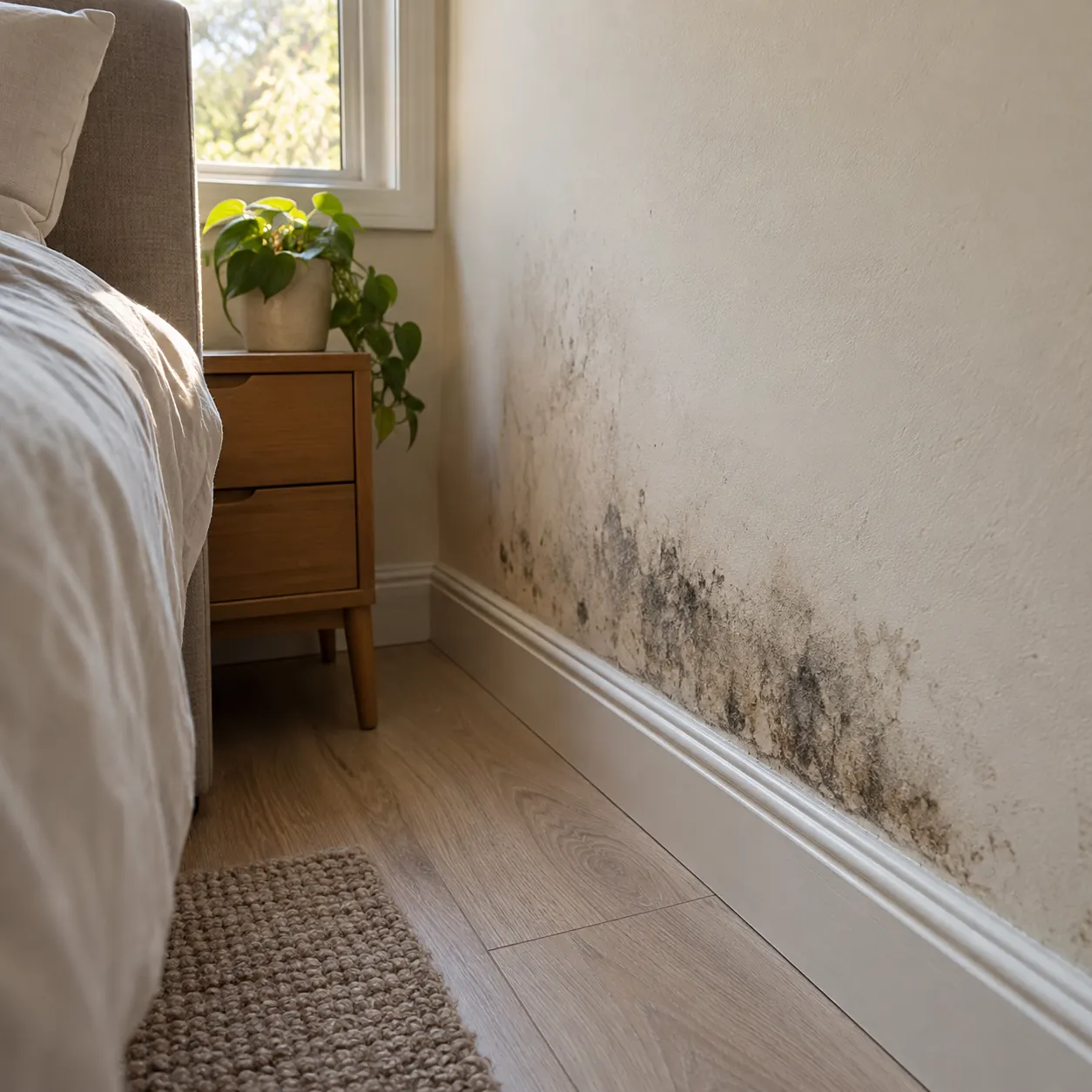
The hidden finish
Record the affected wall before moving belongings back; later comparison will be easier.
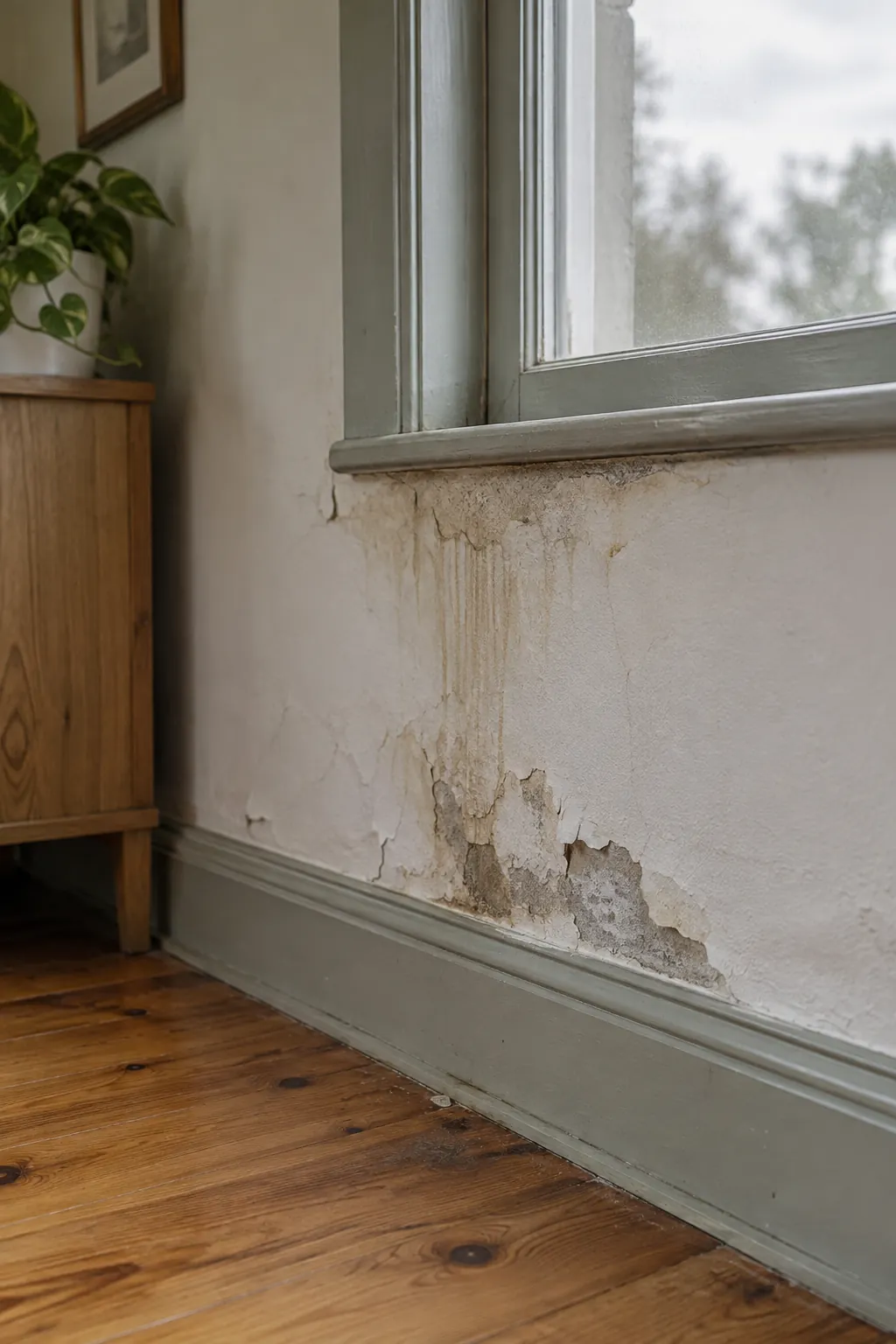
Deteriorated edges
Bubbling paint or soft skirting beside the patch may call for investigation beyond cleaning.
PREVENTION STARTS WITH
Give the wall
some breathing room.
Keep a practical gap
Where the room allows, avoid pressing bulky furniture tightly against a surface that has stayed damp. There is no universal gap that guarantees a result. The aim is to improve access and airflow, then watch whether the wall dries under ordinary use.
Do not lose sight of the patch
Keep a dated photograph and make the next check easy. If mould returns despite changed furniture placement, investigate the remaining moisture clues. Repeated growth, fresh water staining or a deteriorating finish deserves follow-up rather than repeated repainting.
MONTMORENCY & NEARBY
Montmorency and
connected local guides.
For nearby household enquiries, explore the Lower Plenty guide and Eltham guide. When calling about Montmorency, provide the actual street and explain furniture access. These details help confirm availability and whether a visit can assess the relevant wall.
BEFORE YOU CALL
Before the
wardrobe moves.
Should I move a heavy wardrobe by myself?
No need to take that risk for a photograph. Explain the obstruction and agree who can move it safely. Fixed furniture may require a different access arrangement.
Does the discovery date tell us how old the mould is?
Not if the wall has been hidden. Give the date you first saw it, while explaining how long the furniture was in place and any earlier moisture signs.
Can the back of the wardrobe be included?
Mention it separately. Timber, board, fabric and the painted wall can need different decisions; assessment of one surface does not include the furniture or its contents.
Will an airflow gap stop all future growth?
It may help a slow-drying pocket, but it cannot repair a leak or guarantee the wall will remain unaffected. Watch the room’s actual moisture pattern afterwards.
What if the cupboard smell remains after the wall is cleaned?
Discuss affected contents and any concealed or damp materials. A smell cannot identify a species or prove where growth is located; further assessment may be appropriate.
Which photos help the first phone call?
Show the wardrobe in the room, the visible wall edges and a closer view of the patch. Avoid dismantling or disturbing the finish just to obtain a better image.

TELL US WHAT YOU CAN SEE
Start with the
wall you can see.
Call 03 8652 1296 with the room details, furniture obstruction and moisture history. We can discuss access and the next assessment step for your Montmorency address.
Local context: Banyule locality information