
TEXTURE · CONDITION · CARE
ELTHAM · MELBOURNE
Mould Removal Eltham
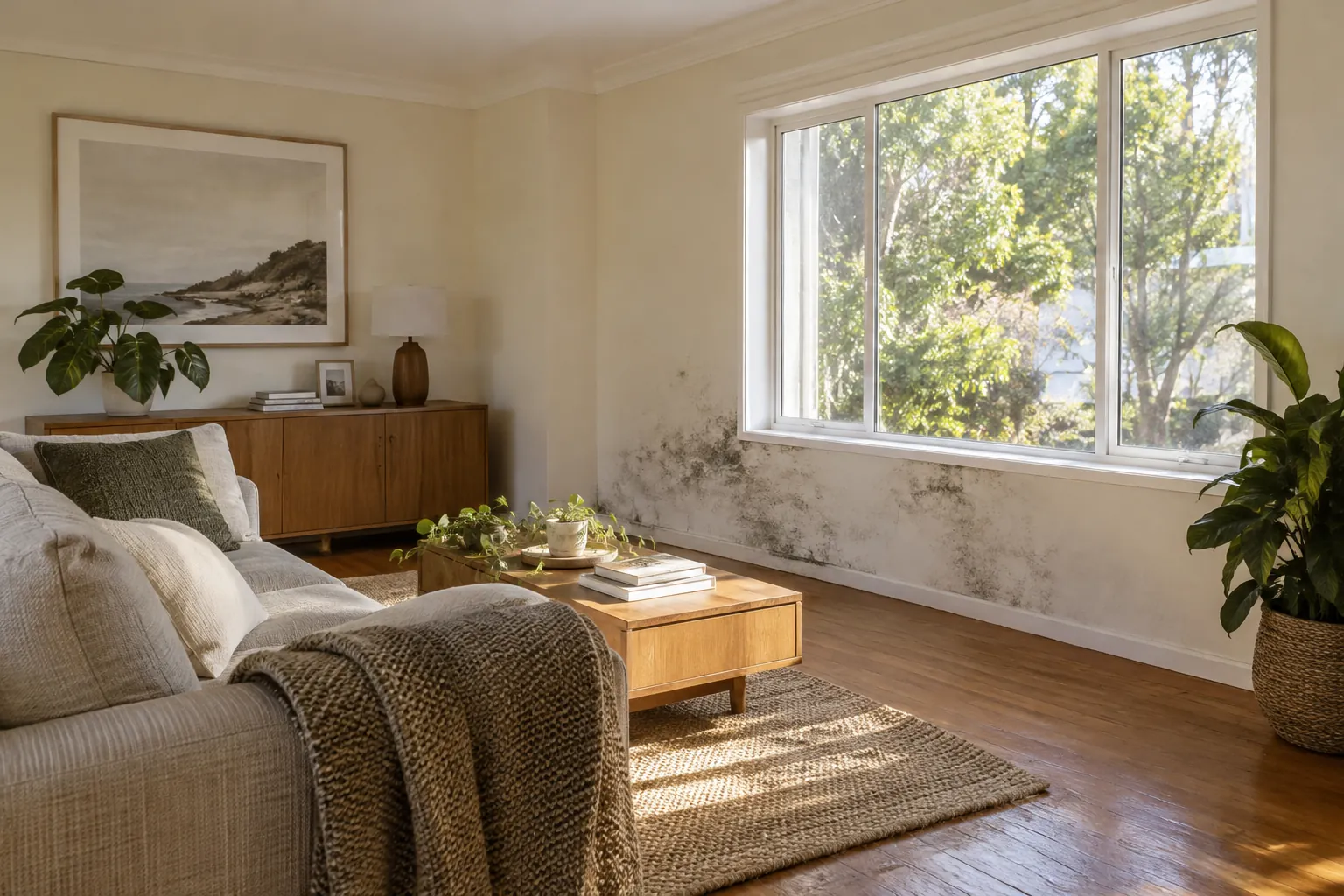
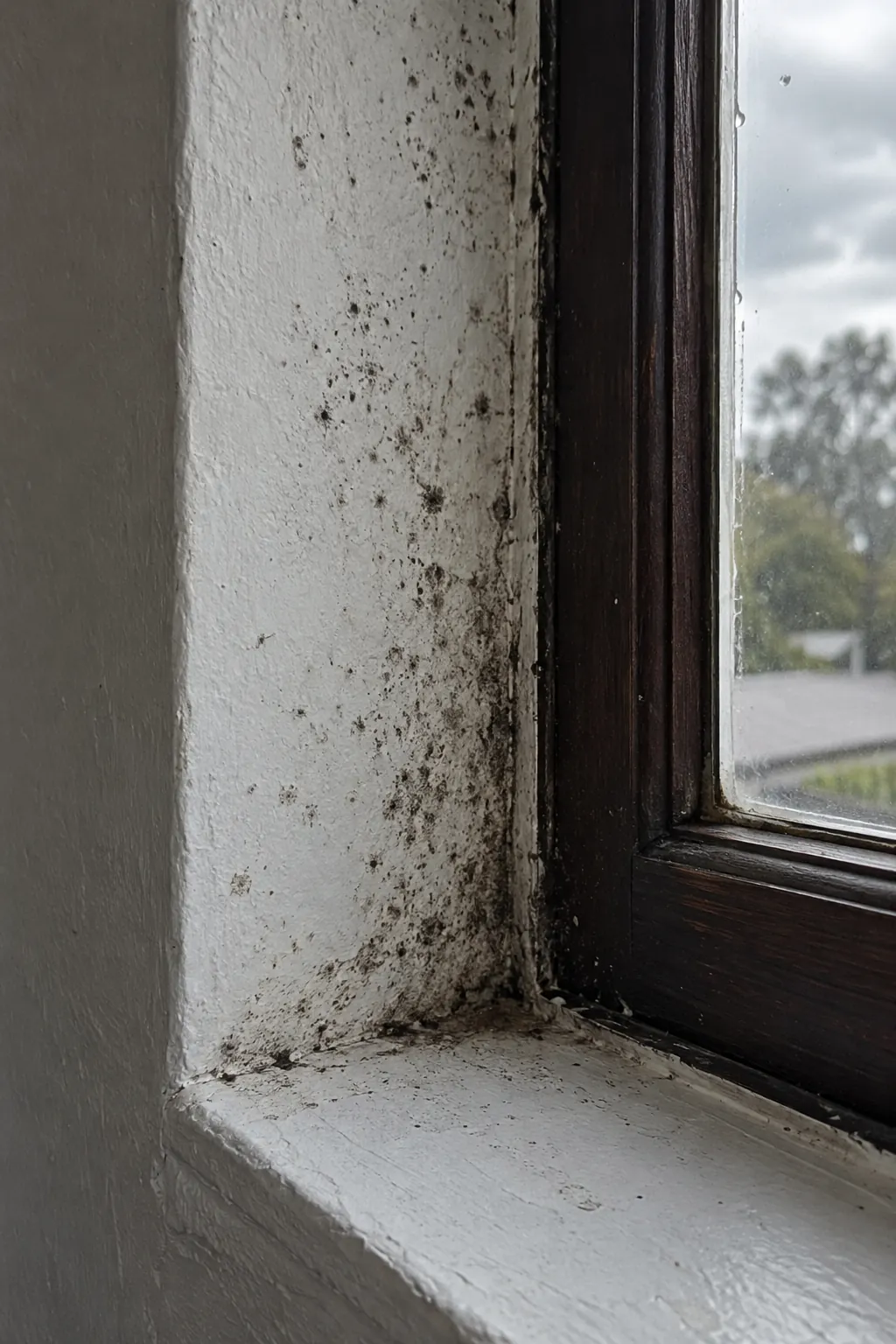
A textured wall can make the edge of a mould patch difficult to read. For an Eltham enquiry involving an unusual finish, tell us what the coating is, how firmly it is attached and whether dampness has changed its appearance.
Finish identified before work
Delicate surfaces discussed
Removal limits made clear
THE ROOM TELLS A STORY
The finish
changes the decision.
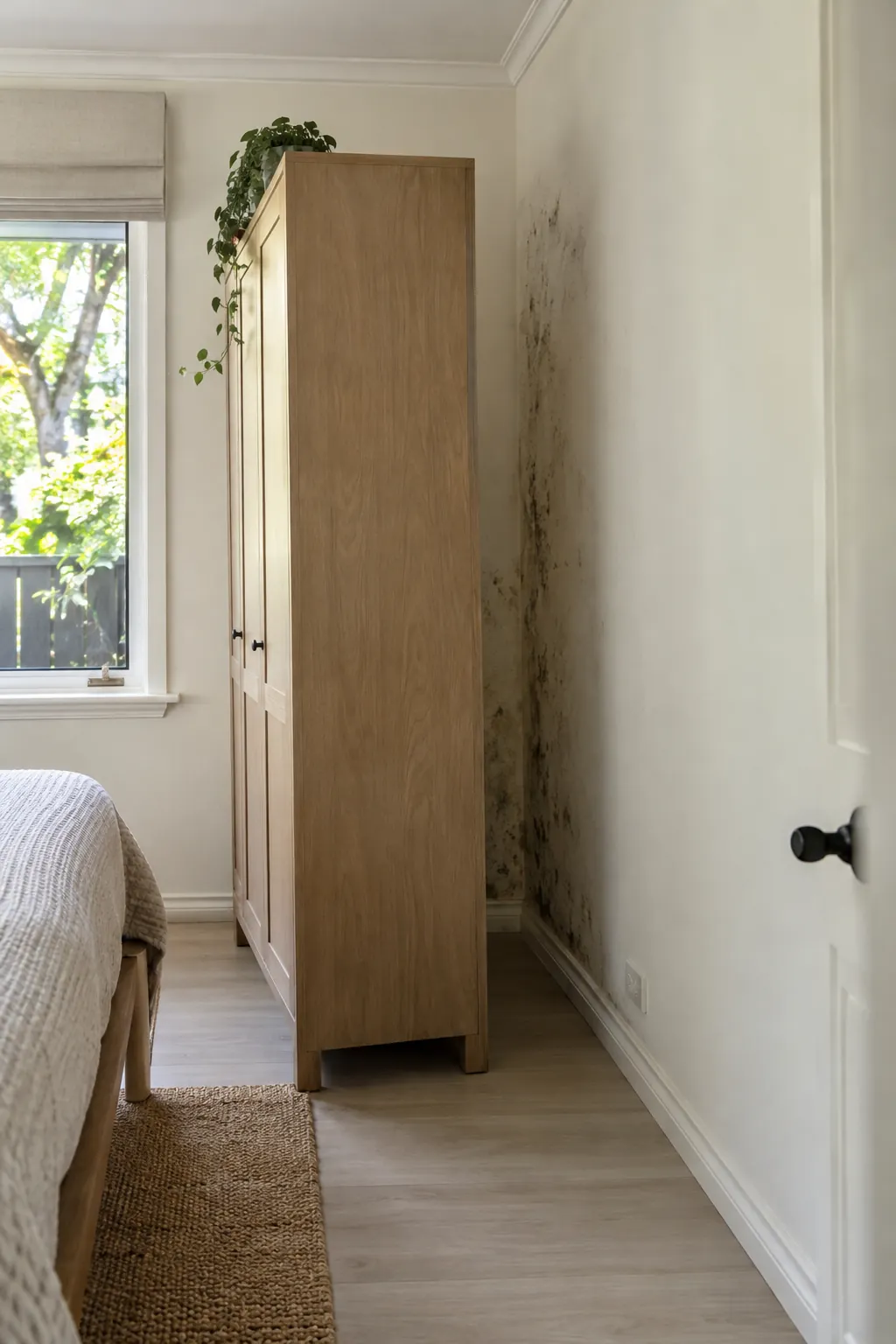
Eltham is one of Nillumbik’s key centres. Inside a home, however, a plain painted board and a textured decorative wall present different surface questions. If a patch follows ridges or recesses, record that shape and any loose material. Do not assume the whole coating is sound because part of it looks intact.
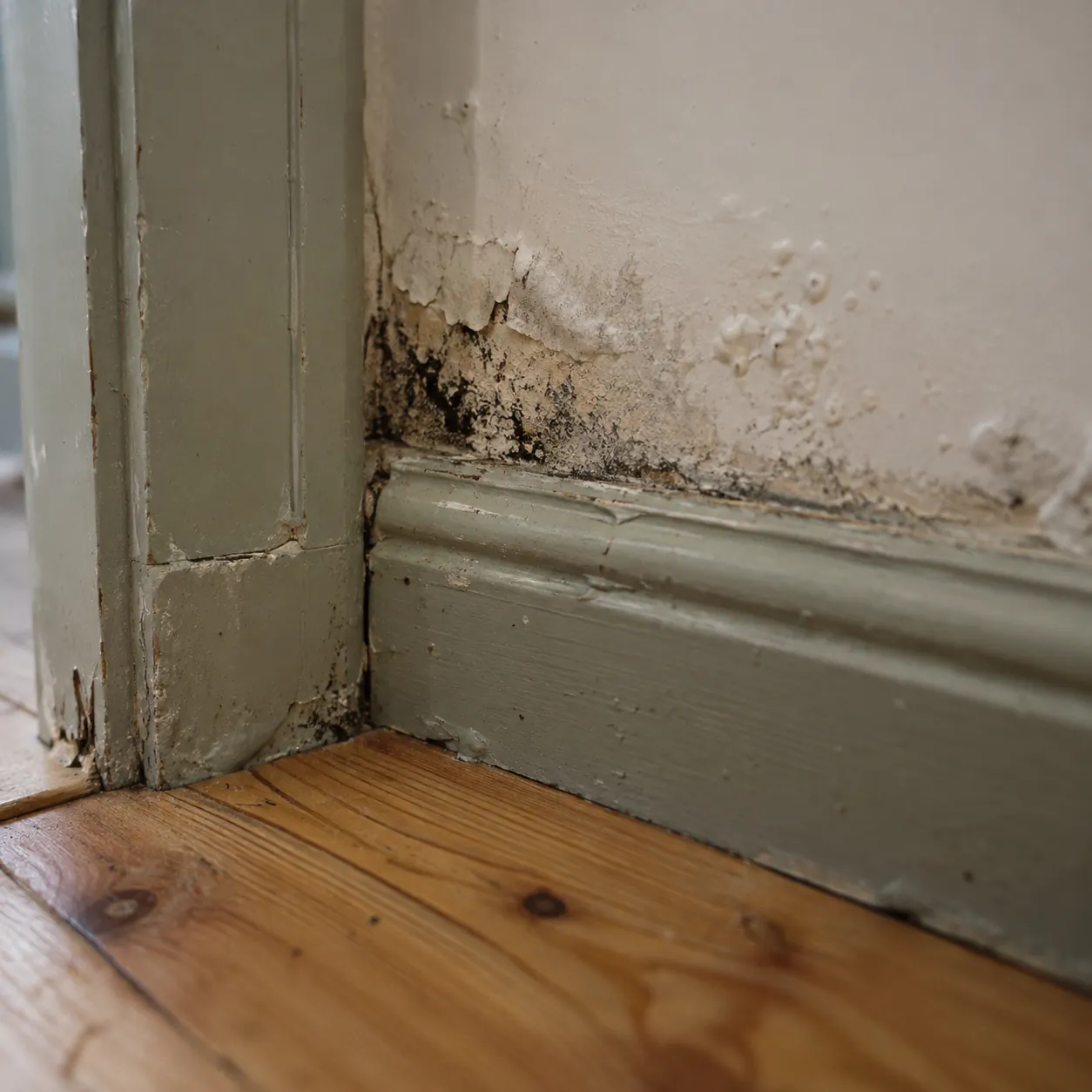
Tell us whether the finish was installed recently or has been repaired before. A coating description, wider room image and close photograph can support an initial discussion of inspection. Where its composition or condition is uncertain, additional specialist advice may be needed before any disturbance.
UNDERSTANDING MOISTURE
Look at water.
Respect the coating.
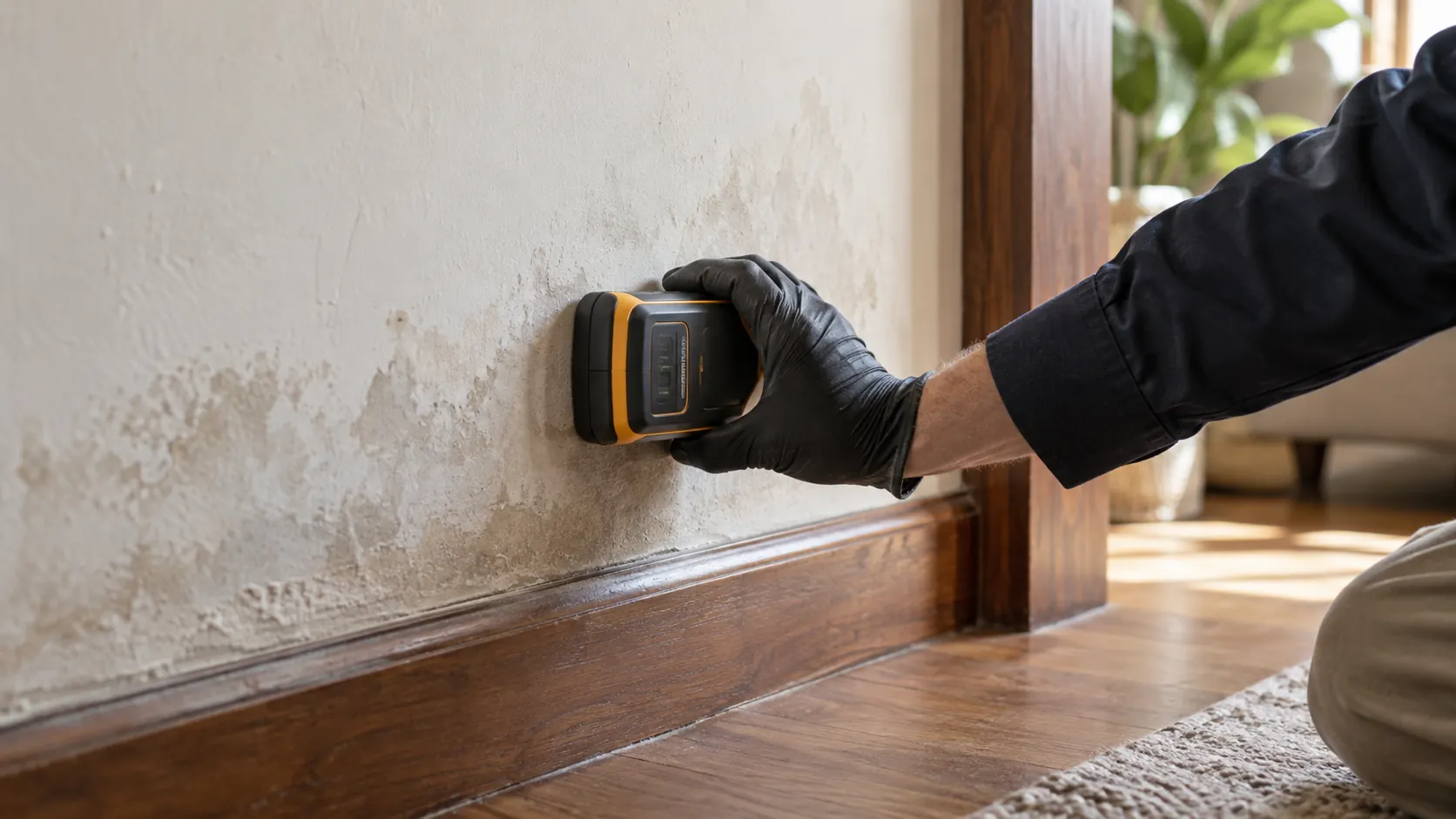
Wet recesses
An uneven finish can make remaining dampness less obvious. Notice whether recessed areas stay dark after the surrounding wall dries. This observation is useful, but should be considered with ventilation, room use and any nearby water source.
Changes in adhesion
Bubbling, cracking or detached pieces suggest a material issue alongside visible growth. Accessible moisture readings can assist assessment; they cannot establish the condition of every layer behind the coating. Leave loose areas undisturbed and describe them when calling.
The route of the water
If a mark grows after rain or beside plumbing, investigate that connection. Treating the face of a textured wall will not repair roofing, pipes or waterproofing. Source work and surface decisions should be coordinated rather than hidden beneath a new finish.
OUR REMOVAL PROCESS
Choose the method.
Keep the finish in view.
Find the finish information
Check renovation paperwork for the coating or material description. If it cannot be identified, say so; uncertainty may affect the proposed scope or need for additional advice.
Keep fragile details visible
Photograph loose edges and adjoining decorative features without touching them. Describe their location so preparation can protect the room without treating every surface as robust painted plaster.
Allow for restoration
Ask what residual staining or coating damage might require separate work. Source repair, removal and decorative restoration are different decisions, with responsibilities best agreed before the job.
01
Describe the material
Provide any product information or repair history you have. Discuss the accessible extent through mould removal, including fragile areas that may need exclusion or further advice. An unknown finish calls for a careful scope conversation.
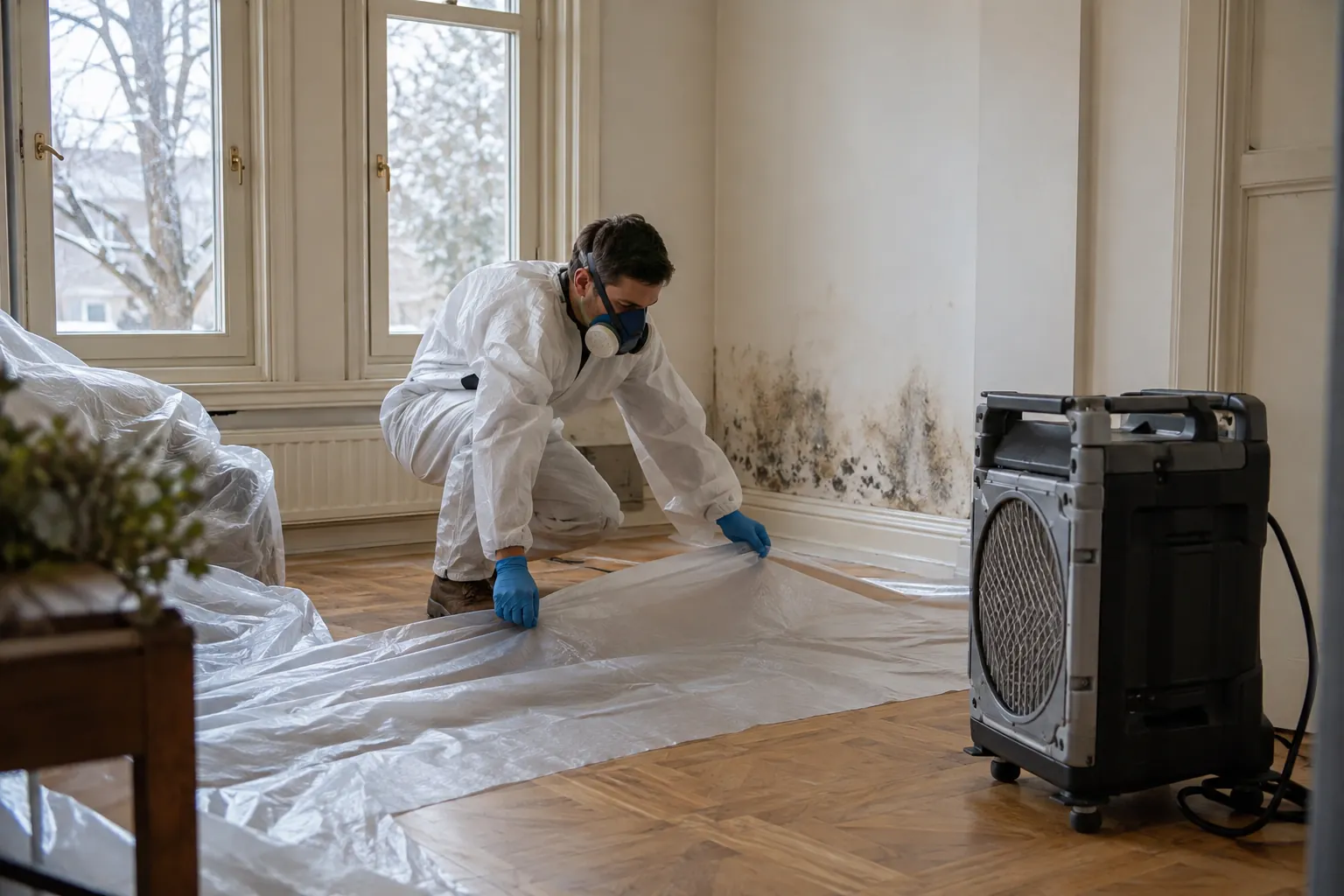
02
Protect surrounding details
Agree access to the wall and identify adjacent joinery, furnishings or decoration needing protection. Preparation should suit the proposed method and the room. Avoid brushing off the patch beforehand; that can change the evidence and damage the finish.
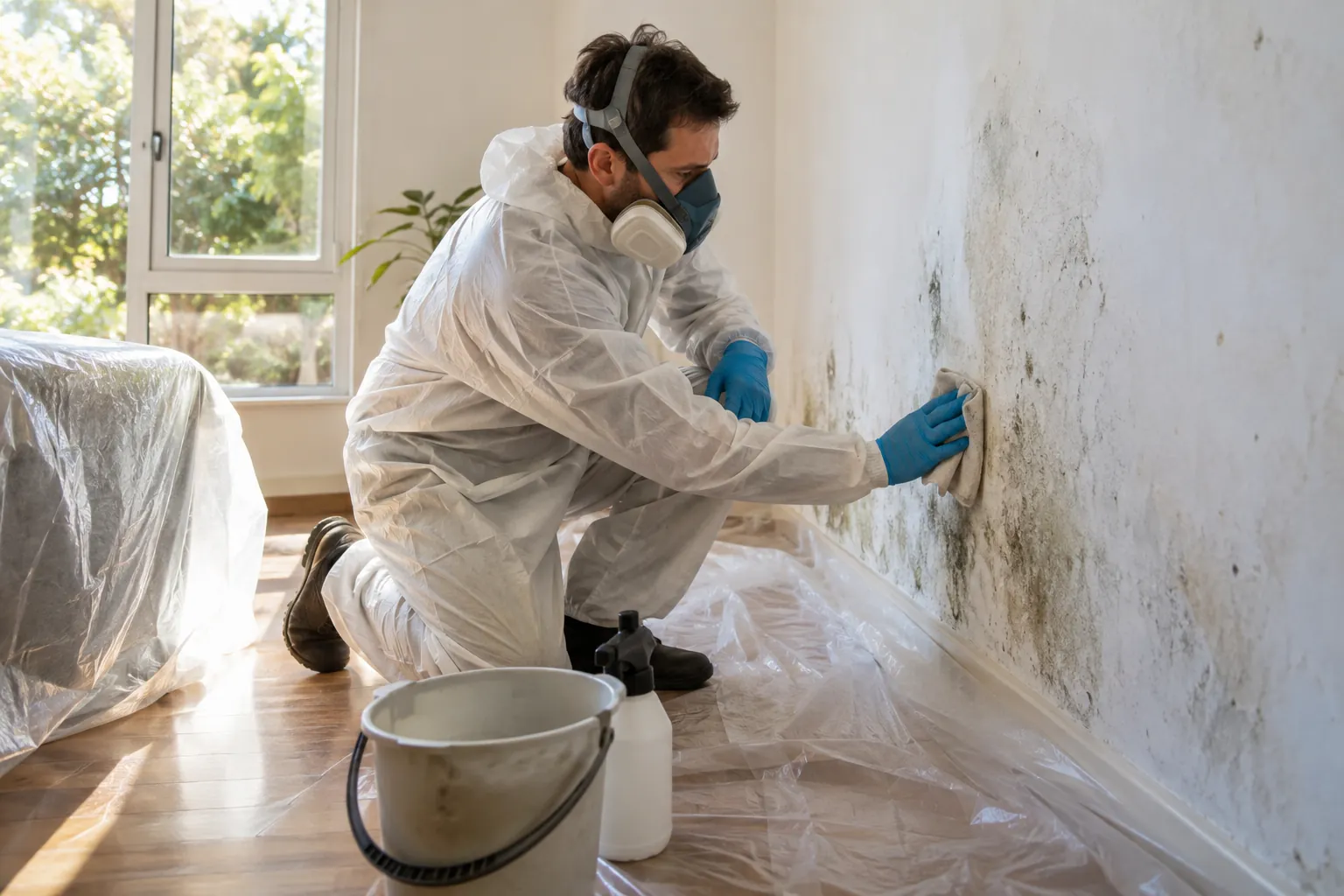
03
Review surface limitations
Ask about remaining staining, loose coating and repairs outside the work. Mould remediation helps frame those wider decisions. A removal visit does not automatically restore texture, renew adhesion or establish that concealed layers are unaffected.
COMMON AREAS AFFECTED
One room can hold
several materials.
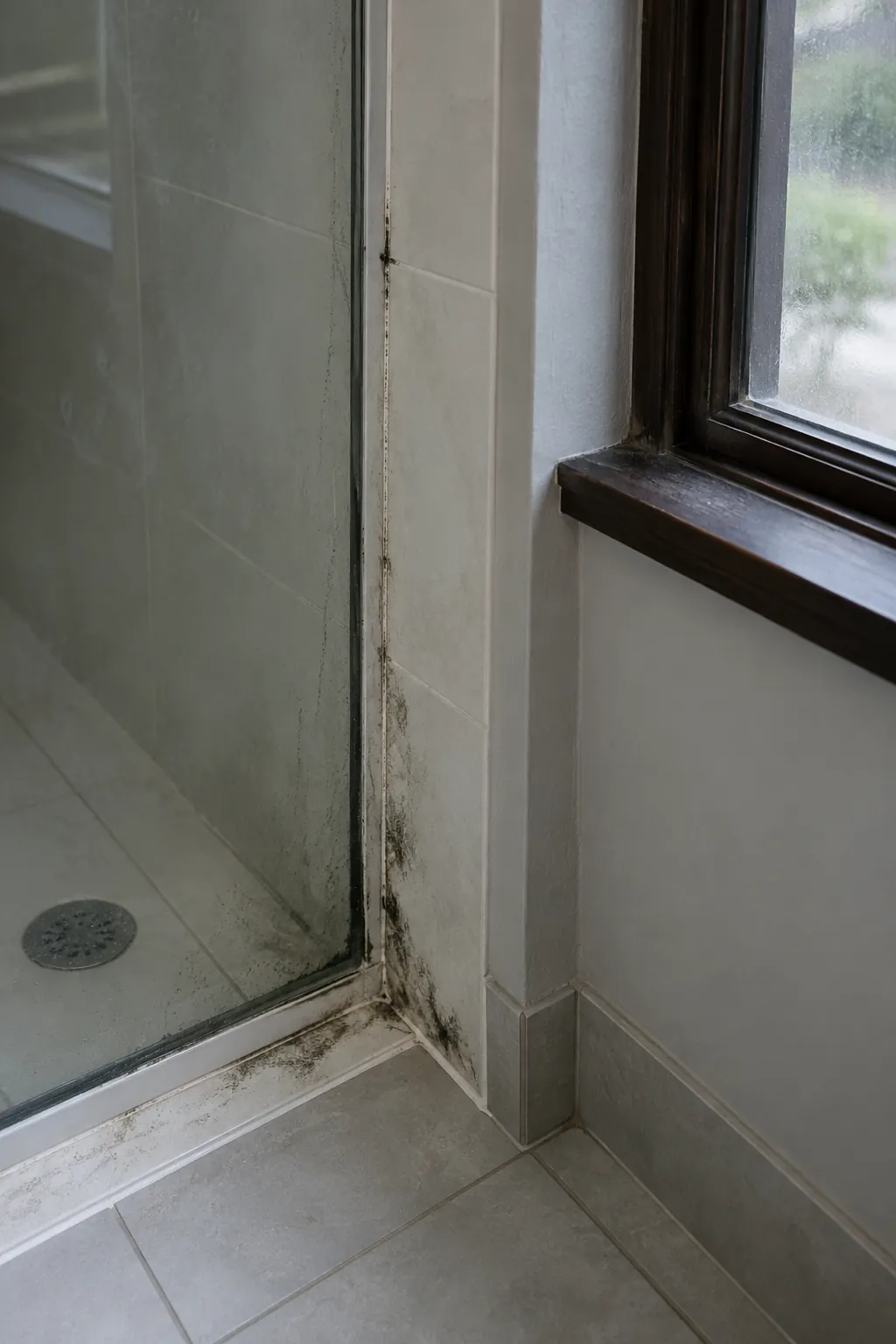
Grout and silicone
Wet-area joints have their own condition; do not assume the method for decorative plaster suits them.
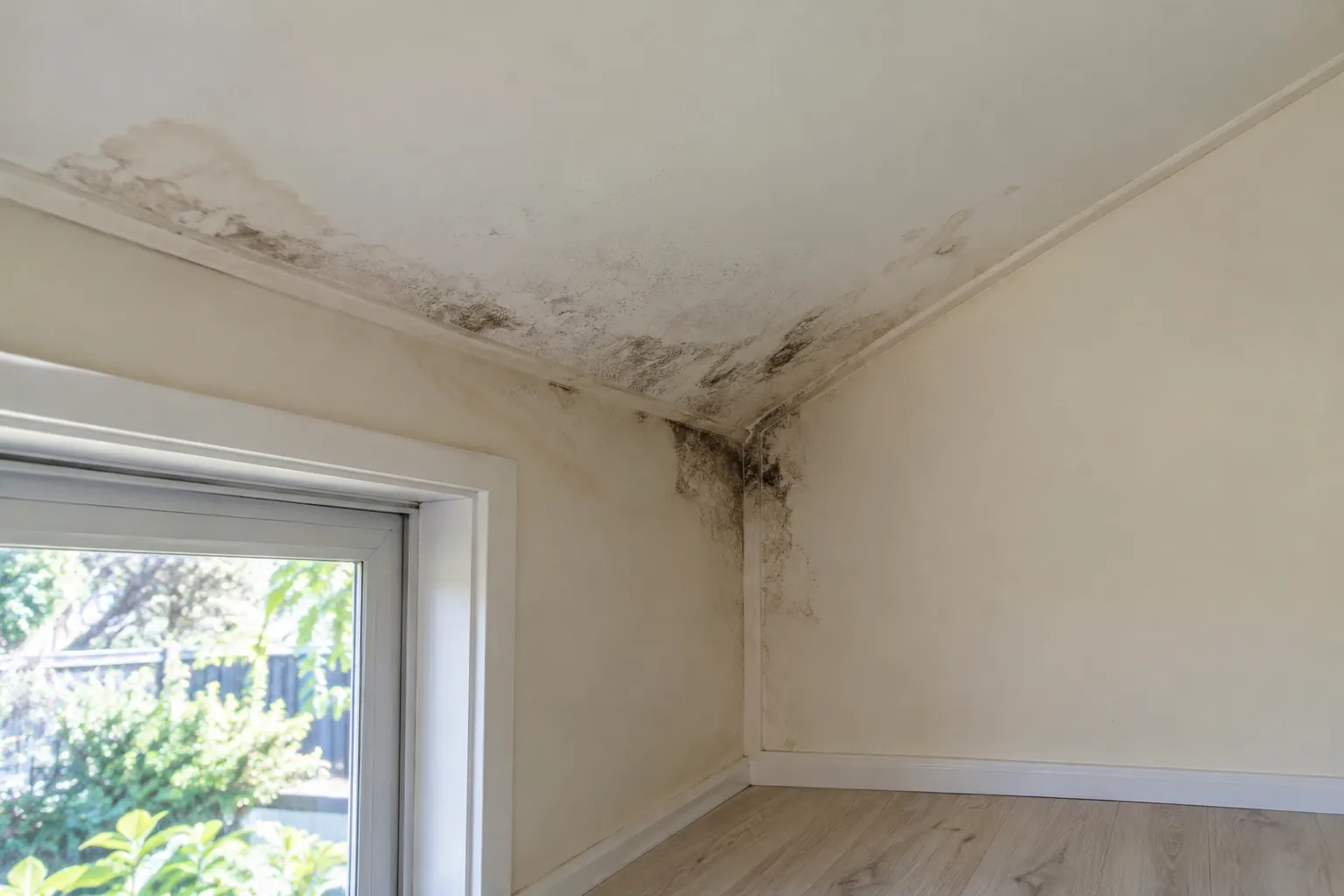
Ceiling coatings
Identify unusual overhead finishes and visible looseness before discussing safe access and surface work.
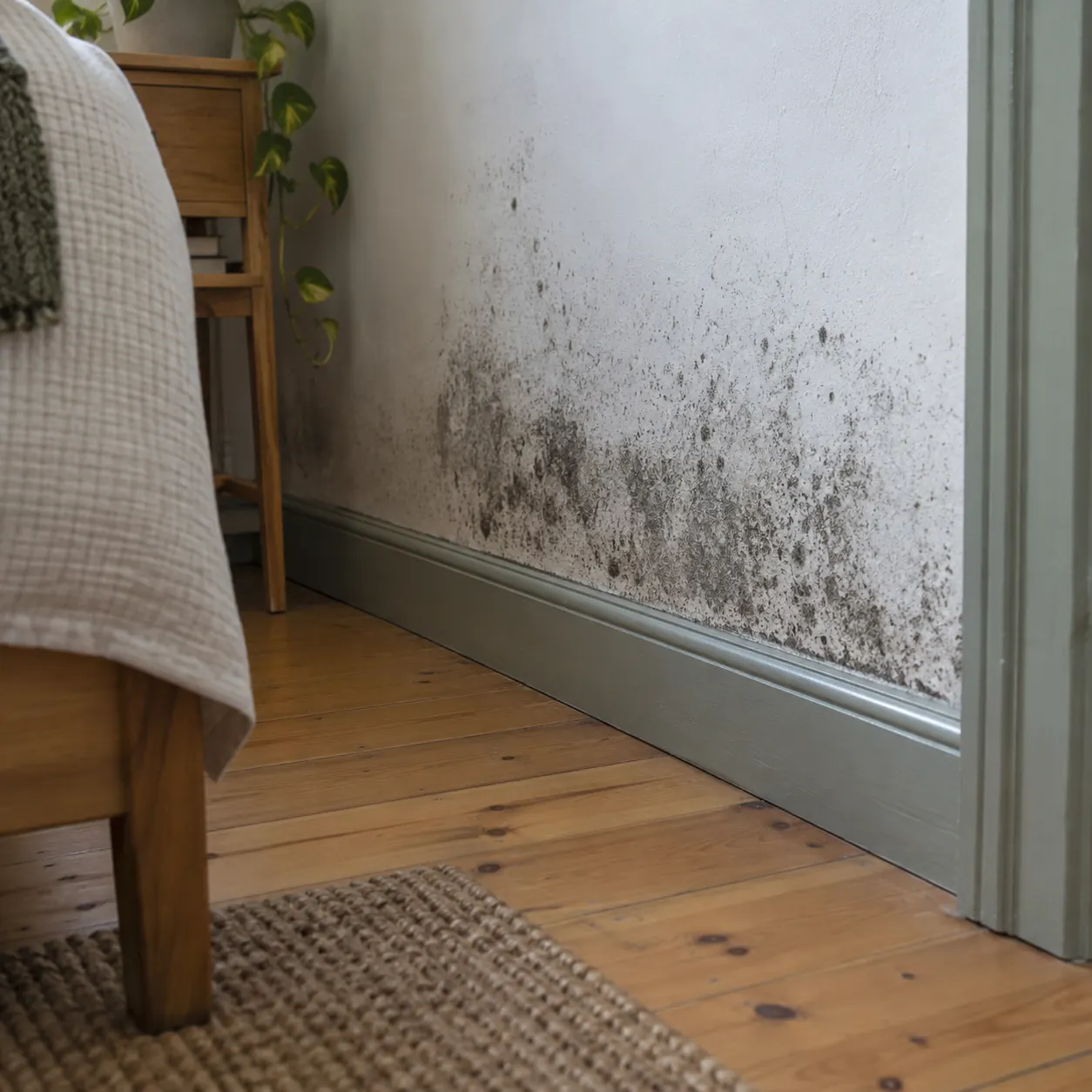
Painted walls
An adjoining smooth wall provides a useful comparison of extent, drying and the moisture history.
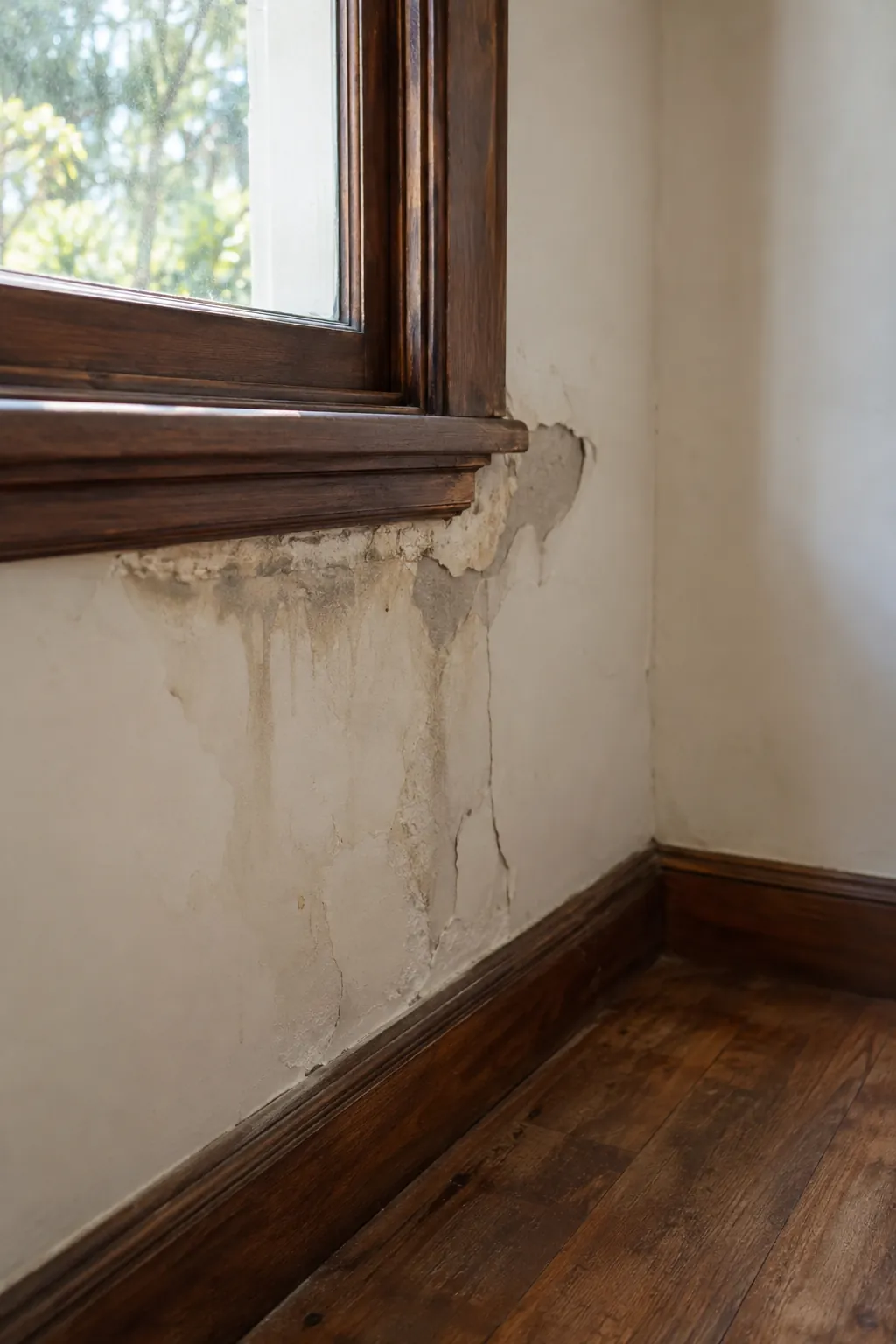
Damaged layers
A deteriorated coating may need repair or replacement once the source of dampness is addressed.
PREVENTION STARTS WITH
Do not decorate
over uncertainty.
Resolve the wet condition first
Keep the affected area visible while source checks and drying decisions are made. New paint can conceal changing dampness without fixing it. Where the coating has deteriorated, discuss restoration with a suitable trade rather than assuming removal alone will return it to its original appearance.
Follow the same detail over time
Photograph a recognisable part of the texture so later views can be compared. Record changes after rain, showering or other relevant room use. If the same recesses darken again, revisit the moisture pattern and material condition instead of repeatedly brushing or recoating them.
ELTHAM & NEARBY
Eltham and
nearby room guides.
The Montmorency guide discusses furniture access, while the Research guide considers ceiling changes after repairs. For work at an Eltham address, explain your actual wall finish and access requirements when confirming availability.
BEFORE YOU CALL
Questions about
textured finishes.
Can a textured coating be cleaned like smooth paint?
Not automatically. Porosity, adhesion and surface shape affect the decision. Identify the material and discuss its condition before agreeing a method.
Should I remove loose pieces before inspection?
Leave them undisturbed. Photograph from a safe position and describe the looseness. Removing material can obscure the condition and introduce risks requiring specialist advice.
Does a moisture meter test the texture for mould?
No. A reading contributes to moisture assessment of an accessible material. It does not identify a mould species or assess every concealed layer.
What if I do not know which coating was used?
Look for renovation paperwork or product information, but do not guess. Explain the uncertainty so the assessment and any necessary specialist referral can be planned.
Will the texture look new after removal?
Remaining staining or damage may need separate restoration. Ask about expected surface limitations, and distinguish removal from repainting, retexturing or material replacement.
Which details should I mention on the phone?
Describe the room, coating, patch size and any cracking or dampness. Explain access and earlier repairs; clear information helps establish a sensible next step.
TELL US WHAT YOU CAN SEE
Tell us about
the material.
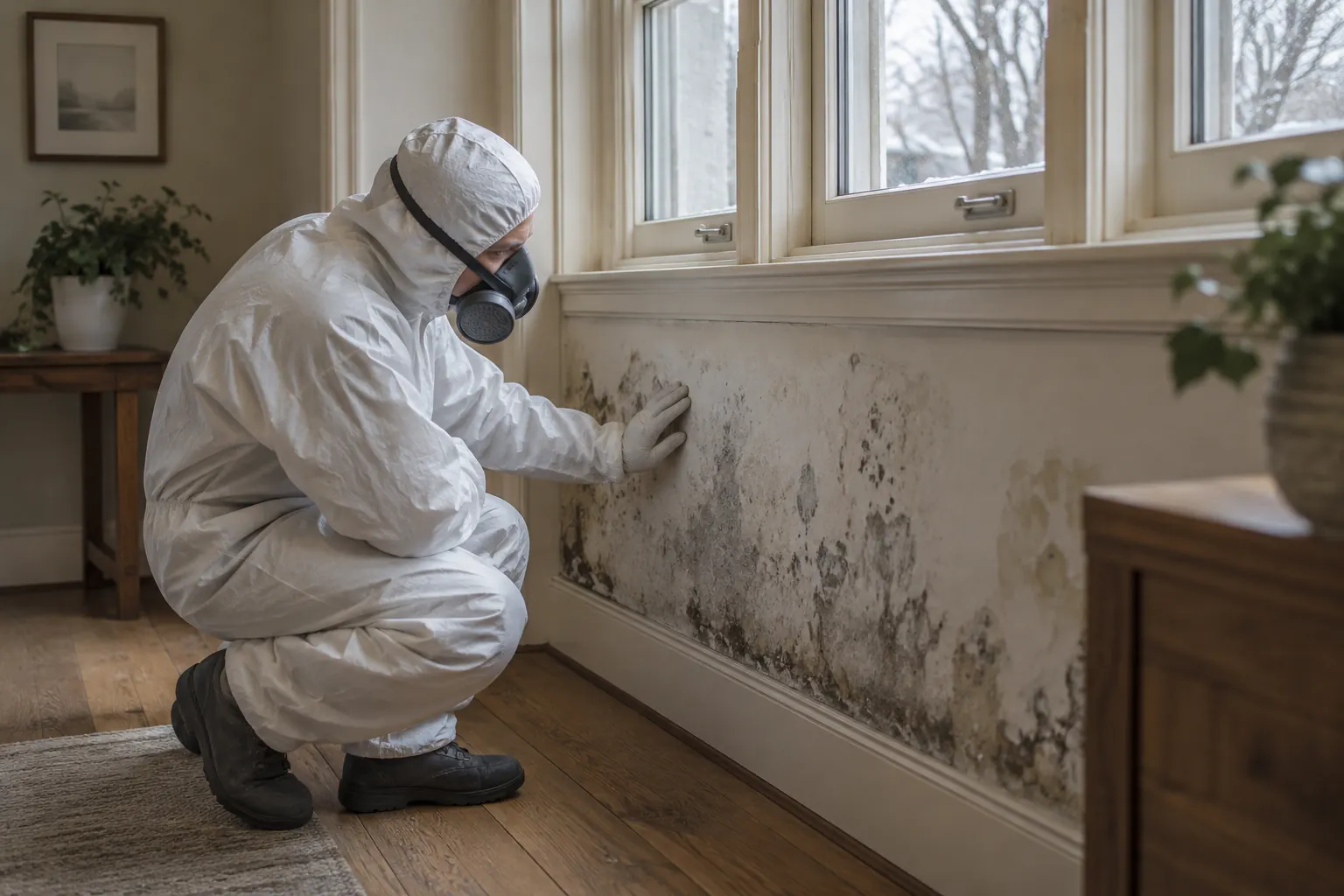
Discuss your Eltham room, the affected finish and any moisture or adhesion changes. Call 03 8652 1296 to confirm availability and the appropriate next assessment step.
Local context: Nillumbik locality information