
NEWLANDS · MELBOURNE
Mould Removal Newlands
NEWLANDS / MATERIAL AND MEMORY
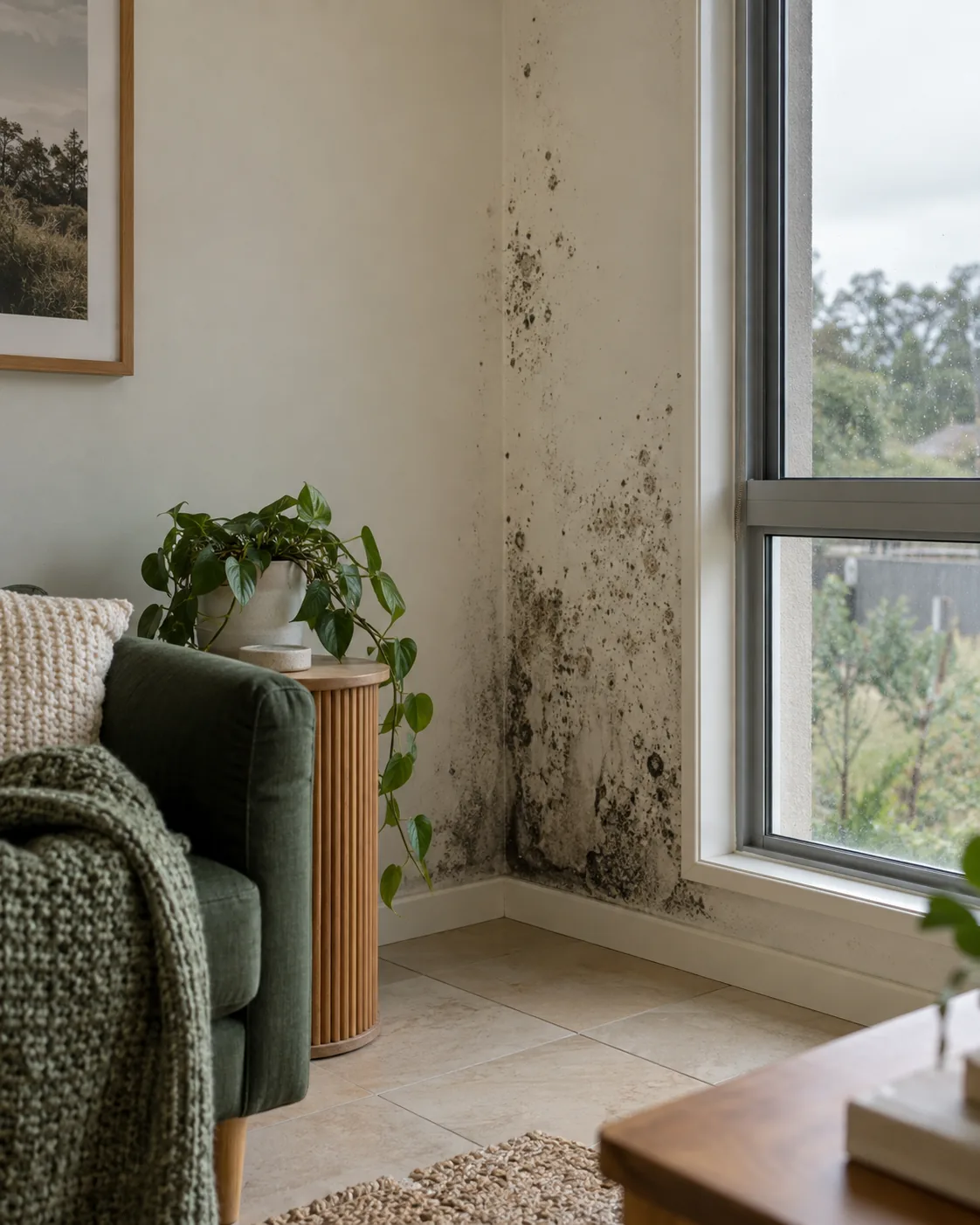
When a Newlands wall is marked beneath an older finish, describe its condition before planning fresh decoration. Growth, staining and damaged material are different concerns. An enquiry should include the accessible surface, known moisture history and the person authorised to arrange work.
Existing finishes considered
Moisture history reviewed
Decorating kept separate
SURFACES & THEIR SETTING
A neighbourhood name, a specific property
Merri-bek Council identifies the Newlands Estate Precinct in Coburg among its heritage precincts. Provide the actual street address; this page does not assume that every Newlands property has heritage controls or identical finishes.
Describe the coating
Tell us about wallpaper, earlier painting and any flaking. The inspection conversation should include material condition and visible extent. Do not strip a finish simply to provide a closer photograph; access and handling need agreement.
Agree responsibility
Confirm who can authorise treatment and any separately proposed decorating. If controls or permissions apply to your actual property, discuss them with the responsible person. A neighbourhood reference is not evidence that particular building work has approval.
Keep source and surface questions distinct
Explain whether dampness followed a leak, persisted through changing room use or appeared behind stored belongings. Those observations guide the enquiry without establishing a cause.
Visible structural areas
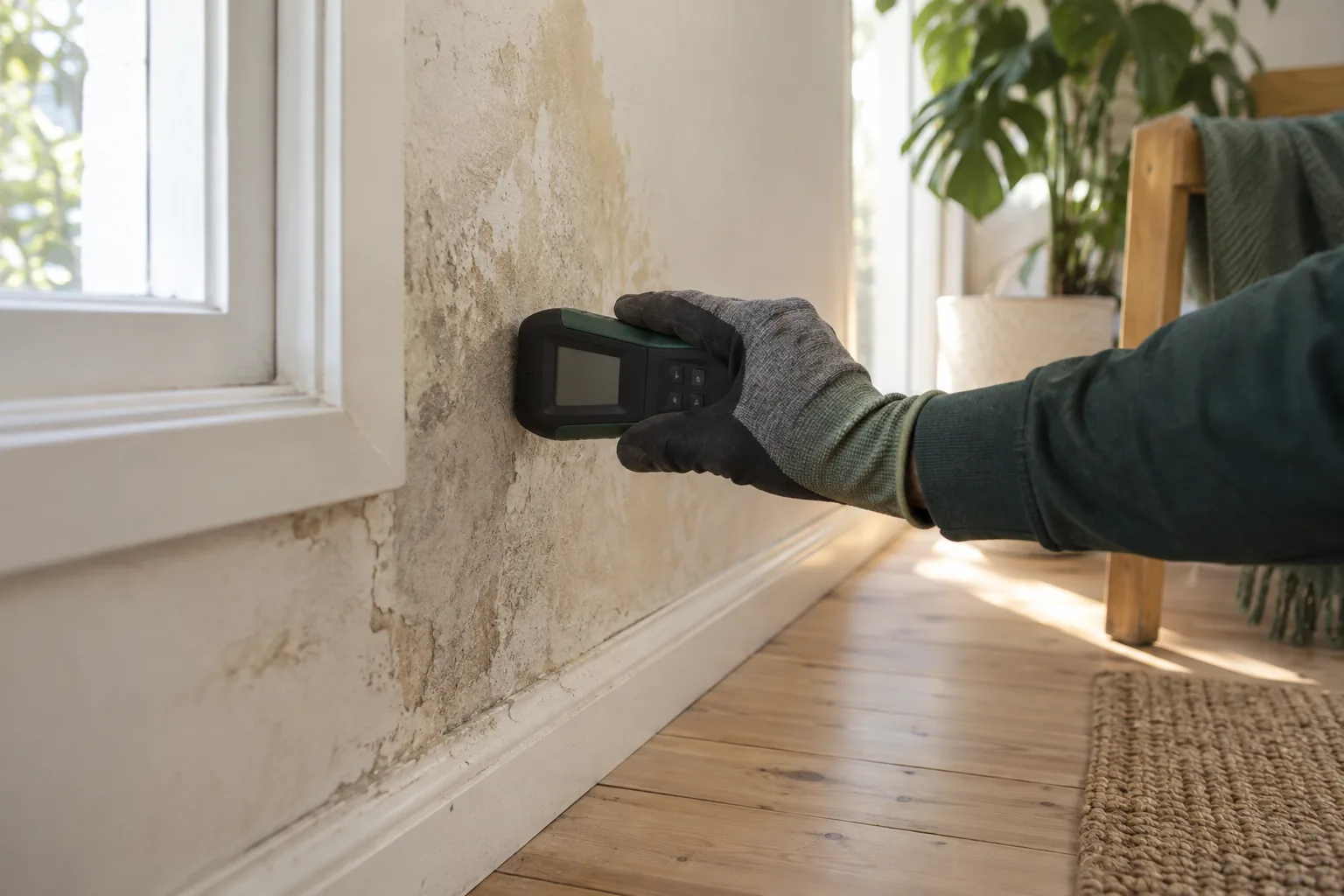
The removal scope concerns accessible walls, ceilings and hard floors. Fragile finishes or deteriorated plaster can limit the method. Furniture, carpet, clothing and curtains are excluded; concealed construction requires a separately defined investigation.
Outstanding water problems
A leaking roof, pipe or building detail needs separate repair. Supply relevant maintenance notes and say whether the area remains wet. Room humidity readings do not prove that hidden materials are dry or a defect is resolved.
THE SURFACE REMOVAL PROCESS
A careful sequence for the existing finish
01
Review the material
The technician checks visible extent, finish and access. Hygrometer information may add room context. Blocked sections and hidden layers remain outside an ordinary surface assessment unless additional work is agreed.
02
Prepare and introduce filtration
Agree clearance and people or pet arrangements. HEPA filtration supports the work. Stored possessions are moved only as directed; their presence beside a treated wall does not include them in treatment.
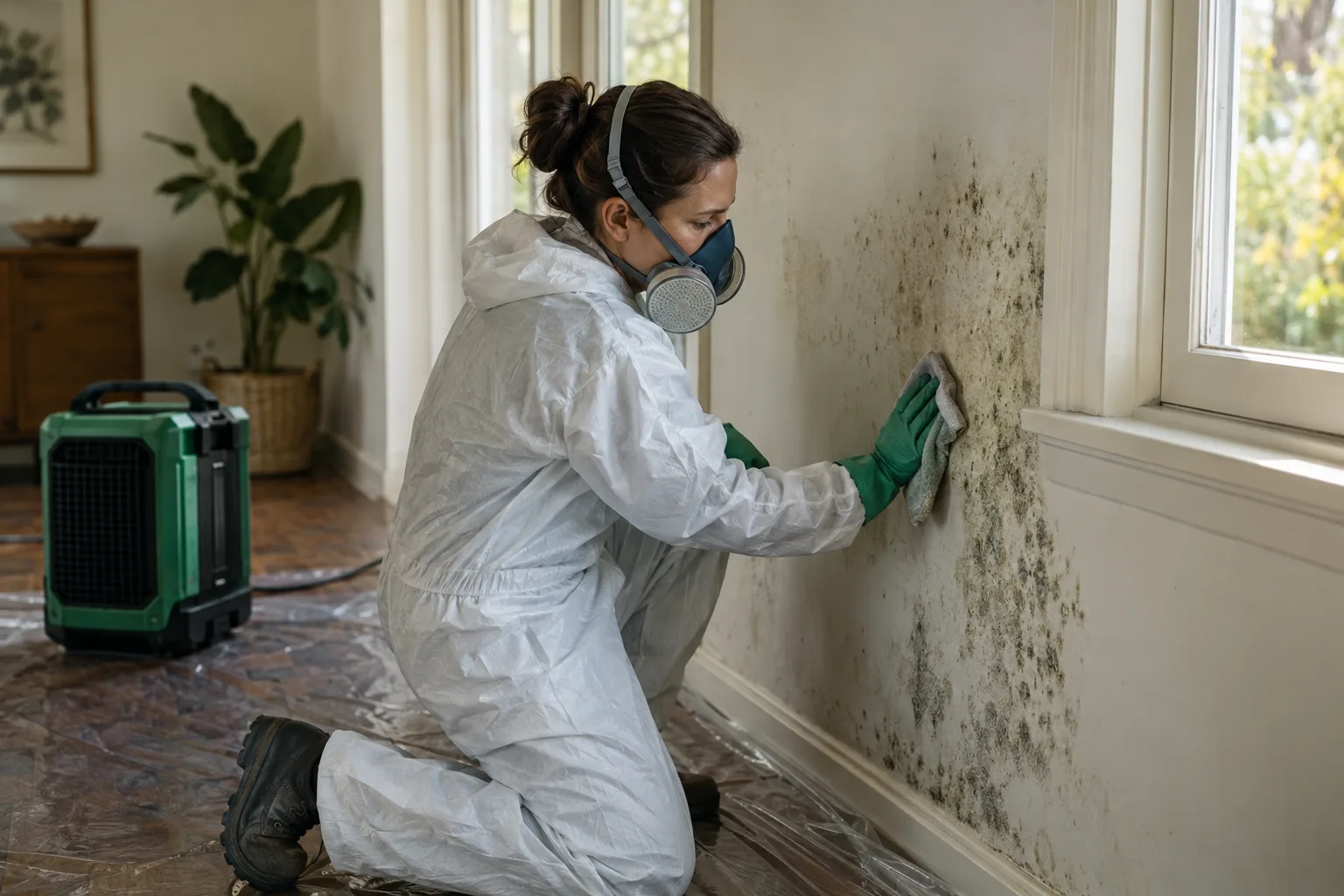
03
Choose an appropriate application
HOCl treatment is considered for the surface condition. Explain delicate coatings and earlier cleaning. The proposed method addresses growth without guaranteeing cosmetic restoration of an already damaged or stained finish.
04
Discuss suitable ULV use
Where appropriate, fog application forms part of the plan. Follow preparation and return instructions. Any alarm procedure needs approval from the responsible person rather than independent disabling of the system.
05
Remove accessible residue
Physical removal uses H-class filtered equipment as suitable. The work stays within the agreed structural-surface scope. Textiles, concealed cavities and material replacement require different handling or separately arranged work.
06
Finish filtration and hand over
Review treated areas, marks remaining and unresolved repairs. Final filtration continues as appropriate. A clear handover distinguishes growth removal from moisture-source repair and any later decorating quotation.
VISIBLE & ACCESSIBLE
Surface descriptions that help
Older wall coatings
Mention fragile paint or wallpaper.
Ceiling edges
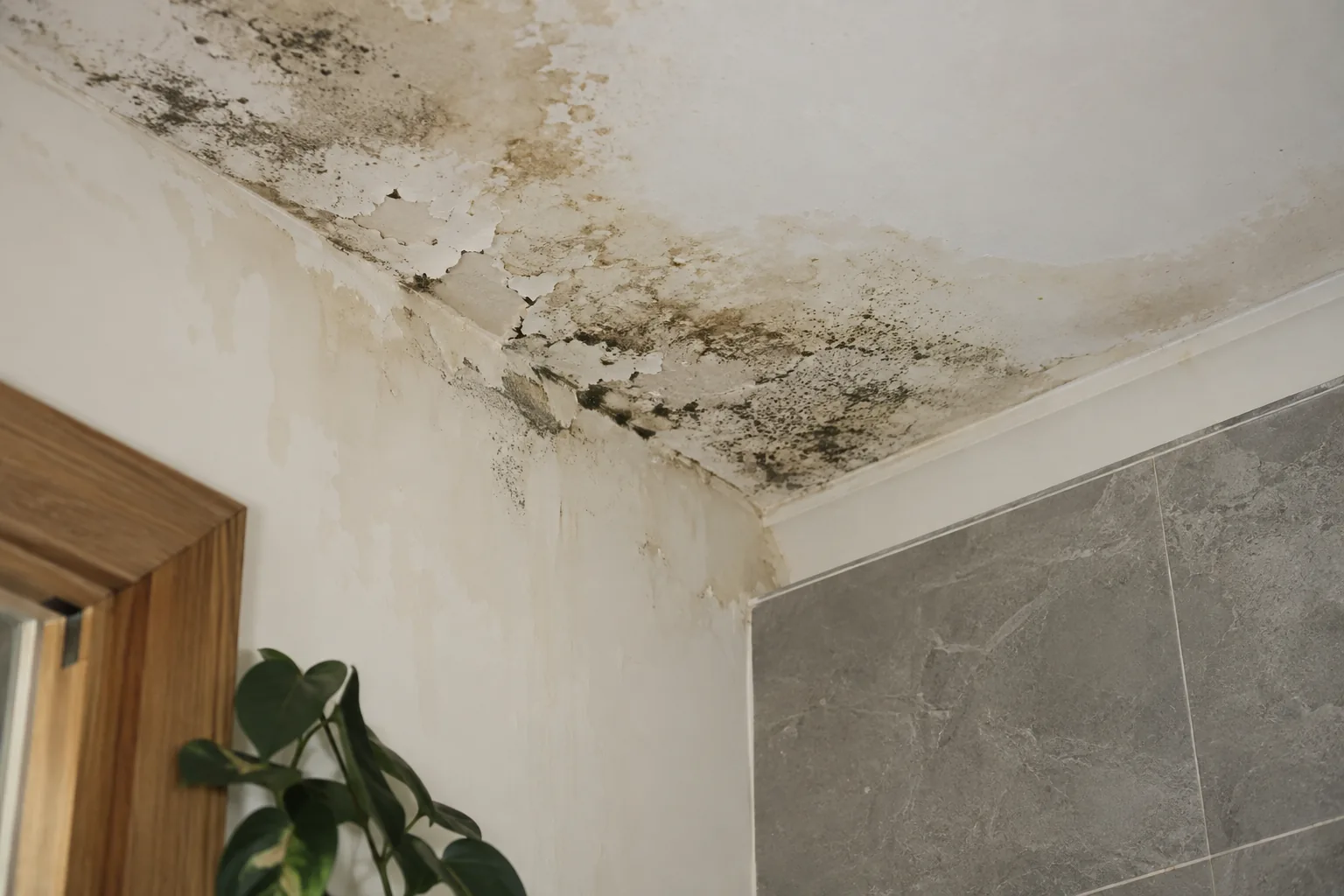
Describe the visible spread and wetness.
Bathroom painted surfaces
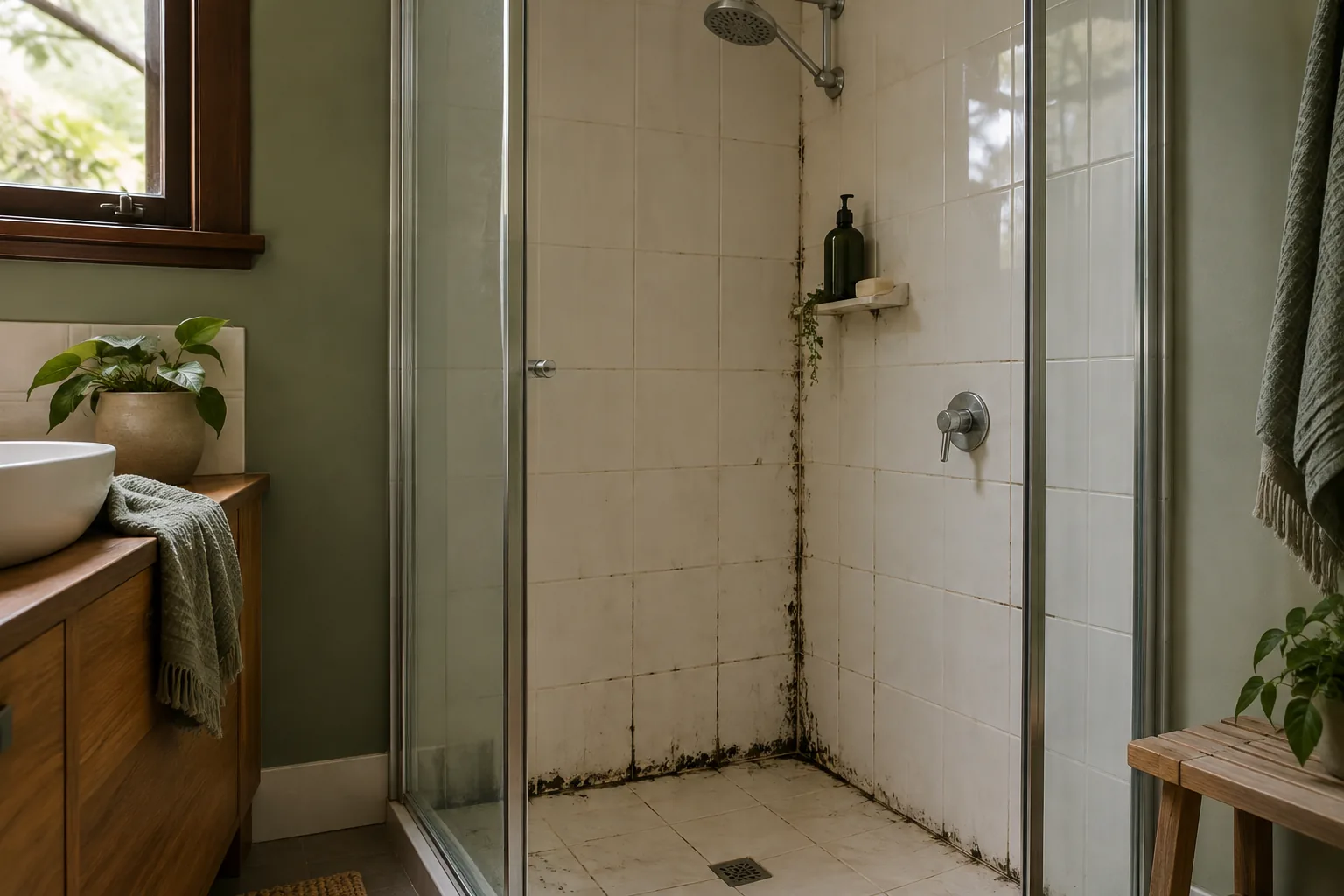
Explain extraction and drying between uses.
Hard-floor boundaries
Give the material and water tracking.
PREPARATION & LIMITS
A realistic finish and timetable
Allow around three hours per room as an average. Size, contamination and access affect duration; the service is not hourly-based. Discuss the actual surfaces before combining the visit with a fixed decorating schedule.
Remediation may leave staining or damaged coatings. Decorating is separately quoted, and moisture repairs are separate work. Growth can recur when water entry or persistent dampness continues, even after the visible area is treated.
AFTER THE SURFACE WORK
Monitor before covering the surface again
After agreed return arrangements, keep ventilation openings clear and use working extraction where steam is produced. Allow reasonable airflow around belongings. Do not put storage back so tightly that an unresolved wet section disappears from view.
Keep dated photographs if the same area changes. A humidity log can support a useful conversation but cannot certify concealed dryness. Ask the relevant repair contact about continuing wetness before applying another decorative coating.
NEWLANDS · NEARBY LOCATION PAGES
Newlands and nearby location guides
Use nearby guides for orientation, then give the full address. Newlands may be used as an estate or neighbourhood description; it does not establish that every property has the same access, construction or moisture source.
Merlynston · Coburg · Fawkner
BEFORE YOU ARRANGE WORK
Questions for your enquiry.
Does Newlands mean my home is heritage listed?
No. Council identifies a Newlands Estate Precinct, but this page does not determine your property’s controls. Check the actual address and relevant permissions separately before any work affecting a finish.
Should wallpaper be removed first?
Describe its condition before stripping it. Material handling and access should be agreed. Treatment does not guarantee restoration of wallpaper or automatically include removing and replacing a wall finish.
Can I combine removal and repainting?
Discuss decorating as a separate quotation. Stains may remain after treatment, and relevant moisture repair or drying needs consideration before repainting. Keep the purposes and responsibilities of each job clear.
Do you assess behind the plaster?
Accessible surface work does not automatically investigate concealed construction. Hidden cavities or insulation concerns require separately defined investigation and permission. Fog application is not proof that those areas have been inspected.
Is every marked surface included?
List the actual affected rooms and accessible structural areas. Material and condition affect suitability. Furniture and textiles remain excluded, so a photograph containing belongings should not be taken as a treatment list.
What if the coating remains discoloured?
Cosmetic staining is not guaranteed to disappear. Ask about remaining marks and separately quoted decorating. Continuing wetness also needs repair attention rather than simply another layer of paint.
Explain the finish before choosing the work
Call 03 8652 1296 with the Newlands address, visible surface and maintenance history. Discuss assessment, preparation and the limits of treatment.
Useful references: Merri-bek heritage precinct information