
NEWMARKET · MELBOURNE
Mould Removal Newmarket
NEWMARKET / MAKING ROOM
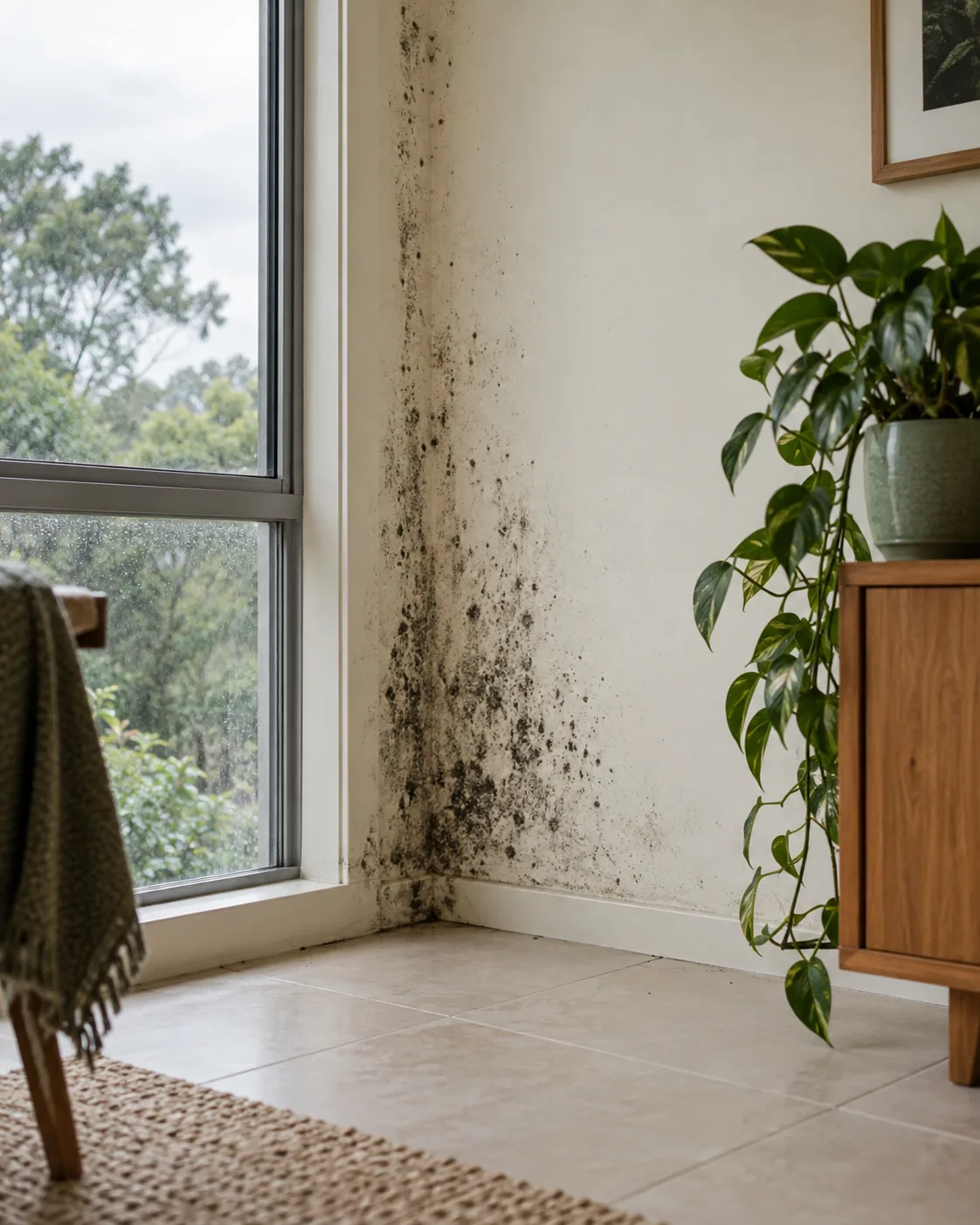
An affected wall in a room used both for work and storage needs a clear access plan. For a Newmarket enquiry, explain what is visible, what is blocked and whether the wall remains damp. We can discuss assessment without assuming that every mark needs the same treatment.
Mixed-use rooms considered
Blocked surfaces discussed early
Moisture repairs kept distinct
SURFACES & THEIR SETTING
Newmarket as a neighbourhood reference
Moonee Valley Council identifies Newmarket Station and Plaza within the Racecourse Road activity centre. Give the actual street and property address when using Newmarket as your local description.
A room with several uses
A desk, storage unit and drying rack can leave little access to a wall. Describe the layout and any dampness before moving belongings. The removal service covers accessible structural surfaces, not furniture or the contents stored against them.
Get the booking details right
If another person owns or manages the property, confirm who can approve the work. Entry instructions and the room list should be clear. The nearby station name is useful orientation but cannot identify the correct building or treatment scope.
Useful details about the dampness
Explain when the problem started and whether room use, a leak or a recent repair changed. Observations help; certainty about an unseen source is not required.
Where the growth sits
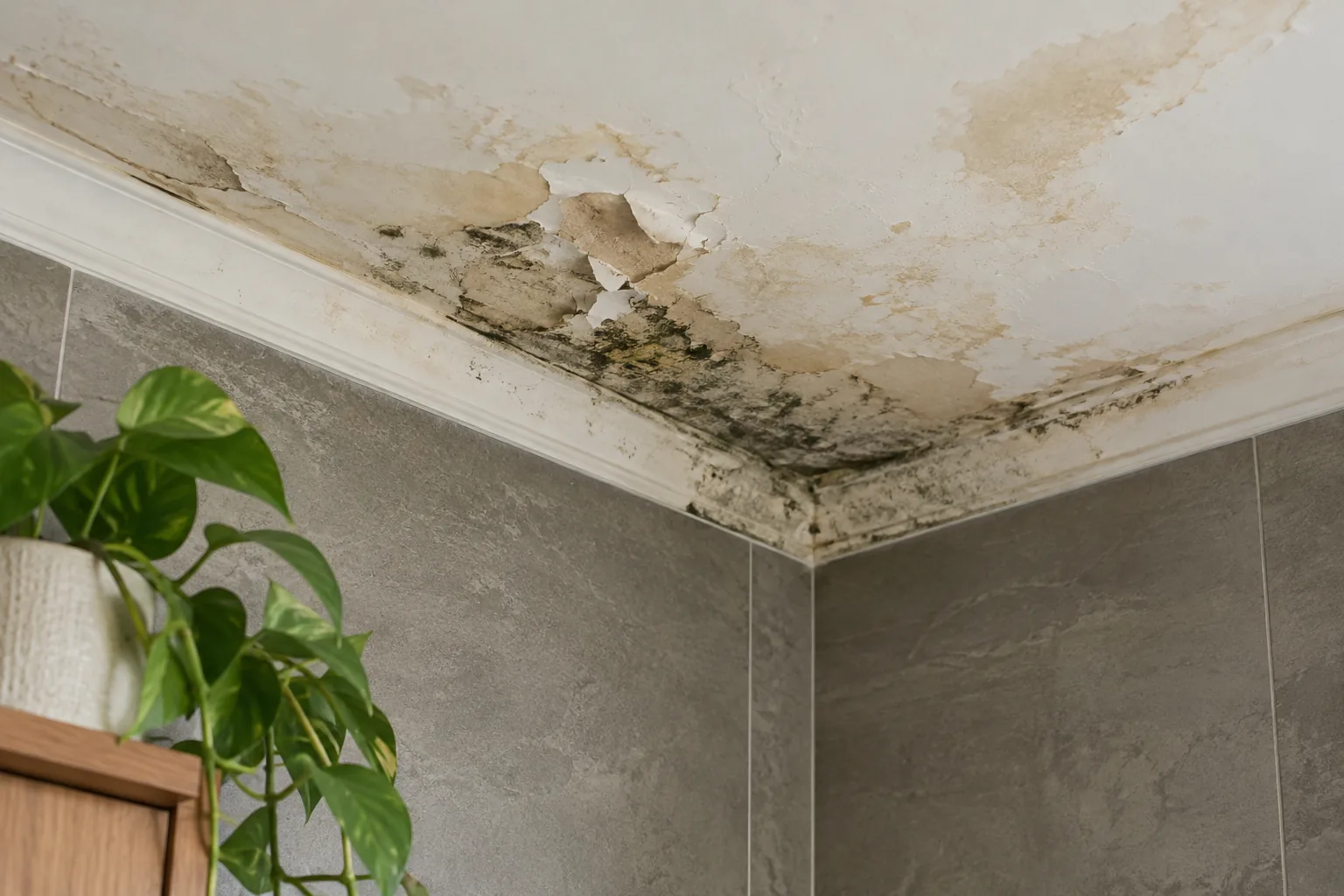
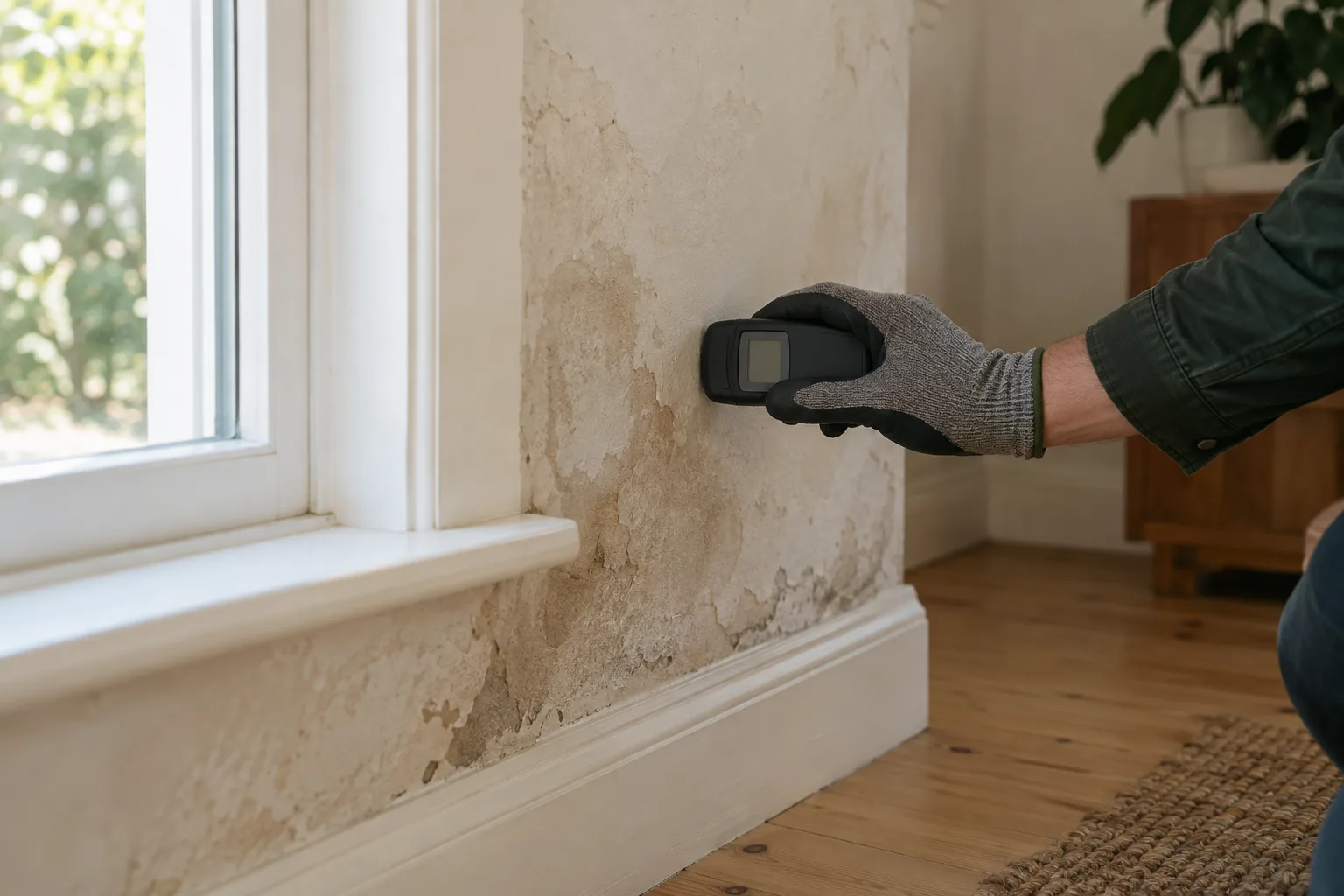
Give the material and location: painted wall, ceiling corner or hard-floor edge. Inspection may review visible growth and room humidity or moisture readings. Mention damaged coatings and hidden sections so the limits can be explained.
What still needs repair
Report active plumbing or roof issues separately. Removal does not repair those defects, dry every concealed layer or restore weakened plaster. Supply maintenance notes where available and ask how outstanding work affects preparation and timing.
THE SURFACE REMOVAL PROCESS
A workable plan for the actual room
01
Review the accessible growth
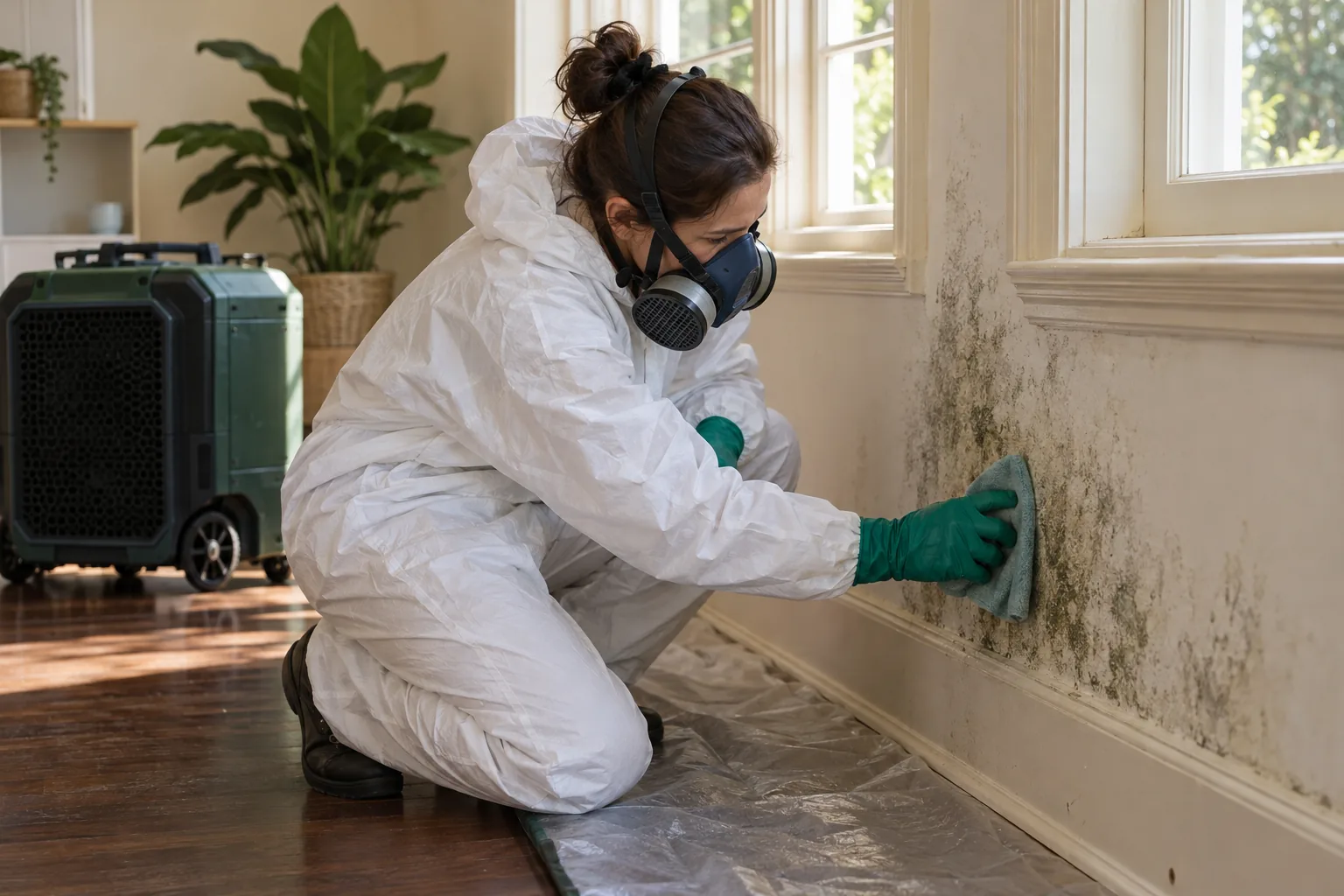
The technician checks extent, material and finish condition. Hygrometer readings may support the assessment. A blocked wall or concealed cavity is identified as a limitation rather than silently included in an ordinary surface visit.
02
Prepare belongings and filtration
Agree people and pet arrangements and clear the planned working area as directed. HEPA air filtration supports the work. Moving furniture for access does not mean it receives treatment or that affected contents should be spread elsewhere.
03
Select surface treatment
HOCl treatment is considered for the actual finish. Tell the technician about fragile coatings and previous cleaning. The method addresses growth and does not guarantee a new-looking finish on material already stained or damaged.
04
Discuss ULV application
Fog application is used where appropriate for the room and scope. Confirm preparation and return arrangements. Alarm procedures require an approved plan with the responsible person, rather than a blanket instruction to switch equipment off.
05
Physically remove residues
Appropriate removal uses professional equipment with H-class filtration. The service concerns visible walls, ceilings and hard floors. Carpet, clothing, upholstery, mattresses and curtains remain outside scope even when close to the affected surface.
06
Finish filtration and review
Final filtration continues as appropriate and remaining marks are discussed. Ask which moisture repairs or decorating steps still need attention. Keeping those responsibilities clear helps avoid mistaking completed treatment for a permanent solution to dampness.
VISIBLE & ACCESSIBLE
Describe these areas clearly
Study walls
Explain desk and shelving clearance.
Bathroom ceilings
Mention visible spread and extraction use.
Bedroom corners
Note whether condensation or a cold surface accompanies the patch.
Hard-floor edges
Give the actual material and signs of water tracking.
PREPARATION & LIMITS
Scope first, then timing and appearance
Average room-treatment time is around three hours per room. Size, contamination and access can change the duration, and this is not hourly charging. Discuss the real room list before setting fixed work or accommodation plans.
Remediation can leave cosmetic staining. Repainting or decorating requires a separate quote. Unresolved water entry or persistent dampness can support recurrence, so surface treatment and repairs should have distinct expectations.
AFTER THE SURFACE WORK
Avoid turning one room into a moisture trap
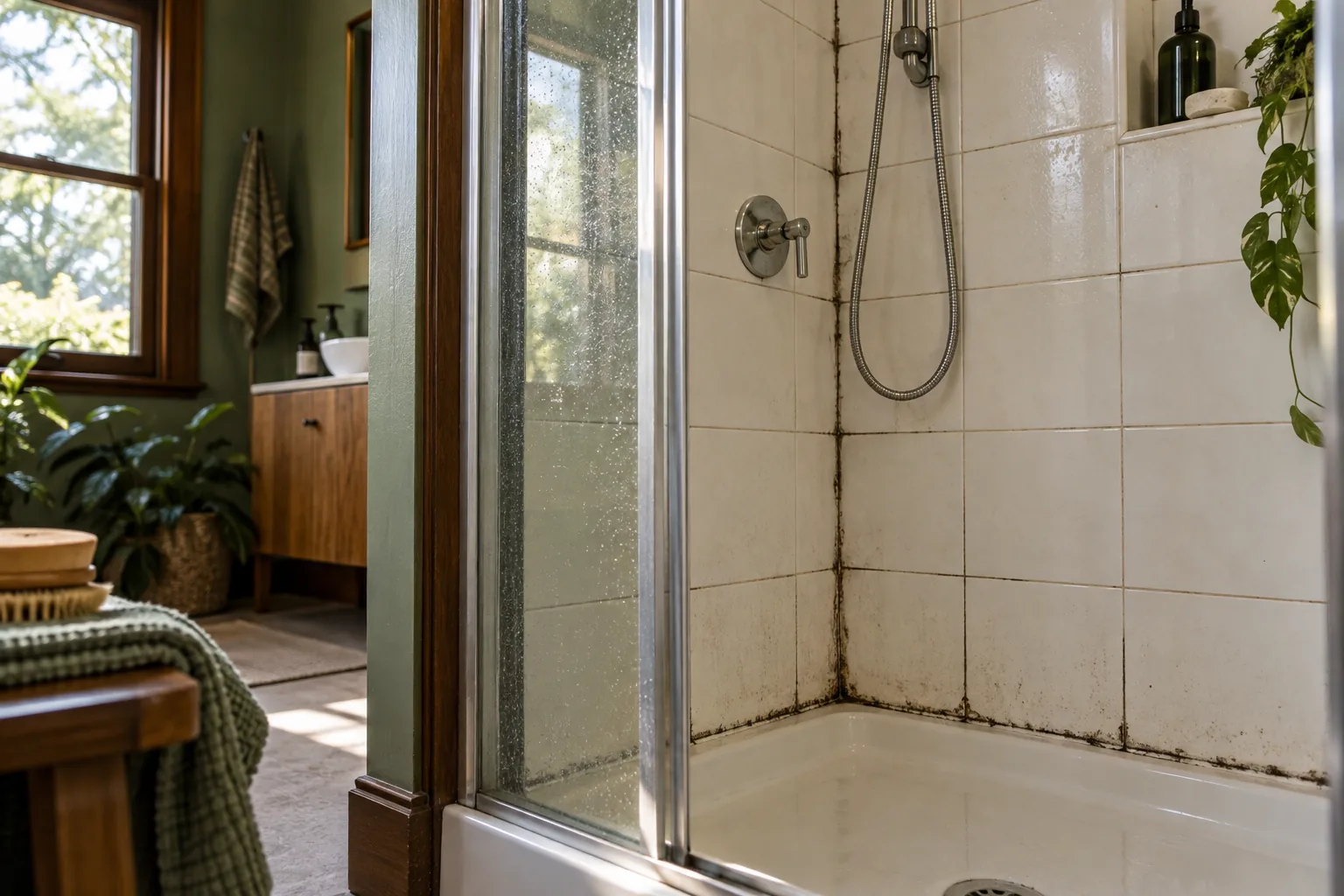
Keep ventilation openings clear and use effective extraction where steam is produced. If laundry is dried in the room, consider how its moisture is managed. An occasional open window does not prove that every surface dries between activities.
After the agreed return time, allow airflow around belongings and retain access to previously affected areas. Record repeated dampness with dates and room conditions. If a leak continues, organise the relevant repair rather than hiding the mark behind storage.
NEWMARKET · NEARBY LOCATION PAGES
Find the right neighbouring guide
Use the nearby location links below to orient your enquiry, then confirm the address. Newmarket is a local reference around the Racecourse Road area; it does not mean every nearby property shares a building type or moisture problem.
BEFORE YOU ARRANGE WORK
Questions for your enquiry.
Should I give Newmarket or my postal suburb?
Give the full street address and postal suburb, with Newmarket as helpful local context. That avoids confusion about entry and property identity.
Can a home office be included?
Accessible walls, ceilings and hard floors can be discussed. Computers, furniture and stored contents are not treated by this service.
Do I need to empty every cupboard?
Describe what prevents access and follow the agreed preparation. Clearing everything without a plan may be unnecessary and can spread affected belongings.
Is drying laundry indoors the confirmed cause?
It is one activity worth mentioning, not a diagnosis. Leaks, extraction and material condition may also matter.
Will a stained painted wall look new?
That is not guaranteed. Cosmetic discolouration and damaged paint may remain after growth is addressed.
What helps with a follow-up enquiry?
Keep the treatment scope, dated photographs and notes about recurring dampness. Tell the property contact about changes or unresolved repairs. A useful record helps distinguish new growth from a remaining cosmetic mark.
Explain the room, not just the neighbourhood
Call 03 8652 1296 with your Newmarket-area address, affected surfaces and access constraints. Discuss the assessment and preparation before arranging treatment.
Useful references: Moonee Valley Racecourse Road activity centre