
ORMOND · MELBOURNE
Mould Removal Ormond
A built-in wardrobe can conceal part of a bedroom wall, leaving uncertainty about what can be reached and what belongs to the contents. For Ormond, describe visible growth, shelf positions and whether the wall finish is damaged. We can discuss accessible surface removal and check the full address, while clothing, cabinetry replacement and any unresolved moisture source require separate decisions rather than automatic inclusion.
Fixed storage access clarified
Textiles kept separate
Wall condition considered
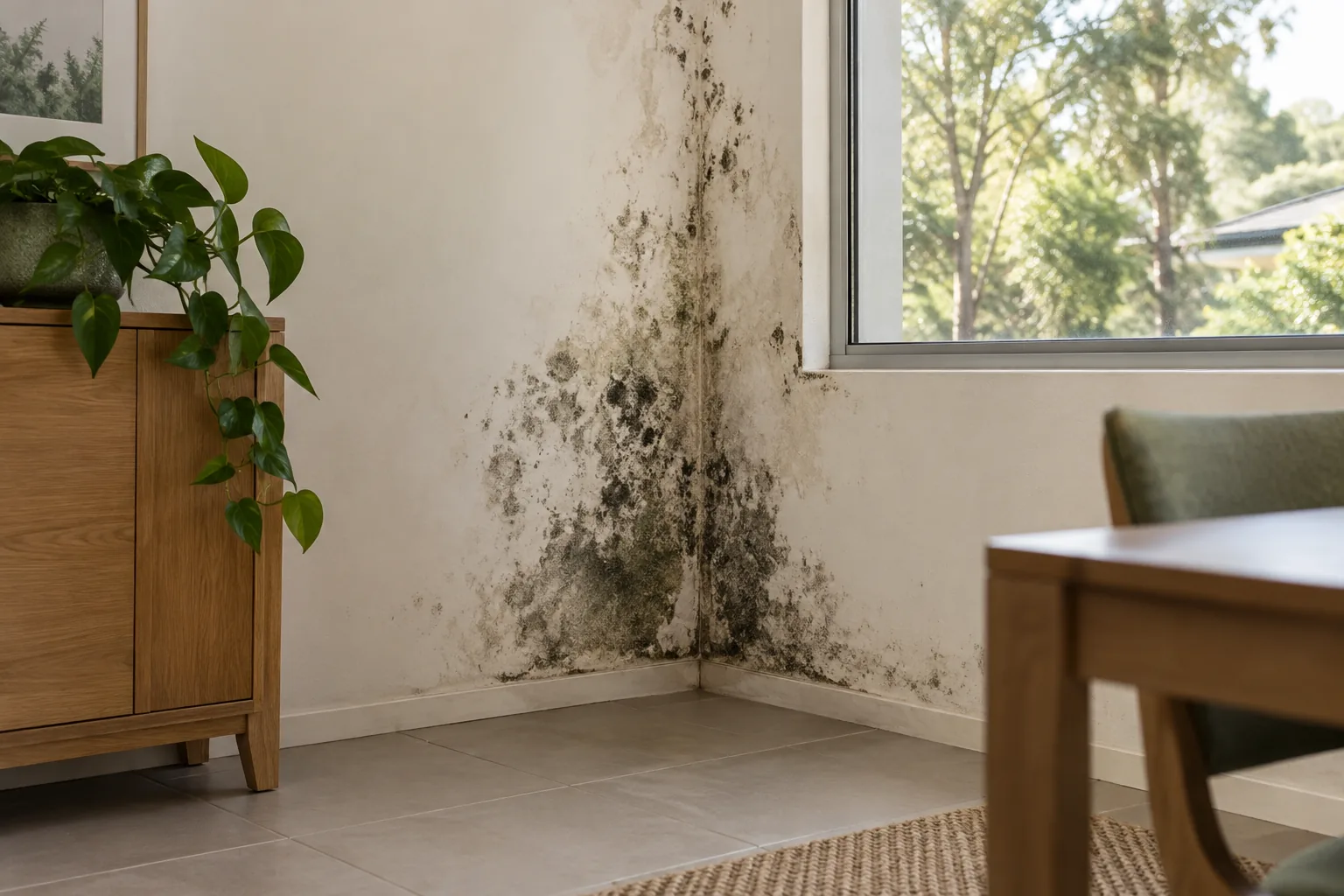

Wardrobes · Bedrooms · Walls
THE HOME, IN CONTEXT
Locate the Ormond bedroom accurately
Glen Eira Council identifies North Road in Ormond in its local transport project information. For a household enquiry, use the dwelling’s own address and specify the bedroom and wardrobe, including apartment or unit details where relevant.
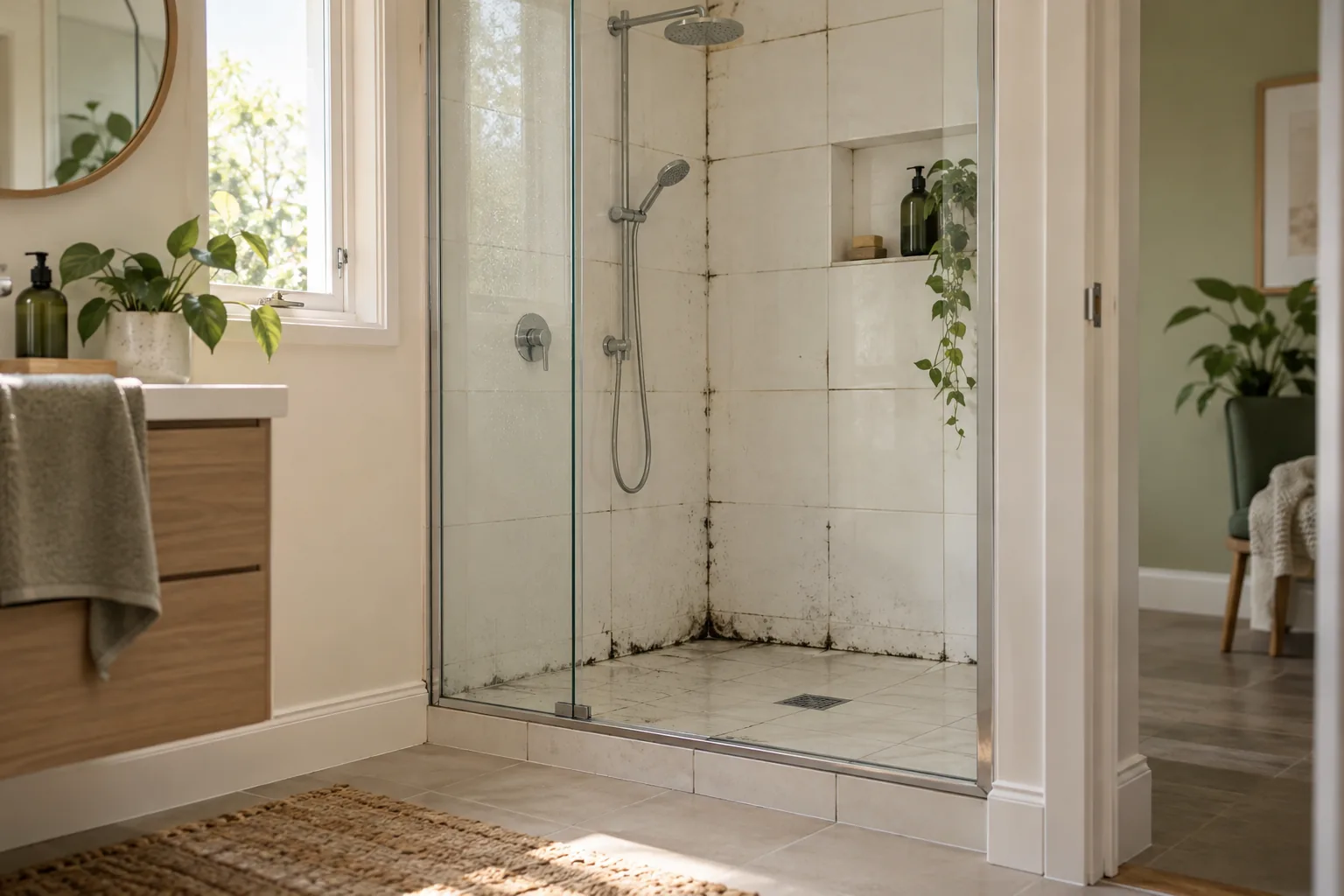
A wardrobe back wall with marks
If the visible patch sits behind hanging clothes, show the accessible wall and shelf layout. Explain which parts remain covered by fixed panels. A photo of one reachable strip does not establish the condition behind the whole wardrobe or authorise dismantling it.
An adjoining bedroom concern
Mention visible marks outside the cupboard separately. The room wall may be a different finish and easier to reach than the backing. Distinguishing those surfaces helps keep the enquiry useful without expanding it into an unsupported promise to clean every stored item or concealed space.
INSPECTION & MOISTURE
Prepare a storage-and-wall discussion
A photograph through the wardrobe opening and another from the bedroom doorway can clarify access. Inspection information is useful if backing appears damp, shelves are swollen or the source remains uncertain.
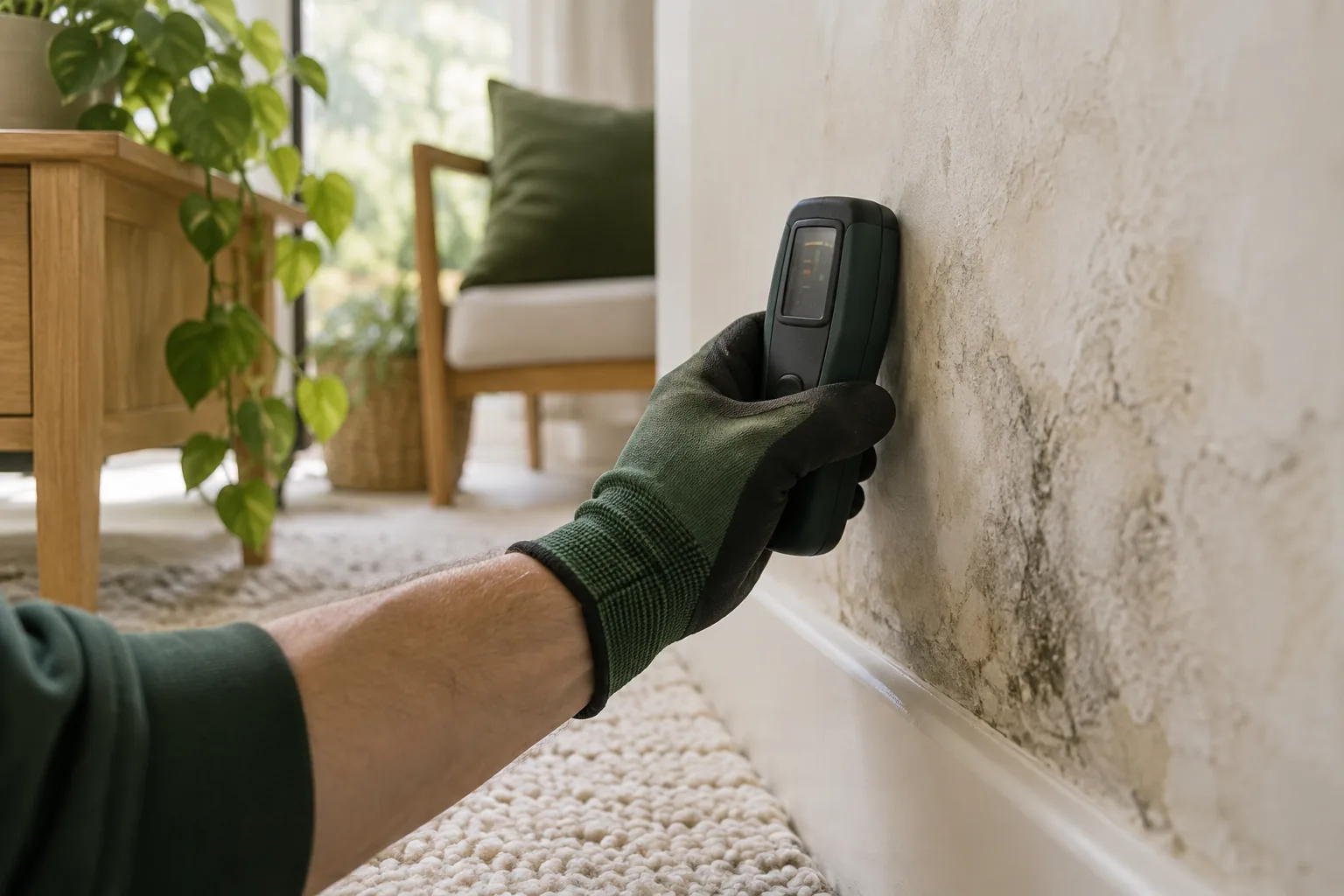
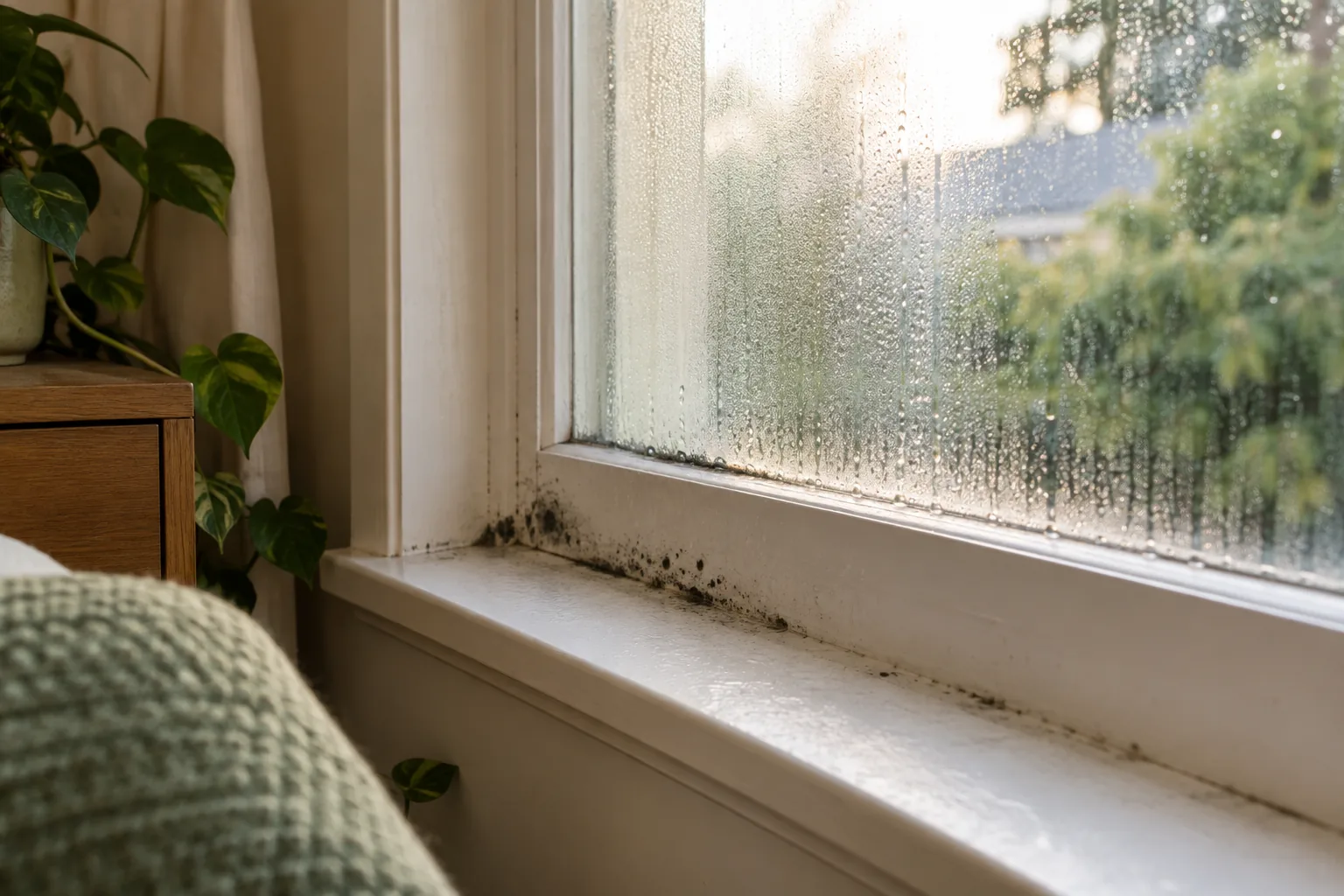
Name the materials you can see
Describe painted plaster, melamine shelves and timber trims independently. Lifted laminate or deteriorated board may require replacement rather than a surface method intended for sound paint. Avoid scratching or removing panels to test them before the scope is discussed.
Record room observations
Mention wet glass, a neighbouring bathroom or a known repair where relevant, without assigning a cause simply from the wardrobe’s position. Note when growth was first seen and whether the wall appears wet now. A clear sequence can guide questions about further assessment.
A CONNECTED PROCESS
A wardrobe enquiry with realistic access
Describe fixed and movable parts
Identify hanging rails, shelves and backing, and name the accessible wall area. Explain which bedroom surfaces are also requested rather than relying on the cupboard label alone.
Plan clothing removal
Agree how the household will clear garments and personal possessions. Keep textile handling separate and avoid placing affected items against the bedroom wall being considered for cleaning.
Review finish suitability
Assess visible condition and reachable boundaries. Swollen cabinetry or unstable lining may need another trade’s decision even where nearby intact paint can be treated.
Remove agreed growth
Physical removal, suitable treatment and HEPA filtration may form the method. Remediation scope guidance helps distinguish accessible cleaning from opening concealed building areas.
Review before repacking
Clarify residual stains and continuing dampness questions. Return contents according to their separate condition and the applicable instructions, leaving a practical way to observe the wall.
WHERE MOULD APPEARS
Wardrobe details with different implications
Back wall behind rails
Explain clearance and how much wall can be seen. A fixed rail or shelf may limit access without meaning the entire wardrobe must be dismantled.
Swollen shelf corners
Material damage can require replacement. Cleaning does not restore the original shape or strength of a board.
Door-jamb growth
Include the bedroom side in photographs. Growth around the opening can create a distinct accessible wall enquiry outside the storage space.
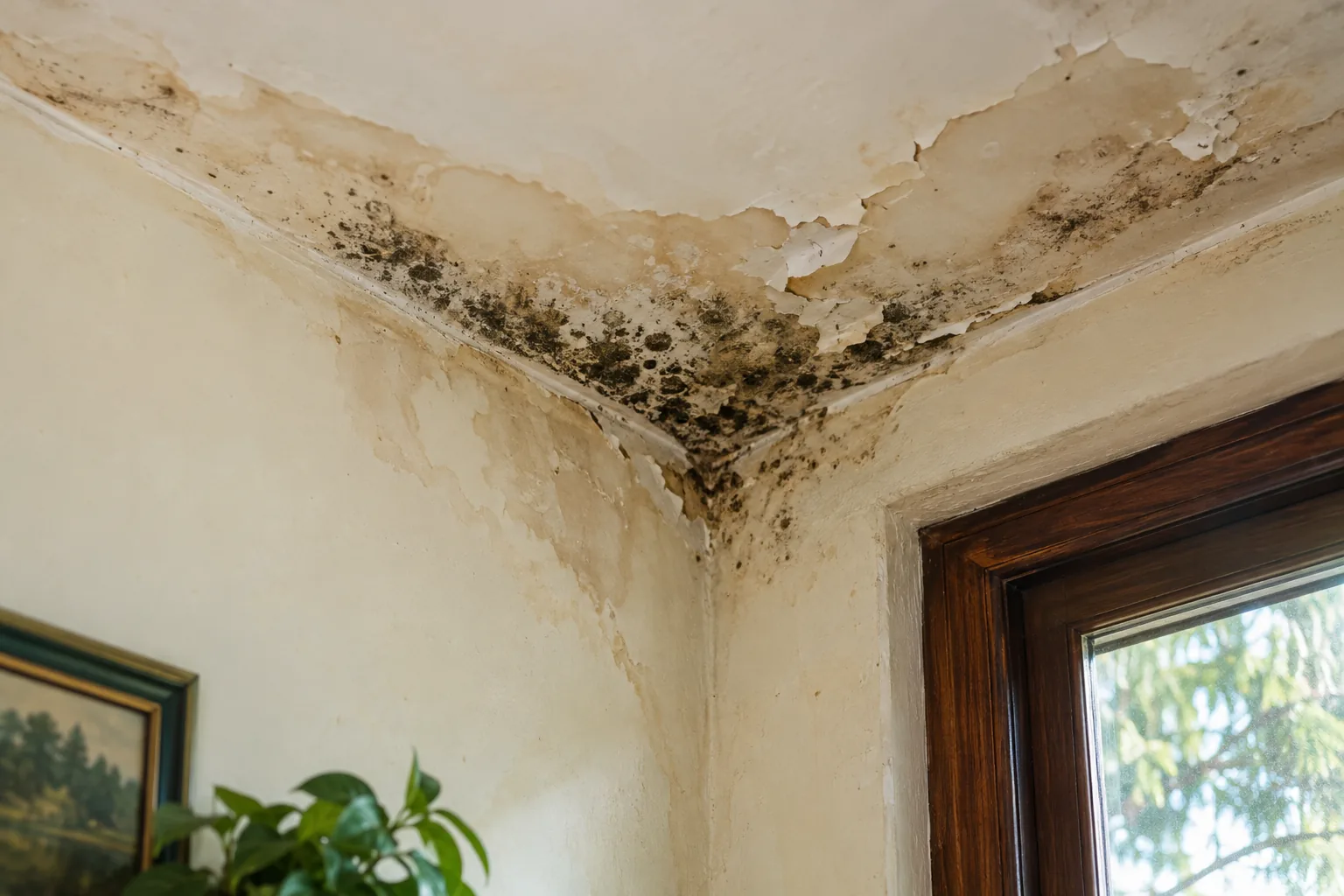
Ceiling at the wardrobe edge
If growth reaches the upper junction, show the rail and ceiling together. Fixed storage may restrict access without justifying unplanned dismantling.
MAKE SPACE FOR DRYING
Make future checks possible
Once moisture and material questions are addressed, avoid tightly packing the back wall again. Keep enough room to observe the relevant surface without emptying every shelf. Dry belongings appropriately before storage and do not hide a damp lining behind a new backing panel.
Save dated photographs and any repair information if growth returns. Take fresh wetness to the appropriate property or trade contact, especially where another room or fitting is implicated. Accessible mould removal can be one part of managing the visible issue without guaranteeing that unresolved conditions will cease.
ORMOND & NEARBY
Ormond and neighbouring enquiries
Use the full dwelling address when checking availability and room entry. These nearby pages provide surrounding locality context: McKinnon, Bentleigh, Glen Huntly.
QUESTIONS WORTH ASKING
Before the visit.
Can fixed wardrobe backing be removed?
That is not automatically part of surface work. Describe the construction and visible access, then clarify whether separate dismantling or building investigation is needed.
Are clothes treated with the wall?
No automatic textile treatment is included. Garments and household possessions require their own handling decisions outside the stated accessible surface scope.
Does a patch behind clothes prove poor ventilation?
It is a useful observation but not a diagnosis. Report room moisture, wet events and material condition rather than assigning a cause from storage position alone.
Can the bedroom wall be included too?
Describe its visible concerns separately. Each requested accessible area should be identified and agreed before work.
Should swollen shelves be replaced immediately?
Explain the damage and seek an appropriate material decision. Cleaning cannot restore a deteriorated board, but the repair approach needs consideration of the actual condition.
How should the wardrobe be repacked?
Follow the applicable work instructions and the separate condition of belongings. Leave enough practical access to notice new dampness rather than covering the wall tightly.
START WITH YOUR ROOM
Talk through the fixed storage
Call 03 8652 1296 with the Ormond address, wardrobe photographs and backing material. Mention clothing concerns and swollen shelves early so the enquiry can separate suitable surface work from contents and repairs.
Useful references: Glen Eira City Council — level crossing locations