
GARFIELD · MELBOURNE
Mould Removal Garfield
PAINT · SURFACE · SOURCE
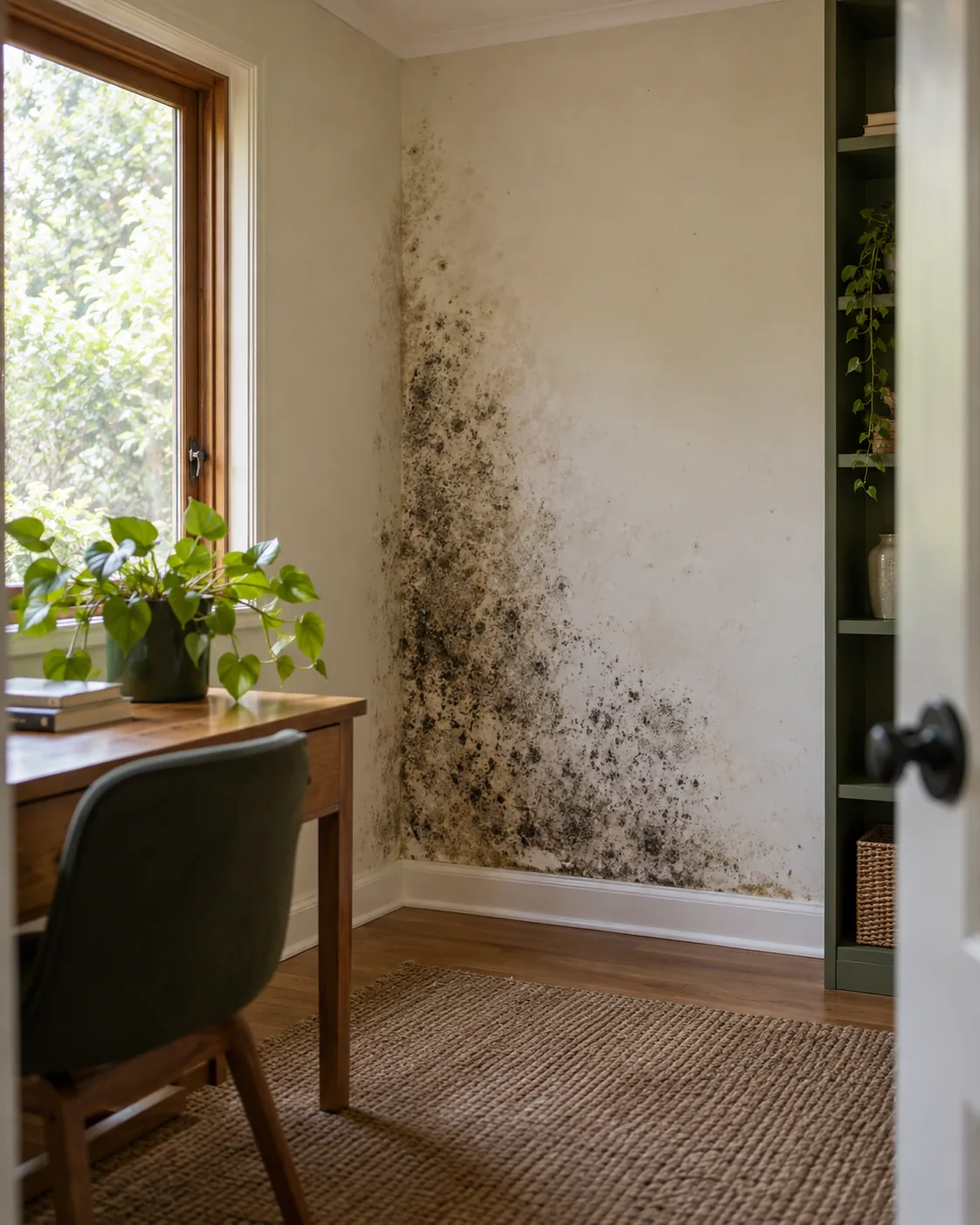
Before repainting a spotted wall in Garfield, establish what is visible and whether the finish stays damp. Describe the room, material condition and any known leak. We discuss availability and structural-surface treatment while keeping cosmetic restoration separate from the removal of growth.
Assessment before painting
Cosmetic limits explained
Moisture follow-up identified
SURFACES & THEIR SETTING
Give the actual Garfield address
Garfield is a recognised Cardinia township. Supply the full address and entry contact when enquiring. A local name does not establish a home’s age, finish type or the cause of a particular wall concern.
A planned repaint
Explain whether the surface shows growth, water staining or loose paint. Our inspection information considers visible condition and moisture. Fresh paint can hide useful evidence without resolving growth or its source.
Clear access to the wall
Describe furniture, fixed shelves and nearby fittings. Heavy moving or dismantling is not automatically included. A decorative plan should not assume the whole wall is safely reachable for treatment.
Understand appearance and moisture separately
A dark mark may involve old staining as well as growth. Persistent dampness or compromised plaster requires attention beyond cosmetic cleaning. The appropriate source repair should be arranged independently of removal.
Record the existing finish
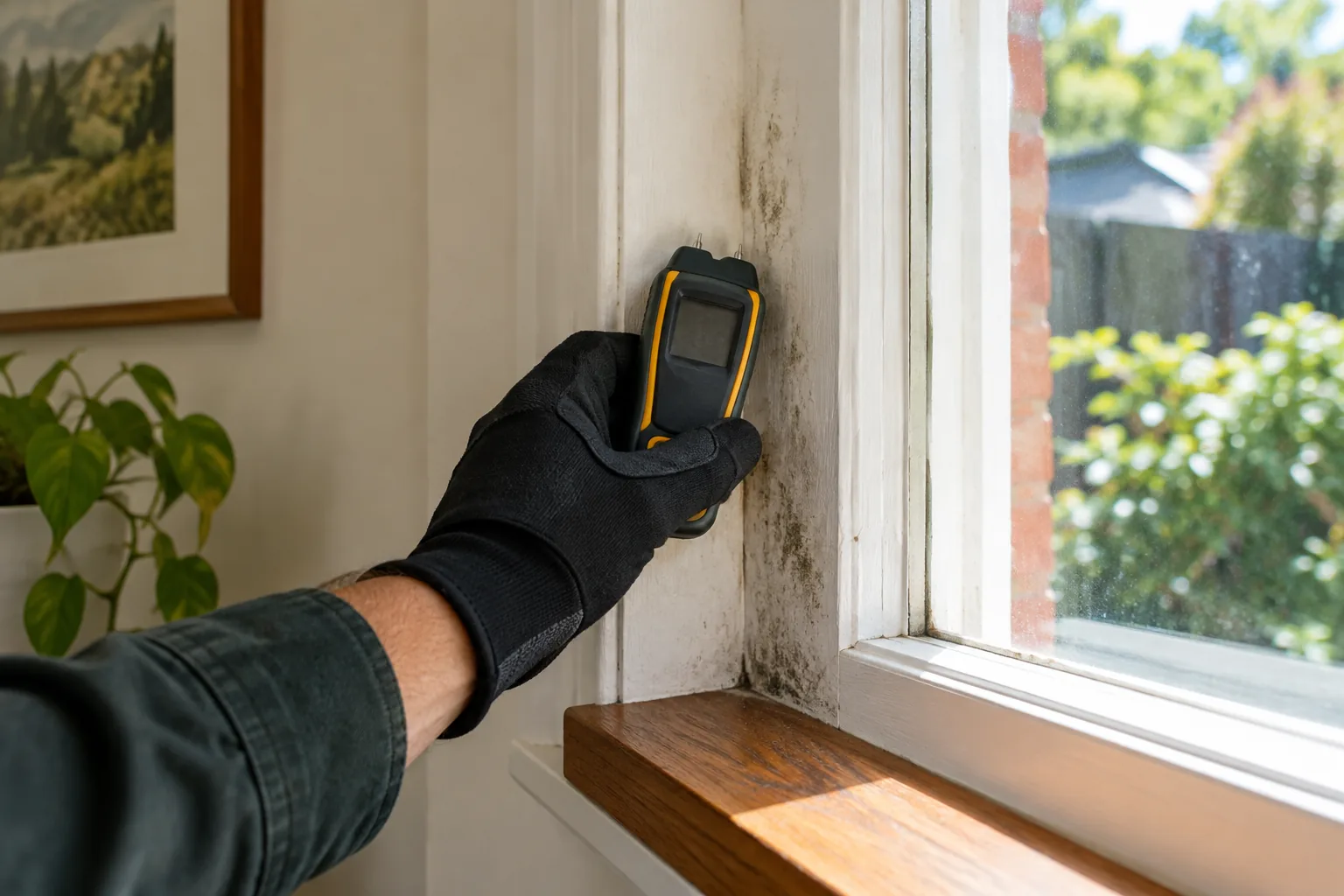
Photographs with room context help describe extent. Include peeling or bubbling paint without scraping it. A surface needing decorative preparation may also need a prior material-repair decision.
Moisture readings with limits
A hygrometer supports assessment alongside the finish condition. It does not certify concealed layers dry or establish that a leak has ended. Further investigation can be necessary where the wall remains wet.
THE SURFACE REMOVAL PROCESS
A sequence before decorative work
01
Inspect accessible surfaces
Check agreed walls, ceiling and hard floor. Discuss fragile coatings and obstacles. Define surfaces suitable for treatment and identify material needing repair rather than assuming every finish can simply be repainted.
02
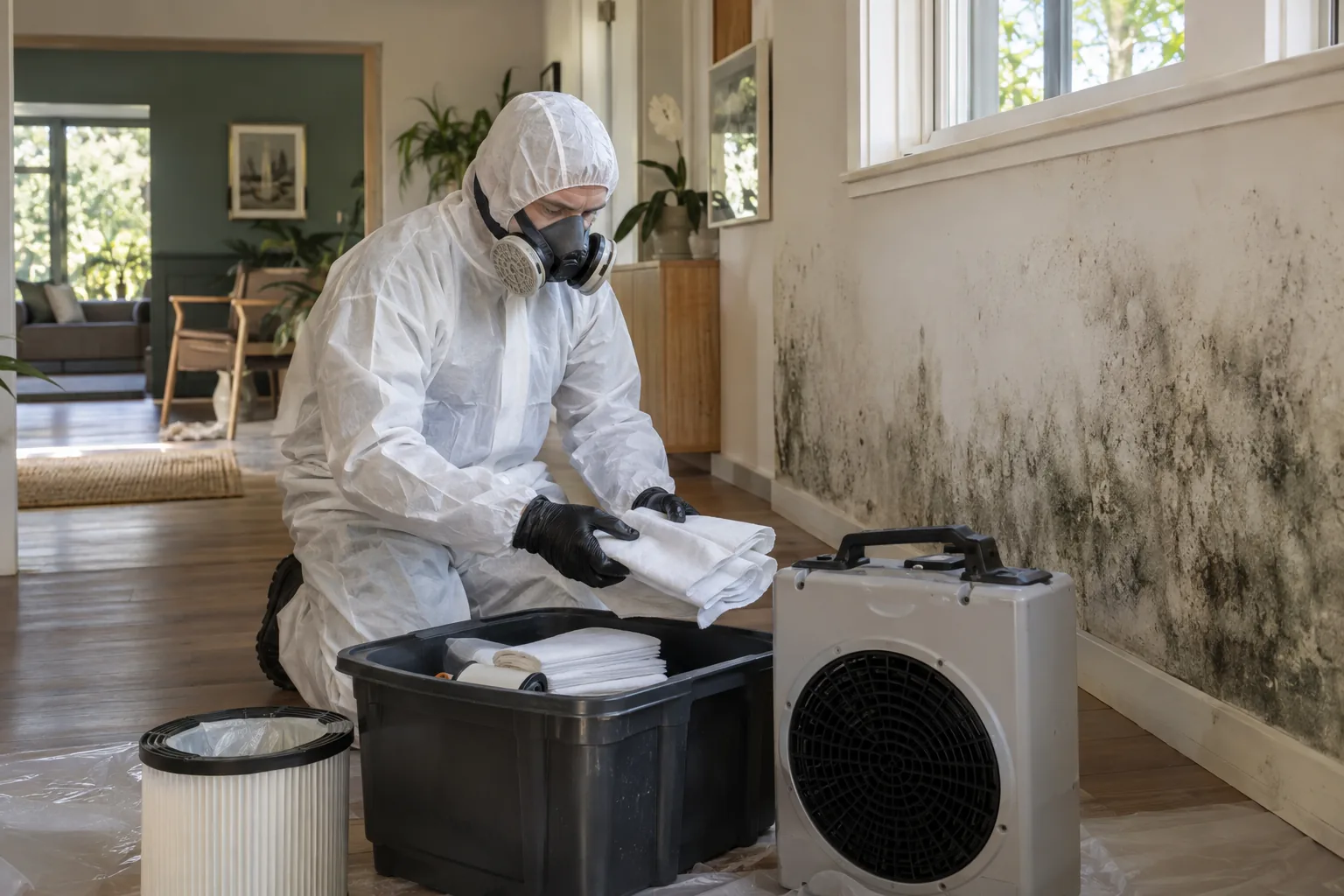
Prepare HEPA filtration
Set up air filtration and the working area. Agree clearance and people or pet arrangements. The room needs to follow preparation instructions rather than serve simultaneously as a painting or furniture-storage space.
03
Choose suitable treatment
HOCl may form part of the assessed method. Compatibility and condition guide use. Treating growth does not guarantee a uniform colour or a new-looking wall ready for immediate decorating.
04
Explain ULV application
Where ULV application supports the job, discuss preparation and restrictions. It complements the agreed room work without replacing source repairs or inspection of concealed wall material.
05
Remove visible residues
Use suitable physical removal equipment with H-class filtration. The remediation process combines treatment and removal. Furniture, carpet and textiles remain excluded even if they will be moved for decorating.
06
Finish filtration and review
Continue filtration and explain treated surfaces, residual stains and moisture follow-up. Any repainting, repair or decorative preparation is separately arranged. Completion of removal is not a guarantee that every old mark has vanished.
VISIBLE & ACCESSIBLE
Finishes to describe
Painted walls
Give the extent and coating condition. Loose or blistered paint may need separate preparation.
Ceiling corners
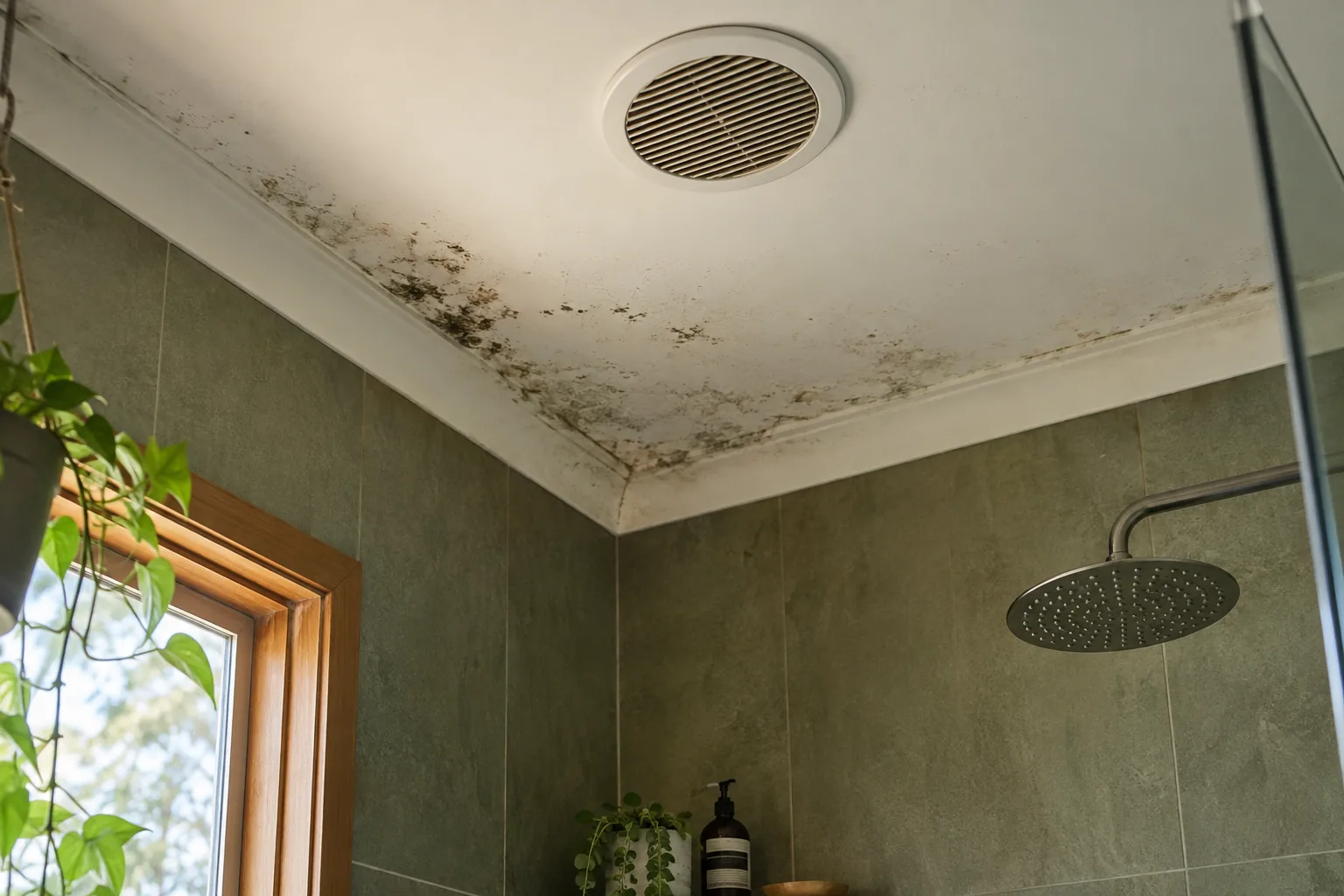
Mention height and known leakage. An upper patch may need assessment beyond the planned wall repaint.
Wet-room surfaces
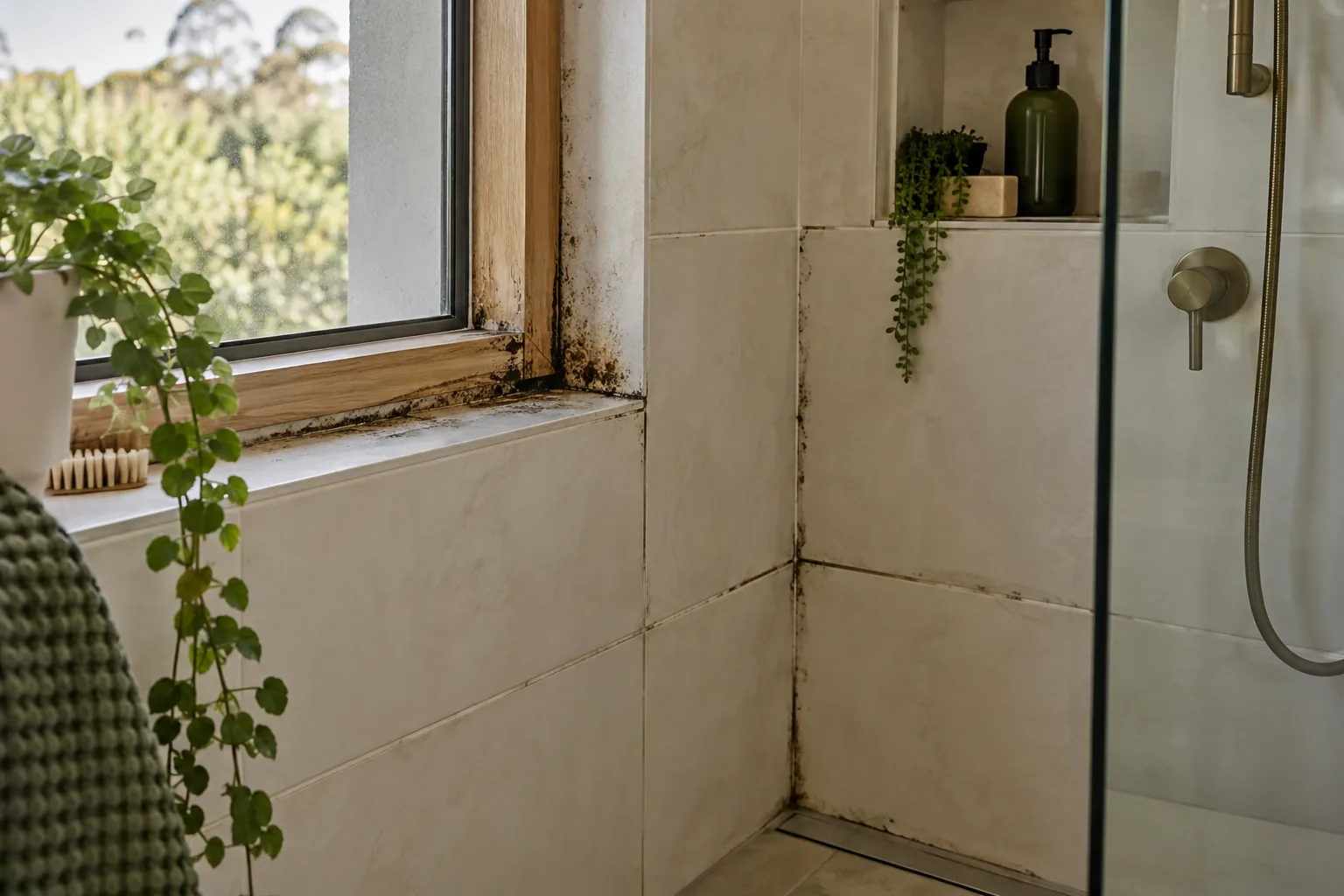
Explain extraction and wetness. Plumbing or waterproofing repairs are separate tasks.
Hard floors
Identify material and damage. Carpets and other soft coverings are excluded.
PREPARATION & LIMITS
Define treatment and decorating clearly
Visible accessible walls, ceilings and hard floors are included as agreed. Furniture, sofas, mattresses, curtains, carpets, clothing and textiles are excluded. Clearing belongings for a repaint does not make them part of structural-surface treatment.
Average working time is about three hours per room, depending on extent and access; charging is not hourly. Cosmetic staining may remain. Repainting or decorating can be separately quoted after moisture concerns and damaged materials have been addressed.
AFTER THE SURFACE WORK
Keep evidence of recurrence
Record continuing dampness before covering the finish with fresh paint. Review suitable extraction and airflow, and arrange the appropriate trade for known defects. A decorative refresh cannot stop water entering through a leak or repair weakened material.
Our general scope explains the structural service. If growth returns, revisit its moisture source rather than repeatedly painting over the patch. The follow-up should reflect actual conditions, without a permanent-cure promise.
GARFIELD · NEARBY LOCATION PAGES
Nearby township pages
Bunyip, Iona and Tynong provide surrounding-area navigation. Confirm the Garfield address and visit availability. The links do not imply local offices or particular client properties.
BEFORE YOU ARRANGE WORK
Questions for your enquiry.
Should I paint before the assessment?
Wait until the visible concern and dampness have been considered. Paint can conceal evidence without fixing growth or moisture. Explain the decorative plan so assessment and any separate repair can be ordered appropriately.
Will all dark marks disappear after treatment?
No cosmetic guarantee applies. Old staining can remain after growth removal. Repainting or decorative restoration may be needed separately once the material condition and moisture issue are addressed.
Is sanding included in removal?
Decorative preparation is not automatically included. Discuss the damaged coating and any planned repaint. A separate quote may be required, and the surface may first need a repair decision.
Can a damp wall be repainted immediately?
Discuss its condition and source follow-up before decorating. A cleaner appearance does not establish that the wall has dried or that hidden material is sound. Painting over continued wetness can conceal the unresolved issue.
Will you clean furniture moved out for painting?
No. Furniture and textiles are excluded. Their movement can provide access to structural surfaces but does not extend treatment to the belongings themselves.
Does removal guarantee the new paint stays clear?
No permanent prevention is promised. Growth can return if dampness continues. Source repairs and suitable moisture management remain necessary even after treatment and a separately arranged repaint.
Discuss the Garfield finish
Call 03 8652 1296 with the address, paint condition and dampness history. We can discuss availability and assessment before decorative work is planned.
Useful references: Official local context