
IONA · MELBOURNE
Mould Removal Iona
FLOOR EDGE · MATERIAL · ACCESS
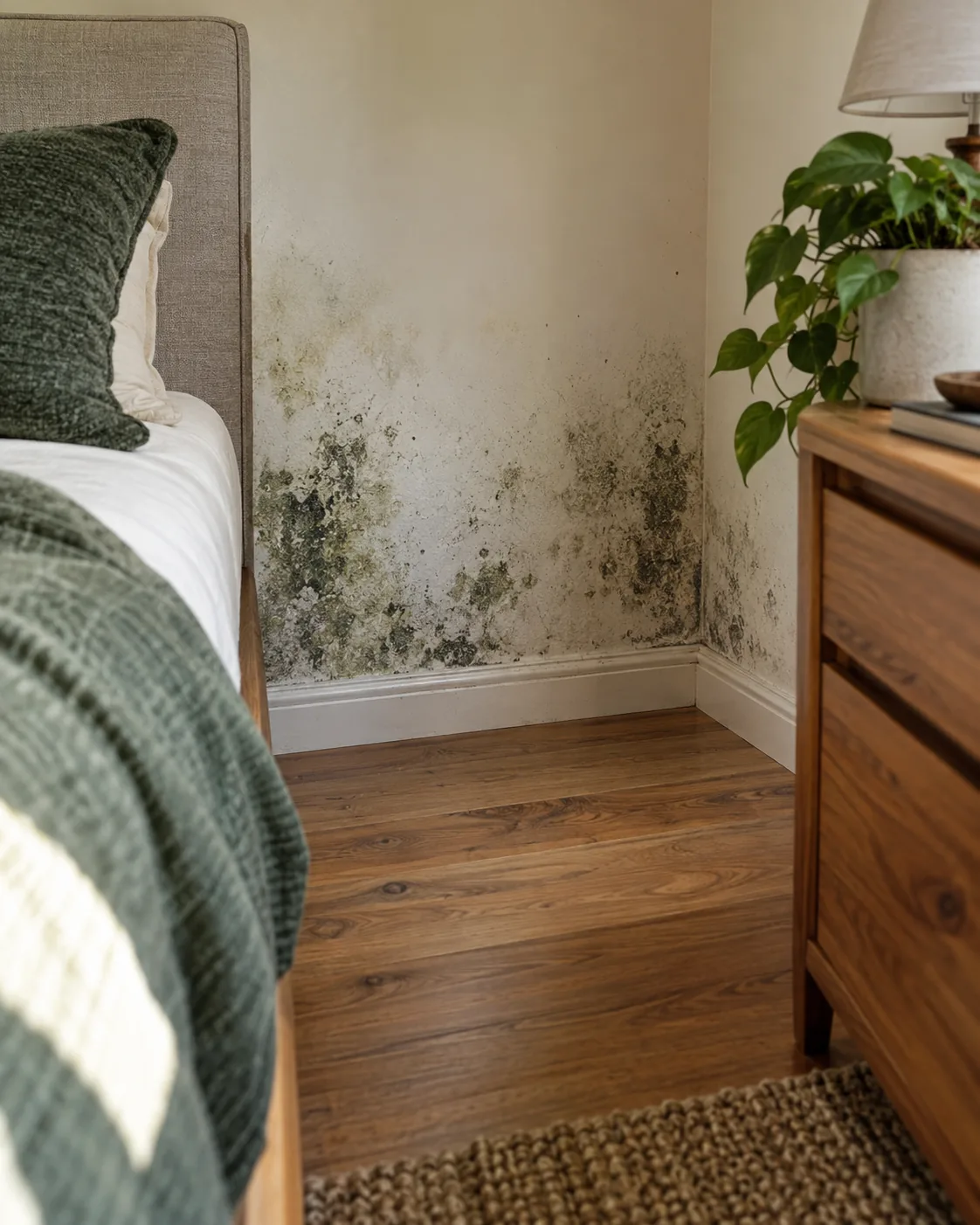
When growth is visible along a hard-floor edge in an Iona room, describe the floor material as well as the wall. Lifting, swelling and dampness can require decisions beyond cleaning. We discuss address-based availability and reachable structural surfaces without promising repair of damaged finishes.
Hard-floor material identified
Wall and edge access assessed
Damage distinguished from growth
SURFACES & THEIR SETTING
Confirm the Iona property
Iona is a recognised Cardinia locality. Give the full street address and entry contact when enquiring. The local name does not establish a water event, floor type or cause of dampness at an individual property.
The wall-floor junction
Explain whether spotting is on paint, skirting or an accessible hard floor. Our inspection information considers visible growth and moisture. A low patch does not by itself diagnose a leak or concealed floor problem.
Coverings and obstructions
Tell us about rugs, carpet, furniture and fixed cabinets. Carpets and textiles are excluded, and heavy clearance is not automatically included. Access to the structural surface needs agreement rather than an assumption that everything can be lifted.
Separate material damage from cleaning
A distorted board, swollen trim or loose coating may require repair or replacement. Describe current wetness and any known incident. Growth removal cannot reverse damage or establish the condition of concealed layers.
Useful photographs
Show the room and edge from a safe position, with close views of the finish where practical. Avoid lifting flooring or removing skirting to gather details for a basic enquiry.
Moisture assessment limits
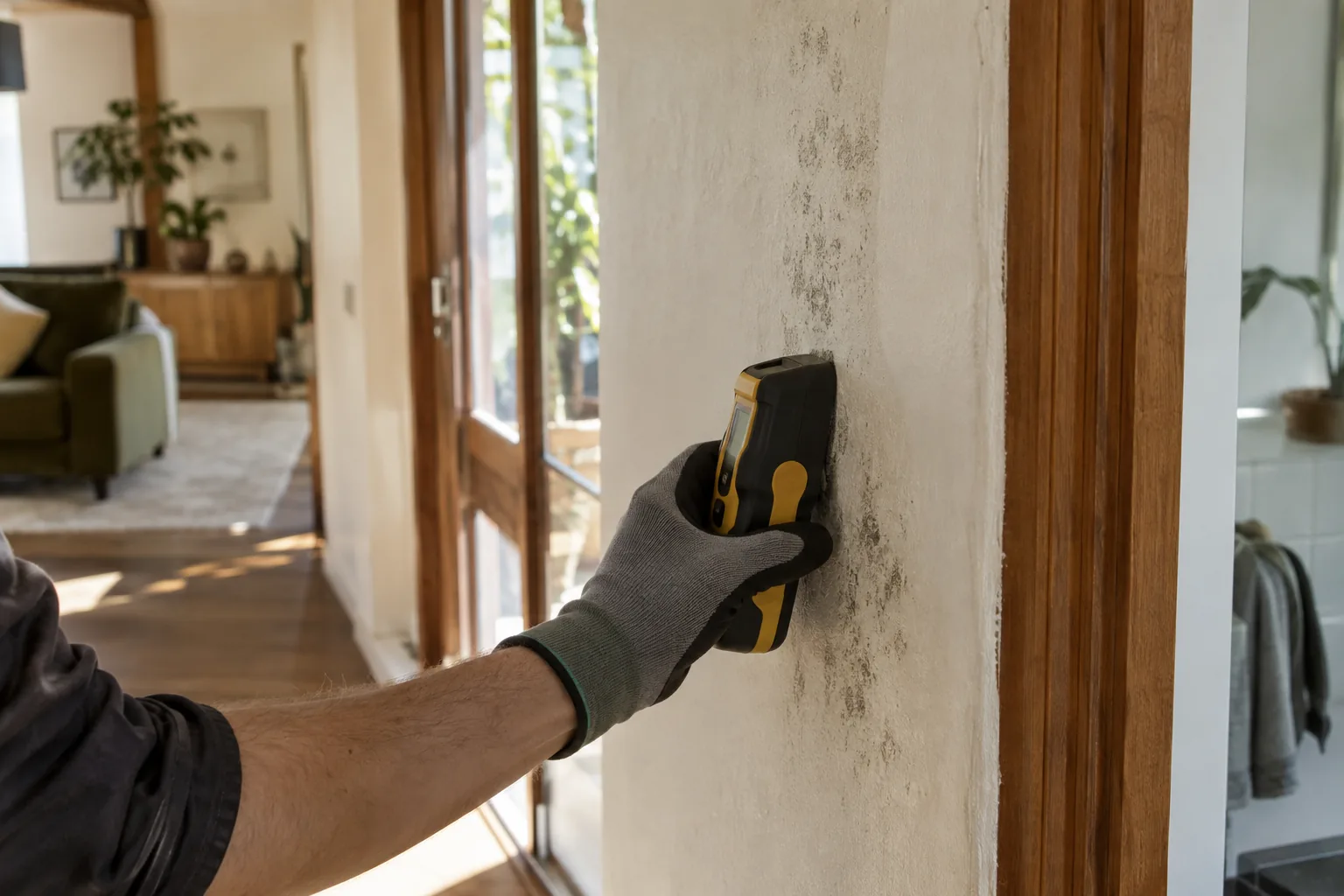
A hygrometer supports assessment alongside the visible condition. It does not certify material beneath the floor or inside the wall dry. Persistent dampness may need a separately arranged source investigation.
THE SURFACE REMOVAL PROCESS
A material-led sequence
01
Inspect the accessible finishes
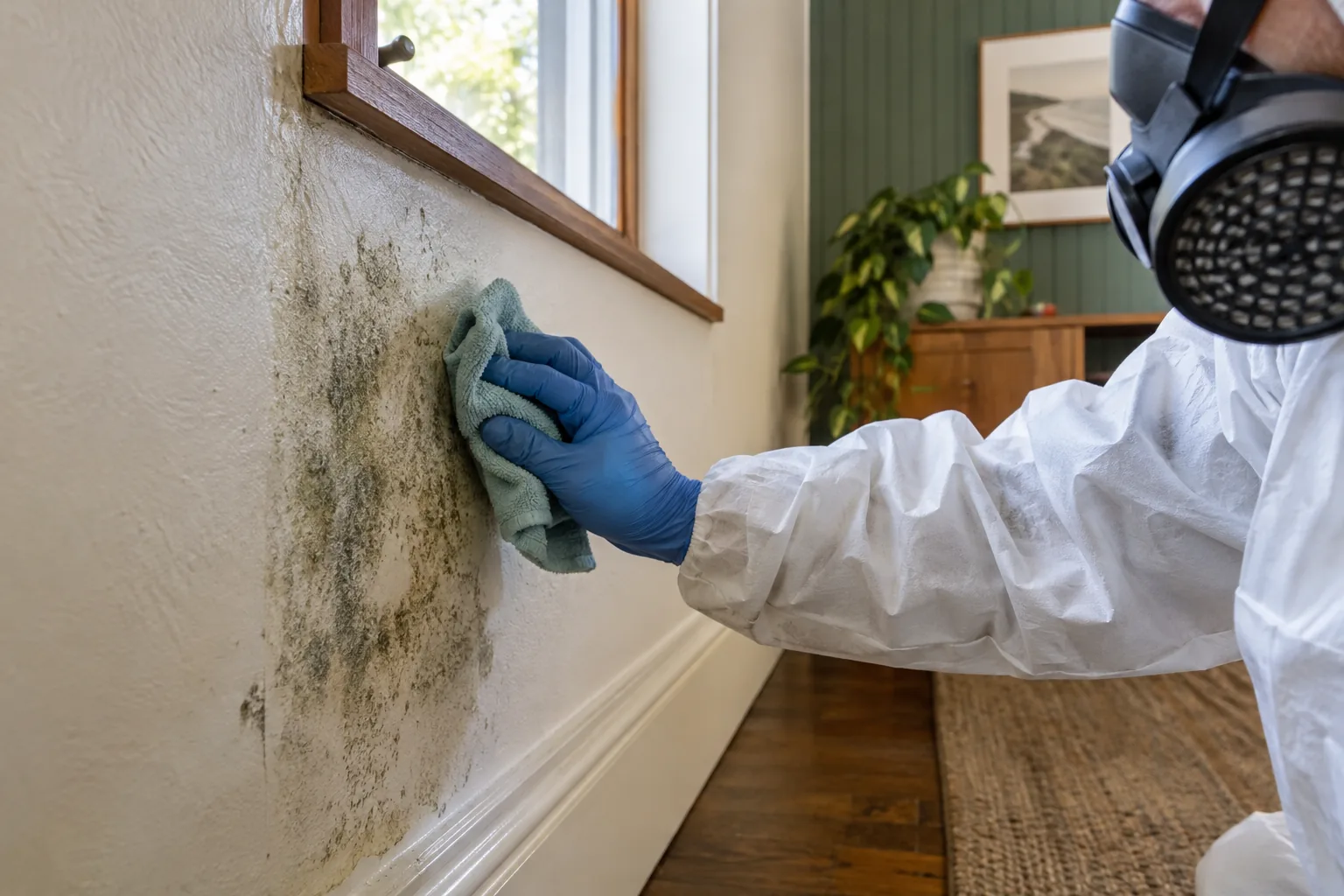
Check agreed walls, ceiling and hard floor. Discuss damage and obstructions. Identify surfaces needing a repair decision before selecting treatment, rather than assuming every floor-edge concern is a simple clean.
02
Prepare HEPA filtration
Set up air filtration and the working area. Agree clearance and people or pet arrangements. Floor access and equipment routes should reflect the actual room, including any fixed obstacles remaining in place.
03
Choose suitable treatment
Appropriate HOCl treatment may be selected for assessed surfaces. Material compatibility and condition guide use. Treatment does not restore warped flooring or guarantee that old discolouration disappears.
04
Discuss ULV application
Where ULV application suits the room, explain preparation and restrictions. It supports the agreed method without assessing every concealed floor layer or repairing the source of ongoing wetness.
05
Remove visible residues
Use suitable physical removal equipment with H-class filtration. The remediation approach combines treatment and removal. Carpet, rugs and furniture remain excluded even when they touch an included hard floor.
06
Finish filtration and review
Continue filtration and explain treated surfaces, staining and damaged material needing follow-up. Separate repairs or decorating should be arranged clearly rather than implied by completion of surface removal.
VISIBLE & ACCESSIBLE
Details for the enquiry
Hard-floor edges
Name the finish and any lifting. Material repair is outside the growth-removal scope.
Lower walls
Give patch height and coating condition. A low mark alone does not establish a cause.
Ceiling areas
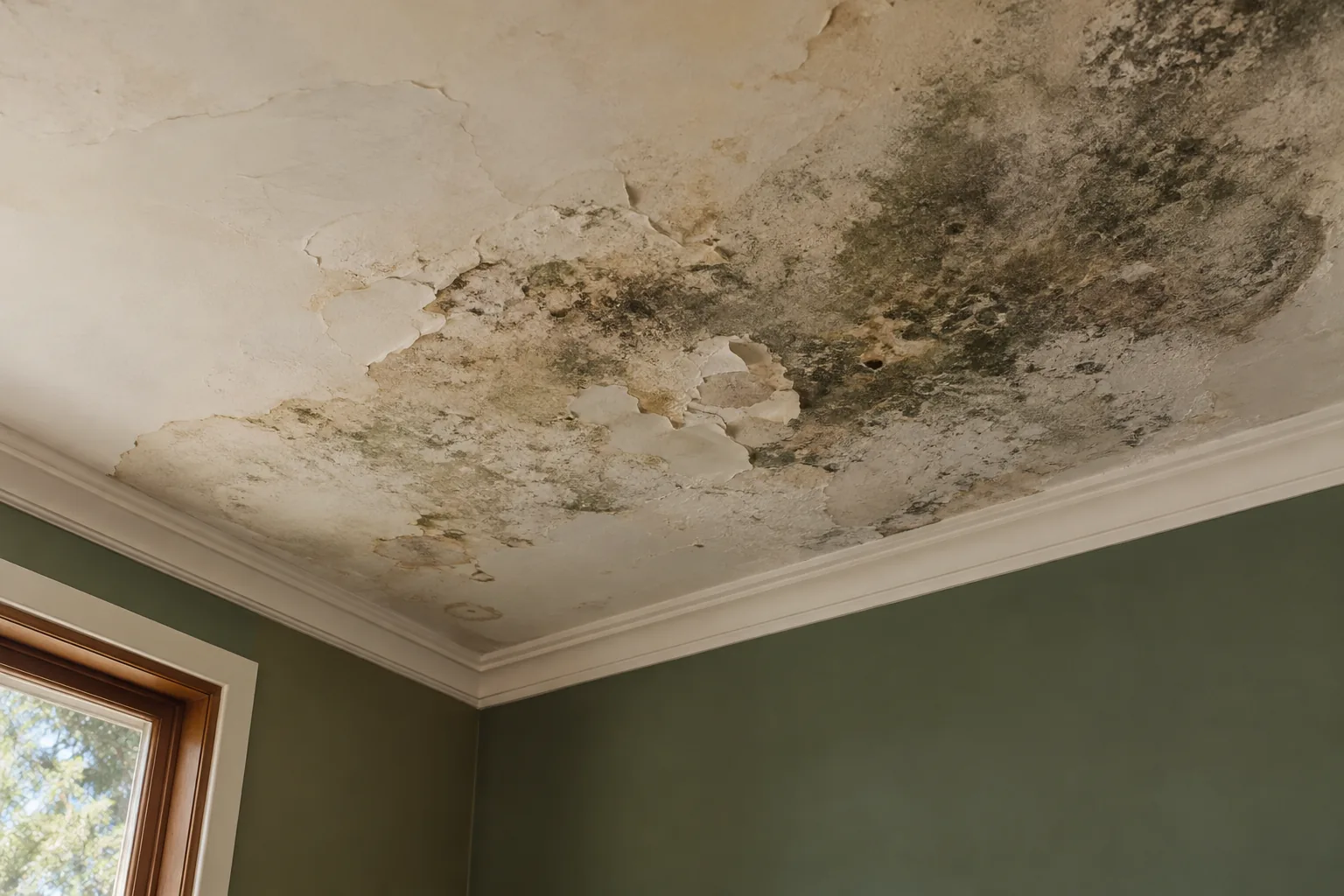
Mention height and known water history. Concealed roof-space work is separately arranged.
Wet-room finishes
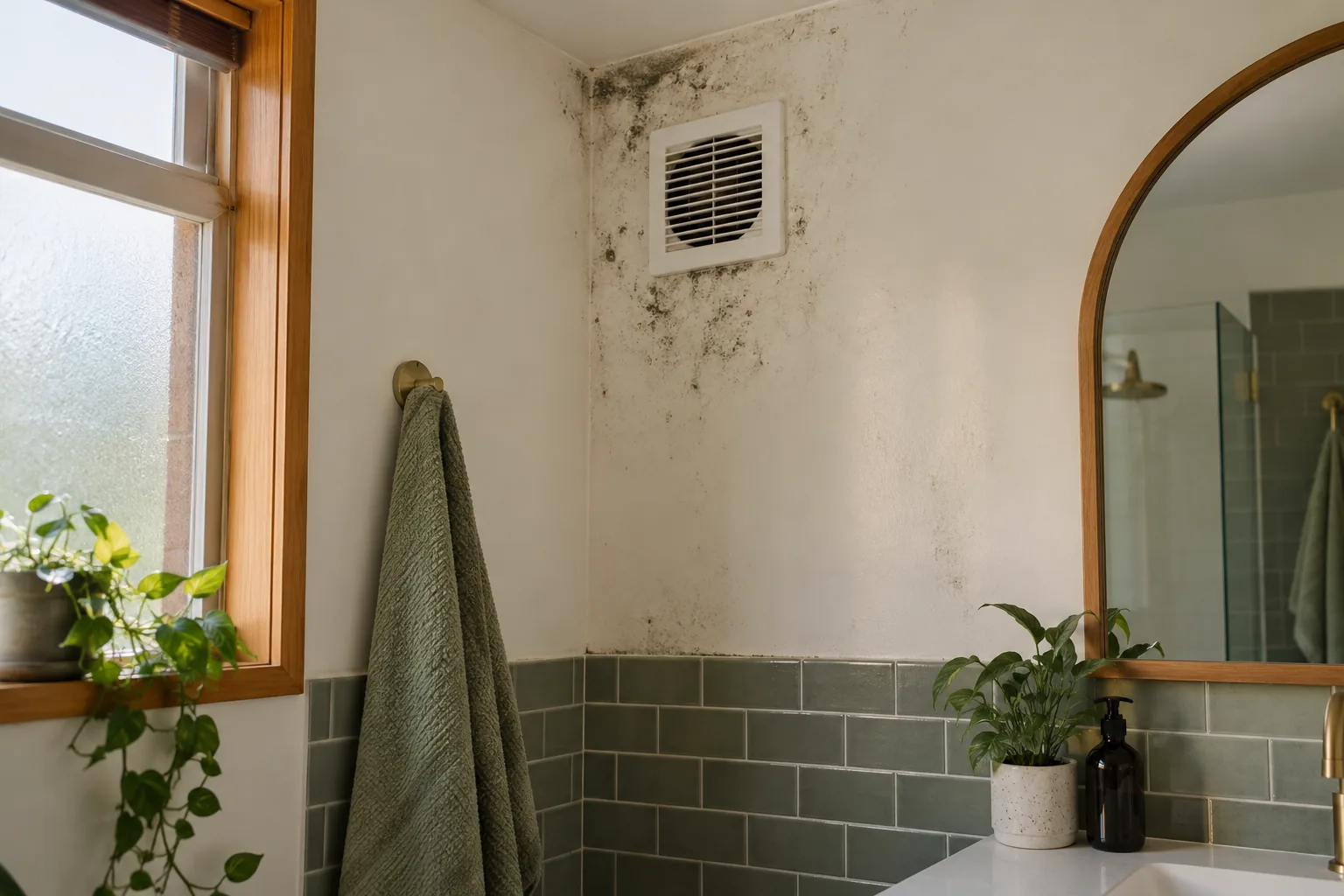
Describe plumbing concerns and routine wetness. Fitting repairs are not included.
PREPARATION & LIMITS
Keep the floor scope clear
Visible accessible walls, ceilings and hard floors are covered as agreed. Furniture, sofas, mattresses, carpets, curtains, clothing and textiles are excluded. Describe coverings separately so an inaccessible hard floor is not assumed included or extended to carpet treatment.
Working time averages about three hours per room, varying with extent and access; pricing is not hourly. Cosmetic staining may remain after treatment. Repainting or decorating can be separately quoted once dampness and compromised finishes have been addressed.
AFTER THE SURFACE WORK
Observe the edge after work
Record recurring dampness and any continuing distortion with dated notes. Check practical airflow and suitable extraction where relevant. A cleaner edge does not establish that material beneath it has dried or that a leak has stopped.
The general service scope explains structural-surface work. Arrange the appropriate trade for persistent wetness or damaged flooring. If growth returns, investigate the source rather than repeatedly treating the visible junction as cosmetic dirt.
IONA · NEARBY LOCATION PAGES
Nearby locality pages
Garfield, Bunyip and Tynong provide surrounding-area navigation. Confirm the exact Iona address and visit availability. Nearby links do not claim a local office, a particular property incident or unrestricted travel.
BEFORE YOU ARRANGE WORK
Questions for your enquiry.
Are carpets part of hard-floor treatment?
No. Carpets and other textiles are excluded. Describe coverings and access before booking so the quoted hard surface is actually reachable and its treatment is not confused with carpet cleaning.
Can you repair swollen skirting?
Repair or replacement is separate from growth removal. Mention swelling and condition during the enquiry. Treatment does not restore damaged timber or guarantee that its old marks disappear.
Will you lift flooring to inspect underneath?
Not within standard visible-accessible-surface work. Concealed layers need a separately defined investigation and access arrangement. A treated surface is not proof that material beneath it has been checked.
Does a floor-edge patch prove a plumbing leak?
No. It describes location, not cause. Explain water history, wetness and material condition so assessment can identify useful source questions without a diagnosis from the patch alone.
Should I remove rugs before calling?
You can describe them during the enquiry, but follow the agreed preparation plan before major clearance. Rugs are excluded, and heavy furniture movement should not be improvised solely to expose a floor edge.
Will removal prevent future floor damage?
No. Ongoing wetness or a defect needs separate attention. Growth treatment does not repair flooring or promise permanent prevention; follow-up depends on the actual moisture source and material condition.
Discuss the Iona floor edge
Call 03 8652 1296 with the address, floor material and dampness history. We can discuss availability and assessment of the accessible structural surfaces.
Useful references: Official local context