
SURFACE TREATMENT · MOISTURE FOLLOW-THROUGH
Mould Remediation Croydon
Pulling a rug aside may reveal a marked hard-floor edge, but the rug and the exposed finish remain different requests. For your Croydon enquiry, describe the flooring material, nearby wall and what is currently visible. Remediation planning should establish suitable accessible work without promising rug cleaning, floor lifting or assessment of the layers beneath the exposed surface.
The exposed material is identified.
Textile exclusions remain clear.
Covered-floor limits are acknowledged.
TREATMENT & FOLLOW-THROUGH
UNDERSTANDING THE AFFECTED ROOM
A revealed floor is not an included rug service
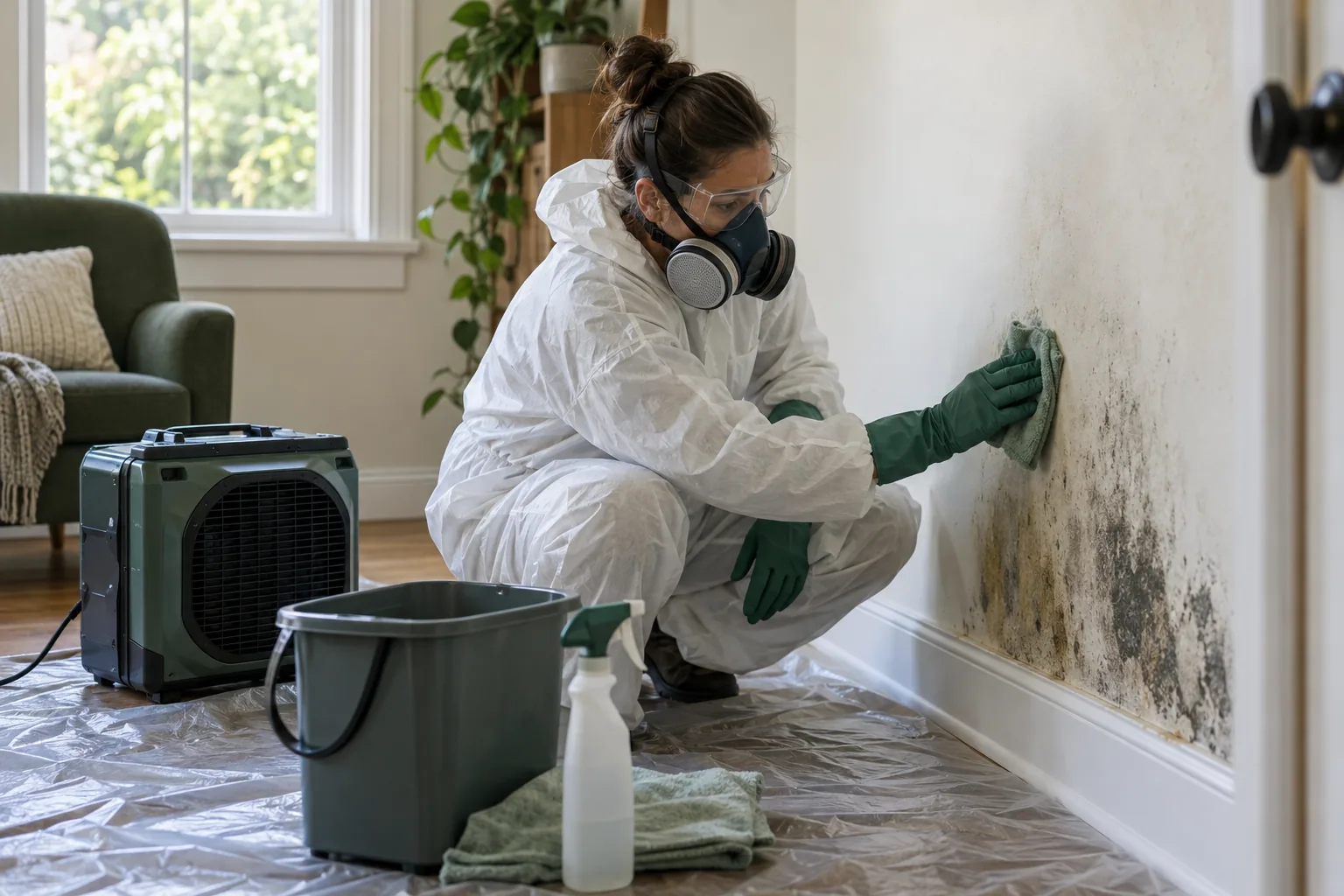
Remediation combines assessment, air filtration, appropriate application and physical removal of visible mould within an accessible scope. Explain whether the exposed finish is a hard floor and identify the mark’s boundary. Its relationship to a nearby wall may need consideration without assuming both surfaces are automatically included.
The remediation service outline describes supported work. Rugs, carpets and other textiles are excluded, while flooring repairs or replacement require separate arrangements. A lifted rug provides a view of the top finish; it does not establish access to or condition of underlying construction layers.
MOISTURE & CONTAMINATION
Locate water on the finish actually observed
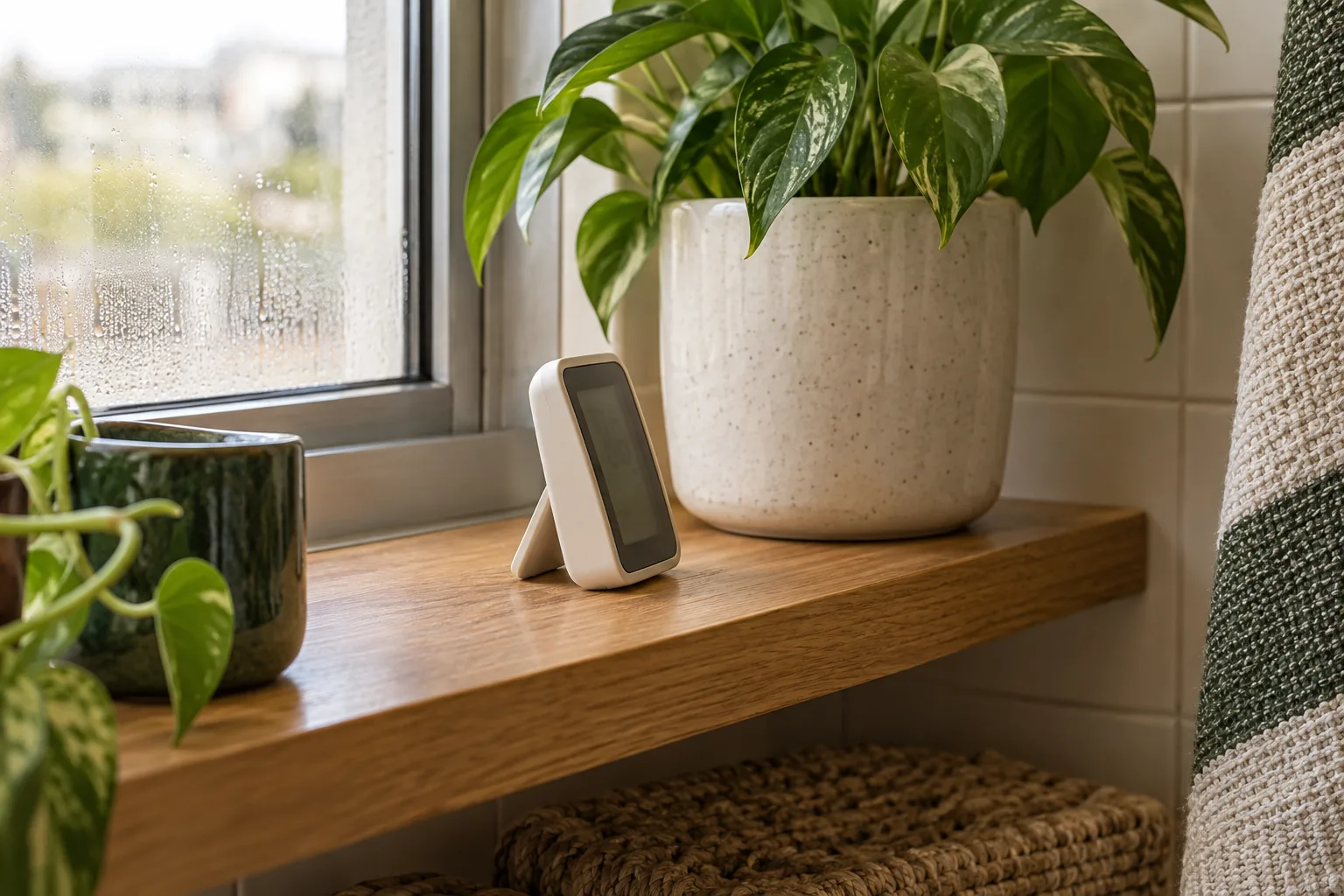
Tell us whether water was observed on the wall or floor and when the rug was moved. The professional hygrometer provides room-air relative-humidity information. It does not measure moisture beneath flooring, assess a rug’s internal condition or certify a subfloor as dry.
Arrange separate correction for known water-entry or ventilation faults. Continuing dampness can allow recurrence after visible treatment. A surface inspection enquiry may clarify accessible condition, without promising destructive access, floor probes or laboratory testing of covered material.
A DEFINED TREATMENT SEQUENCE
Treat the agreed exposed area
1
Agree the accessible scope
Assess the revealed finish and any adjoining wall concern, agreeing suitable checks and explicit hard-surface boundaries.
2
Begin air protection
Set up confirmed HEPA air-scrubber protection before application, arranging access to the available floor and wall area.

3
Choose the treatment application
Use HOCl appropriately on suitable agreed materials, considering ULV dry fog where appropriate without textile-treatment promises.
4
Remove visible growth
Physically remove visible mould using professional H-class filtered equipment on the accepted exposed finish, not beneath flooring.
5
Continue final air cleaning
Continue HEPA air cleaning during and after work, explaining remaining appearance and the specific advice for returning.
Different room finishes keep different boundaries
Walls
Walls beside a floor concern need their exposed area named rather than assumed part of a floor request.
Ceilings
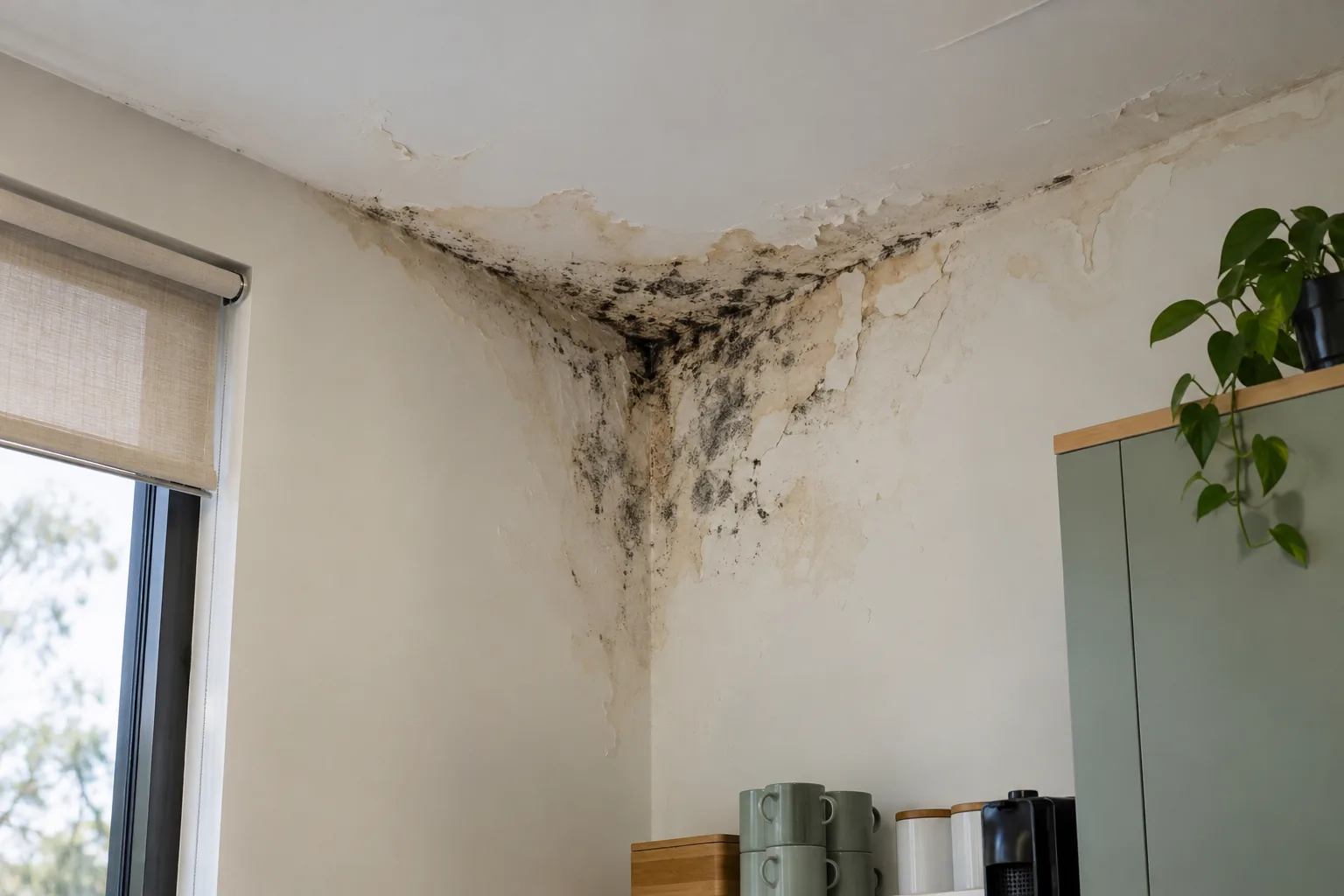
Ceiling marks require their own safe-access decision and description of any damaged finish.
Bathrooms
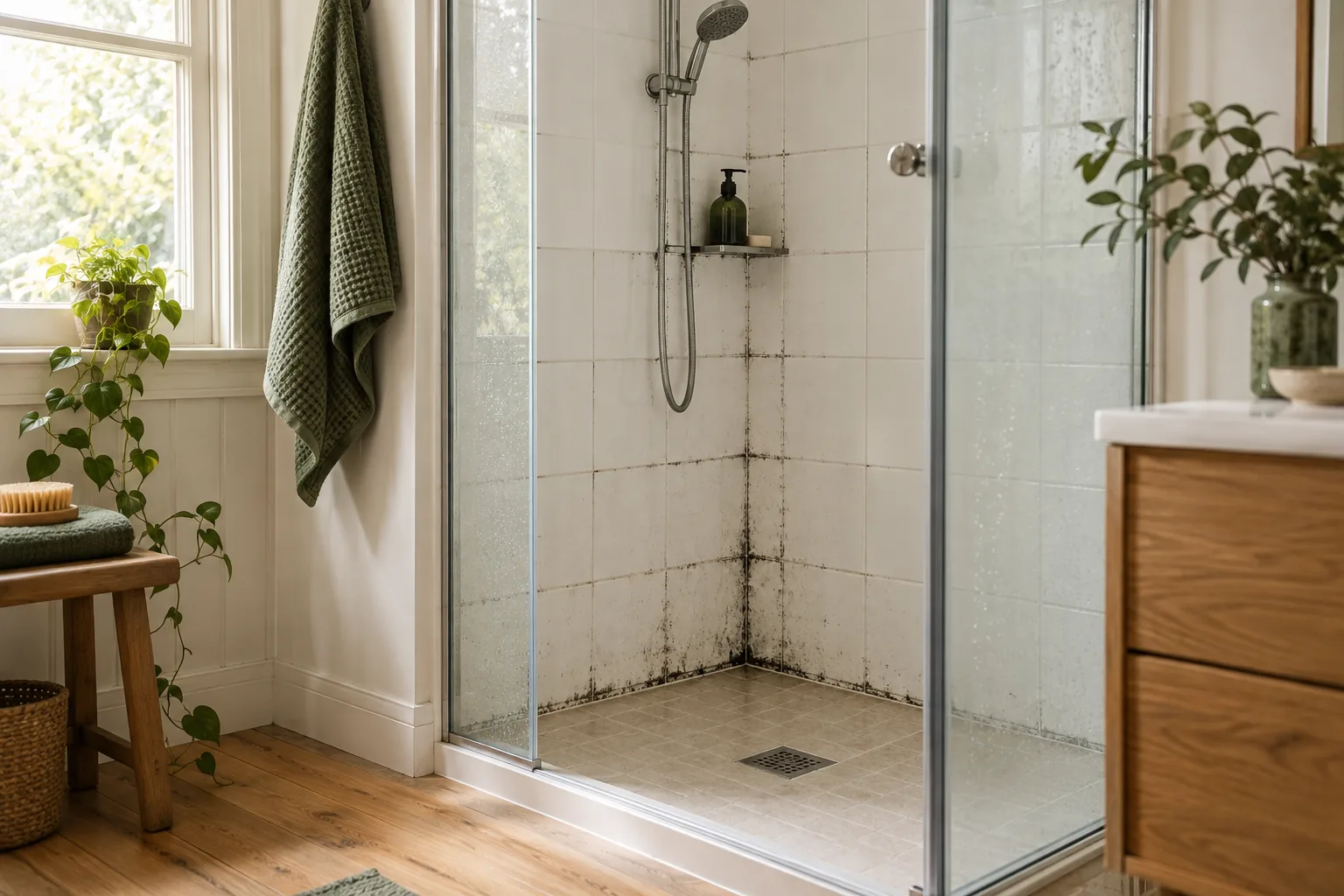
Bathroom hard-floor areas and shower joints are distinct materials; towels and mats remain excluded textiles.
Kitchens
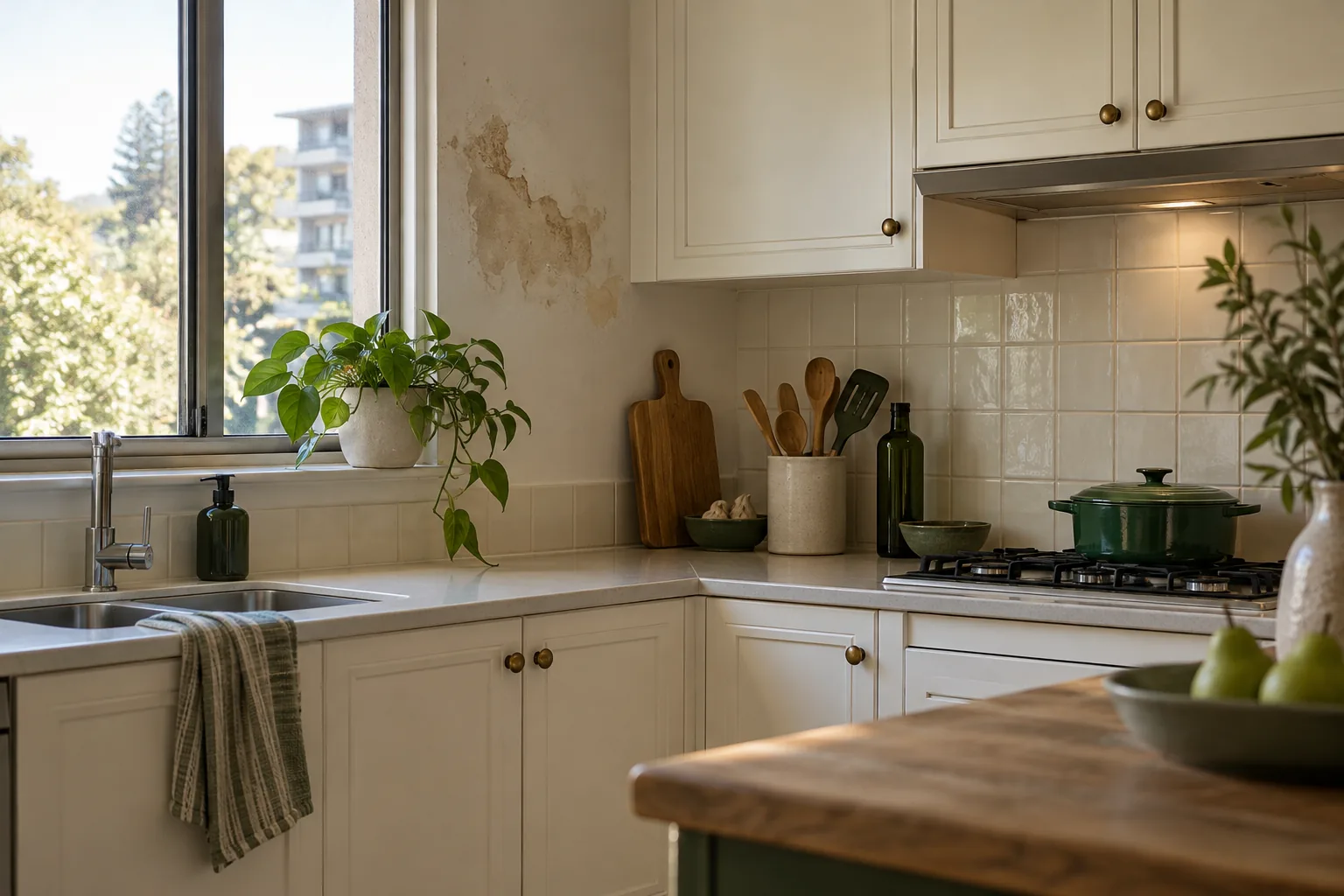
Kitchen exposed floors or walls may be considered separately from fitted cabinetry and contents.
Accessible affected surfaces
Other accessible affected walls, ceilings or hard floors need agreement, with rugs, carpets and concealed layers outside standard scope.
AFTER TREATMENT
Prepare clearance without lifting construction layers
Discuss safe removal of movable belongings and whether the exposed area can remain available. Do not lift flooring as improvised preparation. People and pets leave during treatment. Average source guidance is around three hours per room, dependent on size, contamination and access rather than a universal small-edge duration.
Cosmetic marks or floor damage may remain after visible contamination work. Restoration and repairs require separate discussion. Obtain the technician’s return instructions and advice about restoring room contents; a changed finish, room humidity or running filtration does not establish that an excluded rug or underlying material has been treated.
KEEP MOISTURE IN VIEW
Follow the hard finish after return
Observe the accessible hard finish independently of any decision about the rug.
Record new water or visible growth at its actual location.
Follow through on separately required leak or ventilation correction.
Avoid claiming an underlying layer is unchanged when it has never been viewed.
Quote for available surfaces
Identify the hard-floor material, exposed area and any adjoining wall request when discussing the quote. The price examples are labelled Mould Removal, so confirm their applicability to remediation. Rug cleaning, floor lifting and restoration should not be inferred from a room amount; agree the available finish and exclusions explicitly.
CROYDON · EXACT ADDRESS & ACCESS
Enquiries for nearby addresses
Give the full Croydon address and identify the room where the rug was moved. Explain whether the exposed floor will be accessible for attendance and who can provide entry. Nearby pages concern other premises, while this particular surface needs its own suitability, scope and availability discussion.
Questions about remediation
Does treating the floor include cleaning the rug?
No. Rugs and other textile materials are excluded from standard remediation. Keep that concern separate from the exposed hard-floor request.
Will flooring be lifted to find the hidden extent?
No lifting or destructive investigation is promised. Describe any covered concern and arrange necessary access or repairs separately.
Is the adjoining wall automatically included?
No. Identify the wall’s visible area and ask whether it is part of the agreed treatment rather than assuming every neighbouring finish is included.
Can room humidity show the subfloor is dry?
No. Air-relative humidity is not moisture within flooring or a concealed subfloor, and the confirmed instrument does not provide that certificate.
Will the floor’s original appearance be restored?
That is not guaranteed. Residual stains or damage may need separate restoration or repair after visible contamination work.
What should I report if the edge changes again?
Locate new growth or water and note its timing. Distinguish it from a residual mark or an excluded rug concern, and follow through on source correction.
Discuss the finish revealed beside the rug
Call 03 8652 1296 with the exposed floor material, available area and nearby wall concern. Clarify textile exclusions and the particular treatment quote.