
SURFACE TREATMENT · MOISTURE FOLLOW-THROUGH
Mould Remediation Armadale
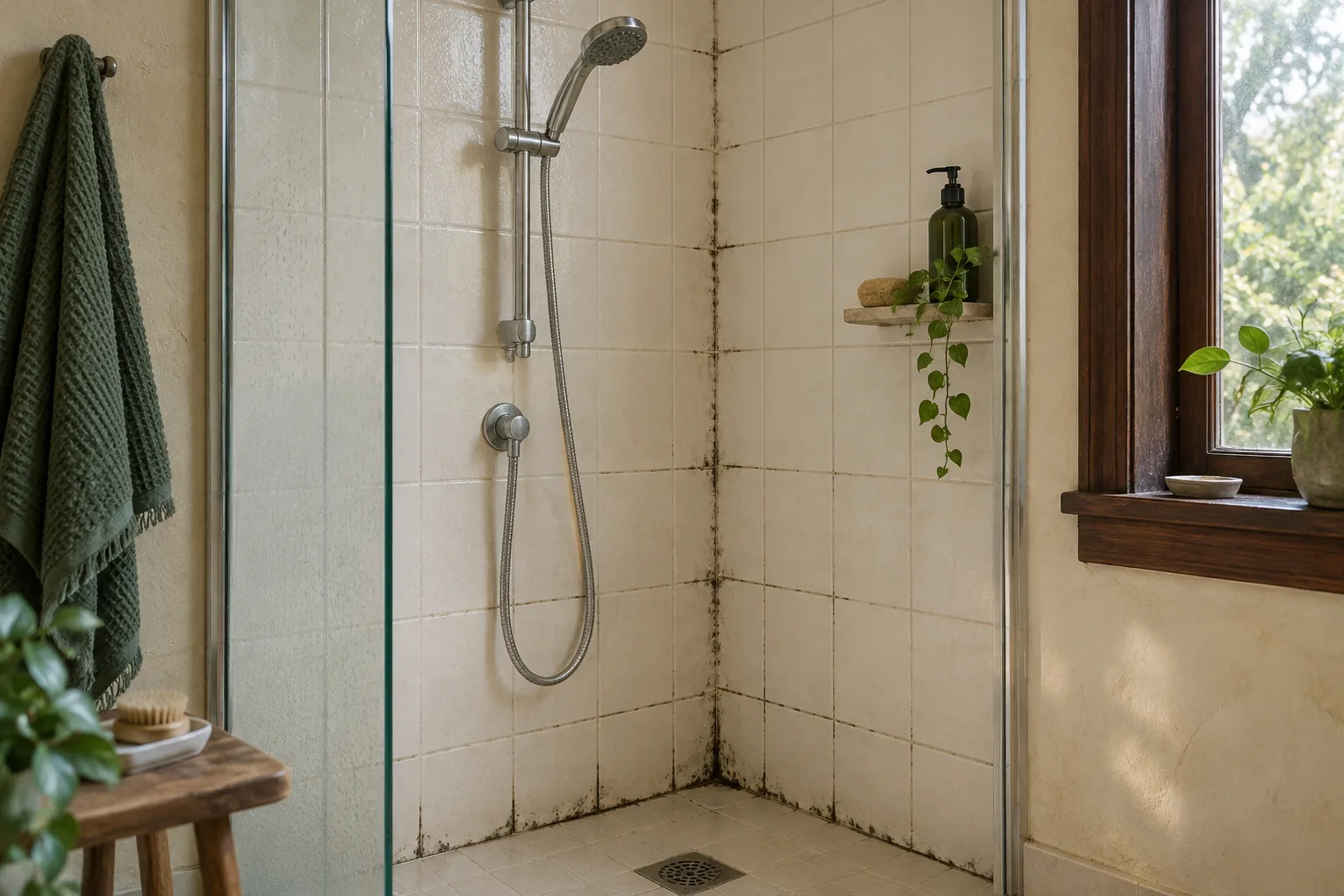
At the edge of a tiled area, a marked joint and a painted wall can be two different treatment decisions. For your Armadale enquiry, locate each visible finish and explain where the marks stop. Remediation planning should avoid describing the entire wall assembly as contaminated, treated or repaired when only particular accessible surfaces have been identified.
Visible material boundaries are located.
Treatment suitability is discussed separately.
Repairs are not silently included.
TREATMENT & FOLLOW-THROUGH
UNDERSTANDING THE AFFECTED ROOM
The edge between materials matters
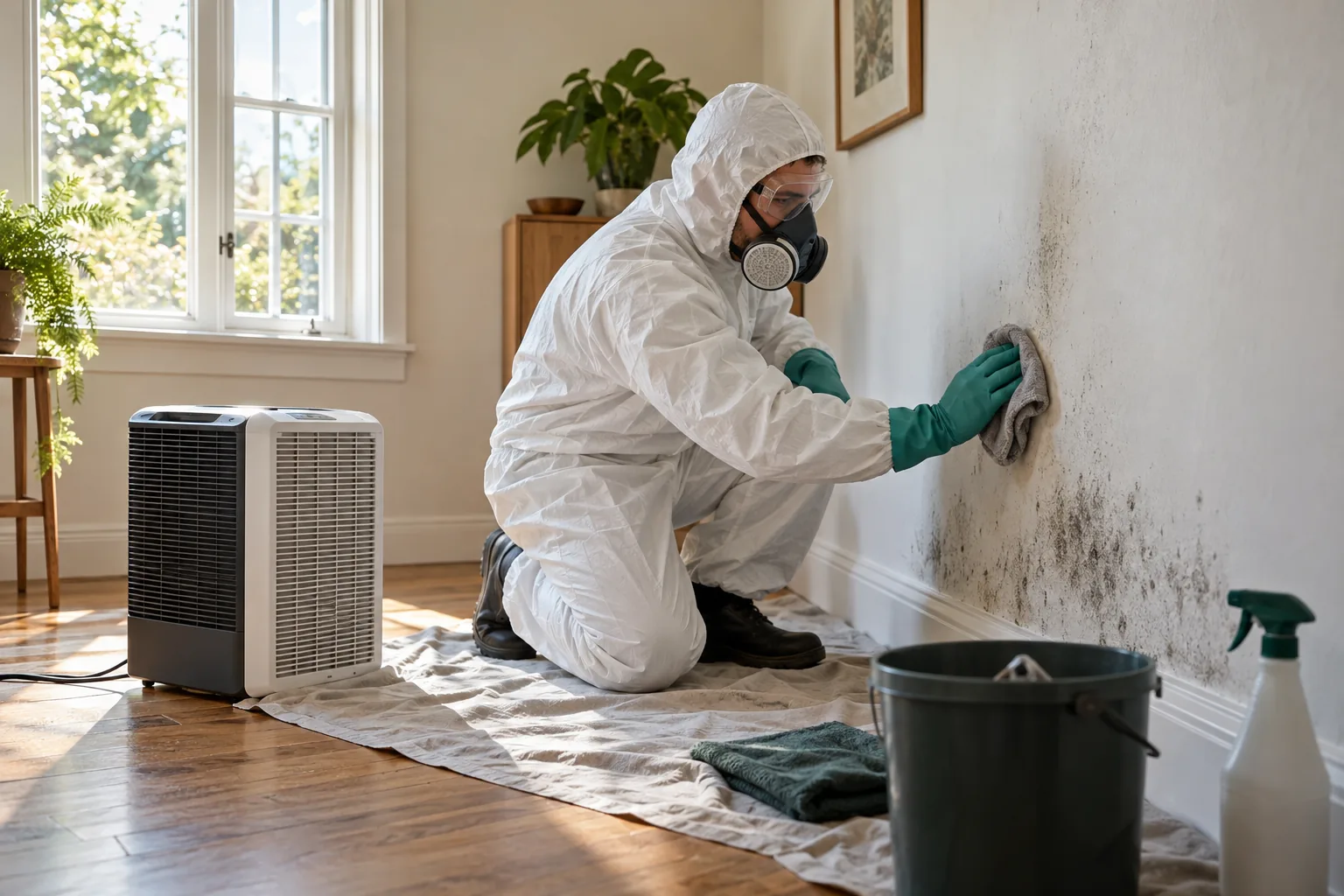
Remediation coordinates assessment, air filtration, appropriate application and physical removal of visible mould. Explain which mark lies on grout, silicone or adjacent paint, and note any deterioration. Defining the boundary helps keep treatment suitability distinct from a separate decision about joint replacement or wall repair.
Our remediation information explains supported work. Opening a tiled backing, replacing seals and repainting are not automatically included. Furniture and textiles remain excluded, and a photograph of a material edge does not establish condition behind either side.
MOISTURE & CONTAMINATION
A joint mark does not identify concealed moisture
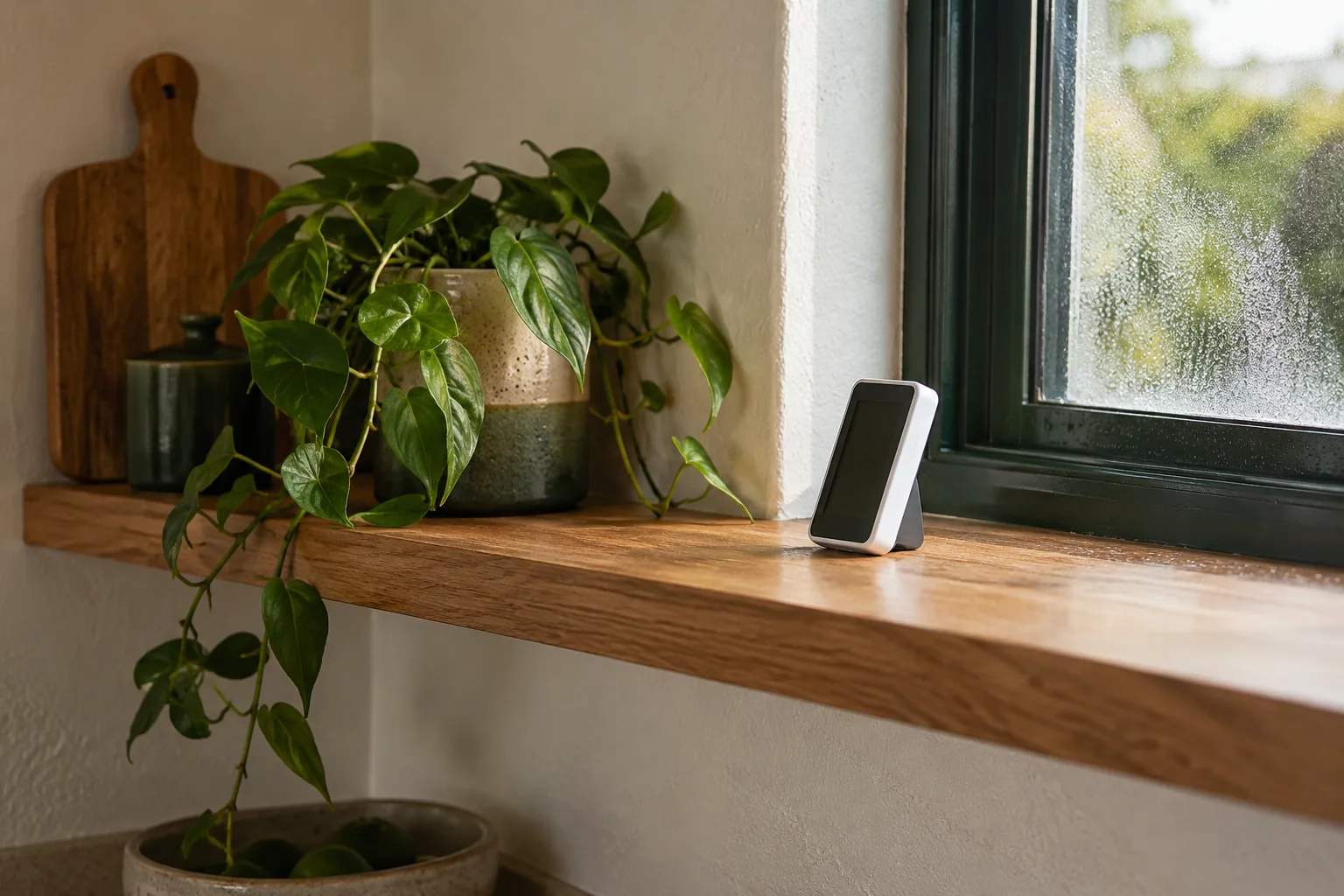
Report actual water on the joint, painted face or another surface with its timing. The professional hygrometer supplies room-air relative-humidity information. It does not determine waterproofing condition, establish material moisture behind tiles or prove a concealed leak from the mark’s position.
Arrange separately confirmed leak or ventilation corrections through the appropriate provider. Continued dampness can contribute to recurrence after visible treatment. Discuss accessible-condition inspection if the surface request needs clarification, without promising probes, destructive opening or laboratory findings.
A DEFINED TREATMENT SEQUENCE
Treat the agreed exposed finishes
1
Agree the accessible scope
Assess the exposed material edge and finish condition, agreeing suitable checks and treatment boundaries for each requested surface.
2
Begin air protection
Start confirmed HEPA air-scrubber protection before application, preparing the room around safe accessible work.

3
Choose the treatment application
Use HOCl appropriately on suitable agreed materials, considering ULV dry fog where appropriate without hidden-backing claims.
4
Remove visible growth
Remove visible mould with professional H-class filtered equipment within the agreed finish scope, leaving joint renewal and decorating separate.
5
Continue final air cleaning
Continue HEPA air cleaning during and after the process, explaining residual marks and the technician’s particular instructions for return.
Keep surface labels precise
Walls
Painted walls need their boundary beside tile or trim identified, without implying coverage of hidden backing.
Ceilings
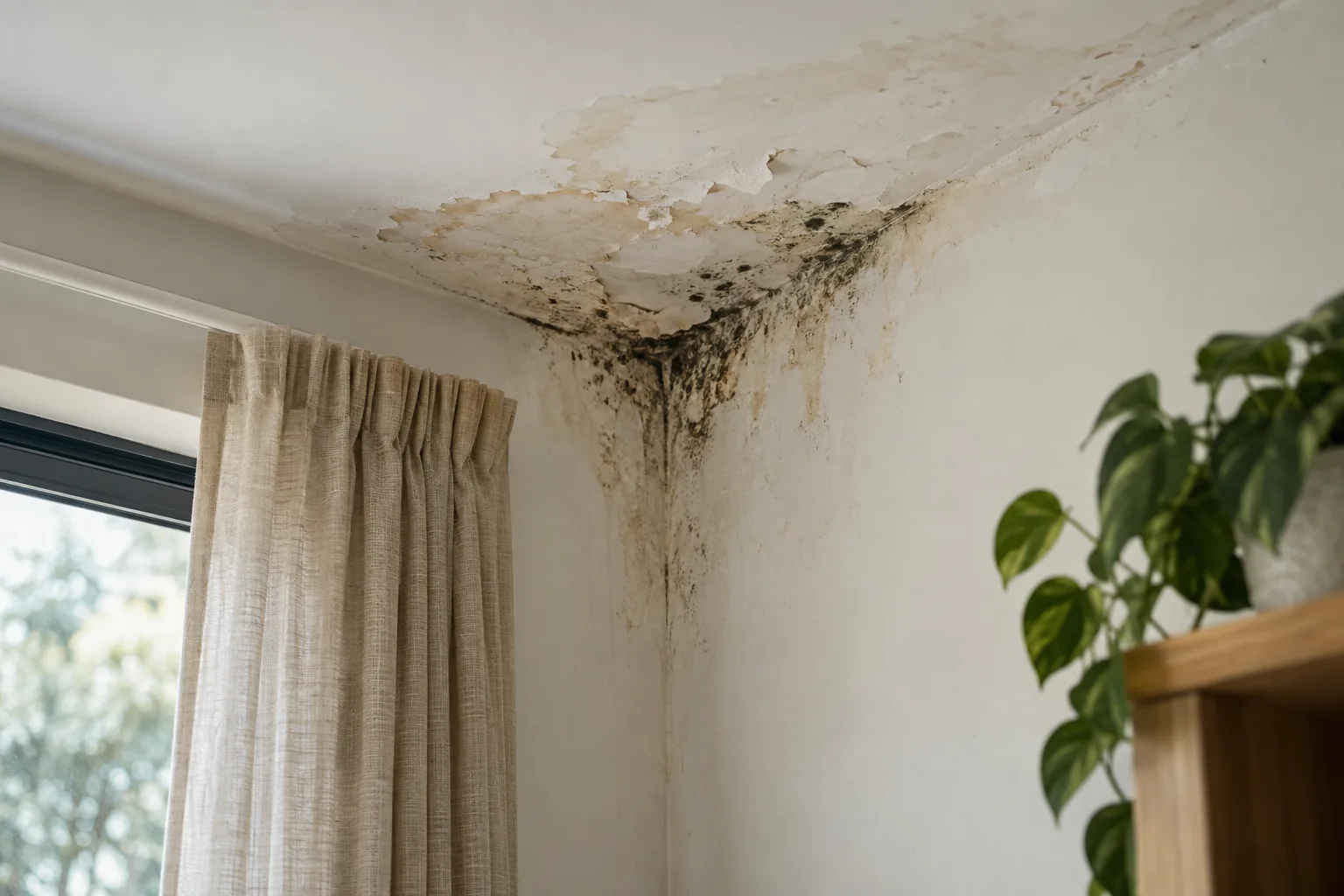
Ceilings require safe available access and a separate description of deteriorated or marked finishes.
Bathrooms
Bathroom silicone and grout are different joints, while nearby paint needs its own suitability consideration.
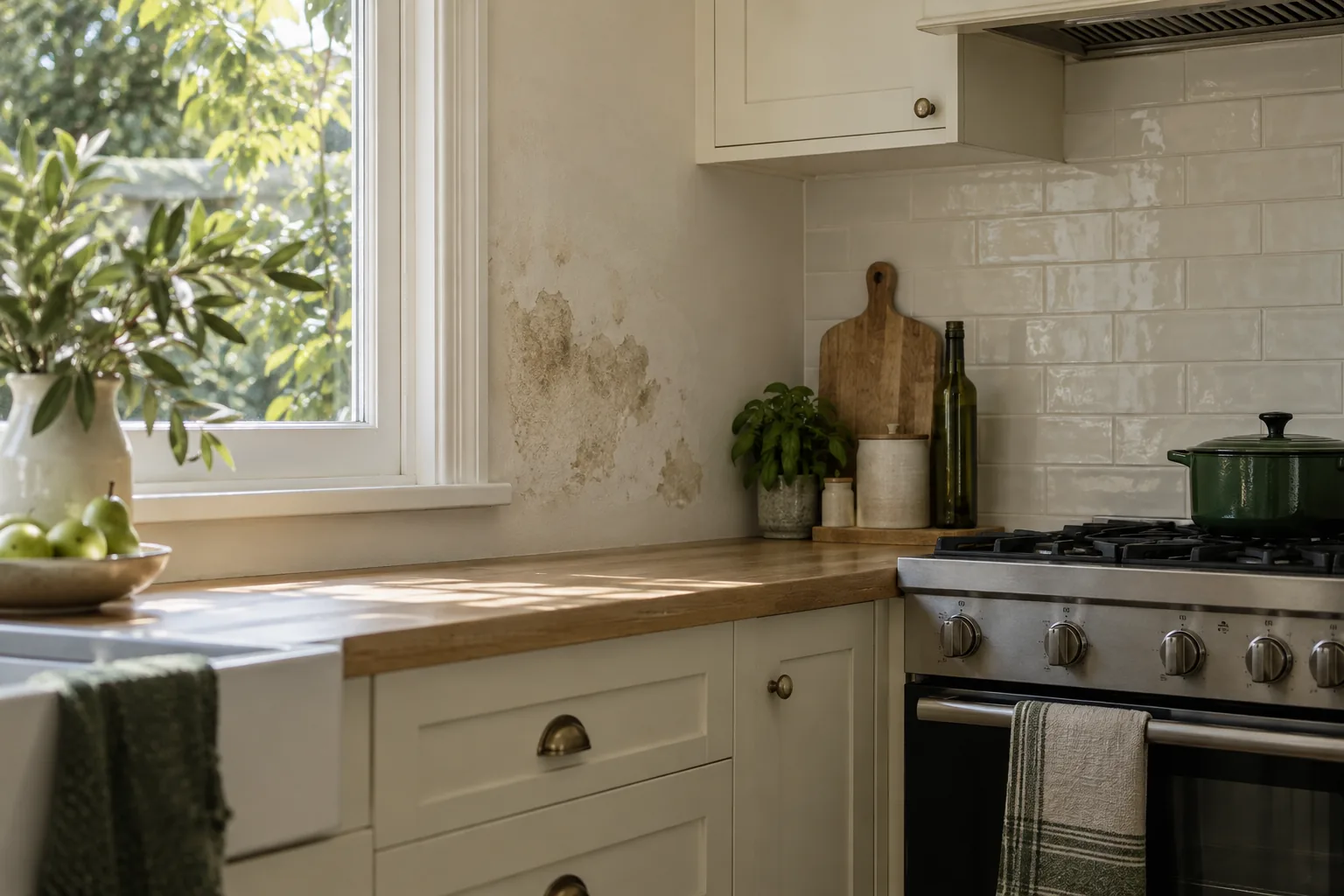
Kitchens
Kitchen splashback edges and plaster may differ from bathroom materials; identify the actual exposed finish.
Accessible affected surfaces
Other affected accessible walls, hard floors or ceilings can be agreed, excluding fabrics and concealed construction layers.
AFTER TREATMENT
Prepare without removing the joint or coating
Do not cut out a joint or strip paint merely to prepare for surface treatment. Explain repair proposals and follow clearance advice for movable belongings. People and pets leave during treatment. Approximate average guidance is three hours per room, varying with size, contamination and access rather than a fixed small-joint interval.
Cosmetic marks may remain or damaged finishes may need separate repair. Discuss those limitations before expecting the wall edge to look renewed. Receive return advice directly from the technician; filtration, colour changes or elapsed average duration do not establish clearance of a concealed wall assembly.
KEEP MOISTURE IN VIEW
Follow each finish on its own evidence
Observe joint and painted-face changes as separate information.
Record new water or visible growth with its actual location.
Follow through on agreed source repairs.
Keep an unchanged cosmetic line distinct from newly spreading changes at the edge.
Quote for identified areas rather than a wall assembly
Identify the joints and painted areas you want considered when discussing the quote. Our pricing information labels its table Mould Removal; clarify the figures applicable to these remediation surfaces. Seal replacement, tile backing work and repainting should not be inferred from a room amount or several materials pictured together.
ARMADALE · EXACT ADDRESS & ACCESS
Enquiries for nearby addresses
Give the complete Armadale address and identify the room and material edge shown in the request. Explain separate repair plans to the entry contact so preparation remains accurate. Nearby pages navigate other premises; this interior needs its own accessible-surface and attendance agreement.
Questions about remediation
Does one marked joint mean the entire backing is assessed?
No. The accessible request does not establish concealed-layer condition. Describe the exposed boundary and keep hidden concerns separate.
Can silicone and grout be given one material label?
No. Identify which joint is involved and where adjacent paint is marked so suitability and repair decisions can be discussed accurately.
Will seal replacement be included automatically?
No renewal is promised. Explain the seal condition and arrange any replacement separately from the agreed treatment.
Should I strip paint to reveal the full edge?
Do not do so merely as preparation. Describe the current exposed limit and discuss any separate repair or access work first.
Does humidity measure the moisture behind tiles?
No. The confirmed room-air instrument does not provide a material or cavity moisture result behind the tiled finish.
How should a later edge change be reported?
Identify the particular joint or painted face, timing and any fresh water or growth. Avoid describing the whole assembly as changed when only one exposed surface differs.
Discuss the visible boundary between finishes
Call 03 8652 1296 with the joint type, painted boundary and current finish condition. Agree suitable surface work and separate repairs before attendance.