
SURFACE TREATMENT · MOISTURE FOLLOW-THROUGH
Mould Remediation Toorak
A tiled or stone-faced section beside painted plaster should not be described as one interchangeable finish. For your Toorak enquiry, identify each visible material and its condition without assuming a universal application. Remediation planning should discuss suitability and access, keeping restoration, polish or colour matching outside a contamination-treatment promise unless separately agreed.
Different finishes are distinguished.
Suitability is discussed before application.
Appearance expectations remain explicit.
TREATMENT & FOLLOW-THROUGH
UNDERSTANDING THE AFFECTED ROOM
Mixed finishes need more than one material description
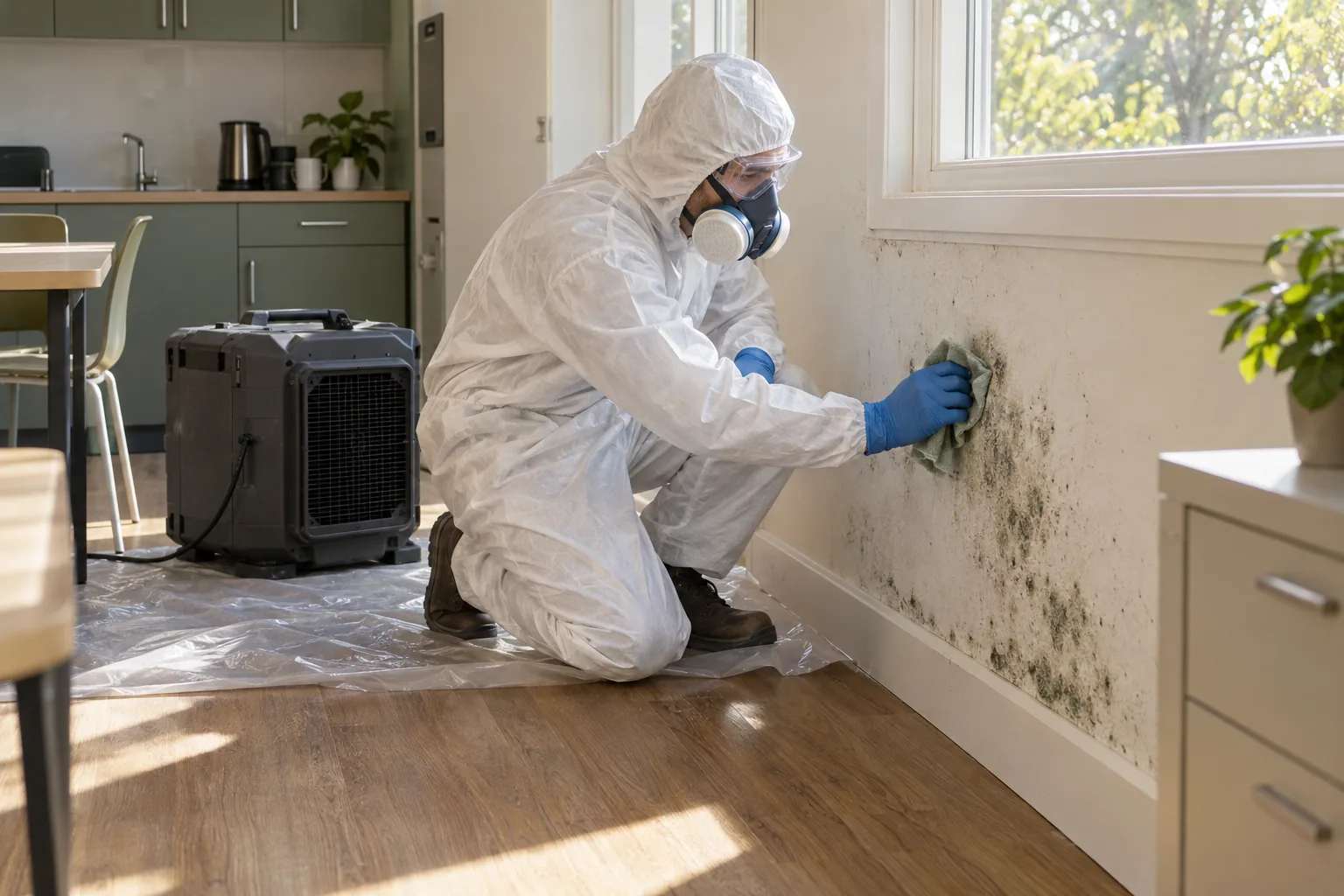
Remediation includes assessment, filtration, appropriate treatment and physical removal of visible mould on suitable accessible surfaces. Describe what the mark is actually on and whether the finish is fragile or previously altered. A material’s decorative value does not establish treatment compatibility or a guaranteed restored appearance.
The remediation service overview describes supported work rather than a stone-care or decorative-restoration package. Repairs, polishing and repainting require separate arrangements. Furniture, textiles and concealed layers stay excluded from standard treatment regardless of the finishes photographed nearby.
MOISTURE & CONTAMINATION
Separate surface value from moisture evidence
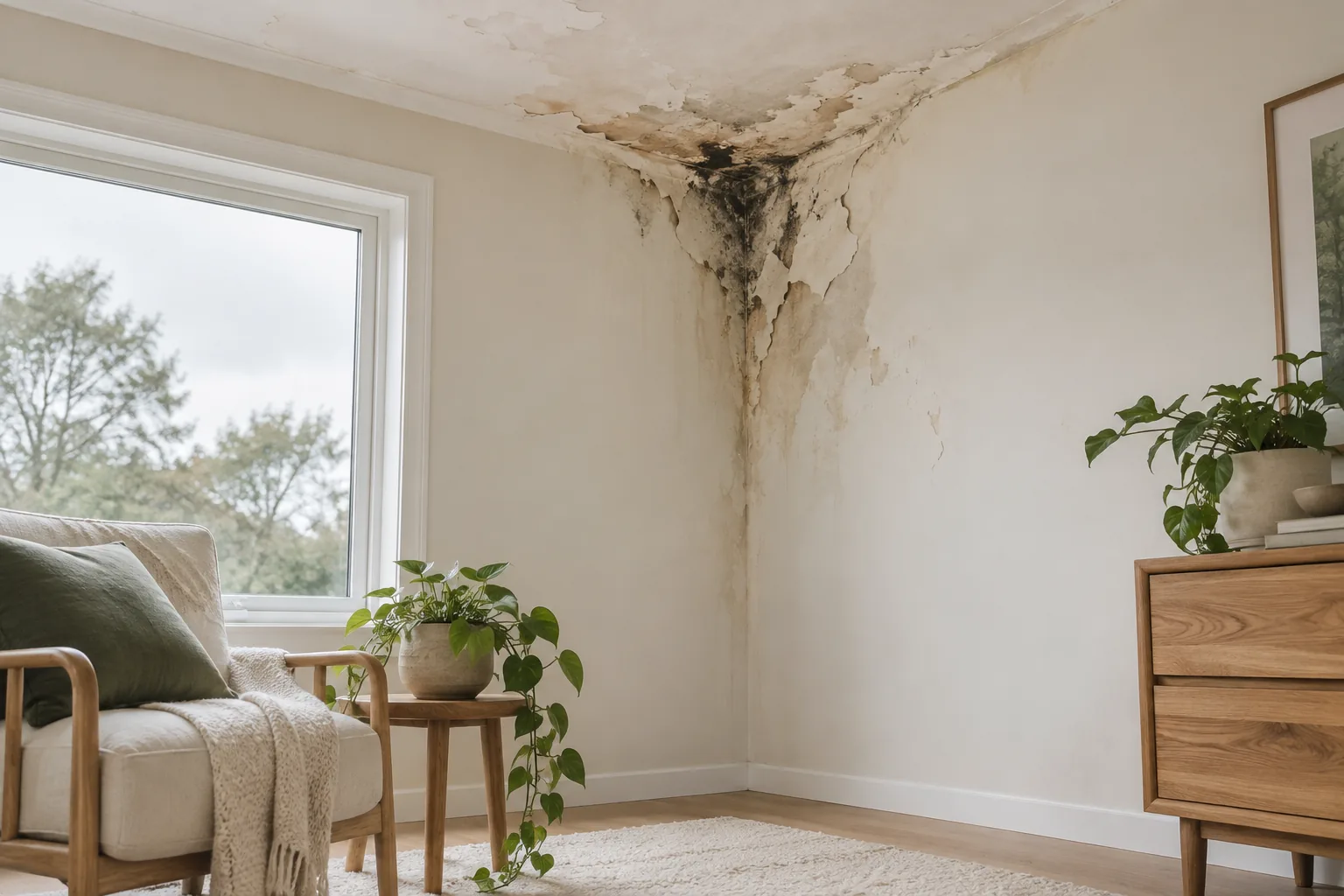
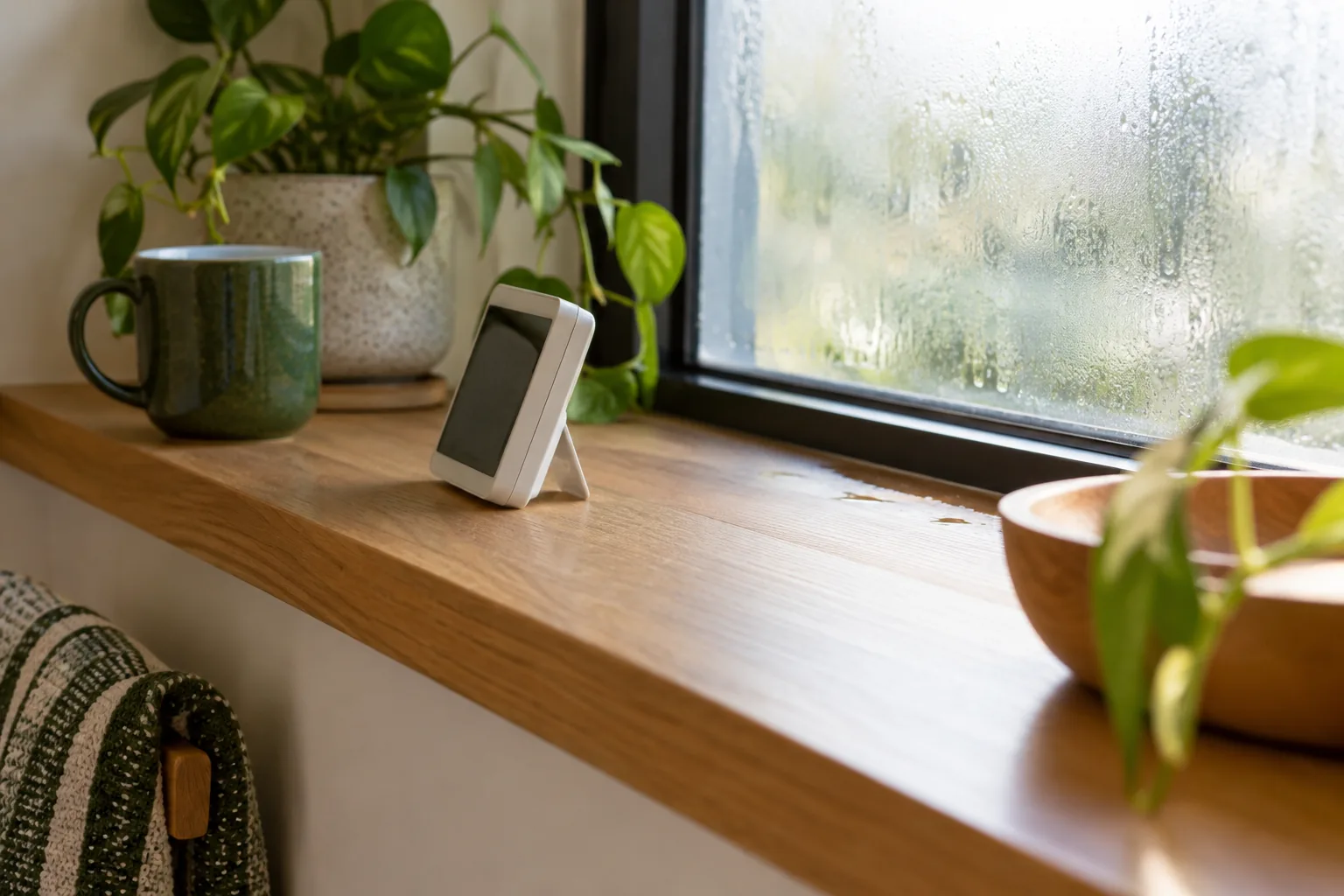
Describe visible water or condensation independently of assumptions about a material’s porosity or value. Professional hygrometer information concerns room-air relative humidity. It does not measure moisture inside stone, plaster or concealed backing, and cannot certify all layers beneath a finish as dry.
Correct a known source or ventilation fault separately, since continued dampness may allow recurrence after visible work. Discuss inspection of accessible condition when suitability first needs consideration, without expecting destructive material tests or laboratory identification from an image.
A DEFINED TREATMENT SEQUENCE
Supported methods with material-specific limits
1
Agree the accessible scope
Assess each exposed finish and its condition, agreeing suitable checks, access limits and any material outside the accepted scope.
2
Begin air protection
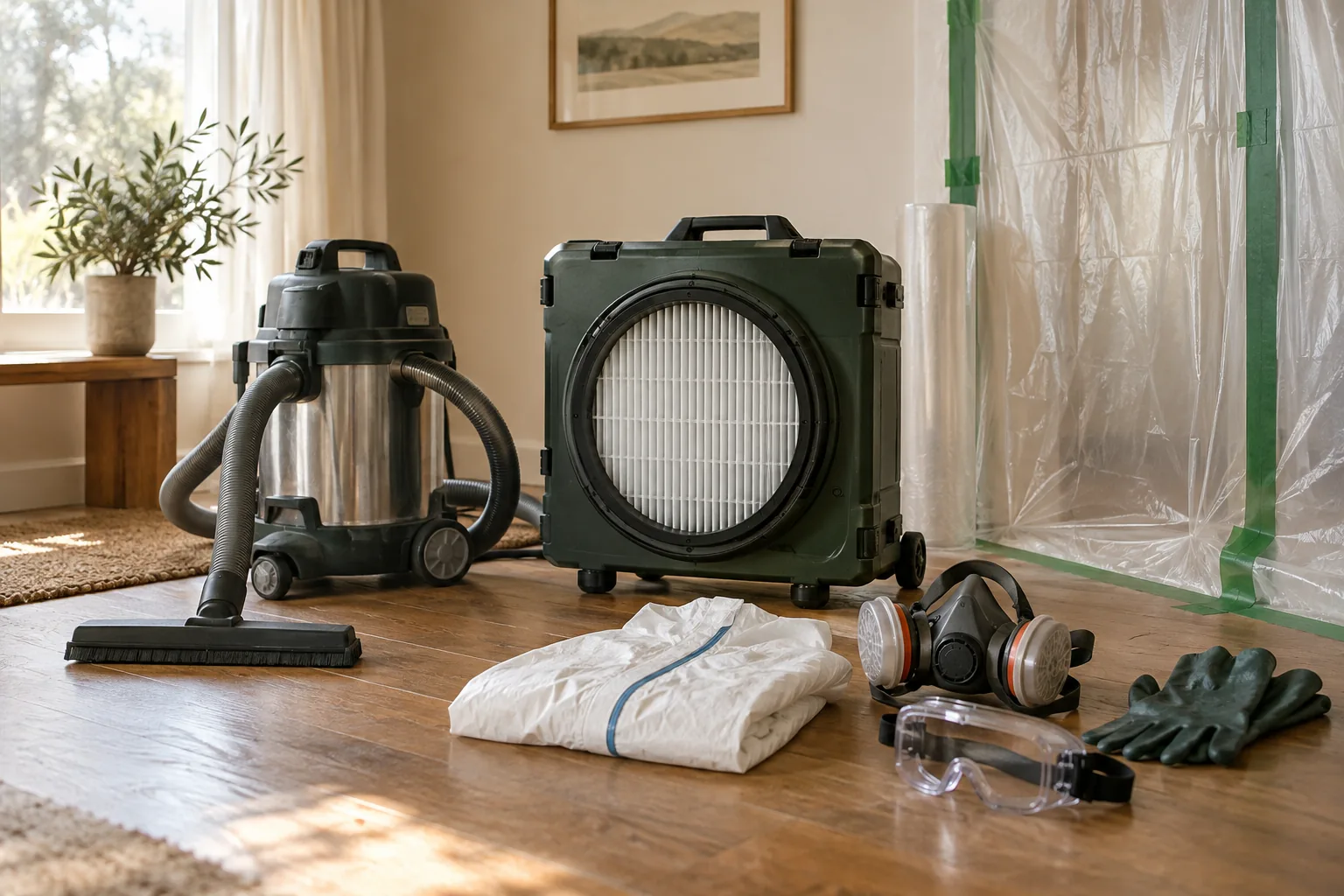
Start confirmed HEPA air-scrubber protection before application, using filtration as work support rather than finish-preservation certification.
3
Choose the treatment application
Apply HOCl appropriately on suitable agreed surfaces, with ULV dry fog where appropriate and no universal material-compatibility promise.
4
Remove visible growth
Physically remove visible mould using professional H-class filtered equipment within the accepted boundaries, without assuming decorative restoration.
5
Continue final air cleaning
Continue HEPA air cleaning during and after work, discussing remaining appearance, separate repair needs and the particular return advice.
Name the exposed finish on each surface
Walls
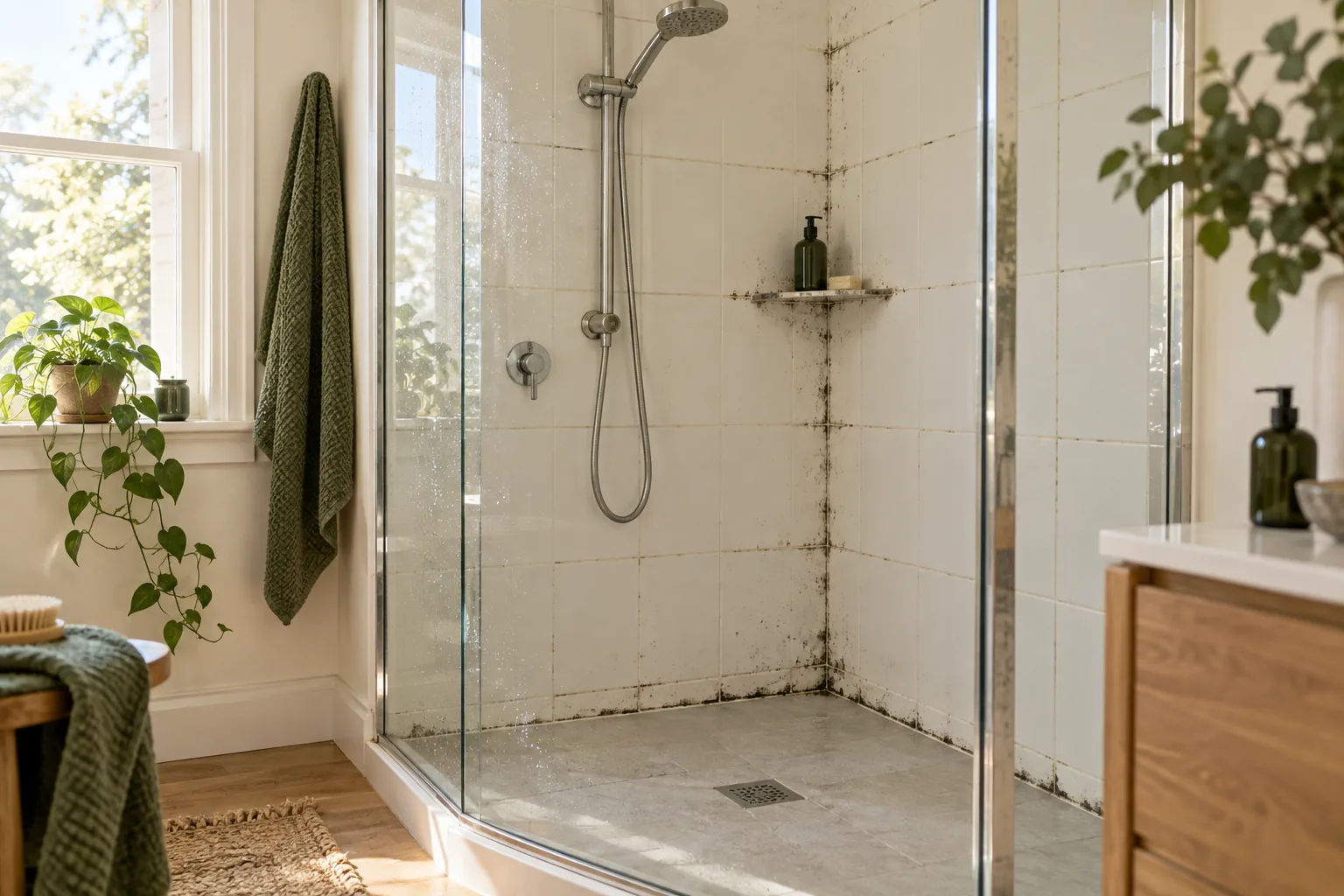
Wall faces should identify exposed paint, tile or other material separately rather than promise one identical result.
Ceilings
Ceiling coatings need safe access and their own condition discussion, especially where decorative finishes differ.
Bathrooms
Bathroom silicone, grout and painted areas are distinct materials; replacement or restoration questions remain separate.

Kitchens
Kitchen exposed surfaces may differ around a splashback, while fitted contents and appliances are outside assumed work.
Accessible affected surfaces
Other affected accessible walls, hard floors or ceilings require agreement; furniture, fabrics and concealed layers remain excluded.
AFTER TREATMENT
Prepare without experimenting with products
Explain previous applications and known material details before attendance; do not trial another product as preparation. People and pets leave during treatment. Average source guidance is about three hours per room, with actual timing influenced by area, contamination and accessibility rather than a guaranteed restoration schedule.
Residual staining, colour or sheen differences can remain. Discuss separate specialist decorating or repair rather than expecting the original finish to be recreated. Return instructions come from the technician for the actual job; no material-condition certificate, laboratory clearance or permanent eradication guarantee is confirmed.
KEEP MOISTURE IN VIEW
Follow changes on the particular material
Observe the specific finish where a change occurs, not just the whole decorative composition.
Record fresh water, renewed growth or material deterioration with its timing.
Follow through on outstanding source repair.
Do not hide a new change behind polishing or recoating before describing it accurately.
Quote for agreed finishes rather than restoration
For the quote, identify each exposed material and accessible area. The published examples concern Mould Removal, so confirm remediation applicability. Decorative polishing, colour matching and restoration should not be inferred from a room figure; suitability and the actual contamination-treatment boundary need agreement first.
TOORAK · EXACT ADDRESS & ACCESS
Enquiries for nearby addresses
Provide the full Toorak premises address and name the room and materials requested. If another specialist is advising on restoration, explain what is separately agreed and when access is available. Nearby navigation is for other properties; this interior needs its own method and scope discussion.
Questions about remediation
Can all exposed finishes receive the same method?
Do not assume that. Identify each material and condition so treatment suitability and any exclusions can be discussed before application.
Does a valuable finish guarantee a restoration outcome?
No. Decorative value does not establish compatibility or a cosmetic guarantee. Clarify appearance limitations and separate restoration responsibilities.
Will polishing be part of the remediation quote?
No polishing service is promised automatically. Distinguish it from visible contamination work and arrange it separately where needed.
Should I test a new cleaner before attendance?
Do not apply one merely as preparation. Explain known previous products and follow the agreed instructions for the actual finish.
Can humidity show moisture inside the facing material?
No. The confirmed hygrometer provides air-relative-humidity context, not a material-probe result inside stone, plaster or concealed backing.
How should a change in sheen be described afterwards?
Locate it, note timing and distinguish cosmetic variation from fresh water or growth. Do not use appearance alone to certify hidden condition or treatment coverage.
Discuss each material before treatment
Phone 03 8652 1296 with each exposed material and its visible condition. Agree suitability and appearance limits before arranging remediation.