
VISIBLE SURFACES · AGREED TREATMENT
Mould Remediation Attwood
A repaired leak and a marked wall may need different next steps. For your Attwood enquiry, explain the completed repair, the affected finish and any fresh water. Remediation addresses agreed visible contamination without treating an old stain as proof that a repair failed or succeeded.
Repair history is kept distinct.
Suitable surface work is agreed.
Cosmetic limitations are explained.

TREATMENT · FILTRATION · FOLLOW-THROUGH
A TREATMENT PLAN WITH CLEAR LIMITS
Agree what remains after the repair
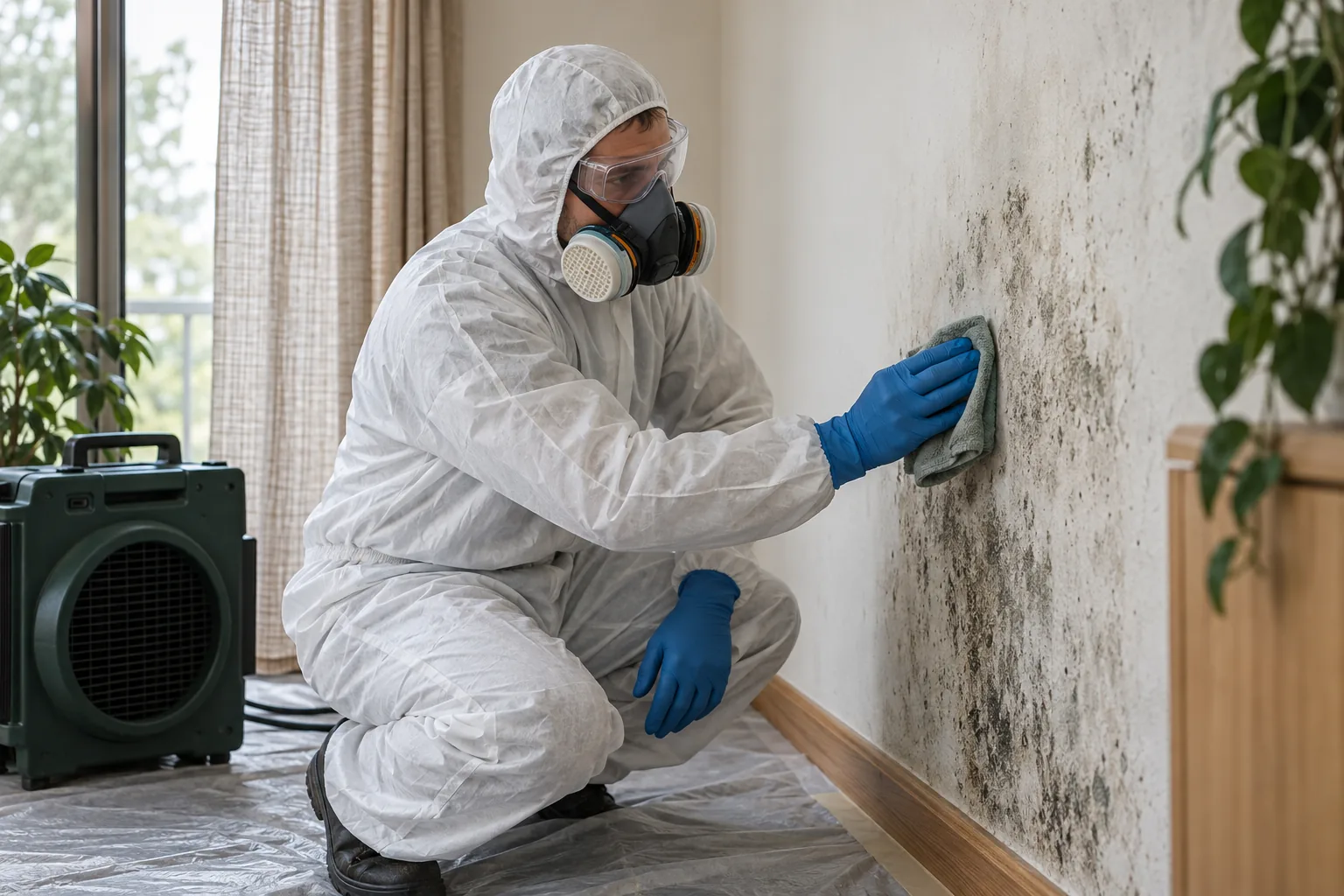
The practical purpose of remediation is treatment and physical removal of visible mould within an agreed accessible scope, supported by filtration. Identify the current surface concern rather than asking the treatment provider to certify somebody else’s repair. Peeling paint or material deterioration also needs to be mentioned.
Our service outline explains how assessment and treatment fit together. Remediation does not automatically include building repairs or repainting. If the surface is already scheduled for other work, establish the order and responsibilities before one contractor assumes the other has dealt with everything.
MOISTURE COMES FIRST
A completed repair does not describe every layer
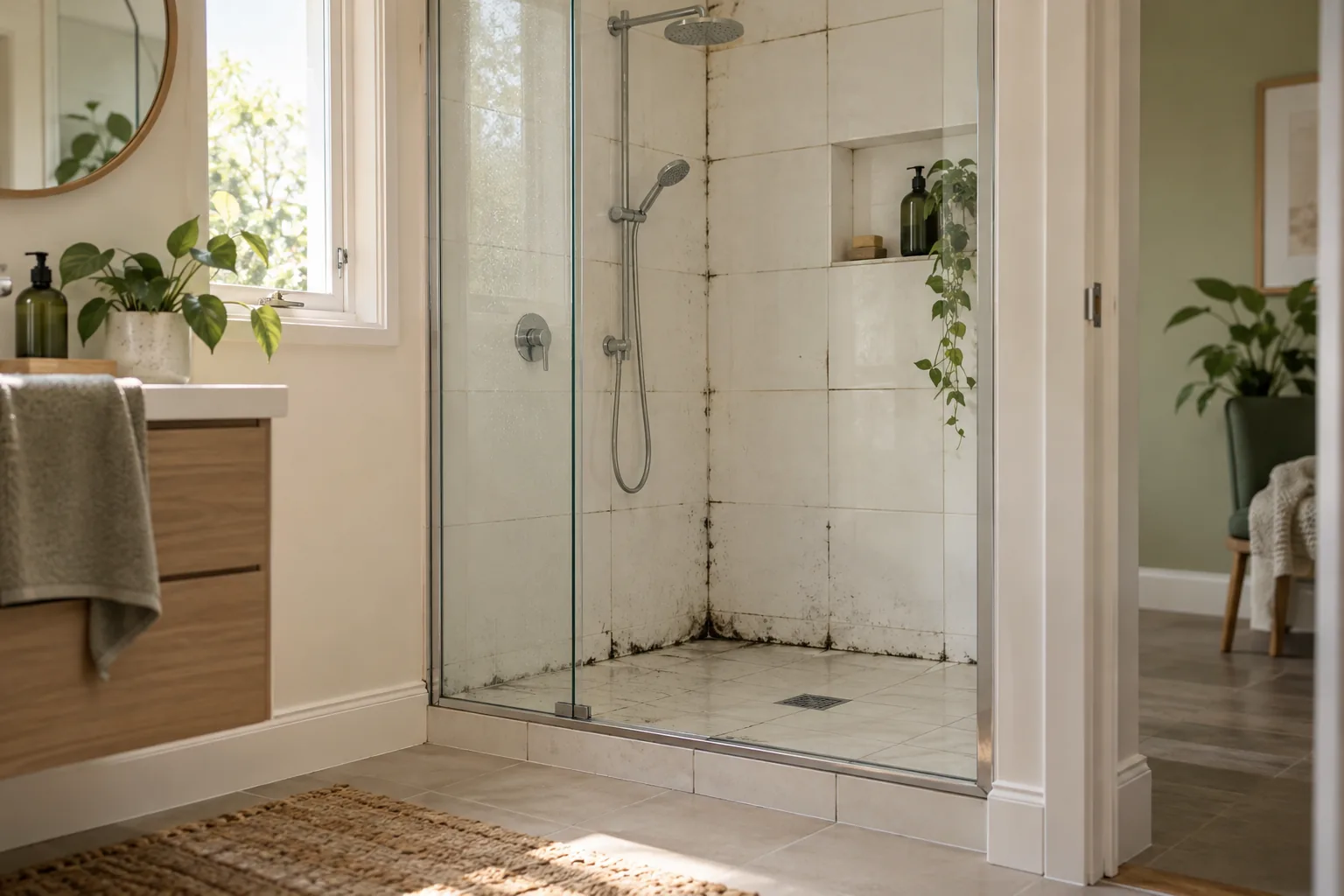
Give dates and observations without converting them into a diagnosis: when water was seen, when repair occurred and when the present mark was noticed. The professional hygrometer provides room-air relative-humidity information. It does not prove that a repaired pipe, wall cavity or lining is free of moisture.
Discuss continuing dampness with the responsible repair provider. If the accessible condition remains uncertain, consider the inspection service before setting a treatment scope. Even when visible mould is addressed, unresolved condensation, ventilation or water entry may contribute to another occurrence.
FROM PREPARATION TO FOLLOW-THROUGH
Work on the presently accessible finish
1
Agree the accessible scope
Assess the presently visible finish, available access and repair information, then agree what the treatment covers and excludes.
2
Begin air protection
Set up confirmed HEPA air filtration before application, supporting the work without making a clearance claim for the repaired room.
3
Choose the treatment application
Treat suitable agreed surfaces with HOCl; include ULV dry fog only where appropriate to this particular job.
4
Remove visible growth
Physically remove visible mould using professional equipment with H-class filtration, rather than adding unagreed material replacement.
5
Continue final air cleaning
Continue HEPA air cleaning during and after work, explaining remaining appearance concerns and the technician’s instructions for return.
Keep each room’s surface boundaries clear
Walls
Walls awaiting repainting need visible condition considered before decorating becomes the next agreed task.
Ceilings
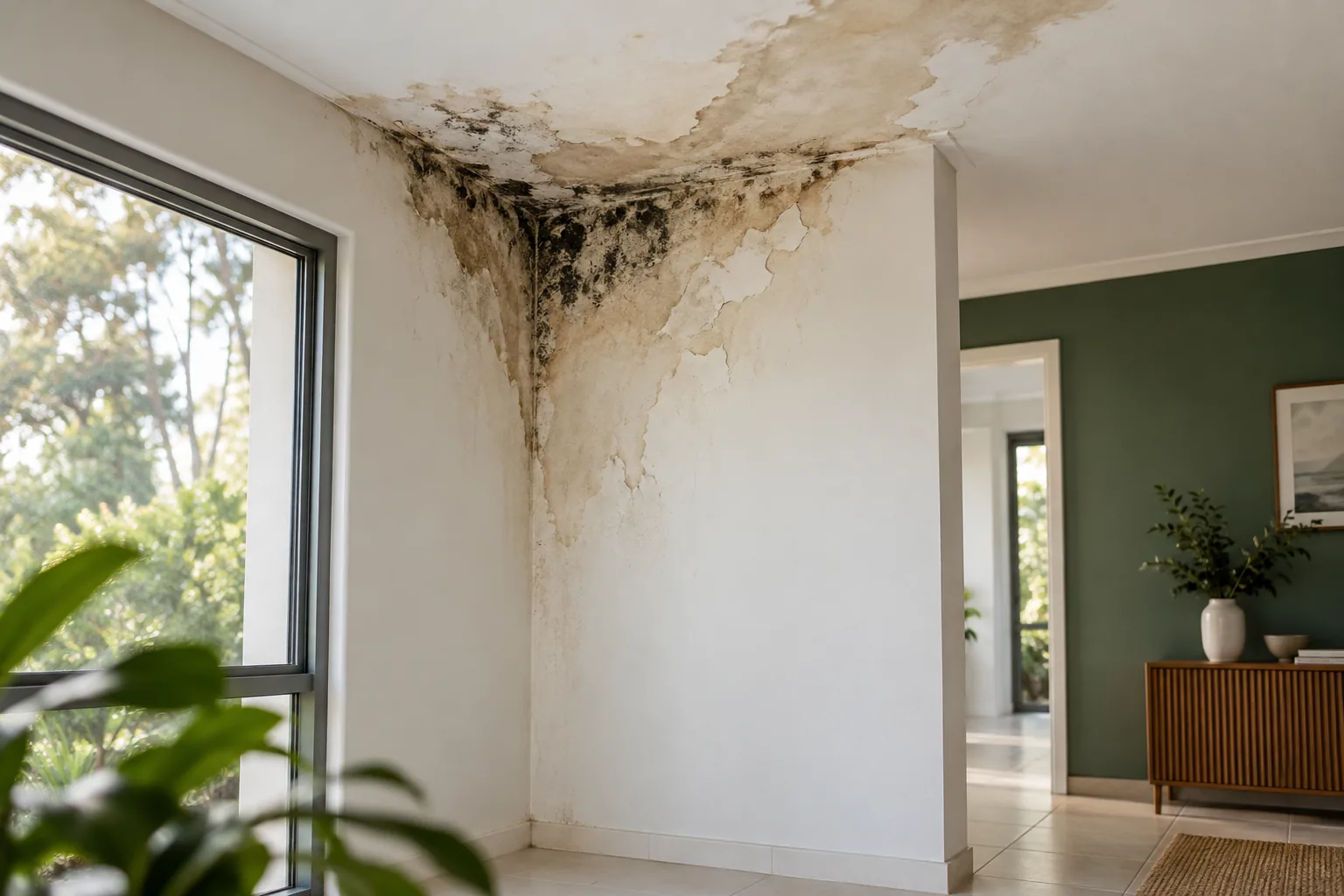
Ceilings with older water marks should be distinguished from any newly changed area or loose finish.
Bathrooms
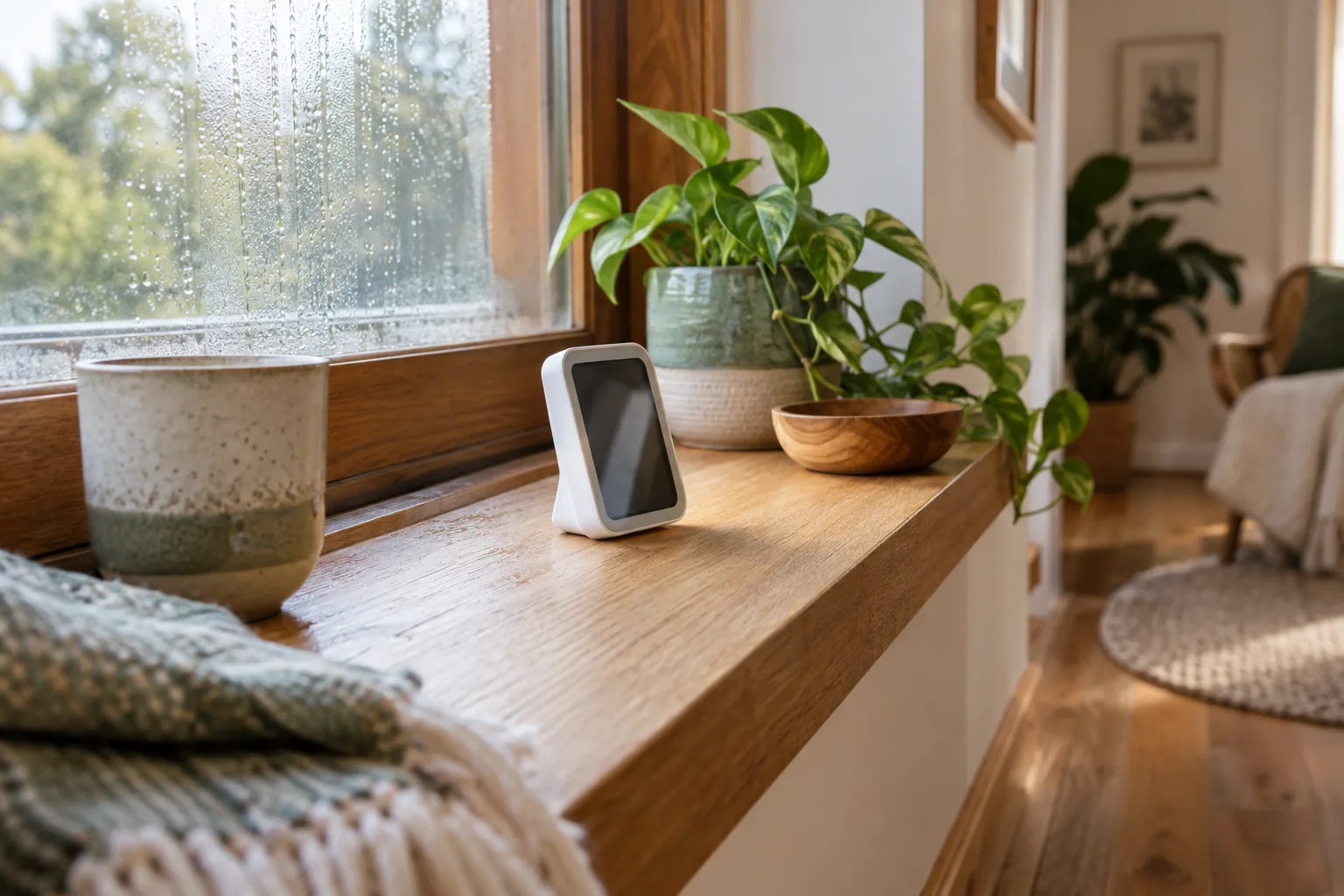
Bathroom joints and painted areas may need different treatment and repair decisions; describe each finish separately.
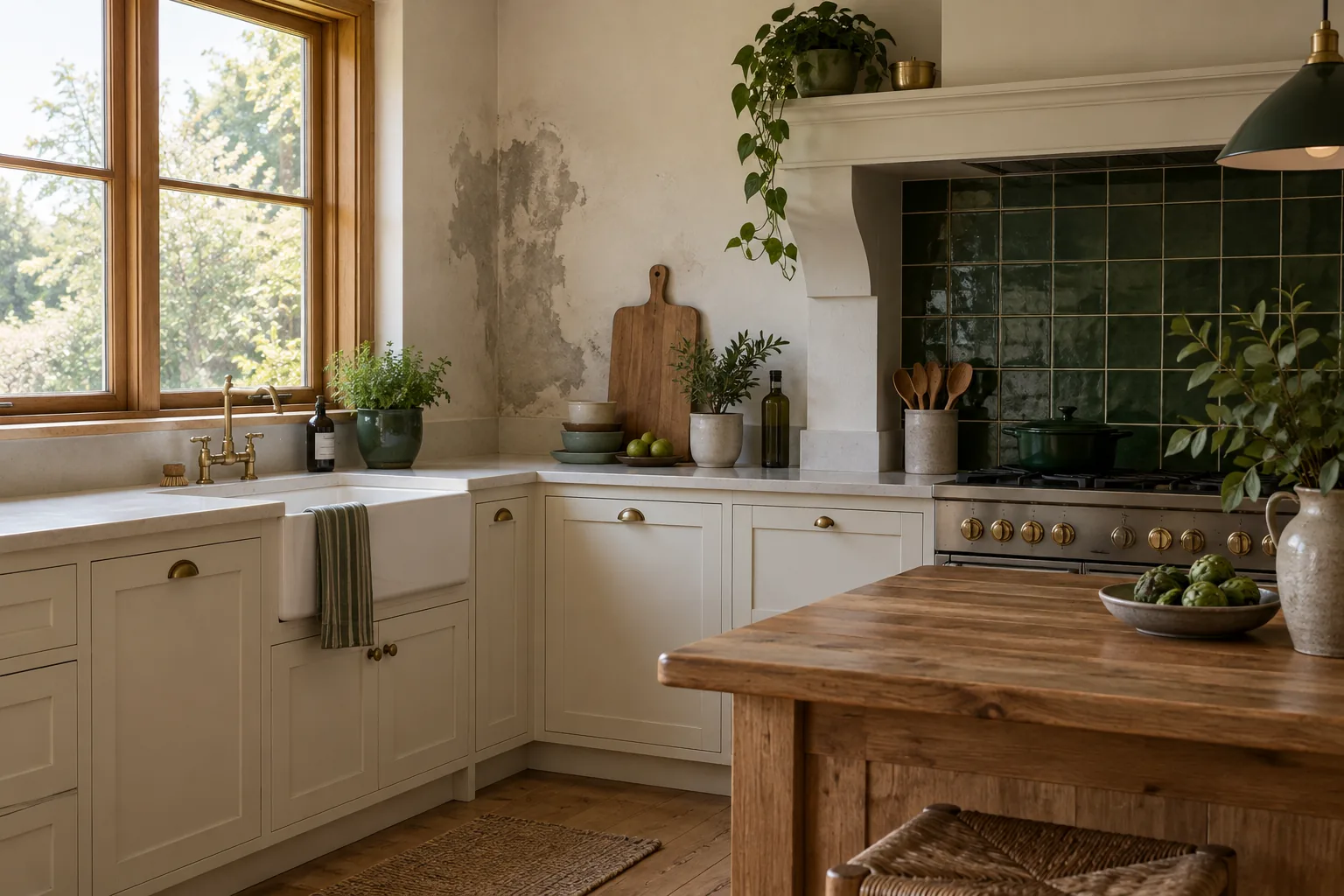
Kitchens
Kitchen stains near plumbing should be located on an exposed wall or ceiling, not assumed to describe every fitted component.
Accessible affected surfaces
Additional accessible affected floors or walls require agreement; hidden linings, insulation and textile contents are excluded.
PREPARE FOR THE ACTUAL JOB
Coordinate treatment with planned decorating
Discuss decorating dates and access before booking so the room is not unavailable when work is due. People and pets must leave for treatment. Average guidance is approximately three hours per room, with the actual timing depending on size, contamination and access; the service is not quoted as an hourly job.
Treatment may leave cosmetic staining that needs a separate decorating discussion. It does not certify the repair or promise a permanently dry room. Ask how preparation, departure and return instructions will be communicated. Do not use a contractor’s finished invoice as a substitute for reporting current visible water or material damage.
AFTER THE TREATMENT
Notice a new change without guessing its cause
A useful follow-up distinguishes the repaired fault from the visible treatment outcome.
Retain the repair details where they explain the room history.
Watch for a changed outline, fresh water or newly appearing growth.
Raise any continuing leak concern with the appropriate repair trade.
Clarify the remaining work in the quote
Identify the remaining wall or ceiling concern and mention decorating or repair work already arranged. The published price table covers Mould Removal examples, so confirm its applicability to remediation. The quote should clarify the visible treatment scope rather than silently price painting, wall replacement or certification of earlier repairs.
ATTWOOD · EXACT ADDRESS & ACCESS
Enquiries for nearby addresses
Provide the Attwood address and say whether another contractor is using the affected room. Agree the entry contact and availability before booking. Nearby pages concern different premises rather than confirmation of this room’s preparation.
Questions about remediation
Does a remaining stain mean the leak repair failed?
Not by itself. Explain any fresh water or changing damage to the repair provider; an old cosmetic mark alone does not establish the repair’s current performance.
Can treatment certify the plumber’s work?
No. Remediation concerns the agreed accessible contamination, not certification of another trade’s repair. Keep those responsibilities clear when arranging both jobs.
Should the painter attend before remediation?
Discuss the proposed sequence first. Painting can obscure the present visible condition, and the treatment and decorating scopes need agreement rather than an assumed order.
Will the quote include replacing damaged plaster?
Do not assume so. Identify deteriorated material separately; the standard visible-surface service is not a promise of demolition or replacement work.
Does a low humidity reading prove the cavity is dry?
No. Air-relative humidity is different from moisture inside building materials. The confirmed hygrometer does not provide a hidden-wall dryness certificate.
What information helps with a repeat mark?
Give its current location, when it changed and whether water returned. Distinguish a new observation from an unchanged old stain and retain the relevant repair history.
Plan treatment of the current visible concern
Phone 03 8652 1296 with the repair status and the visible finish still concerning you. Ask which treatment and preparation arrangements apply before decorating.