
VISIBLE SURFACES · AGREED TREATMENT
Mould Remediation Greenvale
A decorative painted wall can raise concerns about both contamination and the finish beneath it. At your Greenvale address, identify the material, coating and any delicate trim before expecting one method to suit every part. Remediation planning should consider treatment suitability and visible access while keeping cosmetic restoration and replacement work as separate decisions.
Surface suitability is discussed.
Delicate finishes are identified beforehand.
Restoration expectations remain realistic.

TREATMENT · FILTRATION · FOLLOW-THROUGH
A TREATMENT PLAN WITH CLEAR LIMITS
Agree the treatment without promising restoration
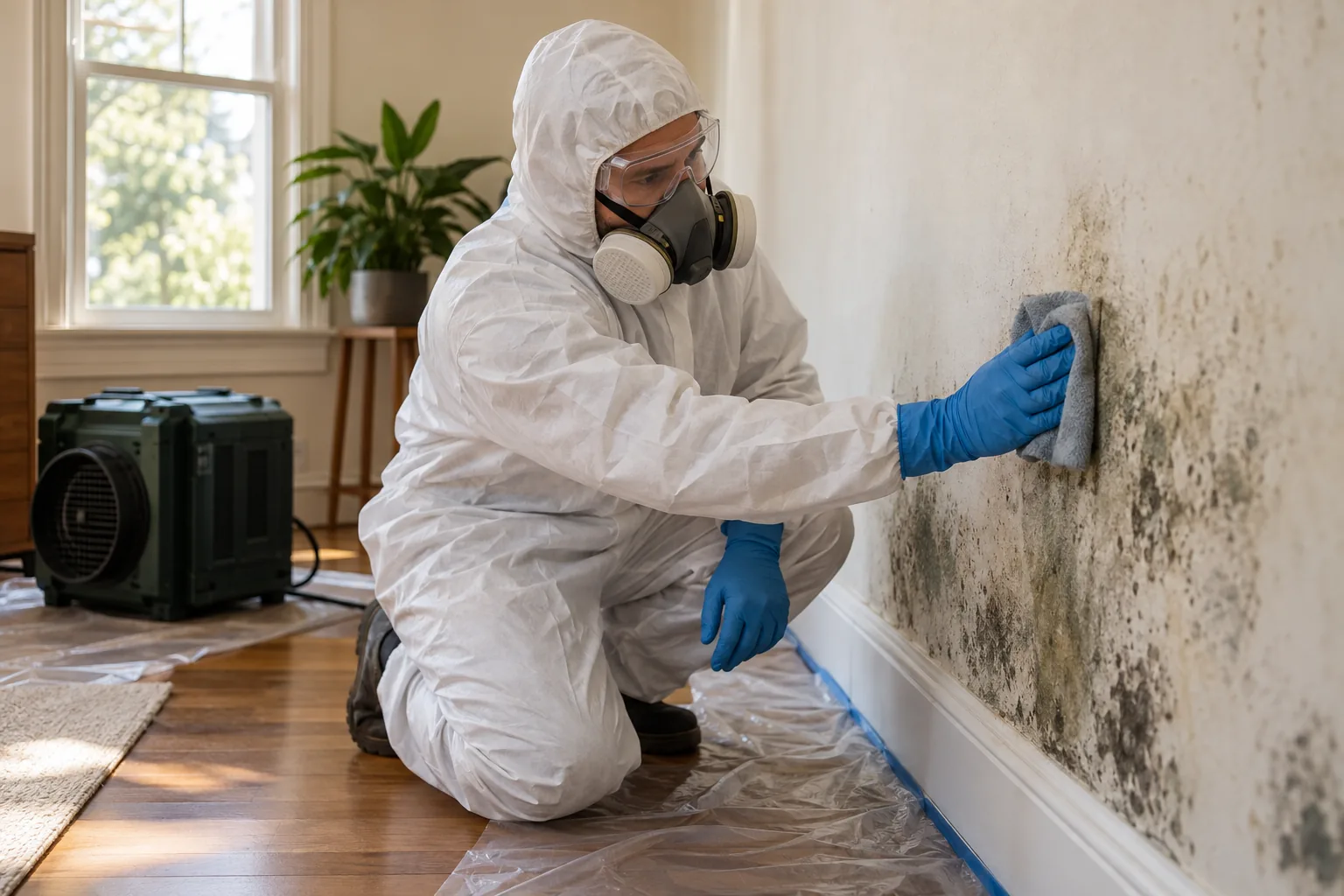
Remediation addresses visible accessible mould through assessment, filtration, appropriate treatment and physical removal. A valuable or delicate decorative finish needs its condition explained beforehand. Do not assume a treatment product is universally suitable, or that the room quote guarantees an unchanged colour, texture or sheen.
Read the remediation process overview and identify the particular exposed surfaces you want considered. Repairs, repainting and replacement decorative work are separate arrangements. Furniture and textiles remain excluded even where their appearance or value is also part of the household concern.
MOISTURE COMES FIRST
Describe dampness independently of the finish value
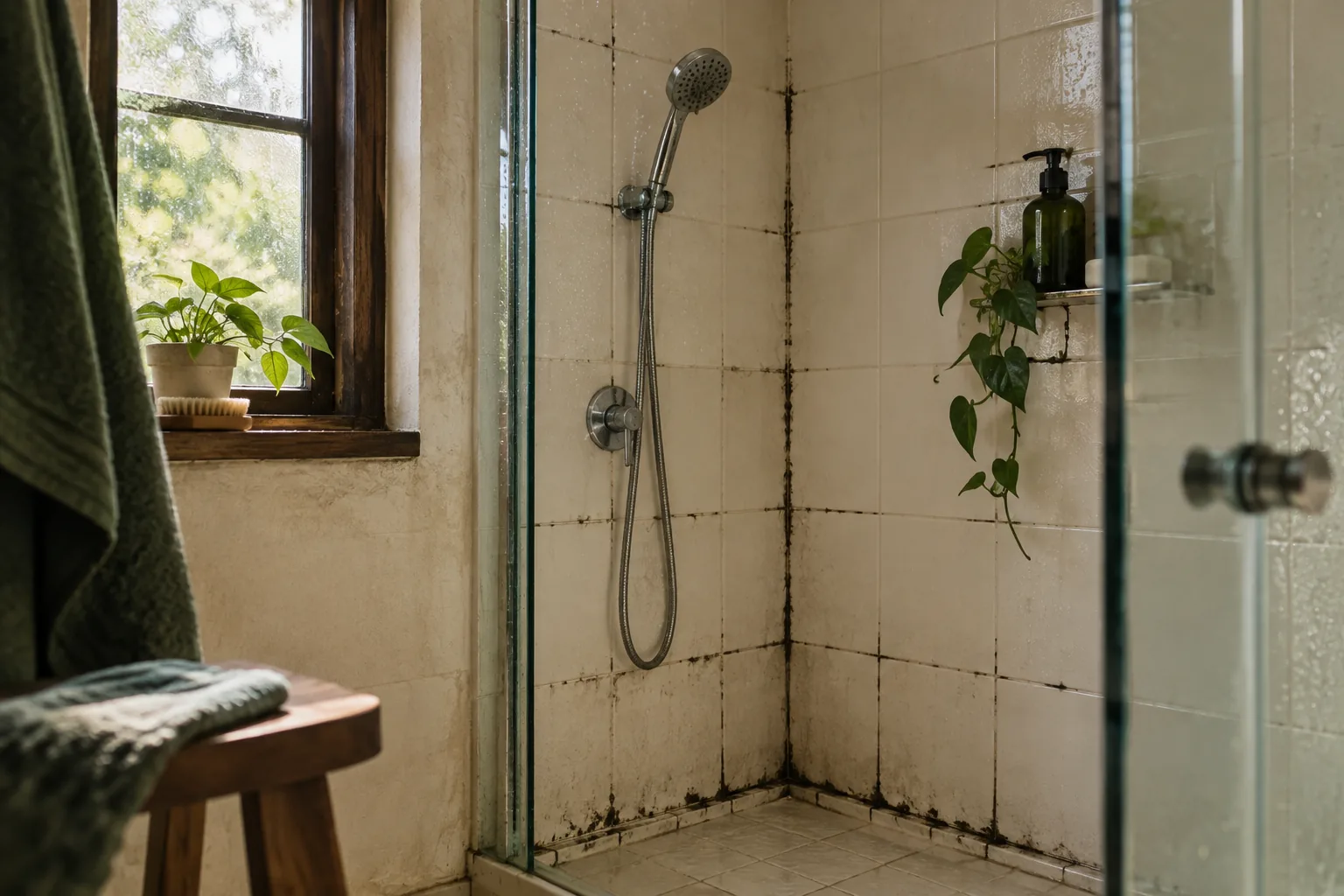
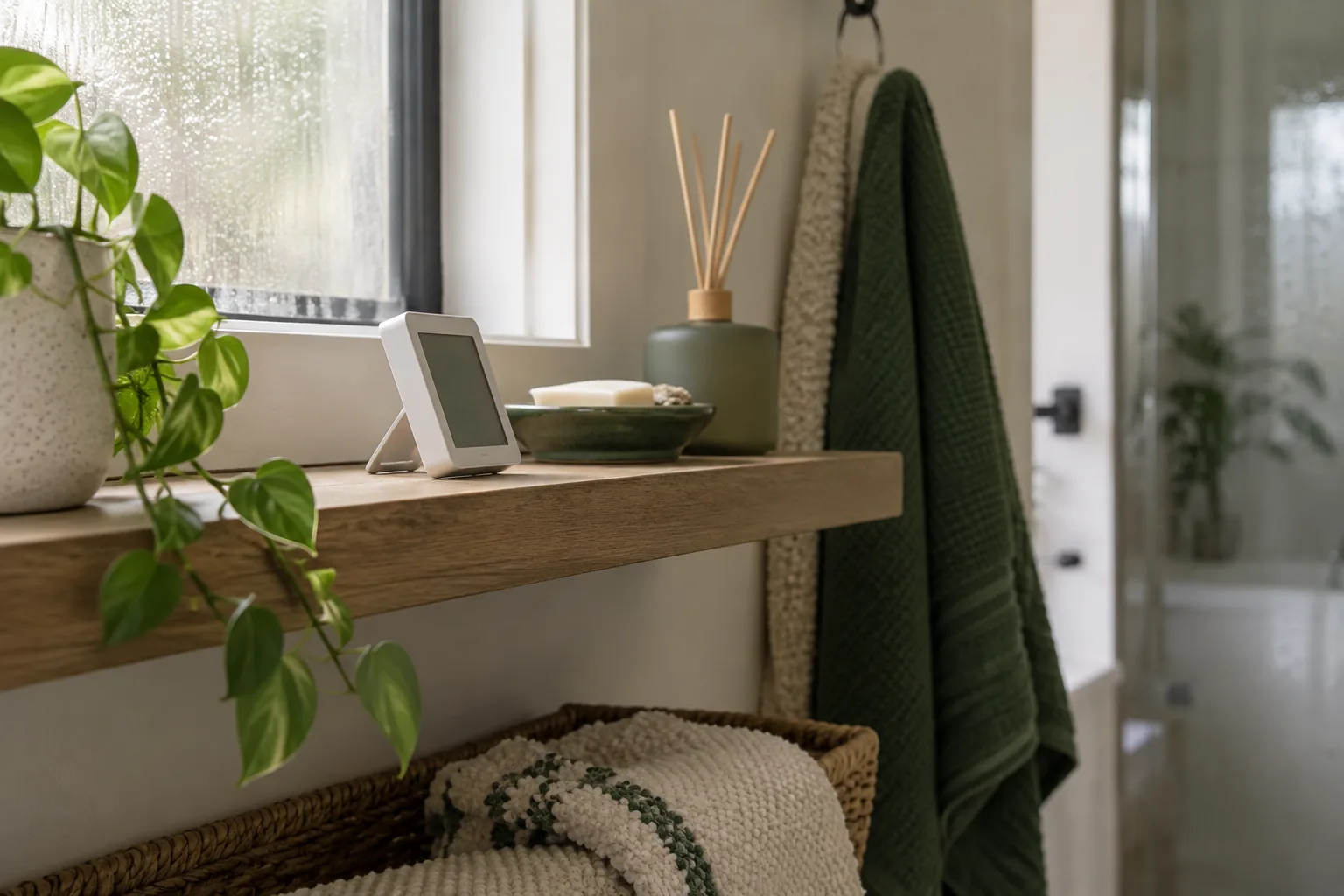
Describe visible water, condensation or known leaks without using the finish’s appearance alone to determine the source. The professional hygrometer informs room-air relative humidity; it does not provide a material-probe result beneath a decorative coating or certify a wall cavity as dry.
An unresolved source needs appropriate separate repair or ventilation follow-through. Treatment can address agreed contamination, but continued dampness may allow recurrence. Where the accessible surface condition first needs clarification, discuss inspection rather than asking for a guaranteed application method from a photograph.
FROM PREPARATION TO FOLLOW-THROUGH
A suitable approach within confirmed methods
1
Agree the accessible scope
Assess the accessible finish and its condition, agreeing suitability and any delicate sections excluded from treatment.
2
Begin air protection
Set up confirmed HEPA air-scrubber protection before application, keeping filtration within the agreed work arrangement.
3
Choose the treatment application
Use appropriate HOCl treatment, with ULV dry fog only where suitable; no universal harmlessness or finish-preservation claim is made.
4
Remove visible growth
Physically remove visible mould with professional H-class filtered equipment within the accepted surface limits, without promising restoration.
5
Continue final air cleaning
Continue HEPA air cleaning during and after work, discussing remaining appearance concerns, moisture correction and specific return advice.
Materials need their own boundaries
Walls
Decoratively painted walls require the coating and fragile edges identified before a treatment expectation is accepted.
Ceilings
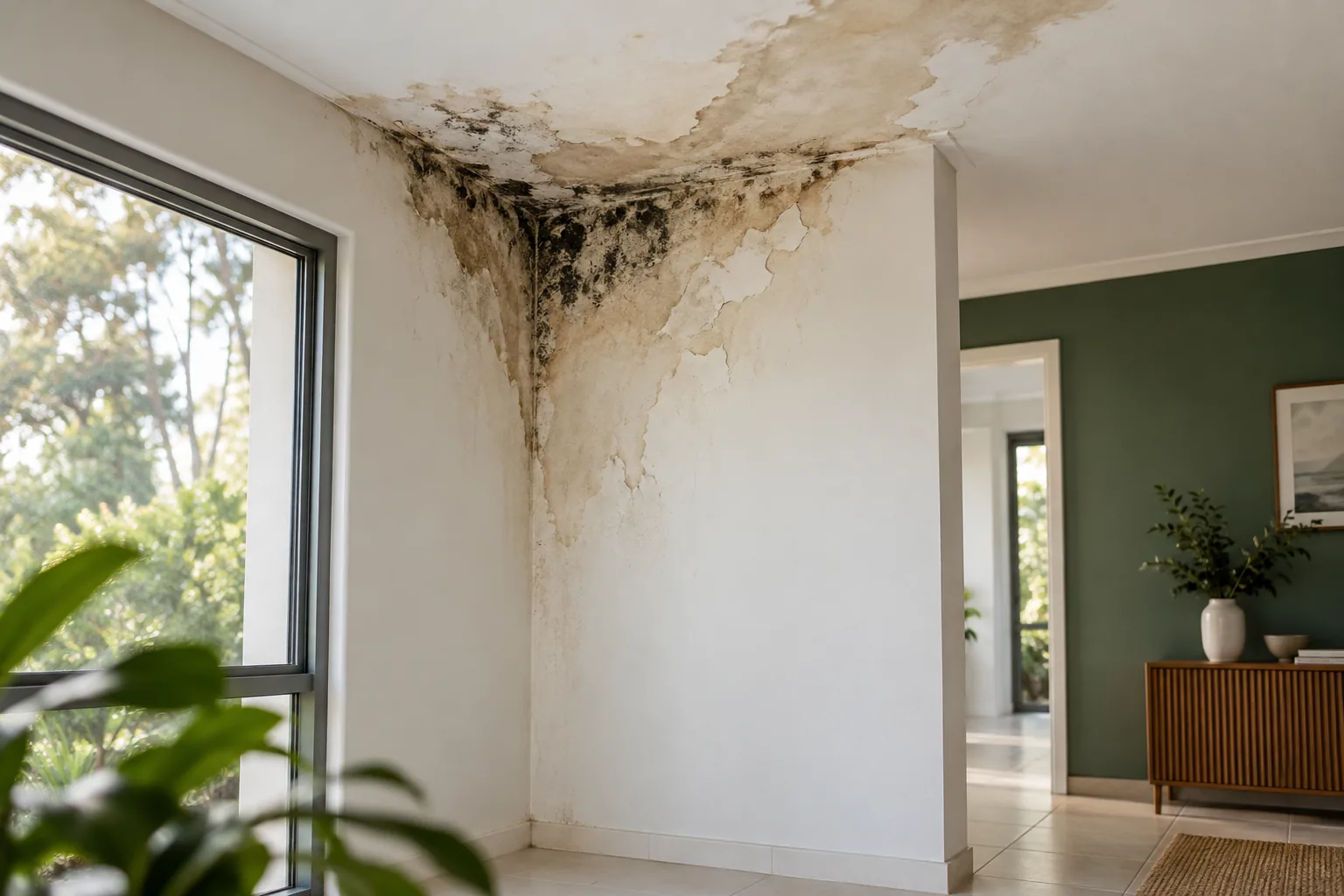
Ceiling finishes need separate consideration where staining or deterioration differs from the adjacent wall.
Bathrooms
Bathroom silicone, grout and paint should be distinguished rather than grouped as one delicate material.
Kitchens
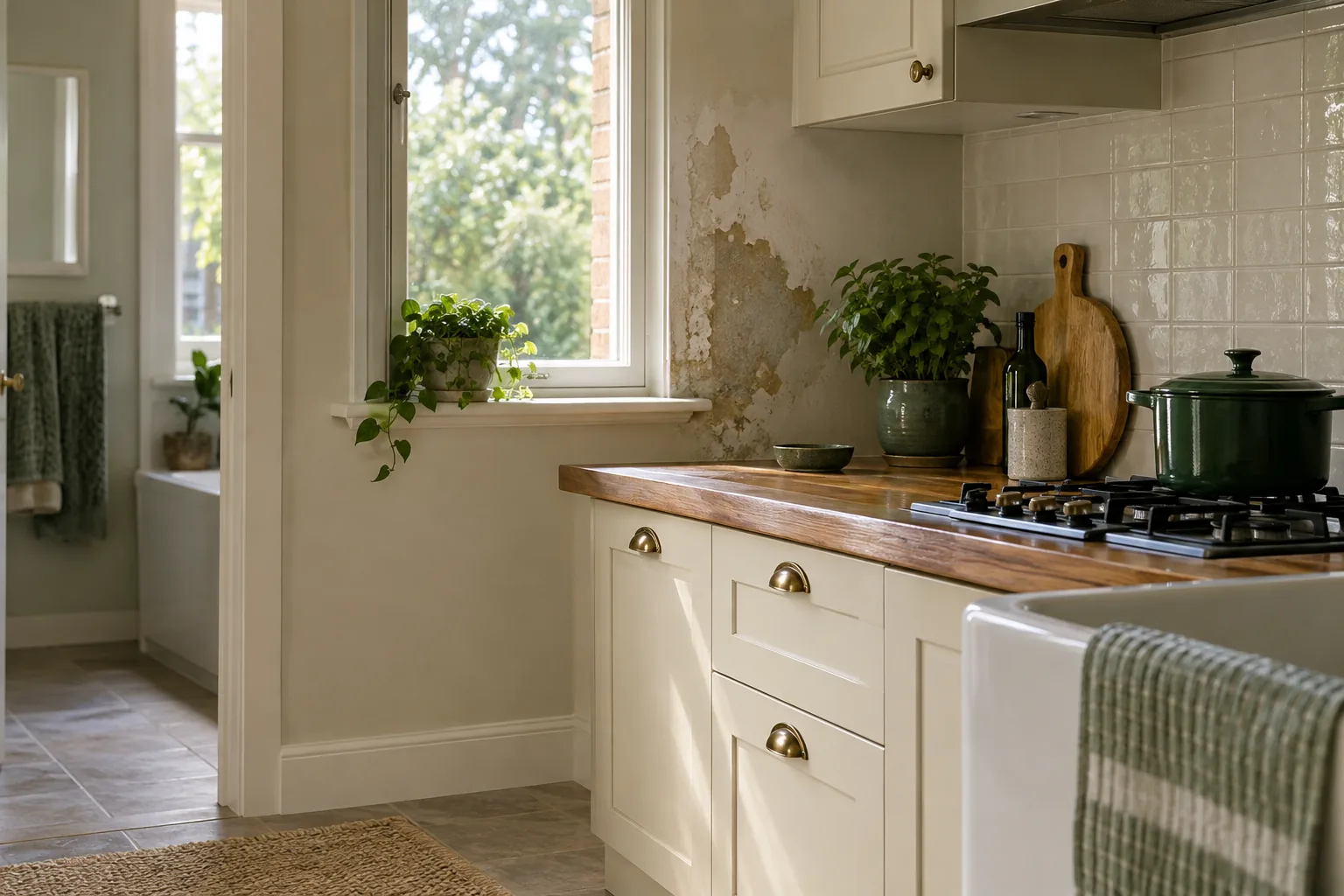
Kitchen tiles and exposed paint may need different decisions; fitted contents are not automatically part of the work.
Accessible affected surfaces
Other affected walls, ceilings or hard floors may be agreed, while fabrics, furnishings and concealed layers remain excluded.
PREPARE FOR THE ACTUAL JOB
Prepare without testing products yourself
Do not experiment with new cleaning products merely to prepare the finish. Explain earlier applications and follow agreed room-clearance instructions. People and pets leave during treatment. Average source guidance is about three hours per room, with actual timing influenced by contamination, size and accessibility rather than the decorative value.
Discuss what visible appearance can reasonably remain after work. Cosmetic stains may persist and separate specialist decorating or repair may be needed. No guarantee of colour matching, hidden-layer treatment or laboratory clearance is confirmed. Obtain particular departure and return advice instead of relying on the product name or another job’s experience.
AFTER THE TREATMENT
Keep a clear record of later changes
Useful follow-up describes the finish’s present visible condition without overstating a change.
Record new water, growth or deterioration separately from an old colour difference.
Follow through on unresolved leak or ventilation corrections.
Keep the accessible area observable without placing furnishings tightly against it.
Discuss suitability in the quote
Identify the decorative material, coating and accessible area when asking for the quote. Our published examples are labelled Mould Removal, not a separately confirmed remediation restoration package. Clarify applicability and any unsuitable sections, leaving colour matching, recoating and replacement work outside assumed inclusions.
GREENVALE · EXACT ADDRESS & ACCESS
Enquiries for nearby addresses
Provide the complete Greenvale premises address and identify the room with the delicate finish. If another specialist is advising on restoration, explain what work has actually been agreed and when access is available. Nearby navigation relates to separate addresses; the treatment method and scope require confirmation for this interior.
Questions about remediation
Is HOCl suitable for every decorative finish?
Do not assume universal suitability. Identify the material, coating and condition so the treatment approach and any exclusions can be discussed for the job.
Will the colour and sheen stay unchanged?
That is not guaranteed. Discuss appearance limitations beforehand, including existing damage and possible residual cosmetic staining.
Should I try a different cleaner before attendance?
Do not apply a product just to prepare the area. Explain previous treatments and follow the agreed instructions so the finish history remains clear.
Does the quote include restoring decorative trim?
No restoration scope is confirmed automatically. Identify trim concerns separately and agree any necessary repair or decorating with the appropriate provider.
Can fog application avoid all surface-contact concerns?
No such guarantee is made. ULV use is conditional and does not establish universal material suitability or treatment of hidden layers.
How should I report a colour change after work?
Describe its exact location, timing and whether new water or growth is visible. Keep cosmetic appearance concerns separate from claims about concealed moisture or permanent eradication.
Explain your finish before arranging work
Phone 03 8652 1296 with the finish material, coating and visible concern. Discuss suitability and appearance expectations before agreeing the treatment.