
VISIBLE SURFACES · AGREED TREATMENT
Mould Remediation Oaklands Junction
Directions to a property need to identify the interior being treated, not just an entrance or a map pin. For an Oaklands Junction enquiry, supply the full address and an authorised contact who can explain access to the marked room. Do not assume a locality page confirms attendance, site entry or treatment of every structure at that address.
The requested interior is located.
Safe entry arrangements are discussed.
Surface scope stays premises-specific.

TREATMENT · FILTRATION · FOLLOW-THROUGH
A TREATMENT PLAN WITH CLEAR LIMITS
Identify the building and room being requested
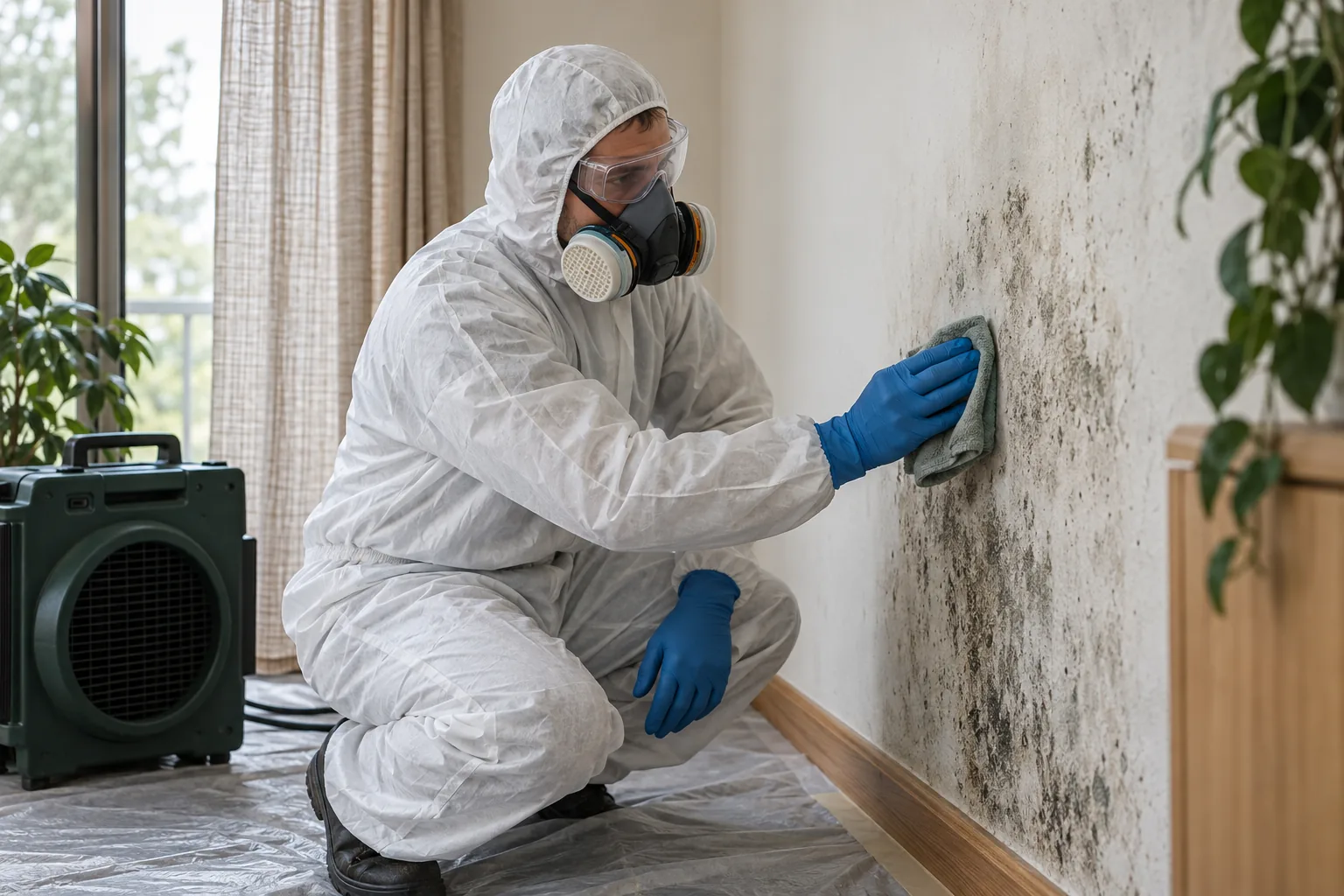
Remediation brings assessment, filtration, appropriate surface treatment and physical removal of visible contamination into an agreed scope. Where an address includes more than one interior, identify the one requested. Explain the wall or ceiling finish and any restriction on entry instead of treating a map location as sufficient scope information.
The remediation outline does not imply a local office or unrestricted site coverage. Furniture and textiles are excluded, and concealed materials are not standard accessible work. Repairs or treatment at another structure need separate consideration, even when ownership or access contacts are shared.
MOISTURE COMES FIRST
Keep separate structures’ observations separate
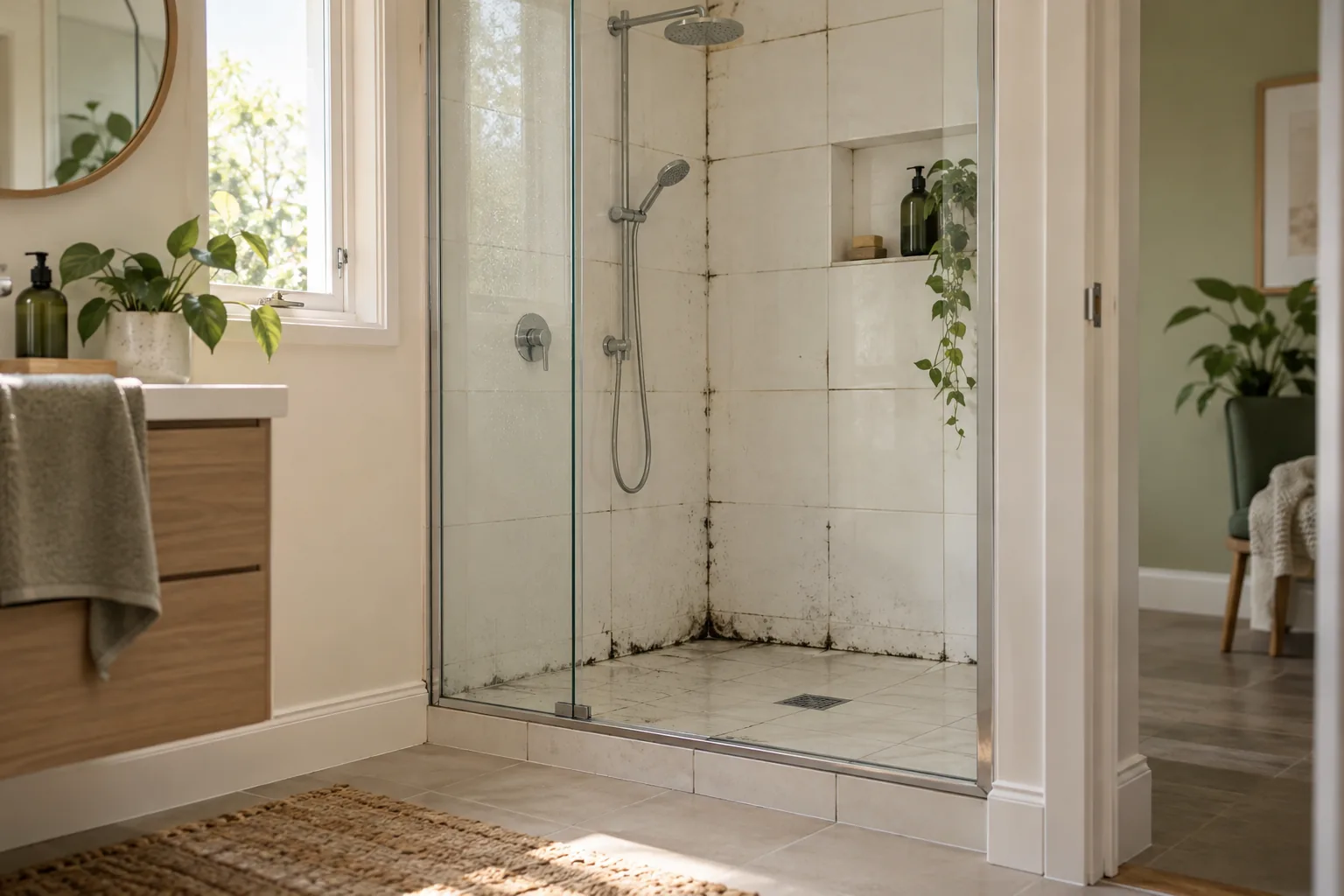
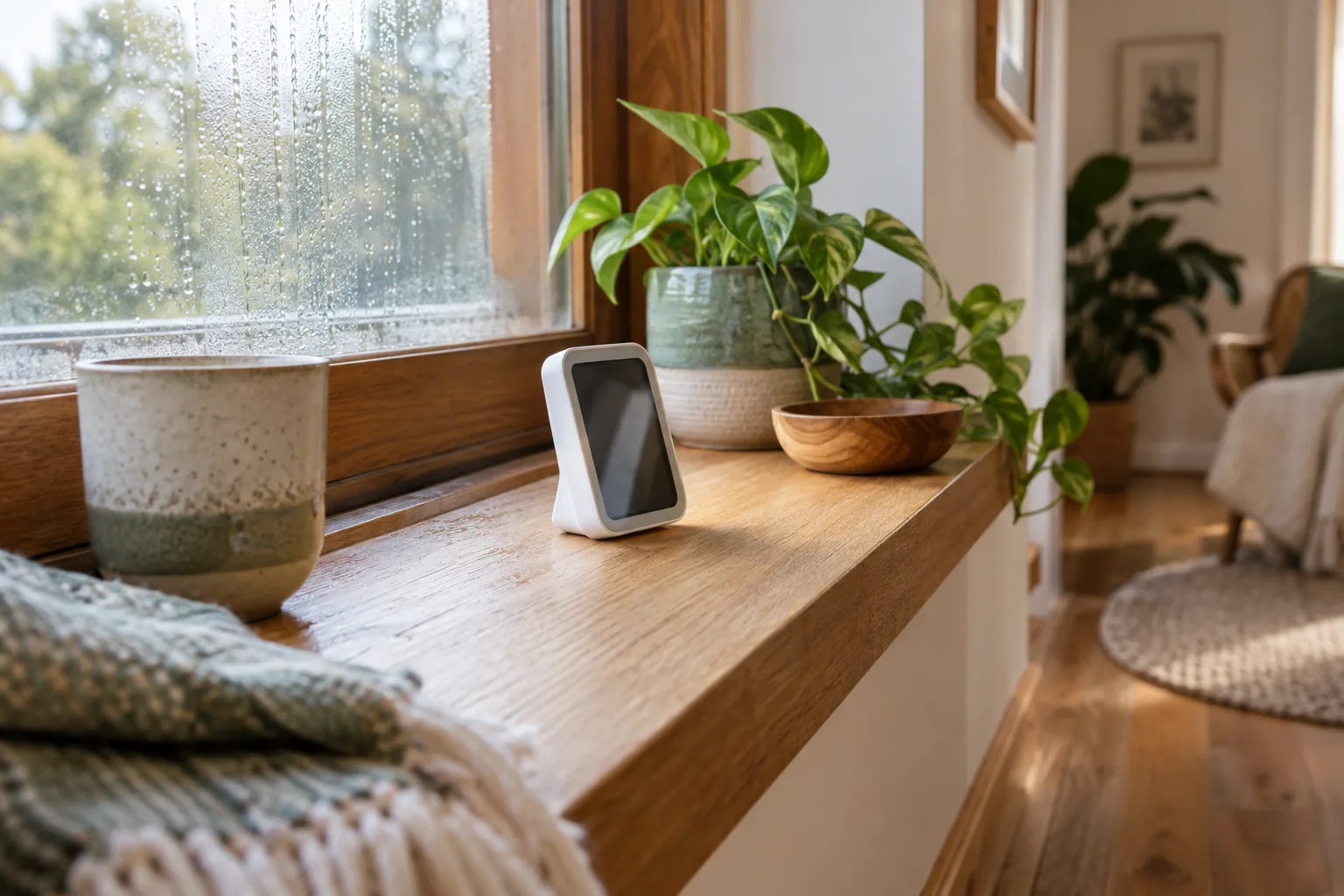
Describe visible water and room conditions for the interior being booked. A reading or leak history from another structure may not describe this one. The professional hygrometer provides room-air humidity context, not proof of dry materials, a concealed leak route or a site-wide moisture assessment.
Correct known water-entry and ventilation problems through suitable separate arrangements. Continuing dampness can contribute to recurrence after visible treatment. Discuss inspection of accessible condition where the concern first needs clarification, without assuming roof-space access, probes or laboratory testing are included.
FROM PREPARATION TO FOLLOW-THROUGH
Agree the accessible treatment sequence
1
Agree the accessible scope
Confirm the intended room and safe access, assessing visible contamination and agreeing suitable checks and treatment boundaries.
2
Begin air protection
Set up confirmed HEPA air filtration before application, locating the scrubber within the agreed prepared work area.
3
Choose the treatment application
Apply suitable HOCl treatment, considering ULV dry fog where appropriate rather than promising coverage of separate buildings.
4
Remove visible growth
Remove visible mould using professional H-class filtered equipment within the accessible finish agreement, excluding hidden materials and textiles.
5
Continue final air cleaning
Keep HEPA air cleaning running during and after work, then discuss residual marks, repair follow-through and specific return advice.
Use finishes to define the work
Walls
Wall scope should identify the actual interior and exposed finish, not an entire property boundary.
Ceilings
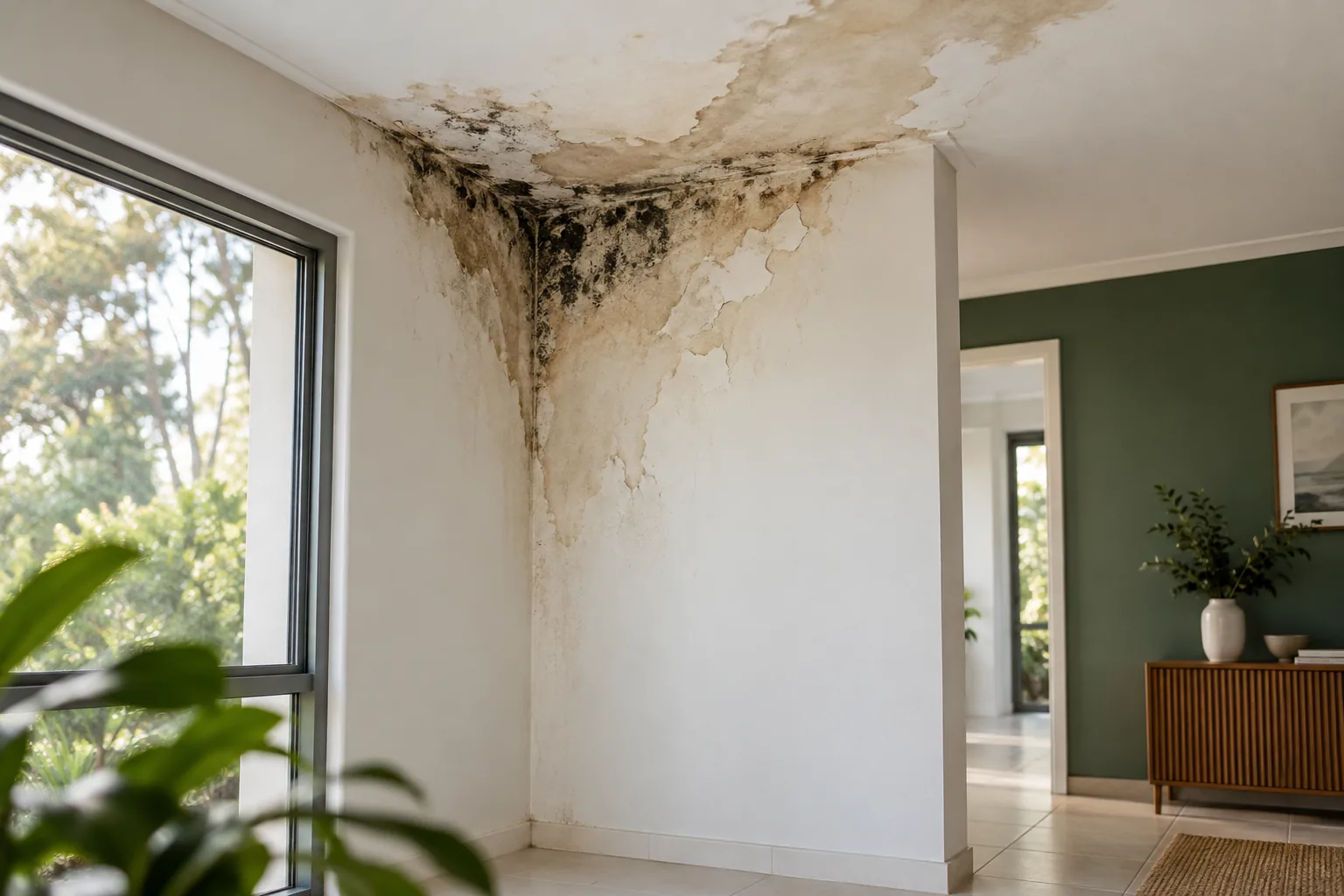
Ceiling work requires safe available access and a clear description of any visible deterioration.
Bathrooms
Bathroom paint, grout and silicone need their own material descriptions; fixtures or repairs are not automatically renewed.
Kitchens
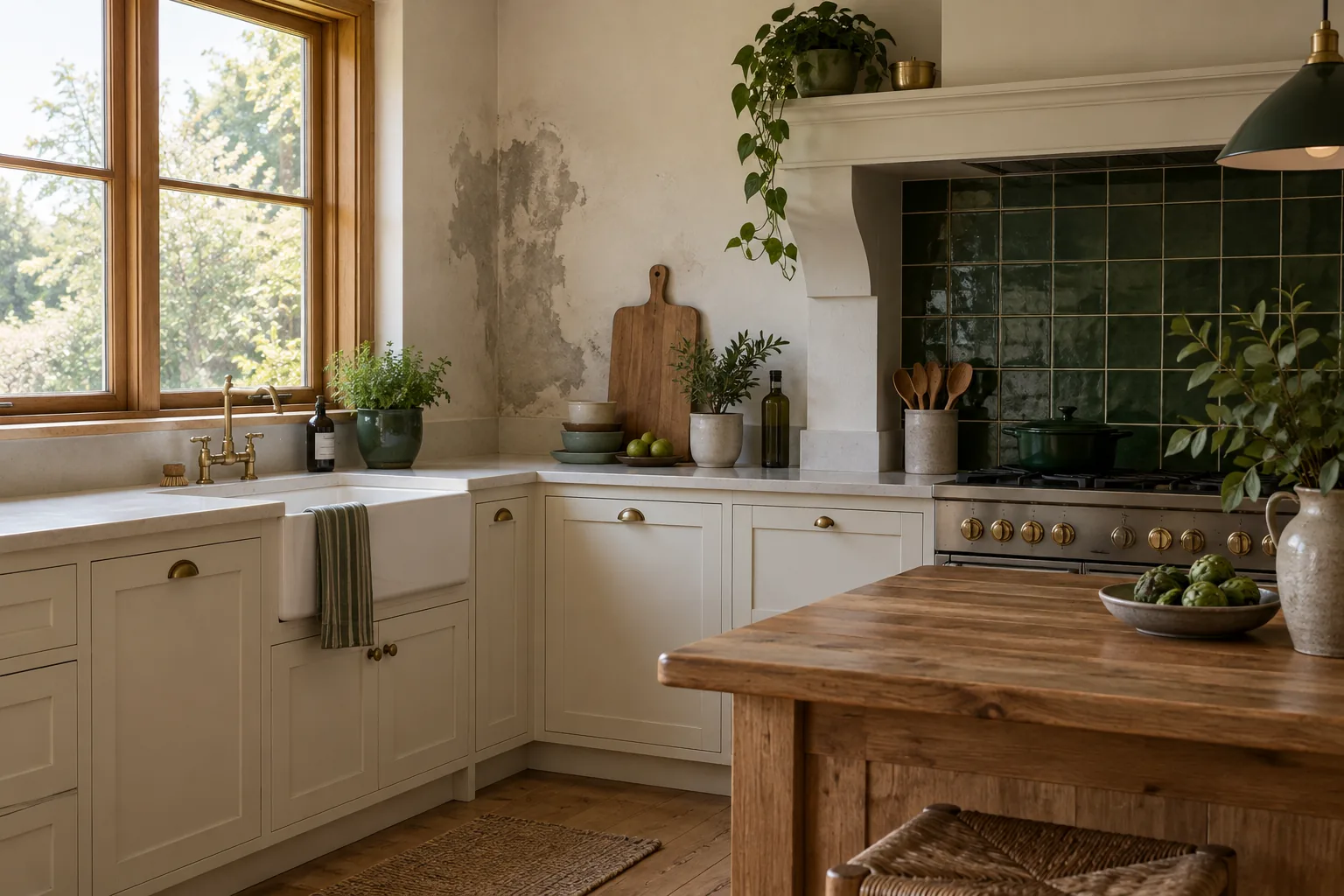
Kitchen treatment relates to exposed agreed finishes, with contents and fixed obstructions prepared as instructed.
Accessible affected surfaces
Other affected accessible floors, walls or ceilings may be agreed, while concealed cavities and textile materials remain excluded.
PREPARE FOR THE ACTUAL JOB
Make the right room available
Arrange the authorised entry contact, accurate arrival information and room clearance before attendance. People and pets must leave during treatment. Average guidance is approximately three hours per room, depending on size, contamination and access; this does not establish travel availability, a fixed appointment slot or whole-property treatment time.
Cosmetic staining can remain, and separate repair or decorating work may still be needed. Confirm how the technician’s departure and return instructions will reach the people using the room. No promised clearance certificate, hidden-layer assessment or guarantee of future dryness follows from the completed visible treatment.
AFTER THE TREATMENT
Record follow-up at the correct interior
Keep observations labelled with the particular building and room.
Report fresh water or growth where it actually appears.
Follow through on repairs specific to the affected interior.
Keep practical safe access for observing the exposed finish after the job.
Quote for the premises actually requested
For the quote, identify the requested interior, affected surface area and access arrangements. The published table is for Mould Removal examples, so confirm applicable remediation figures. Do not assume it includes multiple structures, travel terms or separate repair work; clarify the actual treatment boundary before comparing a listed room amount.
OAKLANDS JUNCTION · EXACT ADDRESS & ACCESS
Enquiries for nearby addresses
Give the full Oaklands Junction postal address and clarify which entrance leads to the requested room. A contact should be able to authorise entry and explain any arrival limitations. Nearby pages help navigate other premises, while attendance availability, building access and treatment scope remain subject to this address-specific discussion.
Oaklands Park · Greenvale · Yuroke · Attwood
Questions about remediation
Is a map pin enough to arrange treatment?
No. Provide the full address, intended interior and authorised contact. A pin alone may not identify the room, entrance or scope requested.
Does one address mean all buildings are included?
No. Identify each requested interior separately and agree what can be accessed and treated before assuming whole-property coverage.
Can a reading from another building describe this room?
Do not assume so. Label where the observation or reading came from and keep it separate from the actual treatment room’s condition.
Will the technician repair water entry during the job?
No building repair is promised. Arrange source correction separately and explain its status when planning treatment of the visible finish.
Can someone return while filtration is still operating?
Follow the technician’s particular instructions. Equipment operation and average work duration do not independently establish permission to re-enter.
How should I report a mark in a different structure later?
Identify it as a separate interior with its own location and history. Do not treat the earlier room’s quote or outcome as treatment of another building.
Confirm the address and treatment area
Phone 03 8652 1296 with the full address, intended room and entry contact. Confirm attendance and the accessible treatment scope before organising preparation.