
VISIBLE SURFACES · AGREED TREATMENT
Mould Remediation Campbellfield
If an affected wall sits in a room used for work, preparation needs to distinguish the treatment area from equipment and stored materials. For a Campbellfield enquiry, identify the actual premises and authorised access contact. Do not assume a commercial setting confirms eligibility, includes stock treatment or allows occupants to continue working during remediation.
The authorised work area is identified.
Contents and surface scope are separated.
Departure arrangements are planned.
TREATMENT · FILTRATION · FOLLOW-THROUGH
A TREATMENT PLAN WITH CLEAR LIMITS
A working room still needs a defined surface scope
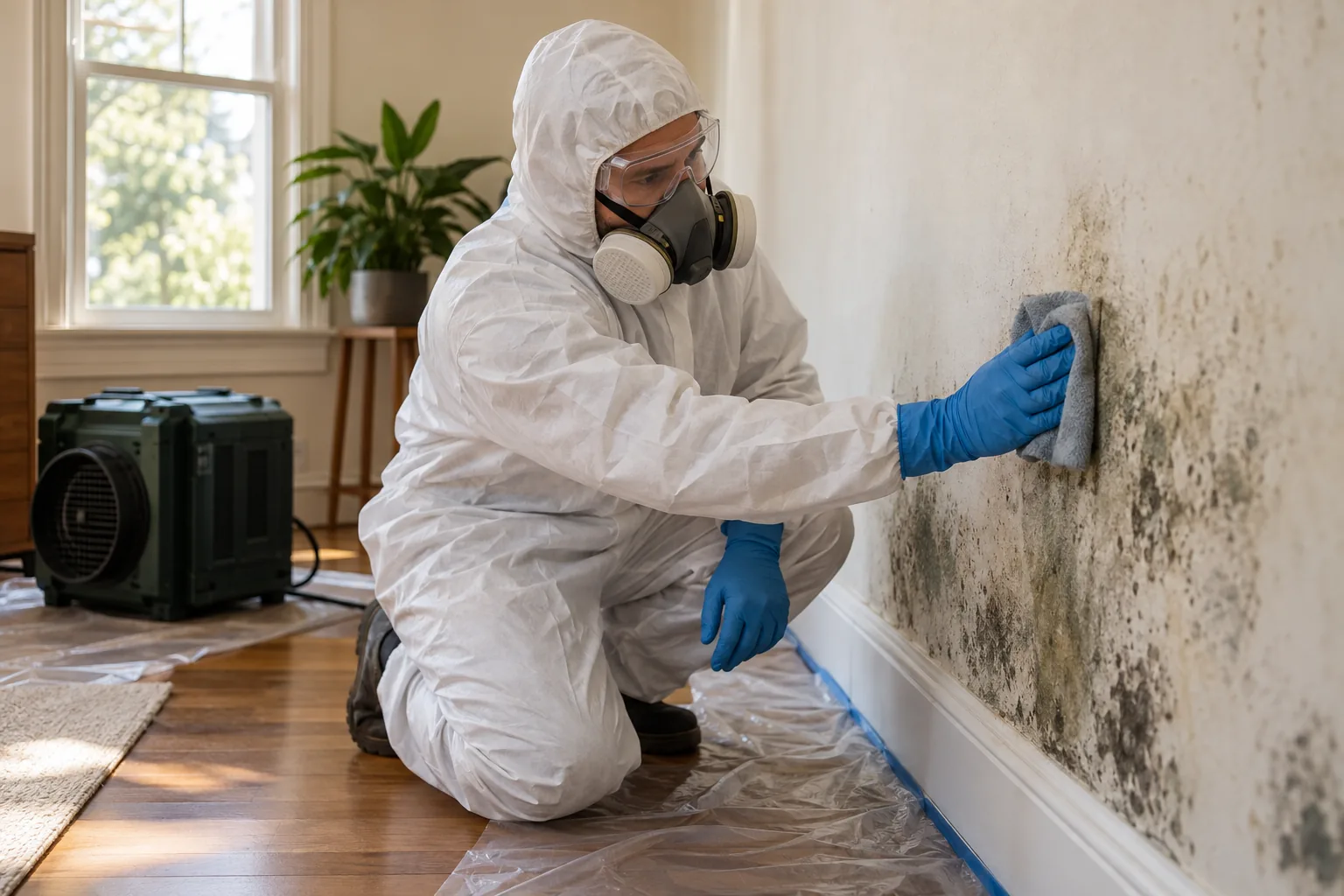
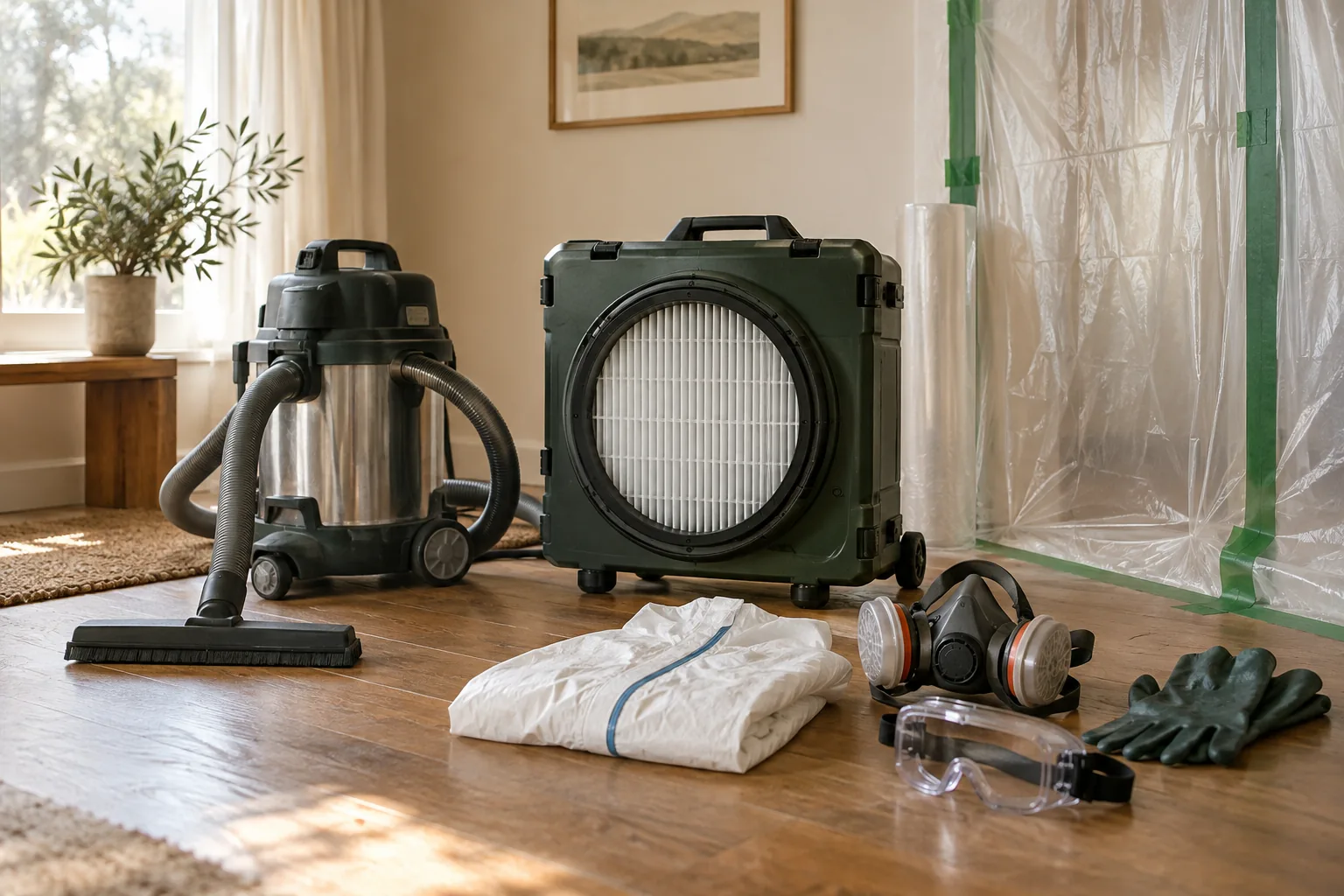
Remediation treats agreed visible accessible contamination through assessment, filtration, suitable application and physical removal. Identify exposed walls, ceilings or floors rather than asking for general decontamination of everything stored in the room. Explain fixed equipment and restricted areas before promising full access.
The remediation outline describes supported surface work. Stock, machinery servicing, furniture and textile treatment are not established inclusions. Nor does the premises type imply a local company relationship, unrestricted attendance or a confirmed commercial clearance document.
MOISTURE COMES FIRST
Use the interior’s actual moisture observations
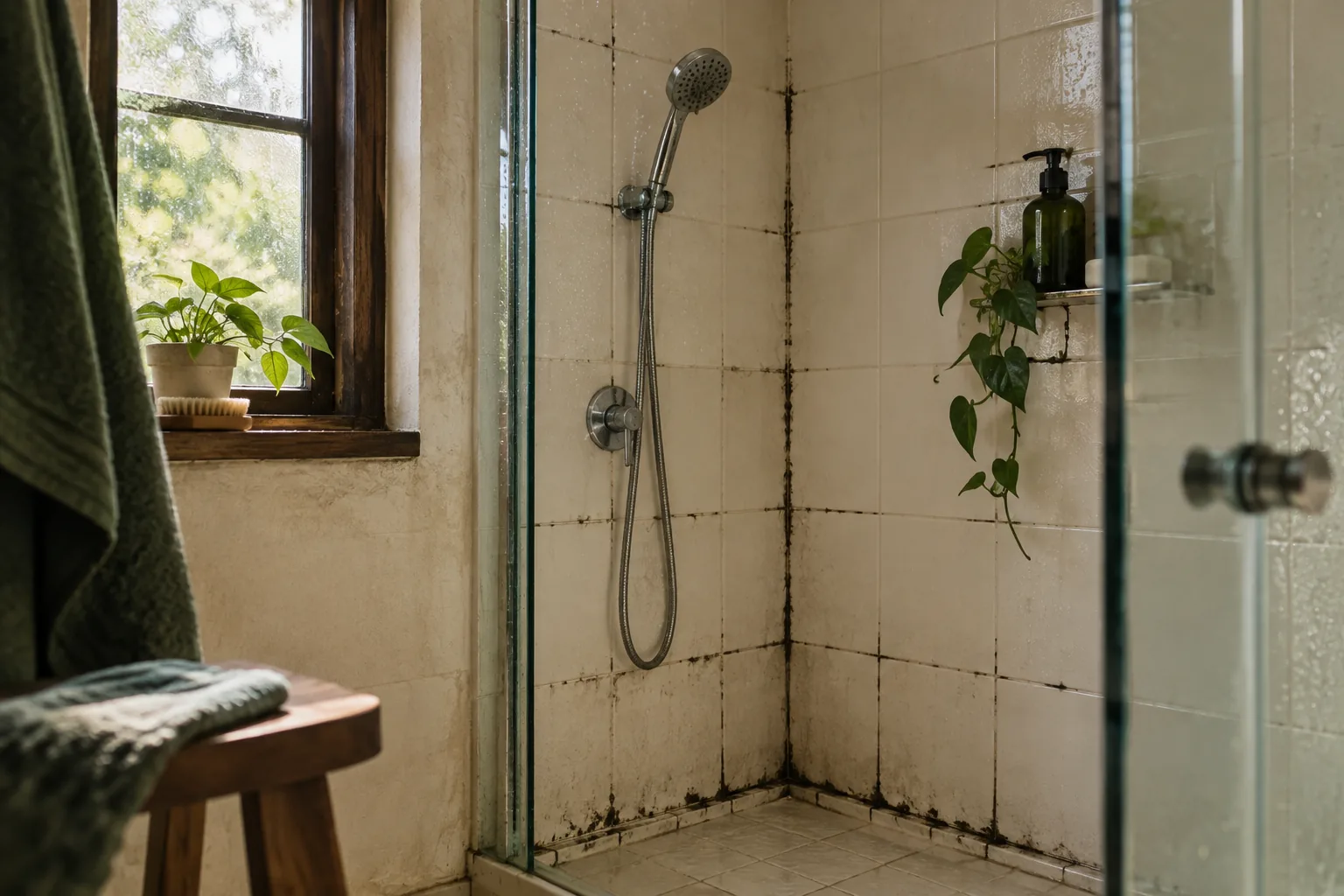
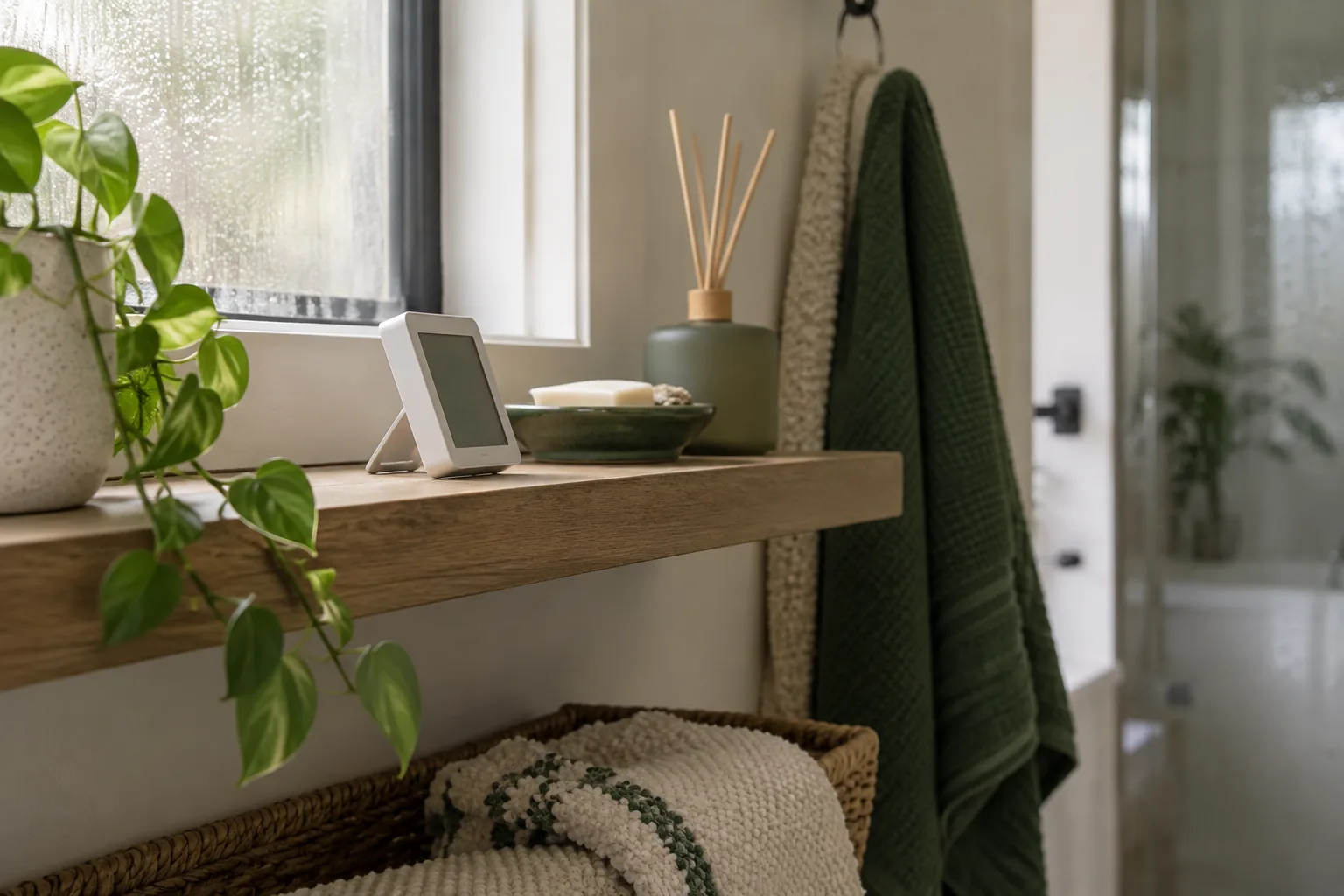
Describe any water actually observed inside the requested room and distinguish it from information about another part of the site. A professional hygrometer supplies room-air humidity context. It does not verify industrial process conditions, establish material moisture or inspect inaccessible wall cavities.
Separate plumbing, building and ventilation corrections from the surface job. Ongoing dampness can contribute to recurrence. If the exposed boundary needs clarification, discuss the inspection service without assuming the enquiry includes a site-wide survey, laboratory testing or assessment of stored goods.
FROM PREPARATION TO FOLLOW-THROUGH
Coordinate the confirmed treatment sequence
1
Agree the accessible scope
Confirm authorised entry and the accessible affected surfaces, identifying fixed equipment and any unavailable interior sections.
2
Begin air protection
Begin confirmed HEPA air-scrubber filtration before treatment, with working-area preparation agreed through the responsible contact.
3
Choose the treatment application
Use appropriate HOCl application; ULV dry fog is conditional and does not establish treatment suitability for every stored material.
4
Remove visible growth
Remove visible mould with professional H-class filtered equipment within the agreed building finishes, excluding textiles and unagreed contents.
5
Continue final air cleaning
Continue HEPA air cleaning during and after work, then communicate remaining limitations and the specific return arrangements.
Separate building finishes from business contents
Walls
Walls beside machinery need actual working clearance described, rather than an assumption that equipment will be dismantled.
Ceilings
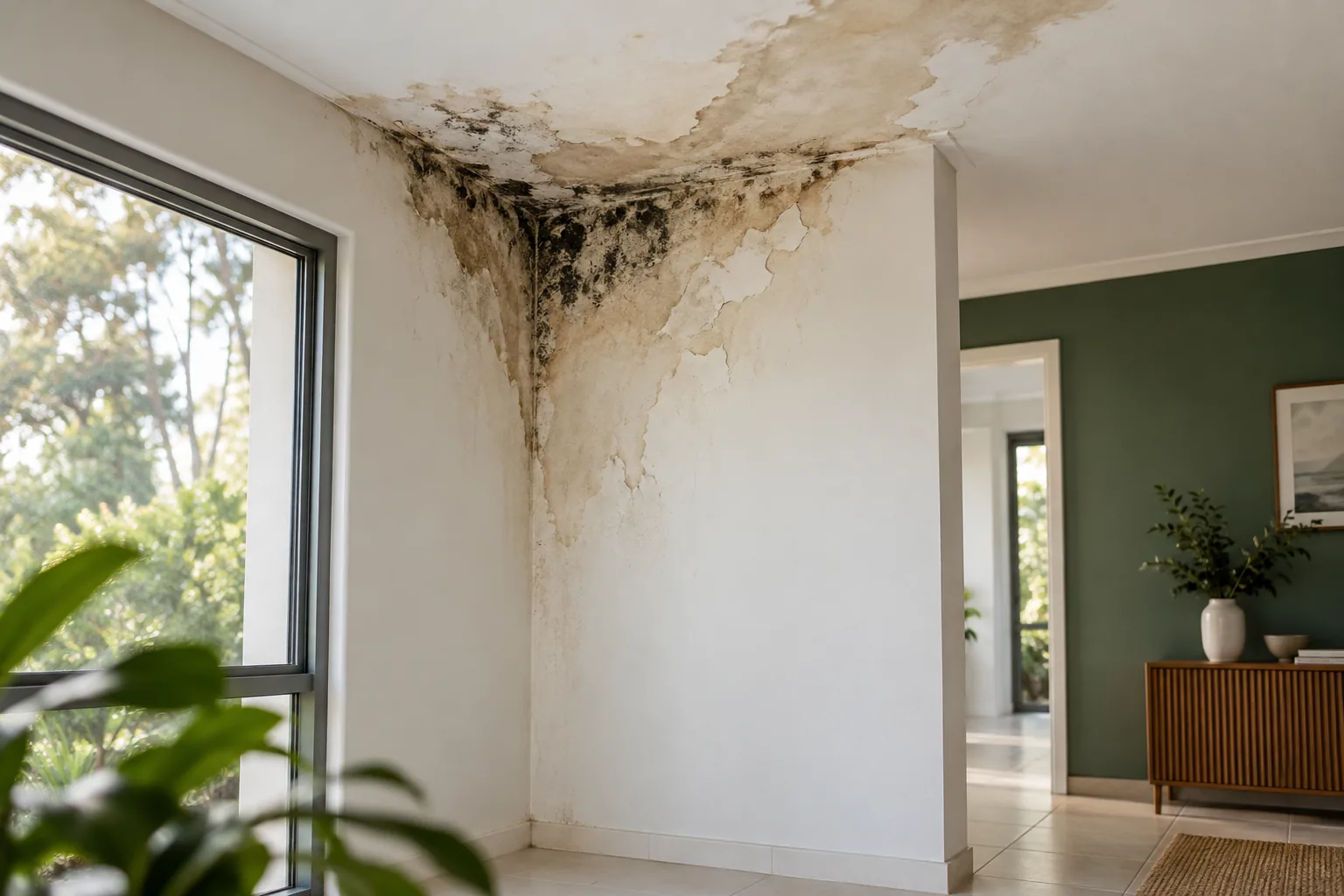
Ceiling marks require safe access and disclosure of overhead obstructions or damaged finishes.
Bathrooms
Bathroom surface work identifies joints, paint and tiles, with fixtures or repairs considered separately.
Kitchens
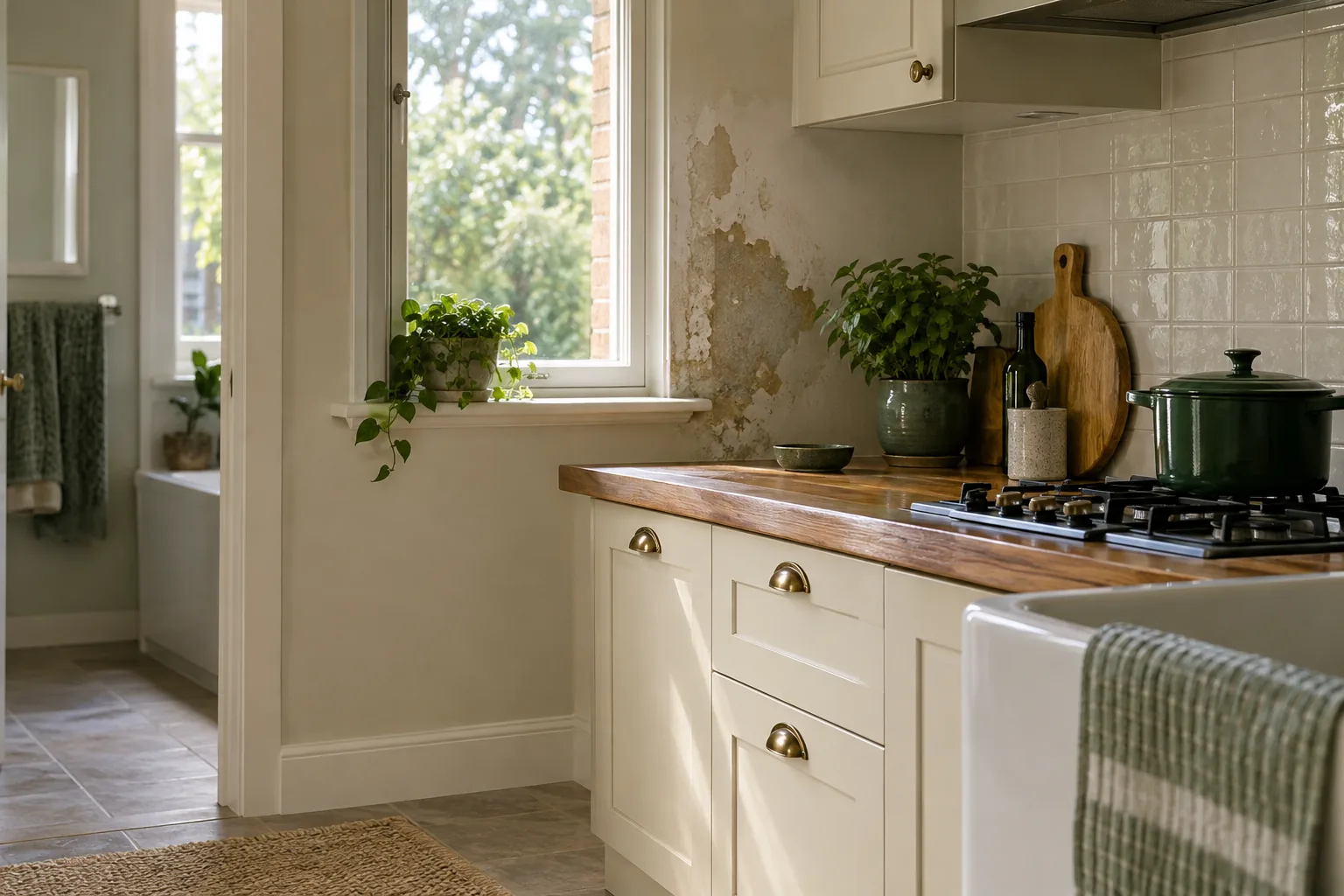
Kitchen or staff-room treatment concerns agreed exposed finishes; stored contents are prepared as directed.
Accessible affected surfaces
Other affected accessible floors, walls and ceilings may be agreed, while concealed layers and textile materials remain excluded.
PREPARE FOR THE ACTUAL JOB
Prepare access before interrupting room use
Nominate the person who can make the room available and communicate departure instructions. People and pets must leave during treatment; continuing operations nearby is not automatically approved. Average source guidance is about three hours per room, with size, contamination and access changing the actual work duration.
The booking does not promise restoration of stock, unrestricted site coverage or a clearance certificate. Cosmetic marks may remain and building repairs require separate arrangements. Confirm technician-specific return instructions rather than relying on a production schedule or another site’s treatment experience.
AFTER THE TREATMENT
Record follow-up against the requested interior
Follow-up should identify the actual room and treated finish.
Report renewed water or visible growth through the nominated site contact.
Pursue separate leak or ventilation corrections.
Keep the treatment record distinct from equipment maintenance and stock-condition decisions.
Agree the room-specific quote
Give the requested interior, accessible surface area and operational restrictions when discussing the quote. The published examples are labelled Mould Removal, so confirm applicable remediation pricing. A business address does not automatically establish free attendance, treatment of stock or a building-wide allowance; those assumptions should be resolved before booking.
CAMPBELLFIELD · EXACT ADDRESS & ACCESS
Enquiries for nearby addresses
Provide the complete Campbellfield premises address, room identifier and authorised arrival contact. Explain any site access procedure without treating nearby location pages as evidence of organisational affiliation or permission. Each property needs availability, preparation and treatment scope discussed on its own facts, even where several locations belong to the same operator.
Fawkner · Dallas · Hadfield · Broadmeadows
Questions about remediation
Does a commercial address make attendance free?
No universal entitlement is established. Confirm eligibility and the applicable quote for the actual request rather than inferring free attendance from the premises type.
Can staff continue working in the room?
People must leave during treatment. Discuss departure and return instructions through the authorised contact instead of treating equipment filtration as permission to stay.
Will stored stock be treated with the wall?
Do not assume that. The confirmed scope is visible accessible building surfaces, with contents and textiles kept outside implied inclusions.
Can machinery be dismantled for access?
No dismantling service is promised. Describe fixed obstructions and arrange any necessary access work separately before treating hidden wall sections as available.
Is a clearance certificate part of remediation?
No certificate is confirmed. Raise external documentation requirements before booking and do not describe the visible-surface treatment as a site-wide compliance assessment.
Who should receive return instructions for the staff?
Nominate an authorised contact able to pass the technician’s instructions to everyone affected. Establish that communication before the appointment rather than relying on informal shift messages.
Discuss your available working area
Call 03 8652 1296 with the interior, access authority and exposed finishes. Confirm preparation, departure arrangements and applicable pricing before attendance.