
VISIBLE SURFACES · AGREED TREATMENT
Mould Remediation Dallas
Shower silicone and nearby paint need different decisions. For your Dallas enquiry, locate each mark and identify the finish. A treatment plan should establish accessible surfaces and preparation, while keeping damaged seals, continuing leaks and other repair needs separate from the visible contamination work.
Different bathroom finishes are identified.
Departure arrangements are explained.
Treatment limits remain clear.

TREATMENT · FILTRATION · FOLLOW-THROUGH
A TREATMENT PLAN WITH CLEAR LIMITS
Define the bathroom finishes first
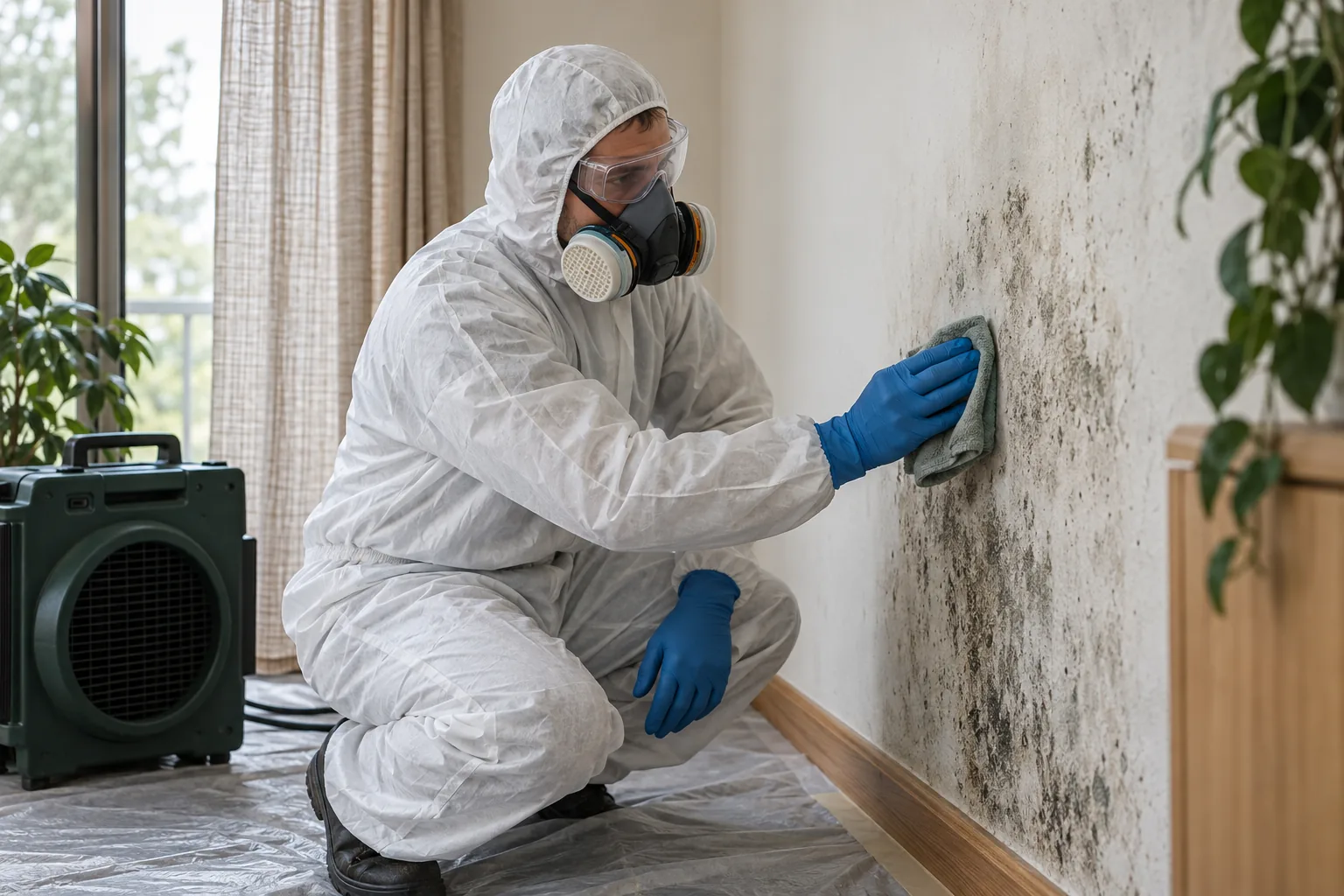
Professional remediation combines a suitable treatment approach with filtration and physical work on visible accessible contamination. A bathroom enquiry should distinguish painted plaster from tiled areas, grout and silicone. Stating that the shower is affected is less useful than identifying the particular joints and finishes you want considered.
A failed seal or damaged surface may require separate repair, replacement or decorating; remediation is not a promise to rebuild the shower. The main remediation page outlines the supported process. Include photographs that show the boundary without claiming they reveal the condition behind tiles.
MOISTURE COMES FIRST
Moisture control continues after treatment
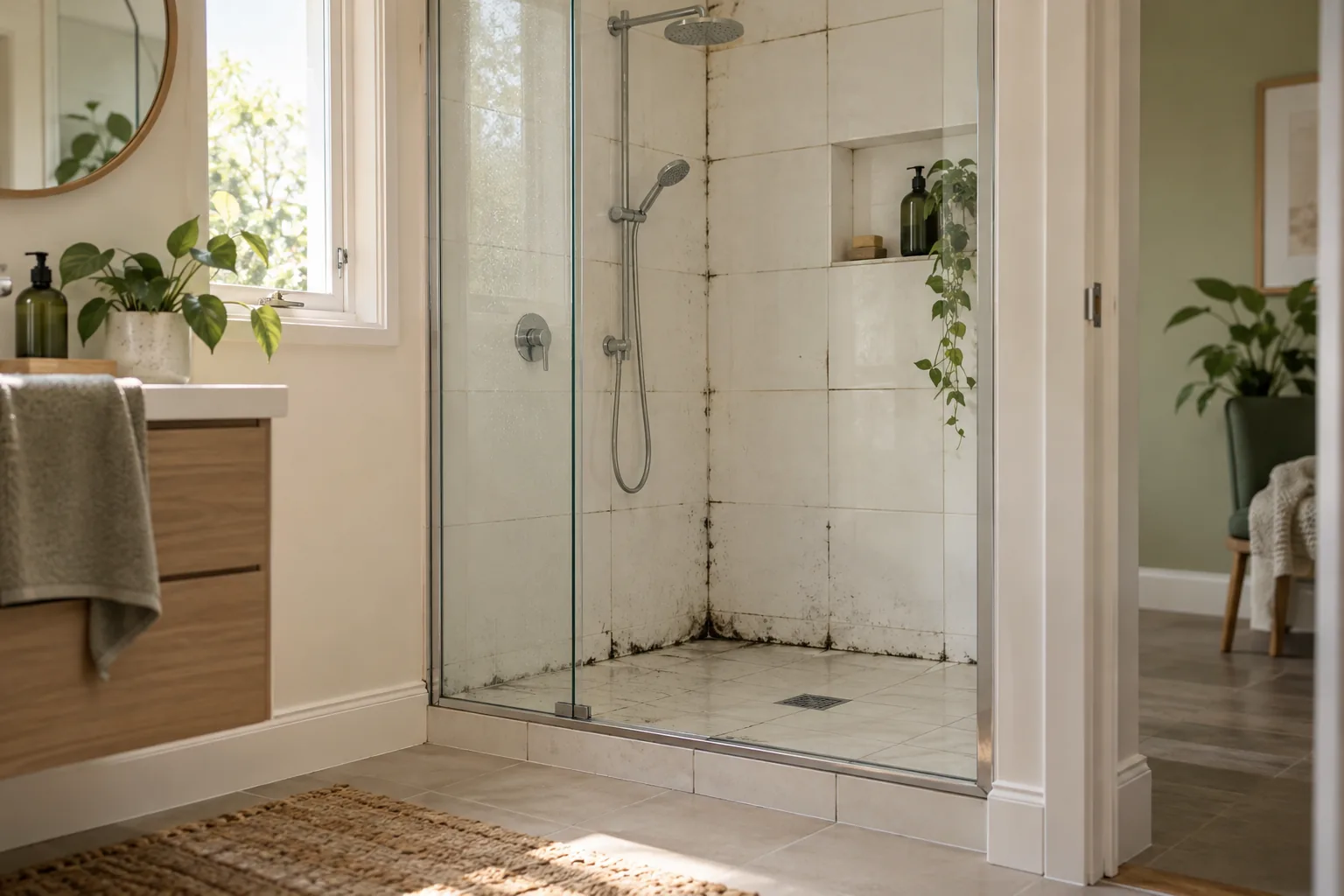
Describe whether water remains on the room surfaces after showering or whether a leak has already been identified. The professional hygrometer measures air-relative humidity, helping put the room conditions into context. Its reading does not certify a waterproofing layer, tile backing or concealed timber as dry.
Arrange any plumbing or building correction separately. Cleaning visible contamination while an ongoing source remains unresolved can lead to recurrence. Where the problem is unclear, begin with visible-condition inspection rather than treating an uncertain photograph as a complete moisture diagnosis.
FROM PREPARATION TO FOLLOW-THROUGH
A sequence matched to the room
1
Agree the accessible scope
Discuss the visible joints and painted areas, access around fittings and which damaged sections need a separate repair decision.
2
Begin air protection
Start the confirmed HEPA air scrubber before treatment application, using filtration as work support rather than an air-clearance test.
3
Choose the treatment application
Apply HOCl appropriately to the agreed finishes. Discuss whether ULV dry fog suits this job instead of expecting it automatically.
4
Remove visible growth
Remove visible growth with professional H-class filtered equipment, keeping the work within the accessible surface arrangement.
5
Continue final air cleaning
Maintain HEPA air cleaning through and after the process; explain follow-up concerns and confirm the particular return instructions.
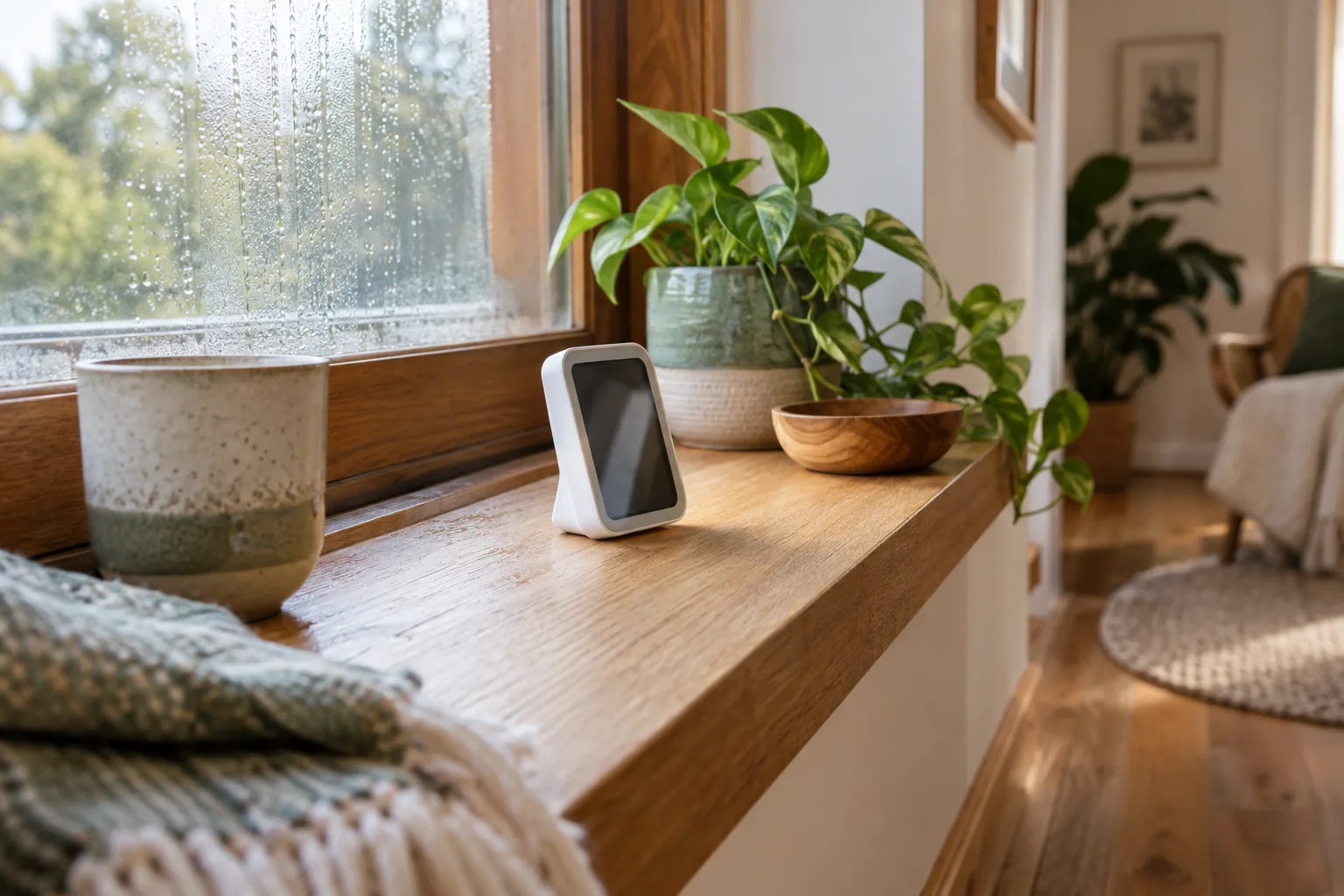
Separate shower joints from surrounding surfaces
Walls
Bathroom wall paint may differ from the shower finish; identify flaking or softened sections before agreeing treatment.
Ceilings
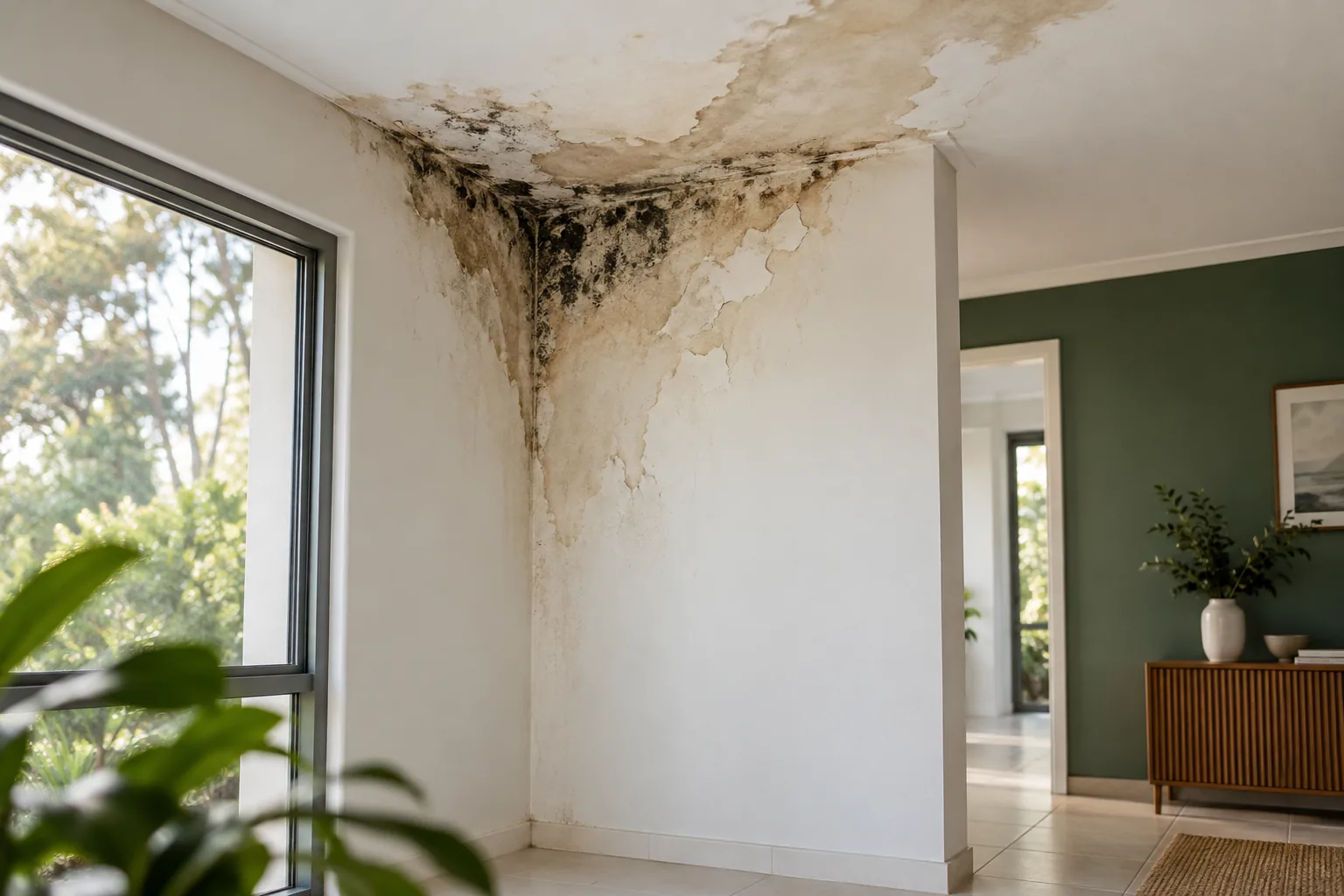
Ceiling spots above the shower need their height and safe viewing position described, not an assumption of roof-space access.
Bathrooms
Shower joints should be named individually where practical; seal replacement is a separate question from treating visible mould.

Kitchens
Kitchen mould is a separate room concern; explain exposed wall or ceiling areas without including stored food or appliances.
Accessible affected surfaces
Accessible affected floors and additional wall sections require agreement; hidden backing layers and household textiles are not standard inclusions.
PREPARE FOR THE ACTUAL JOB
Make the bathroom available
Clear toiletries and movable contents as directed, leaving fixed fittings alone unless another arrangement is made. People and pets must leave during treatment. Ask who can admit the technician and how you will receive departure and return advice. Average room guidance is about three hours, but access, area and condition influence the actual schedule.
Cosmetic staining or paint damage may remain, requiring separate decorating. Obtain particular return instructions from the technician. Do not improvise preparations or assume treatment renews every bathroom finish.
AFTER THE TREATMENT
Watch the repaired and treated areas separately
After the work, distinguish a remaining old stain from a newly spreading mark.
Use the bathroom ventilation arrangements available and seek repair when an extractor is not functioning.
Keep attention on an unresolved leak or failed seal.
Describe recurring water and the timing of new visible changes when seeking follow-up.
Clarify the bathroom treatment quote
Identify the shower joints, paint and ceiling areas requested when discussing cost. The published pricing refers to Mould Removal examples. Confirm applicability to remediation, keeping seal replacement and repainting separate from the treatment quote.
DALLAS · EXACT ADDRESS & ACCESS
Enquiries for nearby addresses
For Dallas attendance, provide the address and identify the bathroom. Explain whether another bathroom is available when discussing preparation. Nearby pages navigate different premises; confirm this room’s entry and return arrangements directly.
Questions about remediation
Does mould on silicone mean the seal will be replaced?
No. Replacement is not established by the remediation booking. Describe the seal condition and arrange any repair scope separately before assuming treatment will renew the joint.
Can I leave toiletries on the shower shelf?
Follow the preparation instructions for the agreed work. Identify movable items beforehand so they can be cleared as directed without treating personal contents as part of the service.
Can the bathroom be used while treatment is underway?
No. People and pets must leave during treatment. Obtain the technician’s job-specific return and use instructions instead of assuming an adjacent room makes access acceptable.
Will the treated paint match the rest of the wall?
Not necessarily. Residual staining or damaged paint can remain, and decorating is a separate arrangement. Discuss the expected visible finish before work begins.
Does filtration confirm the waterproofing is sound?
No. HEPA filtration supports the treatment work; it does not inspect waterproofing or certify concealed materials. Raise suspected leaks with the appropriate separate repair provider.
What if a new mark appears after the shower is used again?
Explain its location and when it appeared. Also report water, ventilation or seal concerns, so recurrence is considered alongside unresolved conditions rather than dismissed as a colour difference.
Talk through your bathroom concerns
Phone 03 8652 1296 and identify the shower joints, painted surfaces and available bathroom access. Ask about preparation and the applicable treatment quote.