
VISIBLE SURFACES · AGREED TREATMENT
Mould Remediation Fawkner
A marked wall can leave two questions after treatment: whether fresh growth is appearing and whether an old cosmetic stain remains. For your Fawkner enquiry, describe the current finish and any changes you have actually noticed. Remediation should make appearance limitations clear before you expect the wall to look newly painted or treat every remaining outline as a new occurrence.
Visible changes are described precisely.
Residual staining is discussed.
Decorating is a separate decision.

TREATMENT · FILTRATION · FOLLOW-THROUGH
A TREATMENT PLAN WITH CLEAR LIMITS
Treatment does not promise a newly painted appearance
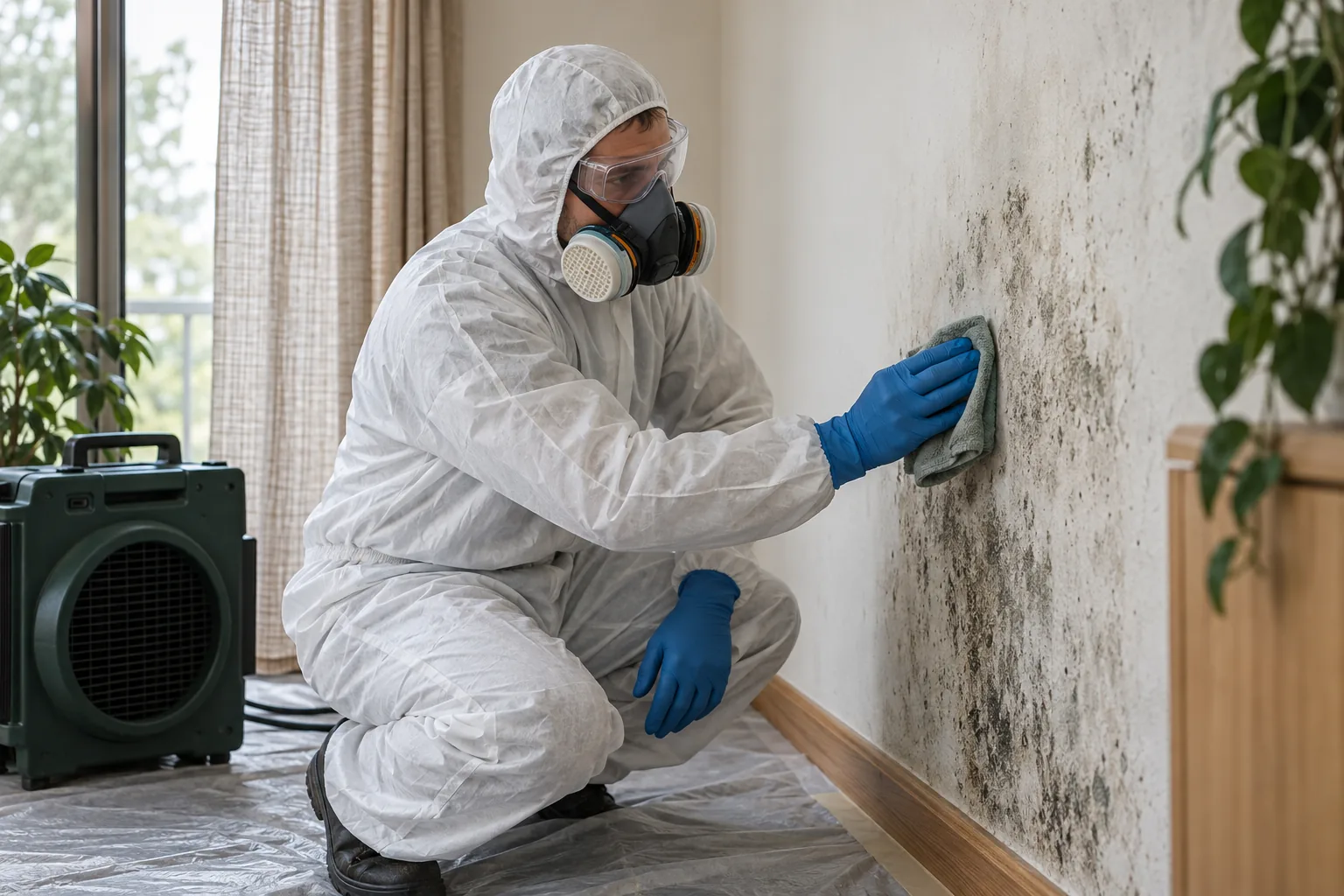
Remediation involves assessment, filtration, appropriate application and physical removal of visible mould within a suitable accessible scope. Explain whether the patch is changing, whether paint is damaged and what earlier work occurred. Do not expect a description of colour alone to establish species, hidden extent or the reason for a mark.
Our remediation service outline describes the supported process. Repainting, surface repair and full cosmetic restoration are separate matters. Agree what exposed finish is being addressed, keeping furniture, textiles and inaccessible wall layers out of assumed treatment inclusions.
MOISTURE COMES FIRST
Keep a stain’s history separate from water observations
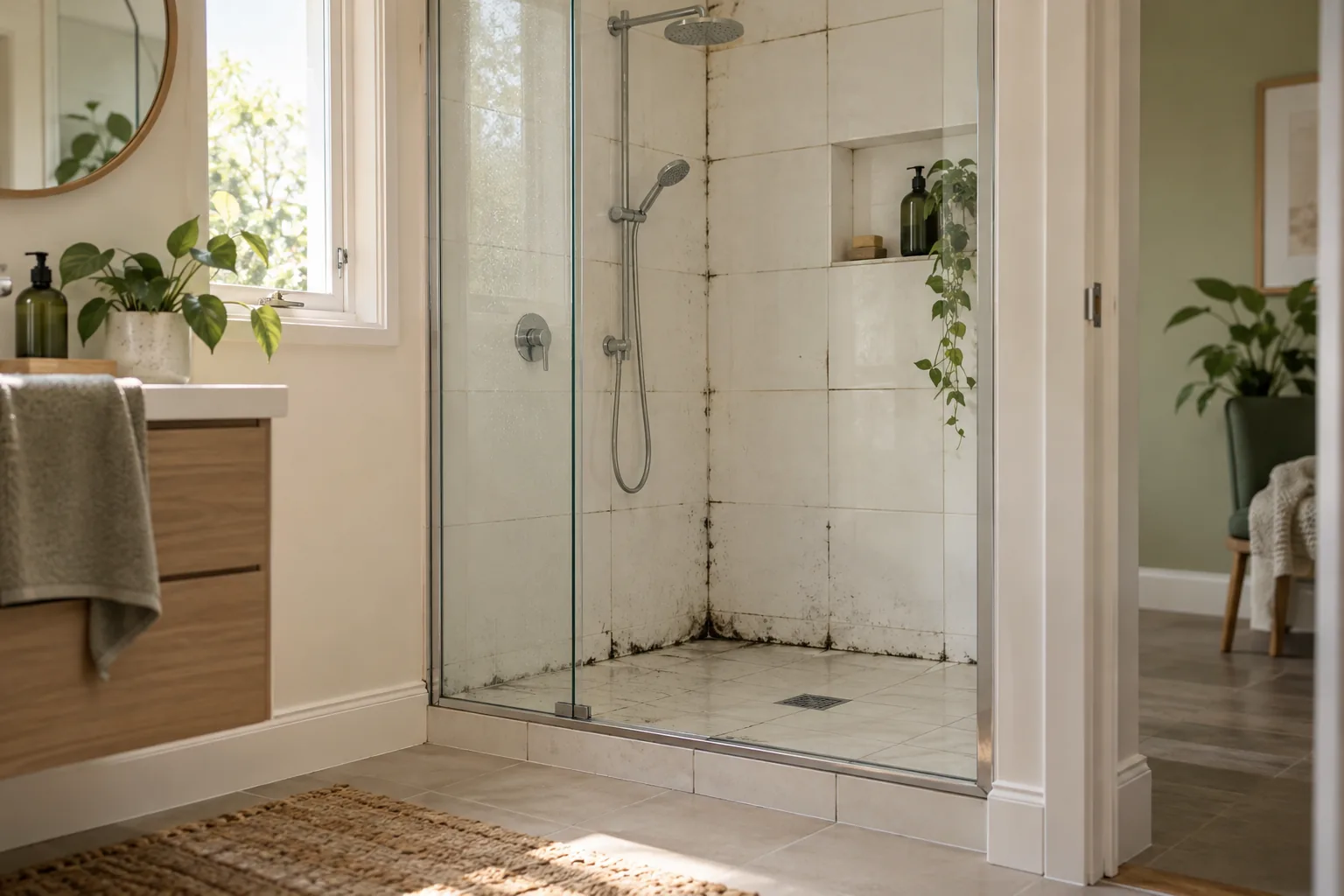
Report actual water or condensation and the timing of a new surface change. Professional hygrometer information concerns room-air relative humidity, not moisture inside paint or plaster. An unchanged old stain and a current leak need different descriptions; neither one room reading nor a pale finish proves hidden dryness.
Separately correct known leak or ventilation problems, because ongoing dampness may allow recurrence. If the current accessible condition is uncertain, discuss visible-condition inspection before deciding treatment. This does not promise material probing, laboratory identification or a certificate that all concealed contamination is absent.
FROM PREPARATION TO FOLLOW-THROUGH
Work on the agreed exposed contamination
1
Agree the accessible scope
Assess the visible finish and any previous treatment, agreeing the accessible boundary and reasonable appearance expectations.
2
Begin air protection
Start confirmed HEPA air-scrubber protection before application, without using filtration as proof of an independently cleared room.
3
Choose the treatment application
Apply HOCl suitably to the agreed finish, with ULV dry fog included only where appropriate for the work.
4
Remove visible growth
Physically remove visible mould using professional H-class filtered equipment, rather than promising removal of every cosmetic discolouration.
5
Continue final air cleaning
Keep HEPA air cleaning running during and after the process; discuss remaining marks, moisture follow-up and job-specific return advice.
Each finish has its own appearance limit
Walls
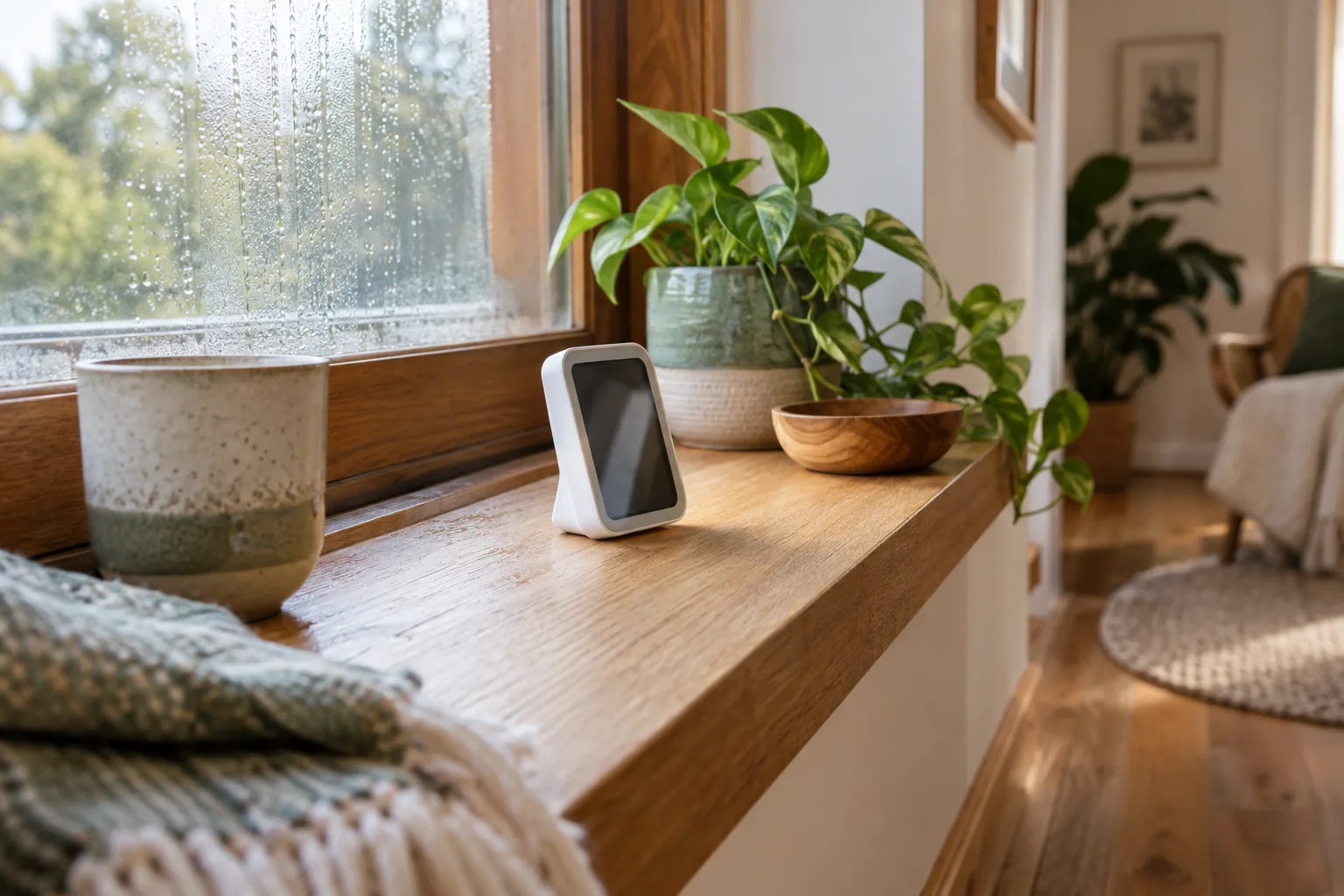
Painted walls can retain colour differences after visible contamination work, so describe the coating and condition.
Ceilings
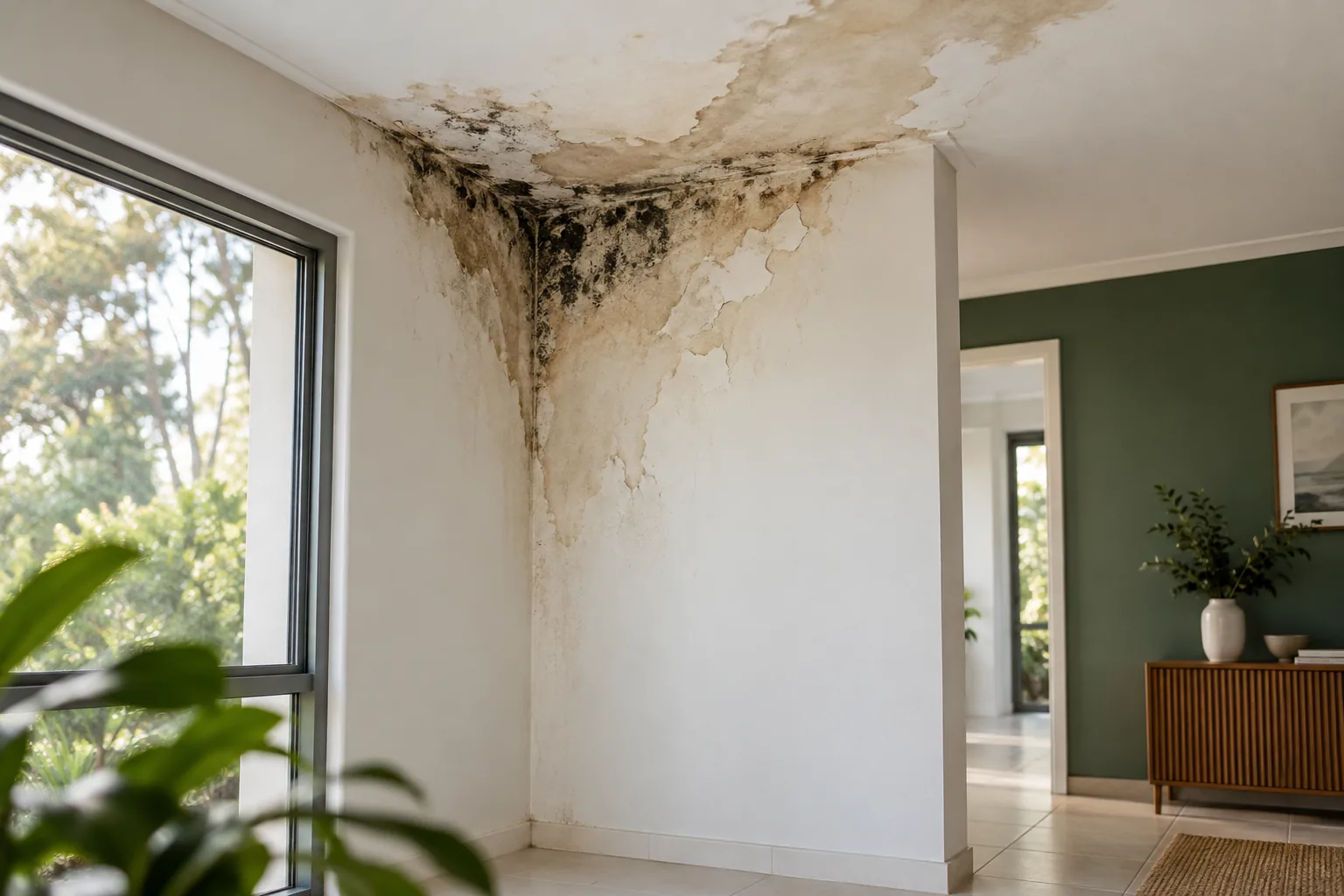
Ceilings with water staining require their own access and appearance discussion, especially where paint has deteriorated.
Bathrooms
Bathroom joints and paint may retain different marks; seal replacement is not automatically included.
Kitchens
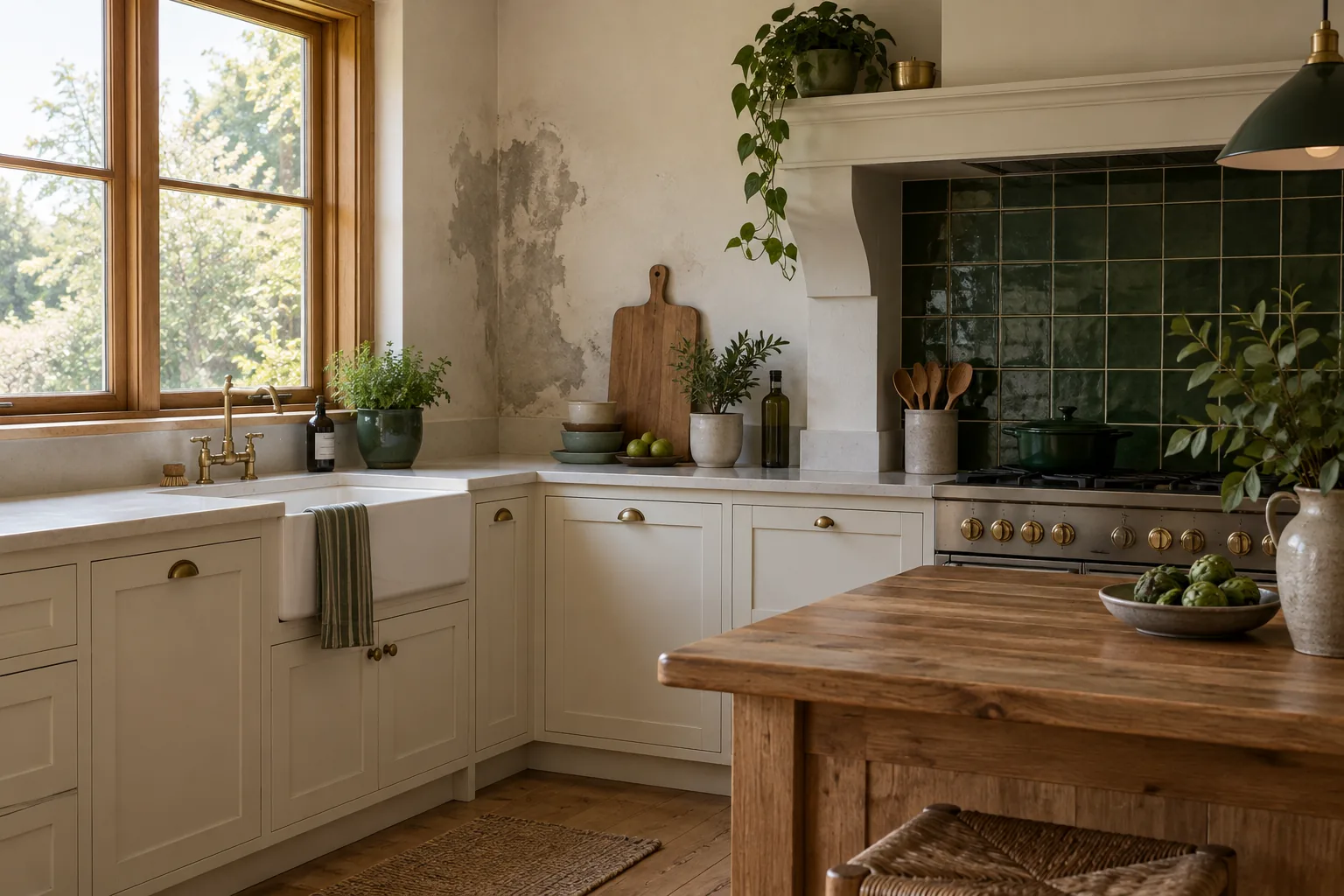
Kitchen plaster and tile concerns need separate material descriptions rather than one promised cleaning result.
Accessible affected surfaces
Other exposed affected walls, hard floors or ceilings can be agreed; concealed layers and textile contents remain excluded.
PREPARE FOR THE ACTUAL JOB
Know what the completed work may look like
Before attendance, ask which belongings must be cleared and how the finish will be discussed after work. People and pets leave during treatment. Around three hours per room is average source guidance, with actual timing influenced by size, contamination and access rather than a promised restoration schedule.
Do not organise decorating on the assumption that every mark will disappear. Ask about residual cosmetic staining and outstanding moisture correction. Return instructions come from the technician for the completed job; an acceptable-looking wall, filtered equipment or an average duration does not establish a re-entry decision or laboratory clearance.
AFTER THE TREATMENT
Watch for changes rather than demand one colour
A useful follow-up identifies a change, not just the existence of the original mark.
Keep a dated record of the visible outline where practical.
Follow through on a continuing water or ventilation issue.
Report fresh growth, spreading discolouration or new dampness without covering the change immediately.
Quote for contamination work and clarify decoration
Explain the visible contamination area and any cosmetic result you are hoping for before accepting the quote. The published room amounts refer to Mould Removal examples, not a separately confirmed remediation decorating package. Confirm applicability and keep repainting, colour matching and repairs outside assumed inclusions.
FAWKNER · EXACT ADDRESS & ACCESS
Enquiries for nearby addresses
Give the Fawkner address and identify the wall whose appearance concerns you. Label observations from another person with their timing. Nearby pages relate to different premises; confirm this room’s preparation and accessible treatment boundary.
Questions about remediation
Will the wall look freshly painted after remediation?
That is not guaranteed. Cosmetic staining and existing paint damage can remain, so discuss appearance limitations before arranging separate decorating.
Does a remaining outline automatically mean new mould?
No automatic conclusion follows from an outline alone. Describe whether it changed, when you noticed it and whether fresh water or growth is visible.
Should I request repainting in the same quote?
Clarify it separately. Repainting is not a standard promised inclusion in remediation, and the treatment scope should not silently become a decorating contract.
Can filtration prove every surface mark is removed?
No. HEPA air filtration supports the work; it does not establish a cosmetic surface result or test every hidden material.
What is useful in a follow-up photograph?
Show the same visible area and explain its date, lighting and actual change. Different colour settings alone do not prove recurrence.
What if the wall gets wet again after work?
Report the renewed water and visible change, and seek correction of the source through the appropriate provider. Surface treatment cannot promise prevention while dampness continues.
Discuss the marks you can see now
Phone 03 8652 1296 and describe the finish, current visible changes and appearance expectations. Agree the treatment boundary before planning repainting.