
SURFACE TREATMENT · MOISTURE FOLLOW-THROUGH
Mould Remediation Chirnside Park
If a previously vacant room is being reopened for a different use at your Chirnside Park address, plan structural treatment without promising suitability for the new activity. Explain the proposed room use and requested surfaces before making arrangements for treatment and later occupation.
Present surfaces nominated
Future fittings discussed
Reuse expectations defined
TREATMENT & FOLLOW-THROUGH
UNDERSTANDING THE AFFECTED ROOM
A treatment plan before room reuse
A change in room use needs its own planning beyond treatment of visible growth. Explain what will be installed and which surfaces remain exposed. Remediation should not be presented as approval for the new activity, clearance of belongings or completion of every future fit-out requirement. Review remediation scope before selecting the structural-surface job.
Room reuse can involve decisions the treatment service does not make, including contents, fittings and the new activity’s requirements. Define the current structural surfaces and avoid using vacancy as a reason to promise universal suitability or immediate occupation. Appropriate application, filtered removal and air cleaning have a bounded purpose. New installation or decorative work should remain separately planned against the actual surface condition.
MOISTURE & CONTAMINATION
Vacancy leaves gaps in the history
A closed room’s past conditions may be uncertain. Say what is known about water or repairs rather than inventing a timeline from vacancy. Discuss inspection if the condition needs clarification before a new use is planned.
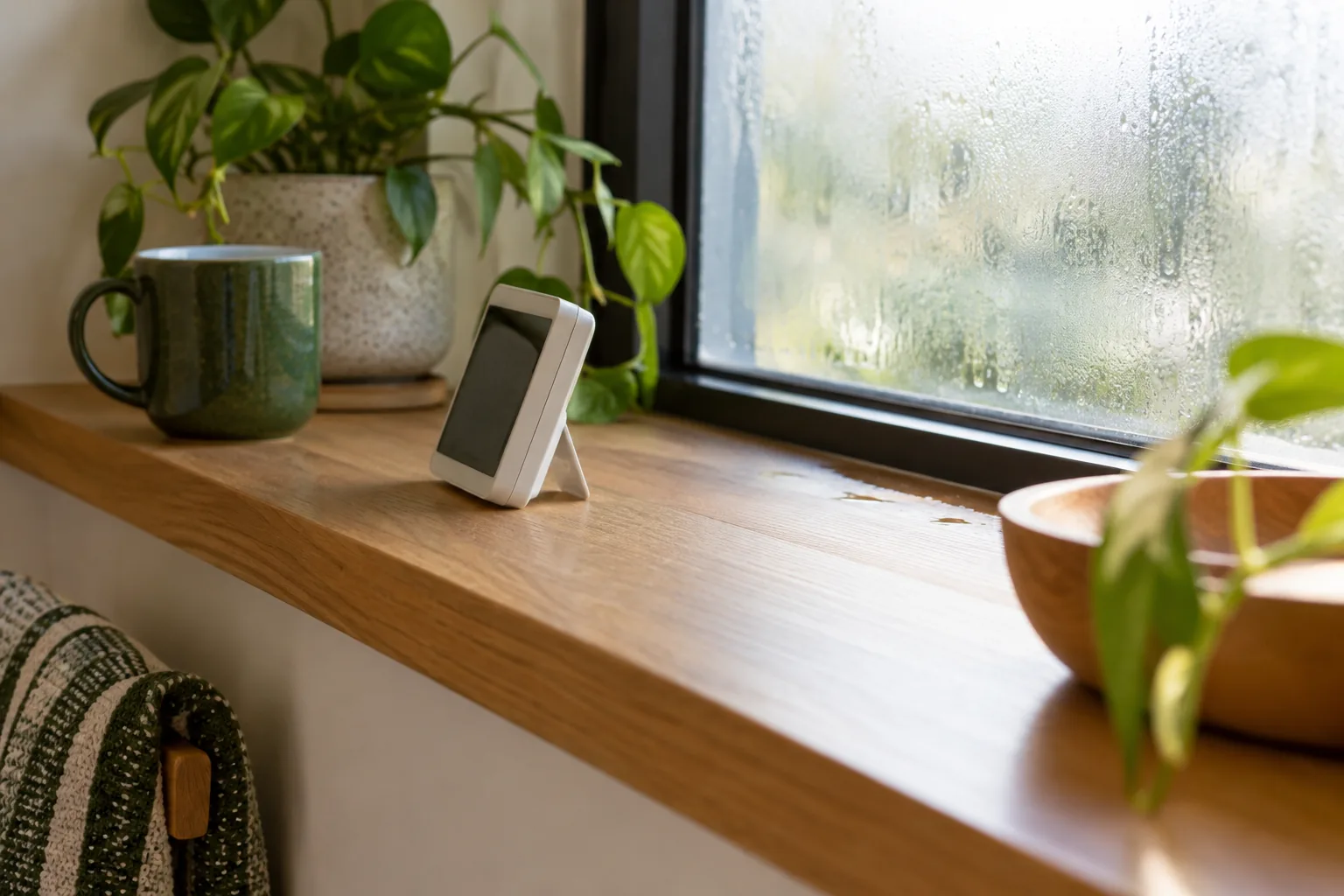
The professional hygrometer informs present room-air conditions; it cannot reconstruct vacancy history or certify hidden material readiness for a new use.
A DEFINED TREATMENT SEQUENCE
A sequence for the room as available
1
Assess the accessible scope
Assess the room as currently available and identify exposed contamination before considering the planned change of use.
2
Set up HEPA protection
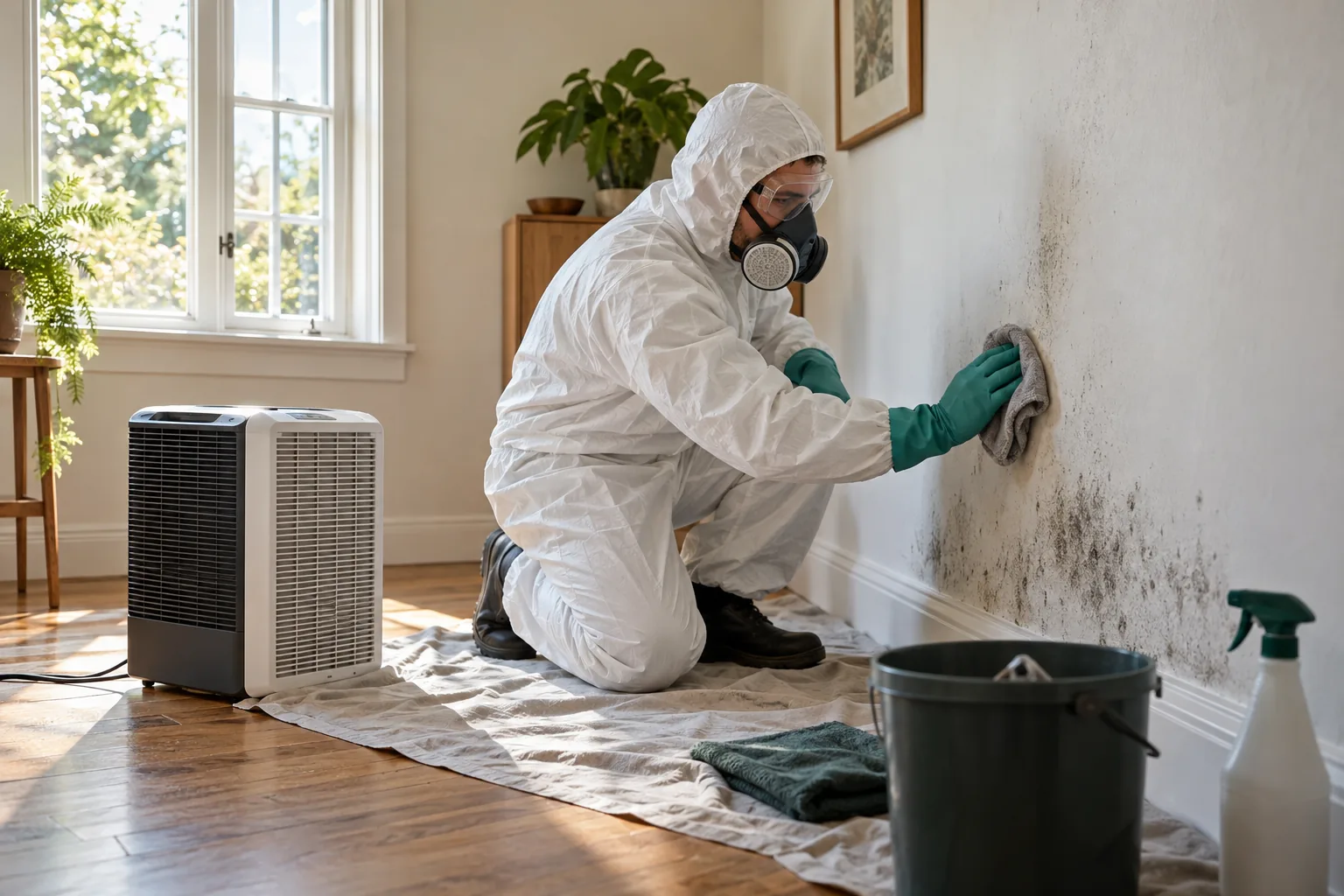
Set up the confirmed HEPA air scrubber before treatment, without assuming vacancy alone makes every preparation complete.

3
Choose suitable application
Use suitable HOCl application and ULV dry fog where appropriate, keeping new-use approval and concealed layers outside the treatment claim.
4
Remove visible contamination
Physically remove visible mould with H-class filtered equipment from the agreed structural surfaces, not left-behind furnishings or future fittings.
5
Continue final air cleaning
Maintain HEPA filtration during and after work; communicate actual return advice without certifying readiness for every proposed activity.
Surfaces before new fittings arrive
Walls
Identify wall sections available before new fittings change the room’s intended use.
Ceilings
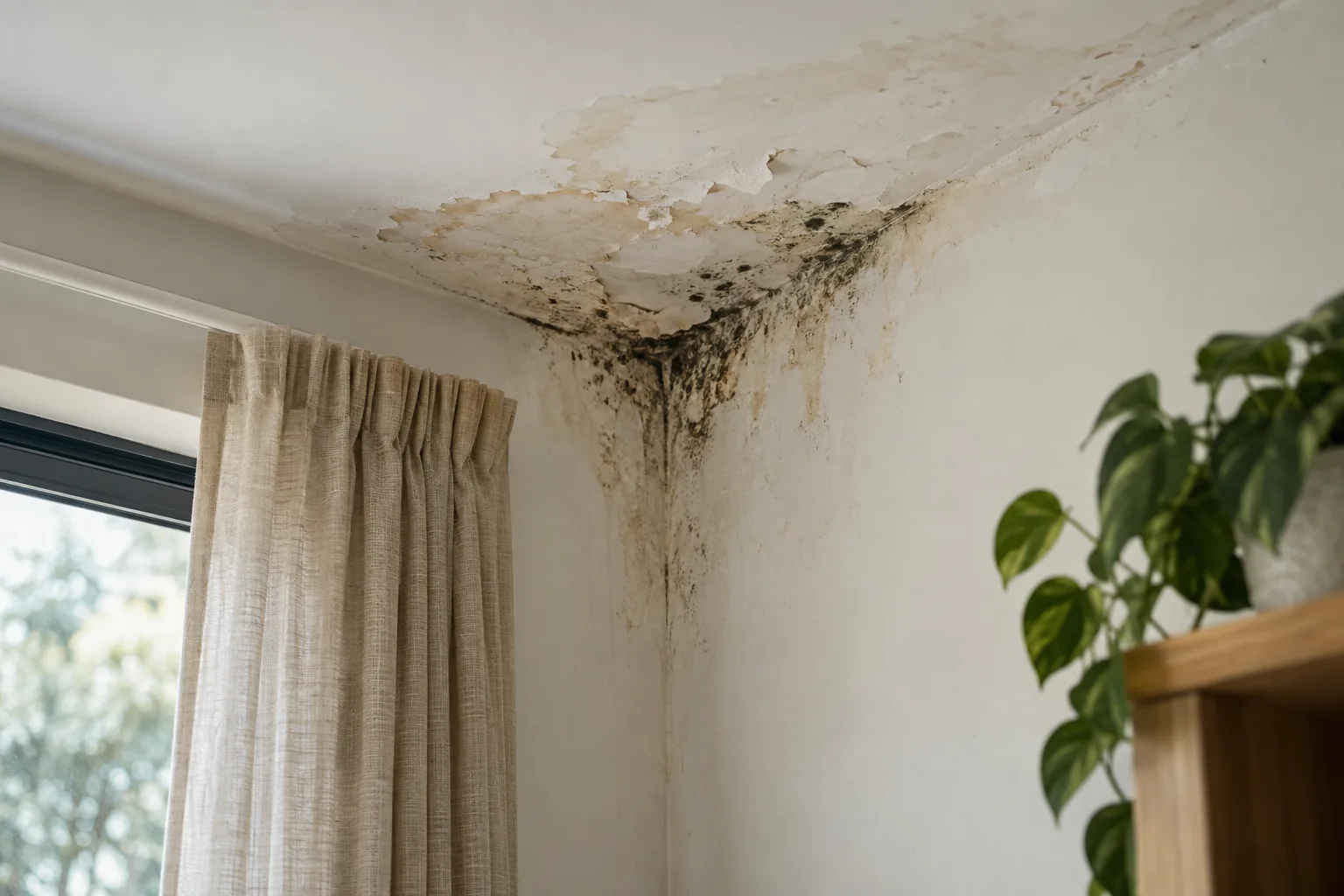
Give ceiling height and material condition without treating vacancy as universal access approval.
Bathrooms
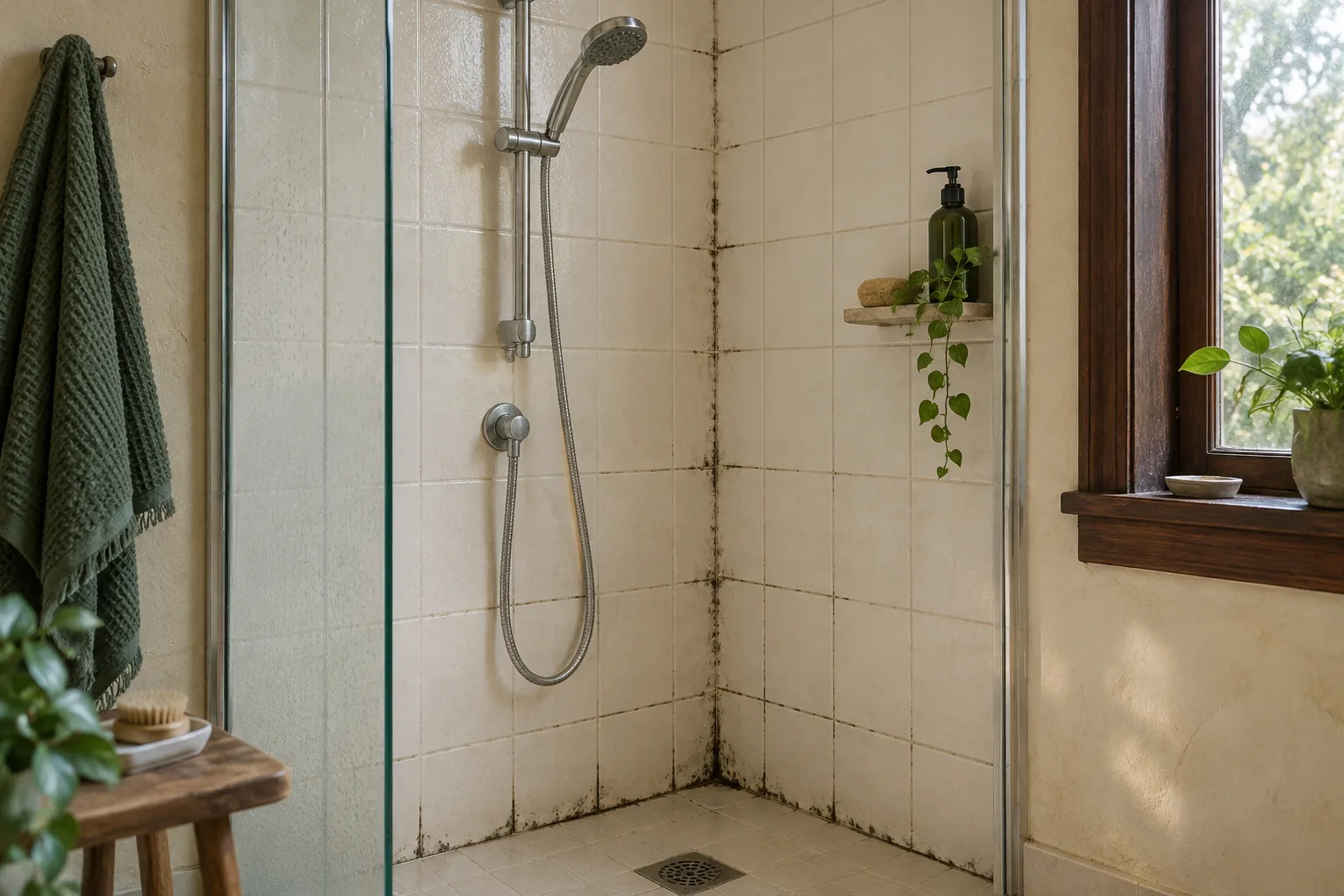
An unused bathroom still needs its actual affected surfaces and ventilation concerns described.
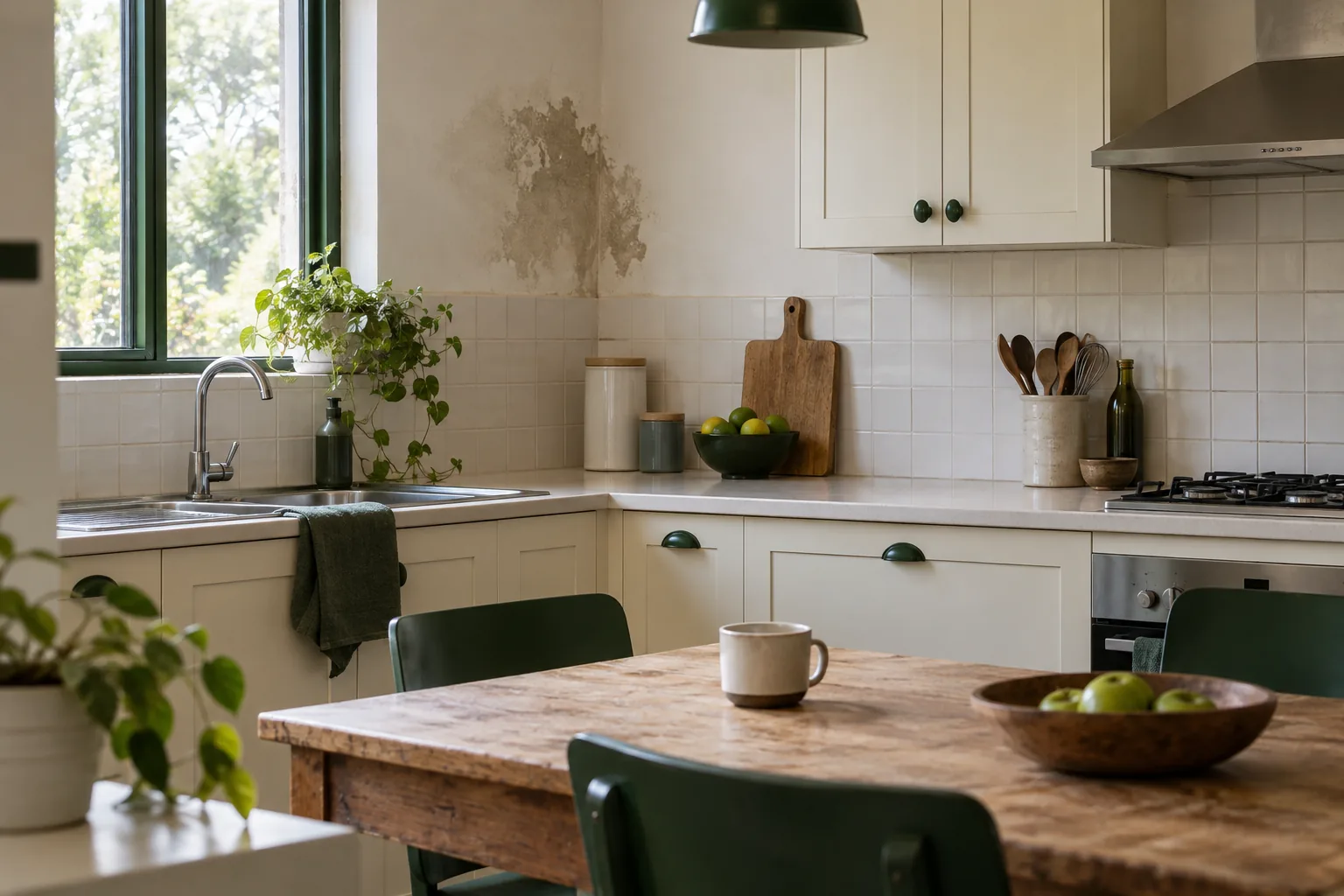
Kitchens
Kitchen finishes remain structural requests, not treatment of items left behind in cupboards.
Accessible affected surfaces
Additional exposed hard surfaces can be agreed, while furnishings and fabrics are excluded even in an empty room.
AFTER TREATMENT
Coordinate preparation with planned use
Coordinate the planned new use without scheduling occupation from an average working time. Leave requested surfaces accessible and make separate arrangements for excluded furnishings. People and pets leave during treatment and follow the technician’s return instructions.
About three hours per room is average guidance, with actual timing dependent on scope and access rather than the proposed opening date. The room treatment is not sold as an hourly readiness programme.
KEEP MOISTURE IN VIEW
Share what the surface job actually covers
Share only the confirmed treatment boundary and return instructions with the person taking over the room. Remediation of accessible contamination does not approve every requirement of the proposed new use. Arrange relevant moisture correction and any separate finish work before treating a clean-looking room as complete restoration. If new fittings obscure a surface, keep that access change in the record. Observe fresh growth or water where practical and distinguish it from old cosmetic marks. This preserves useful information for later enquiries without turning vacancy, a change of use or an opening date into a clearance guarantee.
Pass actual return advice to the room’s new user.
Explain which surfaces remained exposed during work.
Keep new-use approval separate from contamination treatment.
Cost without a readiness promise
Explain the presently exposed surfaces and proposed room changes before accepting cost. Check pricing applicability without treating remediation as approval of a new use, a fixed opening time or furnishings clearance.
CHIRNSIDE PARK · EXACT ADDRESS & ACCESS
Address and reuse-sequence enquiries
A Chirnside Park enquiry should provide the actual address and planned access sequence. Confirm attendance before installing new fittings or arranging use around a presumed completion date.
Mooroolbark · Lilydale · Wonga Park · Kilsyth
Questions about remediation
Does treatment approve the room for its new use?
No such suitability assessment is confirmed. Remediation addresses agreed accessible contamination, not every requirement of the proposed activity.
Can vacancy tell us when growth started?
No complete reconstruction is promised. Give known dates and acknowledge gaps in the room’s history.
Are left-behind furnishings included?
No. Furniture and textiles remain excluded even when the room is otherwise empty.
Will the average duration set the opening date?
No fixed completion or return time is established. Confirm availability and job-specific instructions before planning use.
Should new fittings be installed before treatment?
Discuss the sequence first. New obstructions can change access to the visible surfaces requested.
What should the new user understand afterwards?
Share actual return advice and the treatment boundary. Keep unresolved moisture, excluded items and cosmetic limitations clear.
Plan the current accessible work
Phone 03 8652 1296 with the Chirnside Park room history and intended changes. Plan accessible treatment without promising readiness for every new activity.