
VISIBLE SURFACES · THOUGHTFUL RESTORATION
Mould Remediation Endeavour Hills
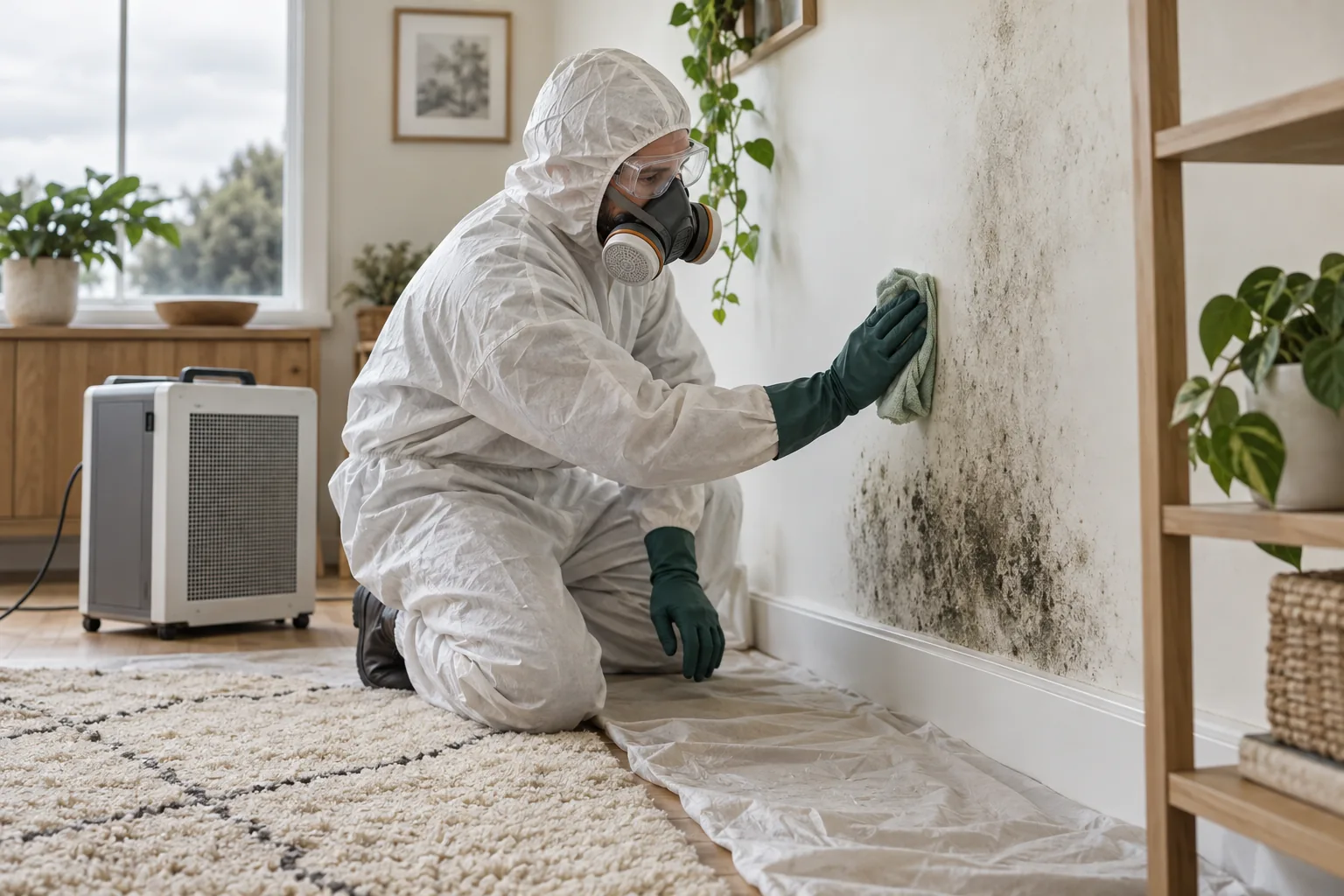
Two patches in one room may have appeared at different times or after different observations. For Endeavour Hills, describe each visible area without merging its history into one explanation. Agree the current structural treatment scope while keeping unresolved moisture questions specific to the surfaces involved.
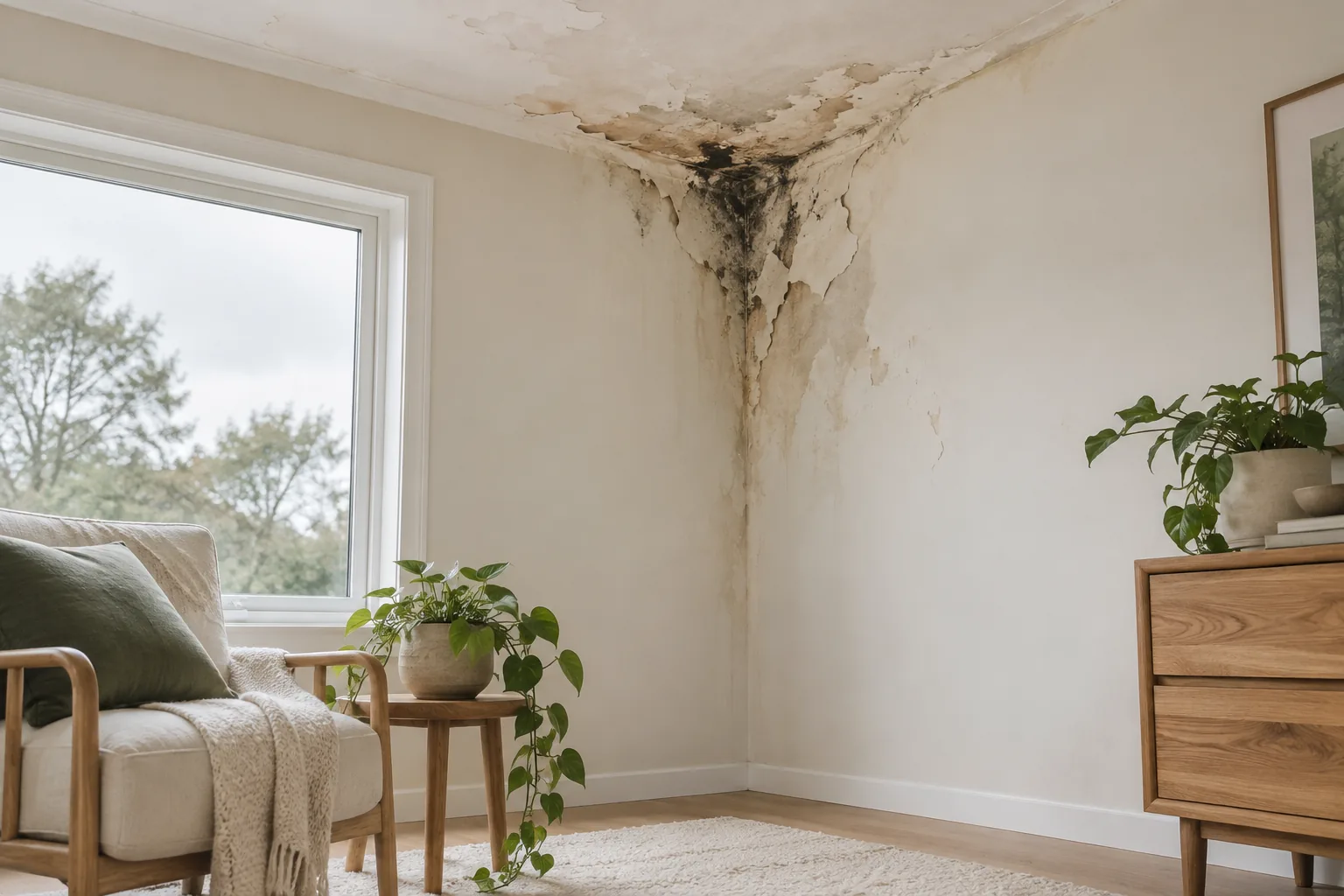
ASSESS · FILTER · RESTORE
Patch histories distinguished
Current surfaces listed
Source questions kept specific
Describe the locations before combining the history
Identify the affected faces, finishes and access, then explain what is known about each patch. Mention an old repair for the relevant area rather than applying it to the whole room. Do not invent a starting date or common source because the marks have a similar appearance.
The confirmed structural service treats visible accessible contamination. Agree the surfaces actually included; one room label does not establish that all walls, belongings or concealed construction are treated. Furniture, mattresses, carpet and textiles remain excluded.
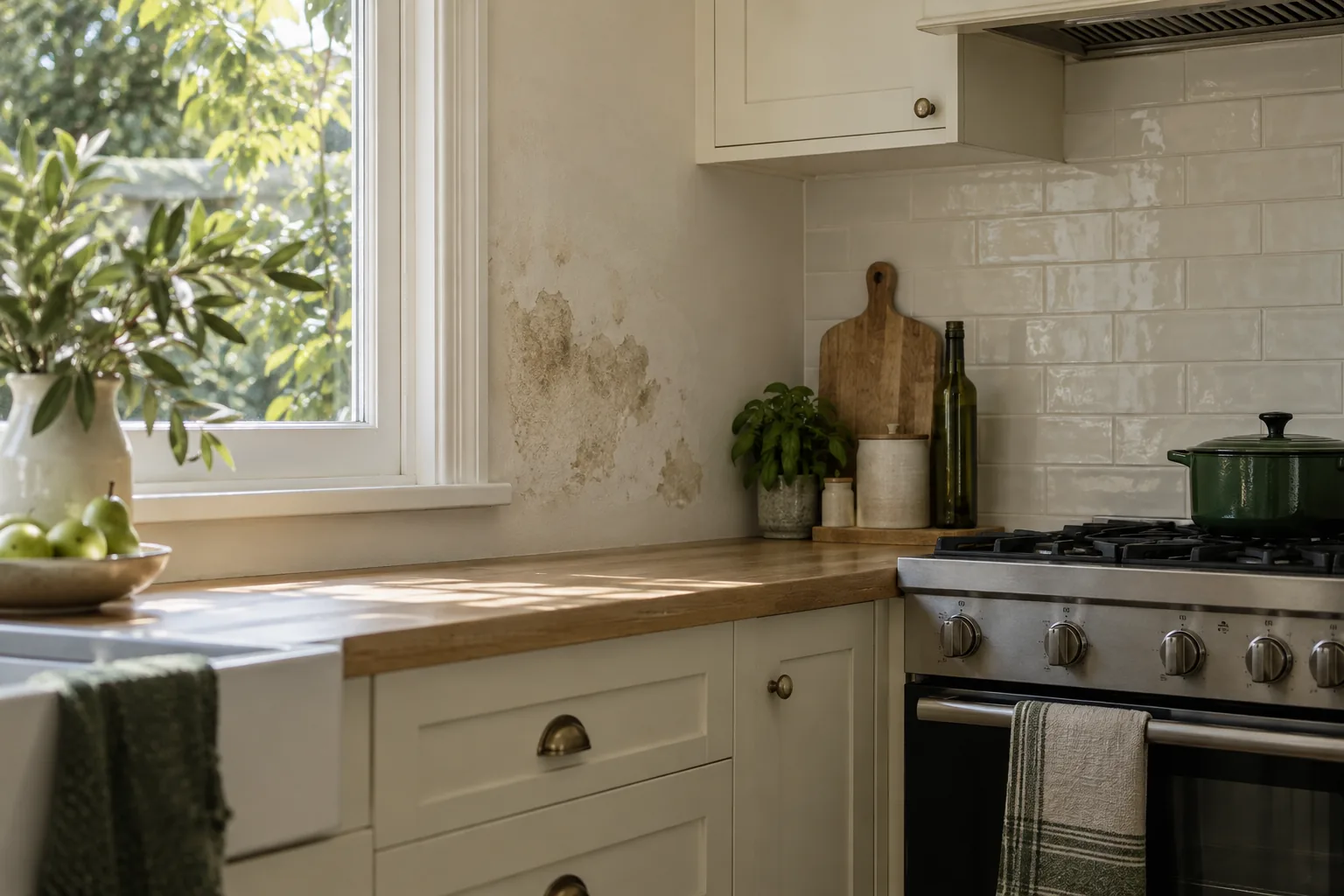
Separate actual repairs from assumptions about the second patch
Describe wetting, condensation and completed repair work where directly relevant. A source addressed beside one wall does not prove another patch has the same cause or that all materials are dry. Plumbing and building defects require separate appropriate repair advice.
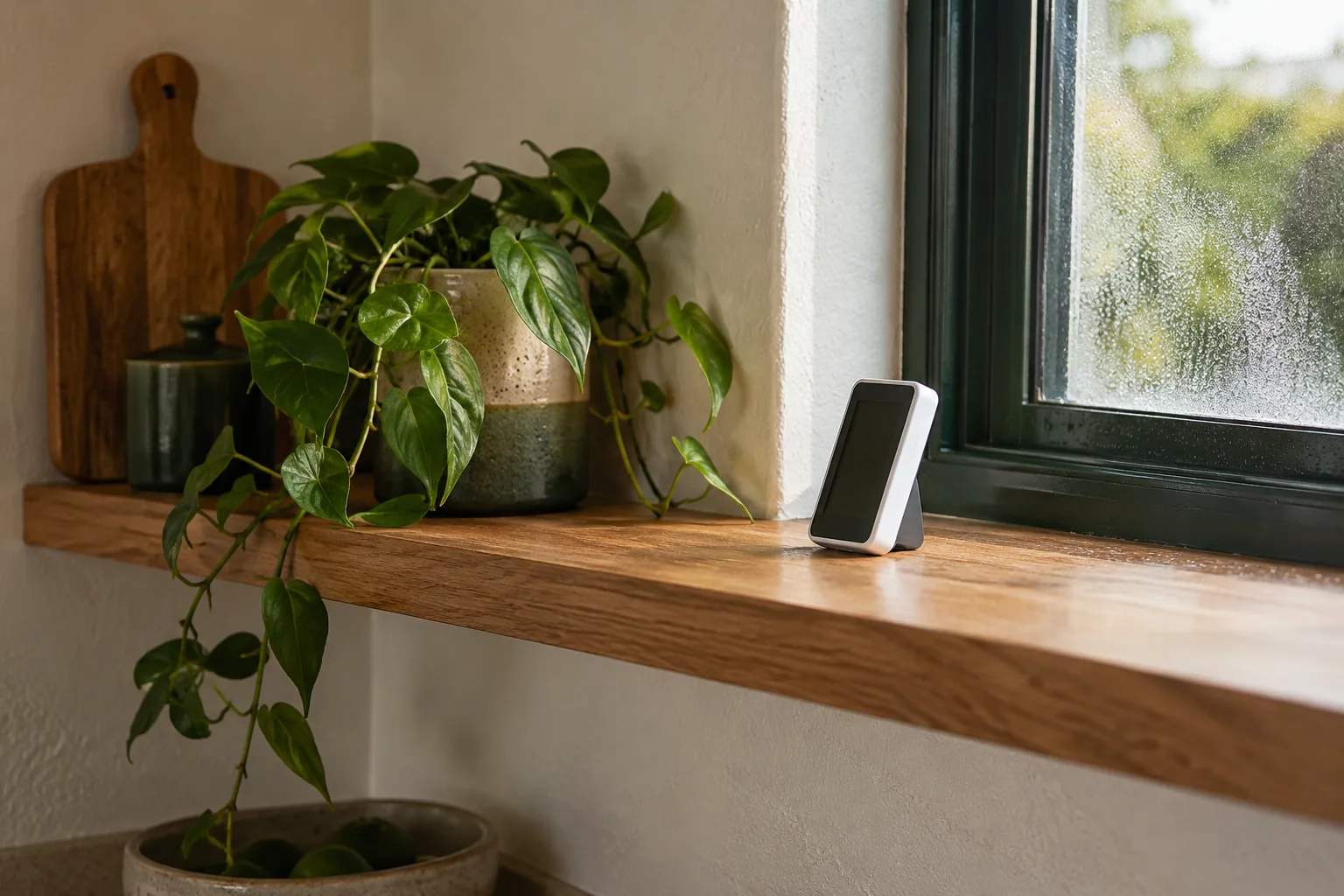
The professional hygrometer measures relative humidity in room air, not moisture inside either wall or the relationship between patches. If questions remain, discuss assessment needs. No specific material instrument, hidden-space investigation or laboratory result is confirmed.
PLAN · FILTER · TREAT · REMOVE · CONTINUE
A current treatment scope with histories kept clear
1
Assess the exposed areas individually
Review growth, finish and working reach on the proposed surfaces. Use each reliable history as context without treating an unknown connection as established.
2
Establish air protection before application
The confirmed HEPA scrubber is arranged before treatment. Equipment positions and clearance must allow access to the actual included areas rather than an assumed single patch.

3
Apply suitable treatment
After the distinct surfaces are assessed, application uses HOCl and suitable ULV dry fog, used in most cases. Similar appearance does not guarantee identical suitability or concealed coverage behind both areas.
4
Physically remove accessible growth
Professional H-class filtered equipment removes contamination within agreed visible scope. Source repairs, damaged-material replacement and decorative matching remain separate tasks.
5
Continue air cleaning afterwards
HEPA operates during and after treatment. Obtain return advice and clarify residual marks and remaining moisture questions for the actual included areas.
Keep the structural list and histories aligned
Walls
For walls, name each affected face and its finish, then attach the relevant observation rather than copying one account to both.
Ceilings
For ceilings, describe separate marks and access below without assuming the wall’s repair history explains them.
Bathrooms
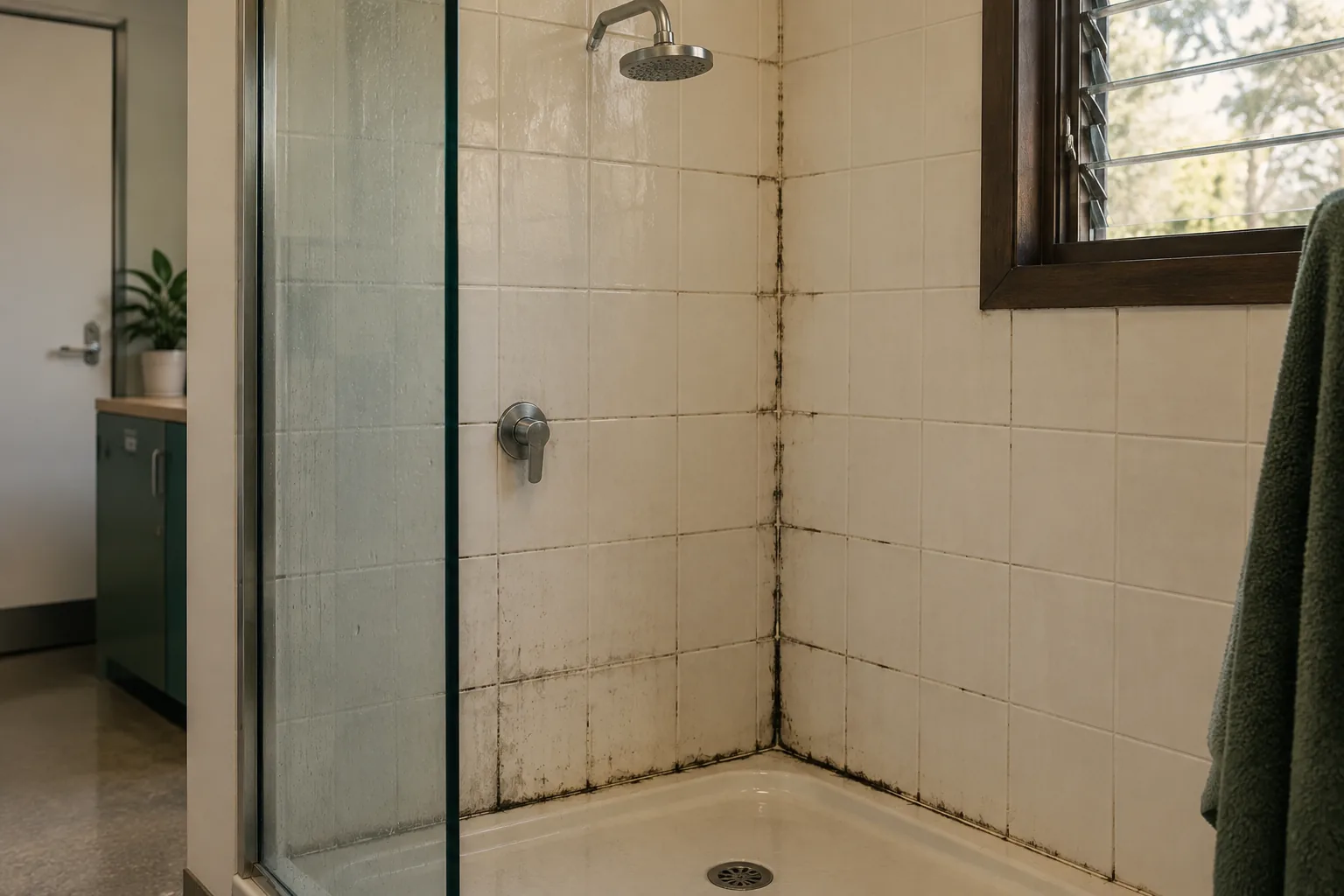
Bathroom structural areas need their own water-use observations, with towels and mats excluded.
Kitchens
For kitchen growth, relate each accessible wall or floor patch to its own observed water-use history. Appliance, cabinetry and plumbing tasks remain separate.
Accessible affected surfaces
An exposed structural floor can be considered, while carpet, rugs and concealed backing remain outside an assumed inclusion.
WHAT TO EXPECT
Prepare the room for the accepted surfaces
Before attendance, discuss clearance for each included face and identify the contact who can explain the differing histories. People and pets leave the property during treatment and follow the technician’s advice for departure and return. Average guidance is around three hours per room, varying with size, extent and accessibility rather than the number of historical events described.
Cosmetic staining may remain and decorating is separate. Standard treatment does not certify concealed materials dry or guarantee no recurrence under continuing dampness. Ask which faces were included and what remains unresolved so completion does not erase the separate source questions in the room’s history.
FOLLOW THE MOISTURE
Record new observations where they occur
Follow-up is clearer when the same surface names are used consistently.
Note fresh wetting or growth with its face and timing.
Arrange repair advice for continuing water entry in the relevant area.
Maintain ventilation and distinguish a newly affected surface from residual cosmetic marks on another face.
Quote current extent, not the number of past incidents
Use published price information with the exposed scope and access. The Mould Removal examples do not establish a separate multi-history remediation tariff. Confirm applicability without assuming an old repair includes new treatment, a repeat discount or decorative restoration.
ENDEAVOUR HILLS · EXACT ADDRESS & ACCESS
Other Endeavour Hills-area enquiries
A nearby address needs its own patch locations, authority and observations. Similar stories do not establish the same fault or combined availability; scope and appointment arrangements require direct confirmation.
Eumemmerring · Doveton · Hallam · Dandenong
Questions about remediation
Should both patches be given one starting date?
Only where that date is reliable for both. State each first observation and acknowledge any unknown period.
Does repairing one leak explain every mark in the room?
No. Keep the repair related to the area it actually concerns and describe other wetting or uncertainty separately.
Will matching colour mean the same application?
Not automatically. Finish and condition need assessment for each proposed surface.
Does an air reading connect the two sources?
No. Room-air relative humidity does not establish moisture inside walls or prove a common source.
Is an old treatment price transferable to the new patch?
No automatic entitlement is established. Discuss current scope and applicable pricing rather than inferring unchanged terms.
What if only one included face becomes affected again?
Name that surface and the new observation with timing. Revisit its moisture questions rather than assigning the same conclusion to every treated face.
Describe each patch and its reliable history
Call 03 8652 1296 with current surfaces, access and relevant observations. Agree remediation and the separate source follow-up.