
SURFACE TREATMENT · MOISTURE FOLLOW-THROUGH
Mould Remediation Doveton
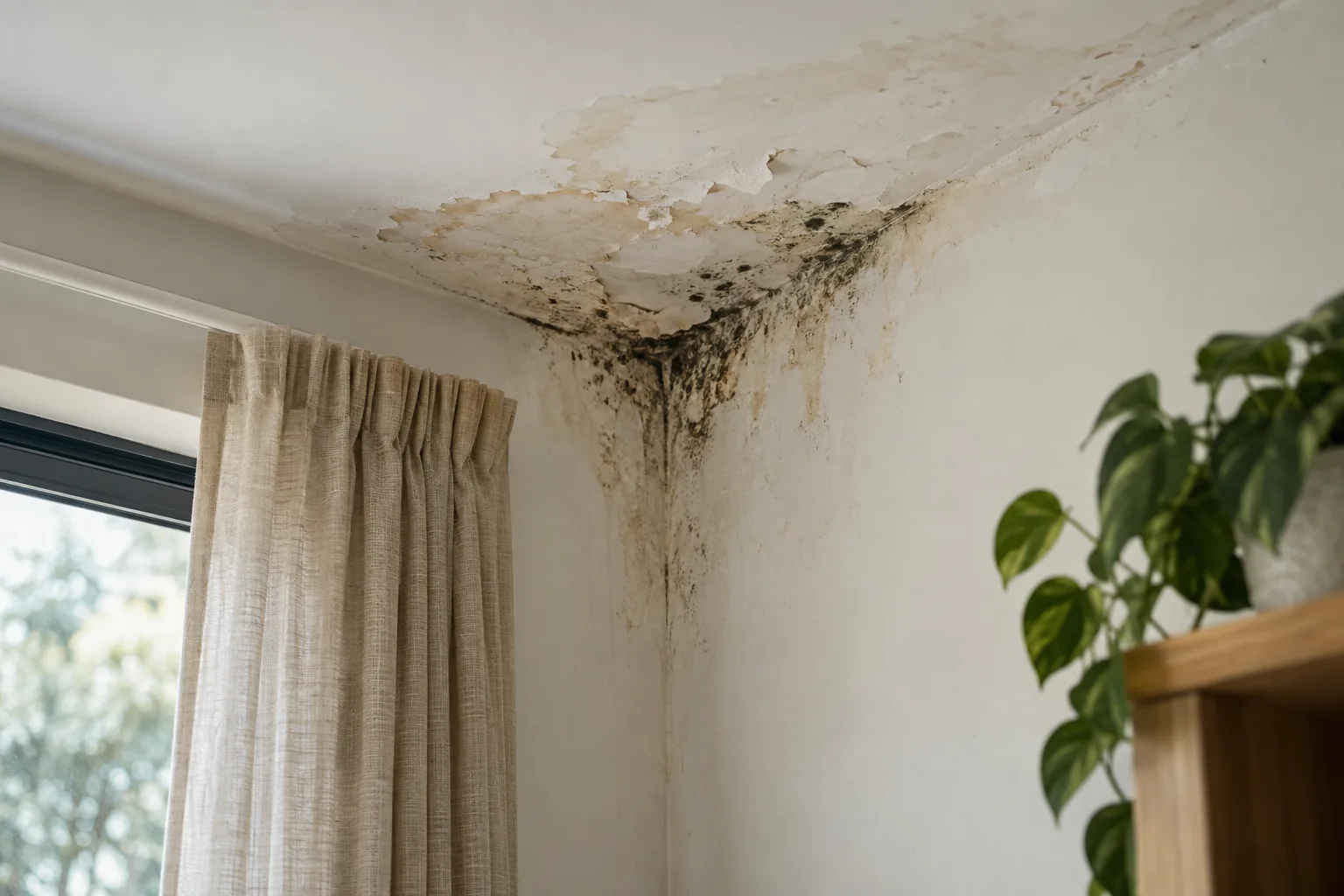
An old water mark and a newer patch can overlap, making the current condition difficult to describe. For Doveton, explain what has changed and what remains visible now. Treatment planning should distinguish the accessible growth from cosmetic history without diagnosing either from colour alone.
Recent changes described
Staining distinguished
Current scope discussed
TREATMENT & FOLLOW-THROUGH
UNDERSTANDING REMEDIATION
Describe change rather than choosing a label
Mention when the original mark appeared and what prompted the new enquiry. Explain whether there is new wetting, an expanding patch or a change after earlier work. Do not scrape the area to prove which mark is old; safe observations and relevant history are useful starting points.
The confirmed treatment scope addresses visible accessible structural contamination. It is not a promise to erase every historical stain or diagnose concealed construction. Agree the reachable wall, ceiling or exposed floor area before assuming the entire discoloured room is included.
THE MOISTURE CONNECTION
Keep old repair history and current wetting together
A previous repair may be relevant without establishing that every material is dry today. Describe continuing dampness and any known leak rather than relying on the age of the stain. Further plumbing or building faults require separate repair advice.
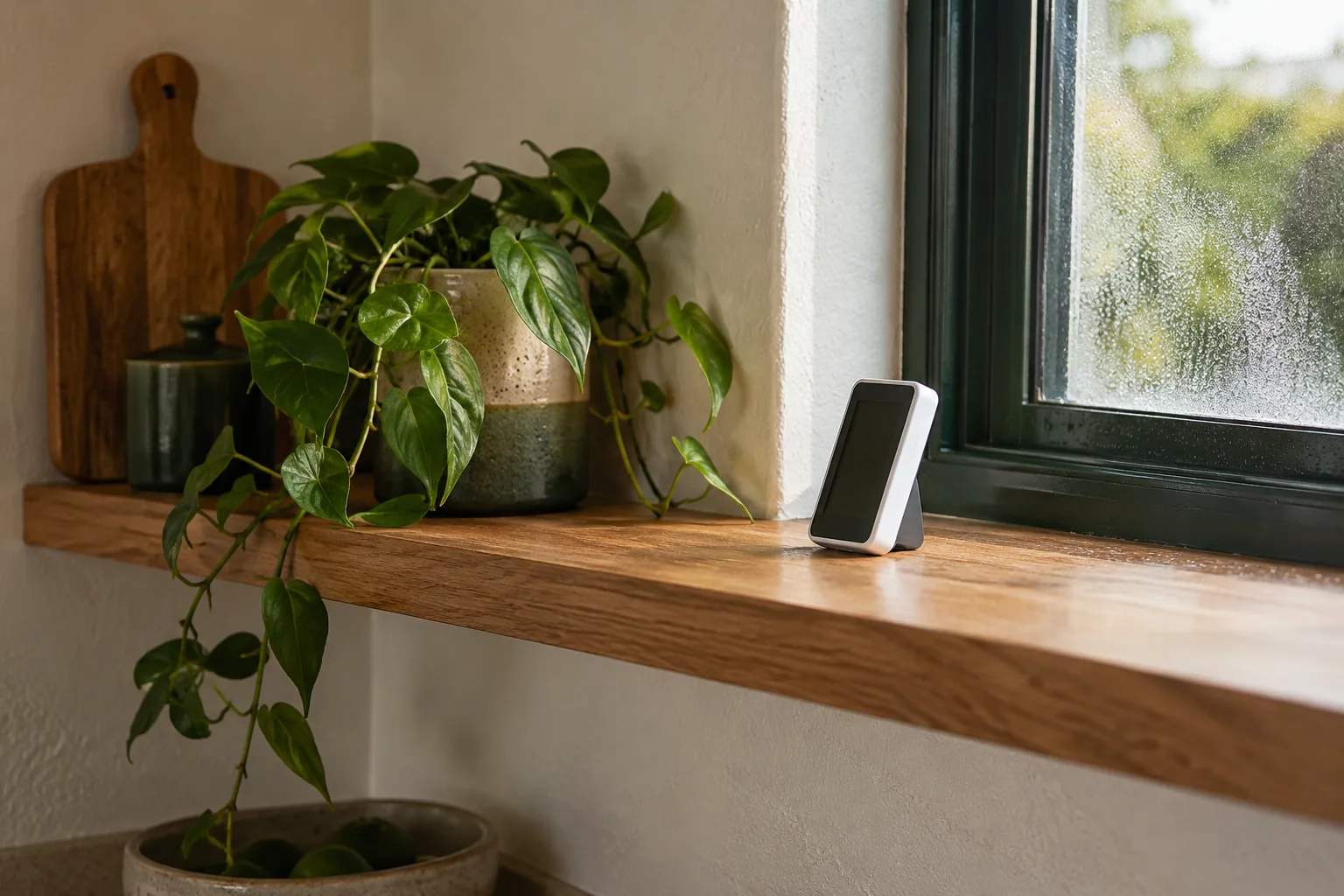
The professional hygrometer measures room-air relative humidity, not moisture inside the stained surface. If current growth and history leave uncertainty, discuss assessment questions. No species testing, material probe or concealed-area clearance is promised.

PLAN · FILTER · TREAT · REMOVE · CONTINUE
Treatment based on the present exposed condition
1
Review visible growth and history
Assessment considers the accessible patch, finish and changes described. Identify obstructions and separate historical discolouration from the requested treatment area without assuming appearance settles the cause.
2
Set air protection first
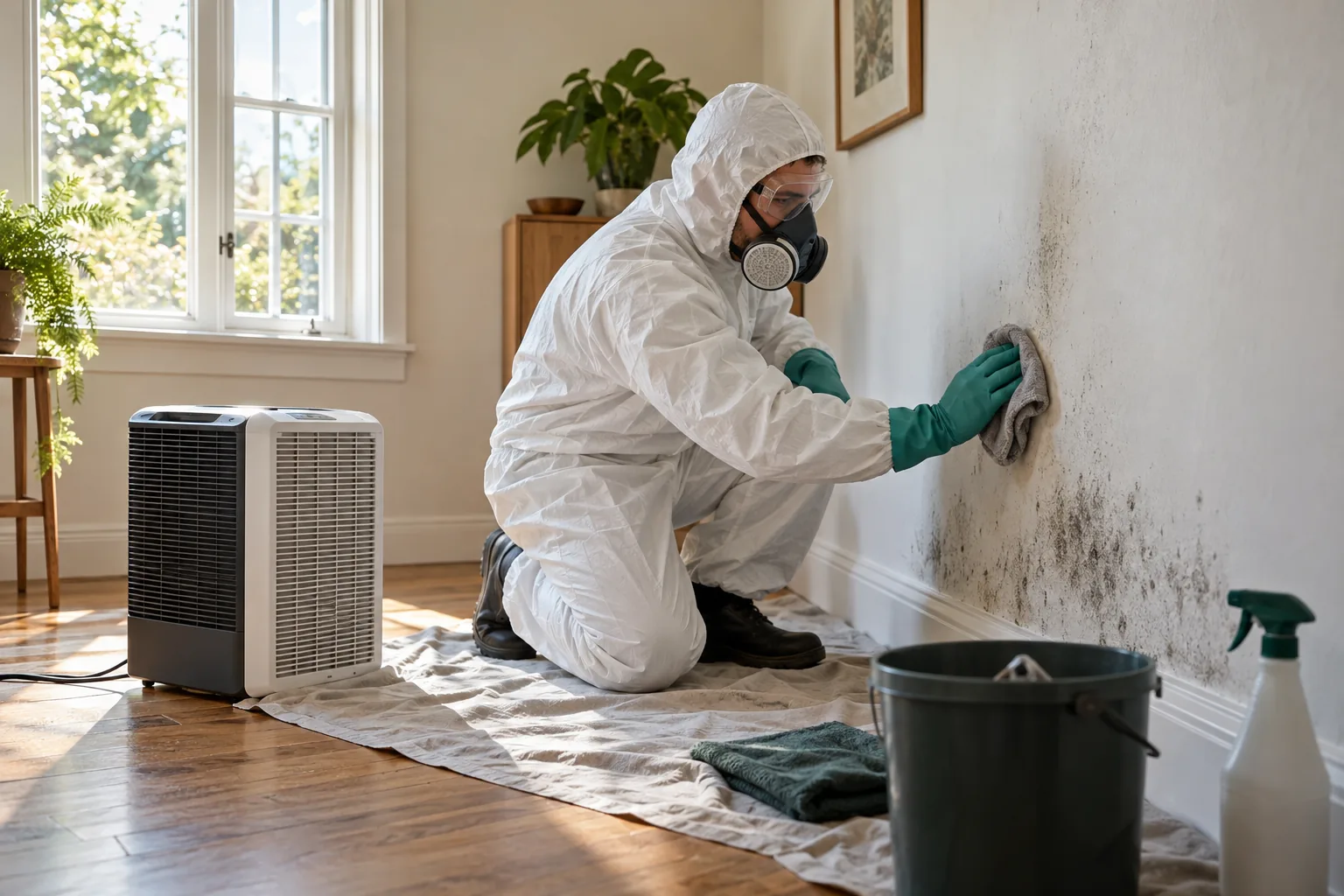
The confirmed HEPA scrubber is established before treatment. Clear working access is needed even where the visible patch sits within a much larger old stain.

3
Apply suitable treatment
The application stage uses HOCl and suitable ULV dry fog in most cases. It is directed by the agreed structural scope, not a promise to make an old finish look newly decorated.
4
Remove visible contamination
Professional H-class filtered equipment physically removes accessible growth. Replacement of damaged finishes and removal of every cosmetic mark are not automatic inclusions.
5
Continue air cleaning
HEPA operates during and after treatment. Discuss what remains visible and which moisture questions need follow-up before arranging separate decorating.
Describe each surface and its history
Walls
For walls, explain where growth is visible now and where an older mark extends beyond it.
Ceilings
For ceilings, record separate staining or change with any known repair history and access limitation below.
Bathrooms
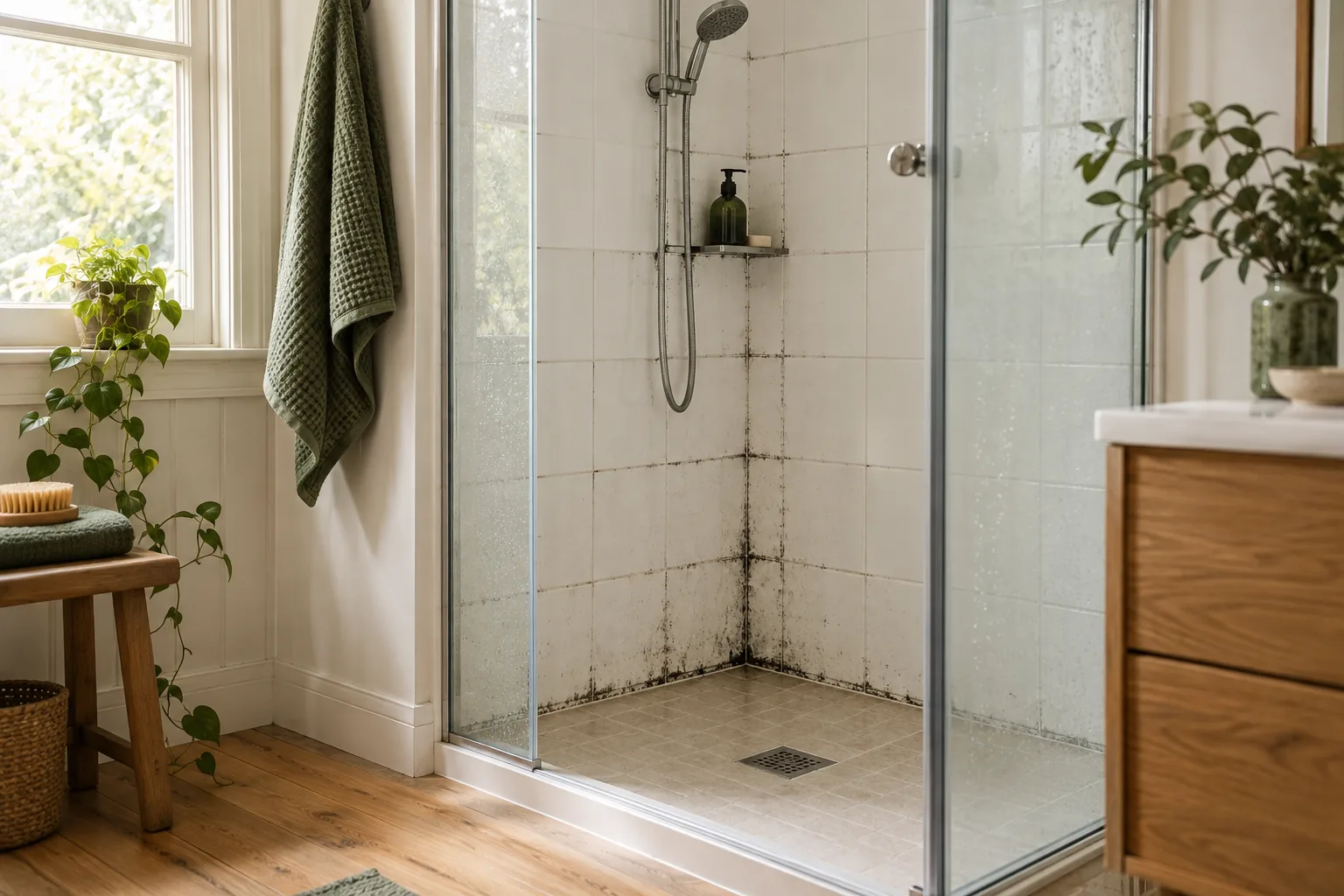
Bathroom structural areas need their own condensation or wetting observations, while towels and mats remain excluded.
Kitchens
Kitchen wall or floor patches should be described separately from plumbing, appliances and cabinet work.
Accessible affected surfaces
An exposed structural floor can be discussed; carpet and rugs are outside the confirmed textile scope even if similarly discoloured.
WHAT TO EXPECT
Prepare access to the current patch
Discuss clearance, fragile finishes and previous work before the appointment. People and pets leave during treatment and obtain specific departure and return instructions. Source guidance averages around three hours per room, varying with extent, size and accessibility rather than the apparent age of the mark.
Cosmetic staining may remain. Decorating and repairs require separate arrangements, and the standard service does not certify hidden materials dry. Continuing moisture can allow recurrence, so the completion discussion should cover the current structural work and outstanding questions rather than only comparing before and after colour.
FOLLOW THE MOISTURE
Watch for new change after treatment
Follow-up is more useful when observations distinguish history from a new event.
Note fresh wetting, growth or visible changes with dates and location.
Arrange appropriate repair advice if water entry continues.
Maintain ventilation and avoid repainting simply to conceal an unresolved moisture question.
Do not quote by the size of an old stain alone
The published figures concern Mould Removal room examples. Describe the current exposed contamination, access and cosmetic history when checking relevance to remediation. No complete stain-restoration package or age-based discount is established by those figures.
DOVETON · EXACT ADDRESS & ACCESS
Nearby enquiries with different histories
For another Doveton-area address, give its own repair dates, current observations and access. Similar stains do not establish the same source or quote, and appointment availability needs confirmation for each property.
Questions about remediation
Does a dark stain always mean active mould?
Colour alone does not establish the condition. Describe current visible growth, wetting and change so the relevant assessment questions can be considered.
Can an old repair rule out a new leak?
No. An earlier repair does not establish that new water entry is absent; mention current wetting separately.
Will every old mark disappear?
Complete cosmetic restoration is not promised. Residual discolouration may need separate decorating after moisture concerns are discussed.
Should I scrape the mark to show what is underneath?
Do not disturb it solely for the enquiry. Explain what is visible and ask about appropriate preparation.
Is an air reading proof that the stain is only cosmetic?
No. Room-air humidity is not a material-moisture measurement or a diagnosis of the mark.
What helps compare the area after treatment?
Keep clear observations of the included surface and note new dampness or growth. A photograph records appearance, but does not certify concealed dryness.
Describe what has changed
Call 03 8652 1296 with the current patch, old stain history and wetting observations. Agree the accessible treatment and separate finishing decisions.