
SURFACE TREATMENT · MOISTURE FOLLOW-THROUGH
Mould Remediation Keysborough
Changing a room’s use is a useful moment to address growth that an earlier layout concealed. For Keysborough, explain the visible structural surfaces and what will change before the appointment. Treatment should be defined around the current accessible area, rather than a promise that every future use is cleared.
Current surfaces identified
New layout considered
Finishing tasks distinguished
TREATMENT & FOLLOW-THROUGH
UNDERSTANDING REMEDIATION
Define the room before the new layout
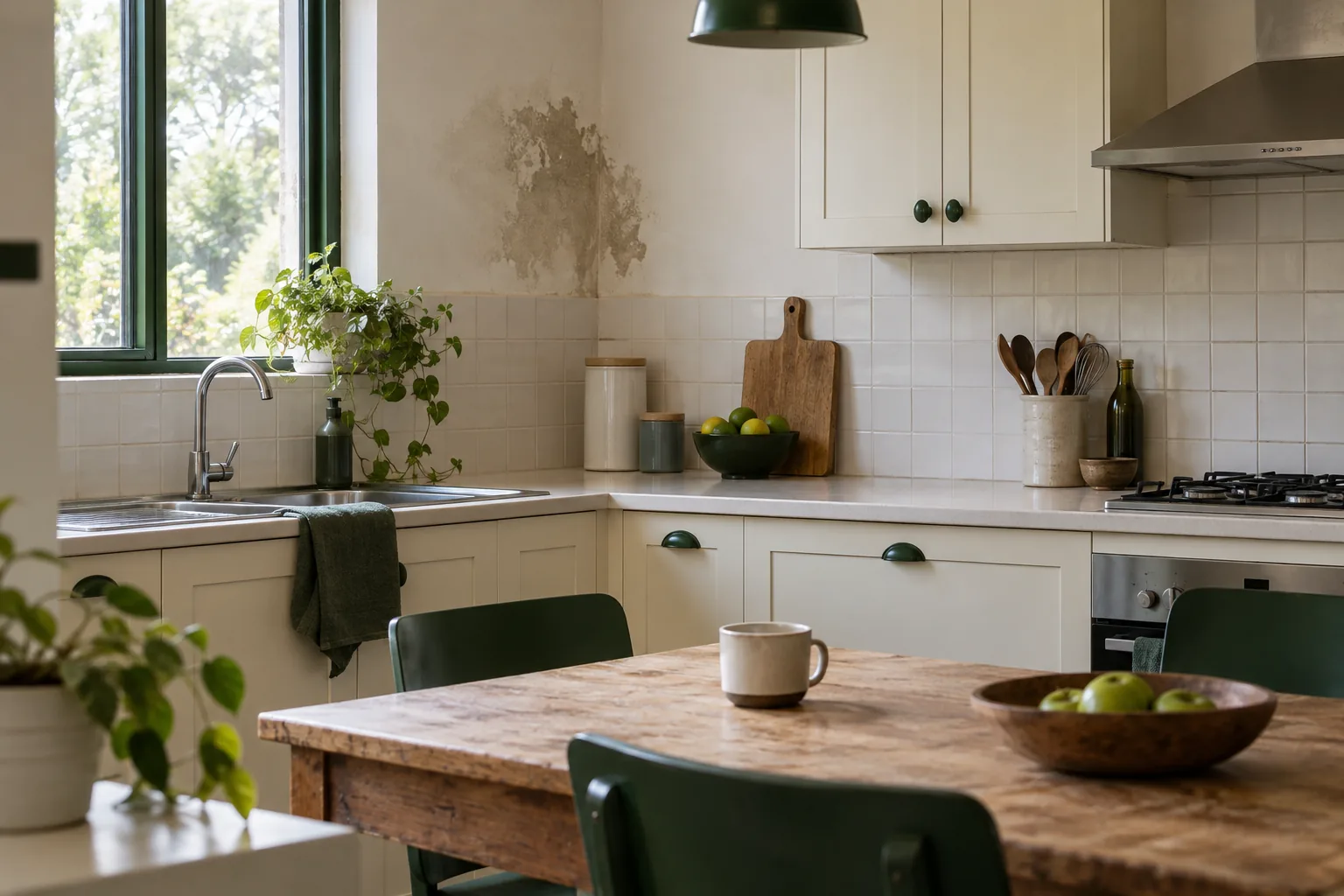
Describe growth revealed by moving furnishings and any areas that remain covered. Explain planned fixed fittings or decorating that might reduce access later. Do not enlarge the exposed area by dismantling construction just to make an enquiry; preparation needs a suitable agreement.
The structural remediation service treats visible accessible walls, ceilings and floors. New furniture, mattresses, carpet and textiles are not included contents. A change of use does not establish a special package, health assurance or approval for the room’s future purpose.
THE MOISTURE CONNECTION
Keep moisture questions independent of the new purpose
Mention condensation, wetting or known repair history for the affected area. A new room name or layout does not resolve the conditions that allowed growth. Any plumbing, building or ventilation repair must be addressed through a separate appropriate arrangement.
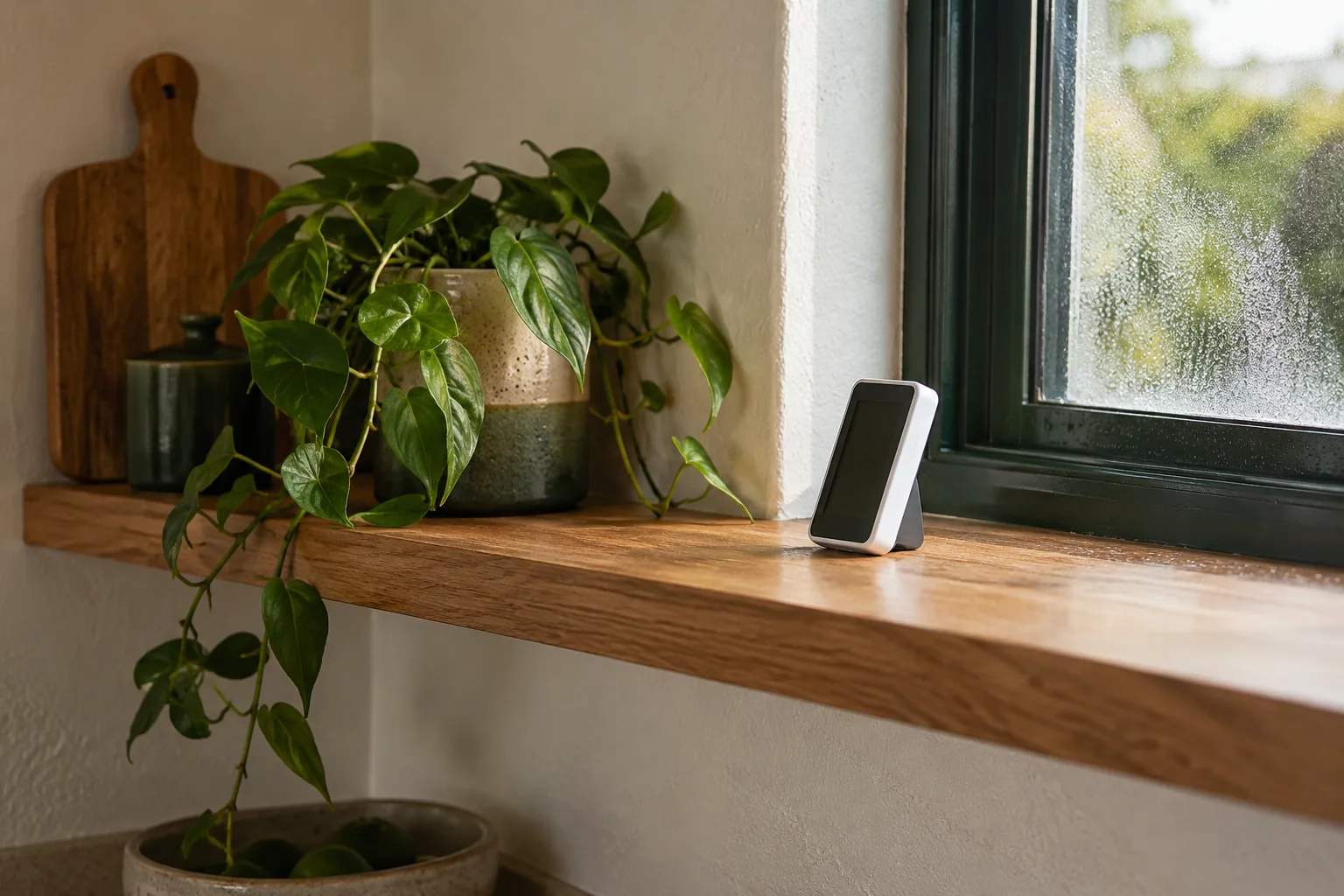
The confirmed professional hygrometer checks air relative humidity, not moisture in construction or the suitability of a future occupancy. Ask about assessment options where the current condition is uncertain, without assuming lab tests, specific probes or a clearance certificate.
PLAN · FILTER · TREAT · REMOVE · CONTINUE
Treatment before the next layout is established
1
Review what is exposed now
Assessment identifies accessible contamination and preparation. Explain planned fittings so the treatment boundary is understood before the room changes again.
2
Set up air protection
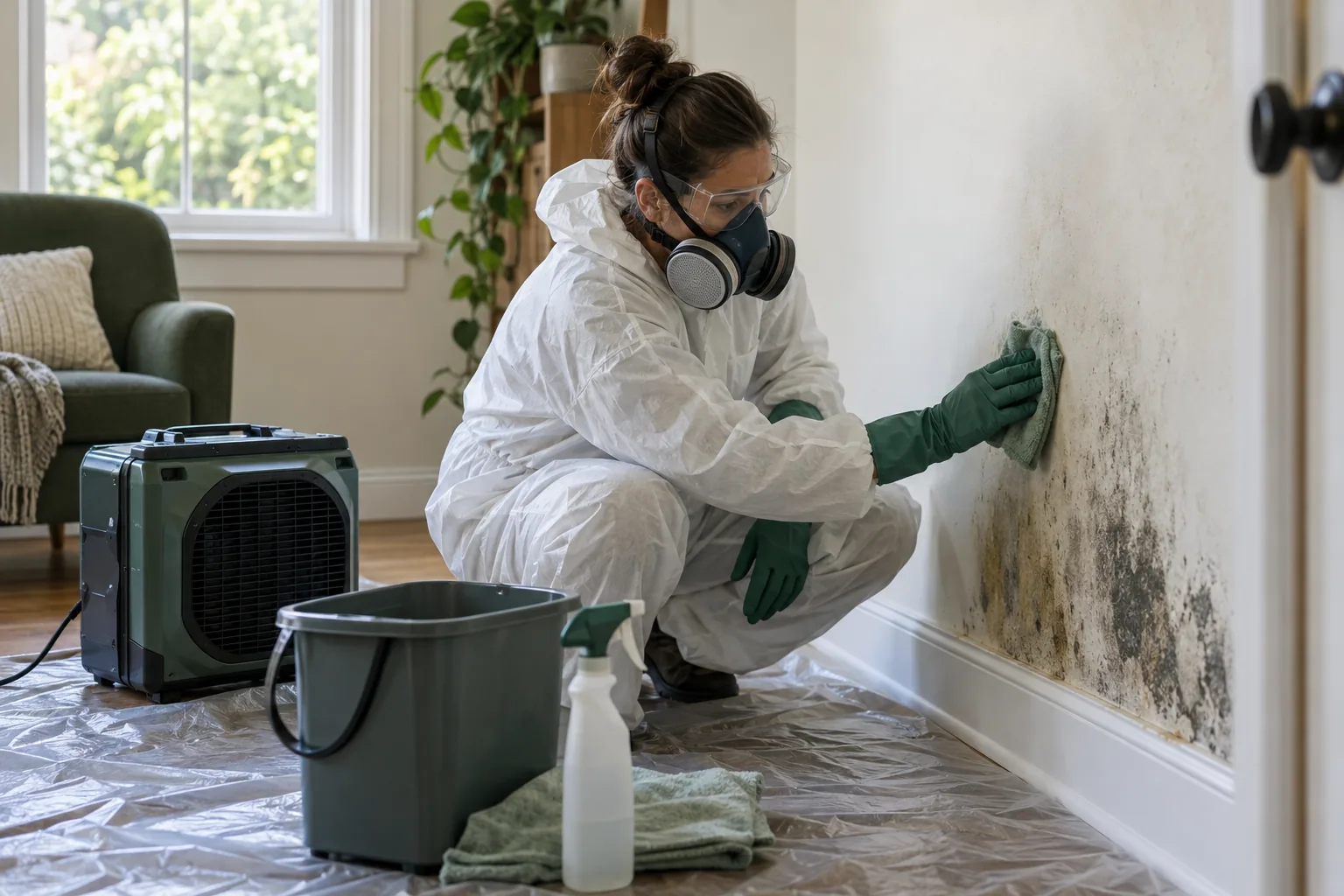
HEPA air-scrubber filtration begins before treatment. Leave workable access for equipment and the included structural surfaces, even if the room is being emptied.

3
Apply suitable treatment
The confirmed process uses HOCl and, where appropriate, ULV dry fog in most cases. Suitability does not certify every intended future use or include concealed construction.
4
Remove visible contamination
Professional equipment with H-class filtration physically removes accessible growth. New furnishings and decorative restoration require their own decisions.
5
Continue air cleaning afterwards
HEPA operates during and after the process. Discuss remaining marks, job-specific return instructions and moisture follow-up before installing the next layout.
List surfaces rather than future room functions
Walls
For walls, identify the exposed faces and those that future fixed fittings may conceal; agree current scope explicitly.
Ceilings
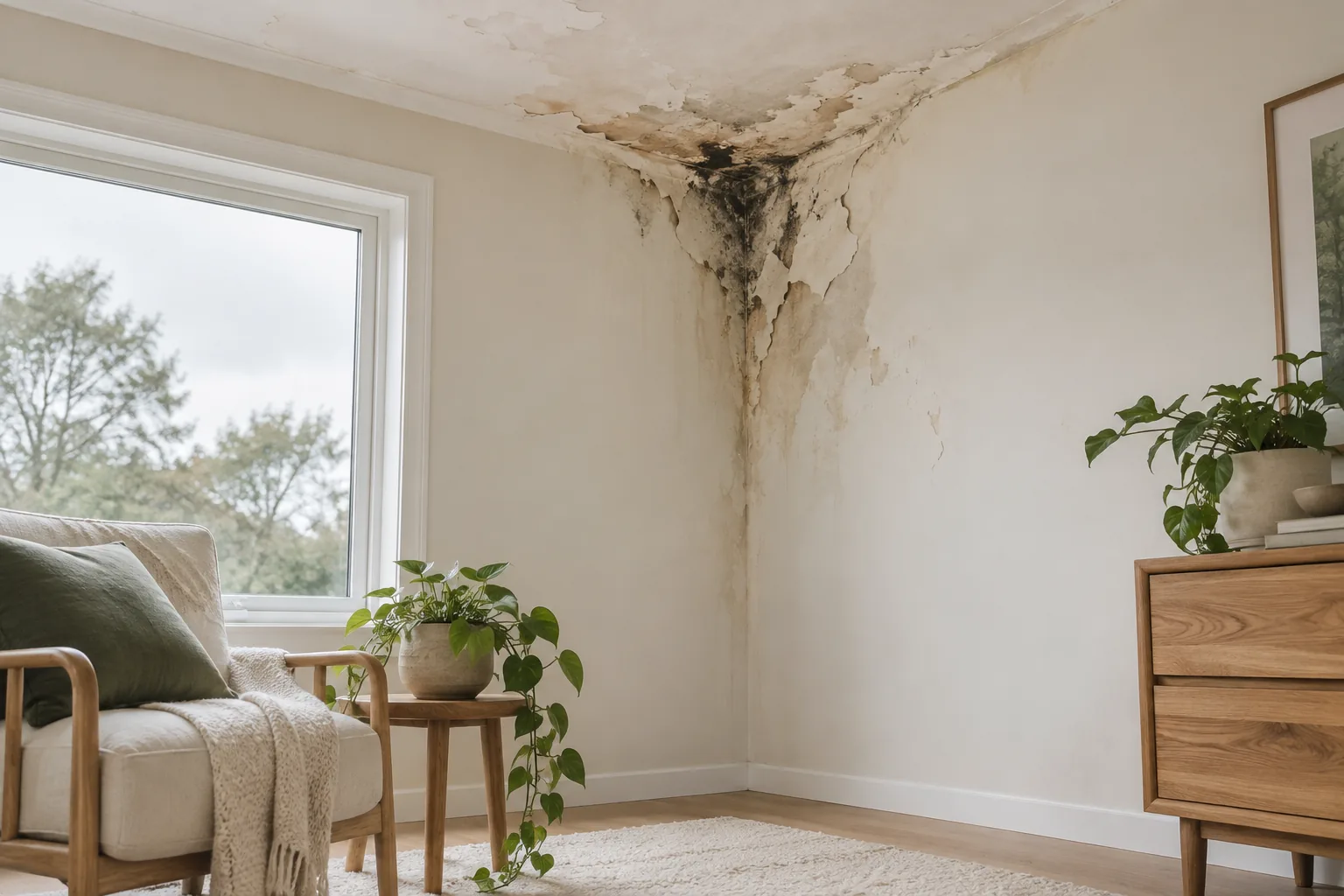
For ceilings, describe any separate patch and the access below it while the room is being rearranged.
Bathrooms
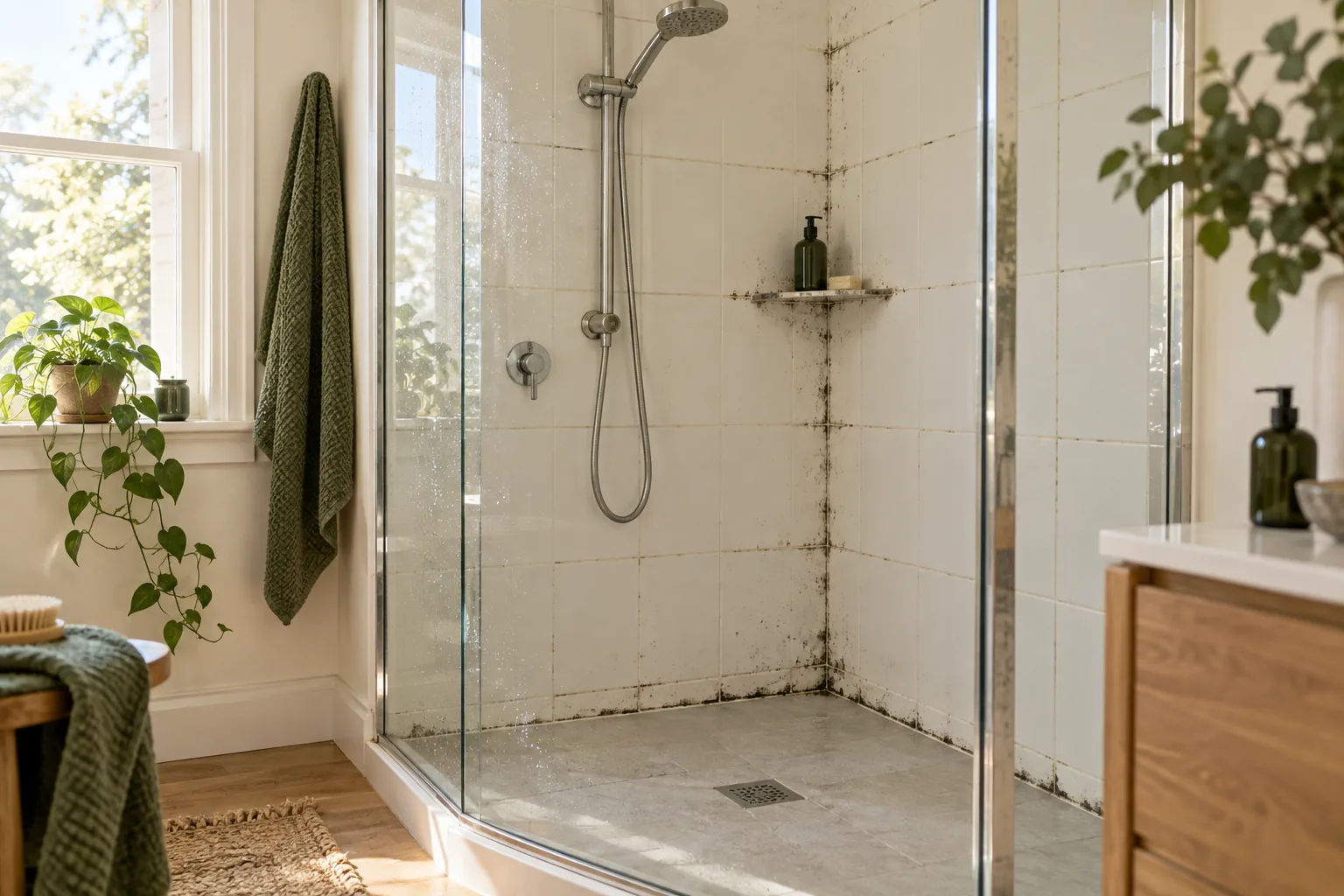
Bathroom structural growth elsewhere needs its own account, with towels and mats outside the confirmed treatment scope.
Kitchens
Kitchen wall or floor areas should be listed independently from new cabinetry or appliance plans.
Accessible affected surfaces
An exposed structural floor can be discussed, while carpet, rugs and replacement furnishings remain excluded.
WHAT TO EXPECT
Plan the appointment around actual preparation
Agree clearance and fragile items before moving them. People and pets leave during treatment and follow job-specific departure and return advice. Around three hours per room is average source guidance, varying with extent, size and access; it is not a deadline for completing a room conversion.
Residual cosmetic marks may need separate decorating. Treatment does not certify concealed areas dry or guarantee no recurrence, and unresolved dampness needs follow-up. Keep the completed structural work distinct from decisions about furnishings, finishes and the room’s intended use.
FOLLOW THE MOISTURE
Leave room for monitoring in the next layout
A new arrangement should not make the same structural area impossible to observe.
Consider practical access to the treated patch when positioning furnishings.
Arrange repair advice for continuing water entry before covering affected surfaces.
Maintain ventilation and record renewed dampness or growth as the room returns to ordinary use.
Quote treatment separately from the room conversion
Use published price information with the current visible area and planned changes. The Mould Removal table does not confirm a separate remediation-and-conversion tariff. Ask how the figures apply without assuming furnishings, decorating or a special clearance are included.
KEYSBOROUGH · EXACT ADDRESS & ACCESS
Other room-change enquiries nearby
A second address near Keysborough needs its own exposed scope, authority and access discussion. A similar planned use does not establish identical conditions or a combined appointment; availability must be confirmed for the actual property.
Questions about remediation
Should new furniture be installed before treatment?
Discuss the sequence first. Installation can obstruct the affected structural area, so treatment and moisture follow-up should be considered before access changes.
Does remediation approve the room for its new purpose?
No special use approval or health clearance is confirmed. The appointment addresses the included visible structural contamination.
Is replacement carpet included in the treatment?
No. Carpet and textile work are excluded from structural remediation and require separate arrangements.
Can the room be considered permanently protected?
No permanent protection is established. Continuing dampness or unresolved water entry can allow mould to recur.
What if the new layout hides the same patch?
Consider monitoring access before installing it. A covered area is harder to observe and does not become dry merely because the layout changes.
Do I need to expose every wall before enquiring?
No complete room strip is required for an enquiry. Describe visible areas and obstructions, then agree appropriate preparation for the actual scope.
Agree treatment before the room changes again
Call 03 8652 1296 with the visible surfaces and planned layout. Clarify structural work, preparation and separate finishing decisions.