
SURFACE TREATMENT · MOISTURE FOLLOW-THROUGH
Mould Remediation Wollert
If two rooms need attention but only one has clear wall access, describe each separately when enquiring in Wollert. The available space in the first room does not establish what can be reached in the second. Agree the structural surfaces and preparation for both before treating them as one identical job.
Each room has a defined accessible scope.
Preparation reflects different obstructions.
Timing is confirmed for the proposed work.
TREATMENT & FOLLOW-THROUGH
UNDERSTANDING REMEDIATION
Two rooms do not necessarily have matching boundaries
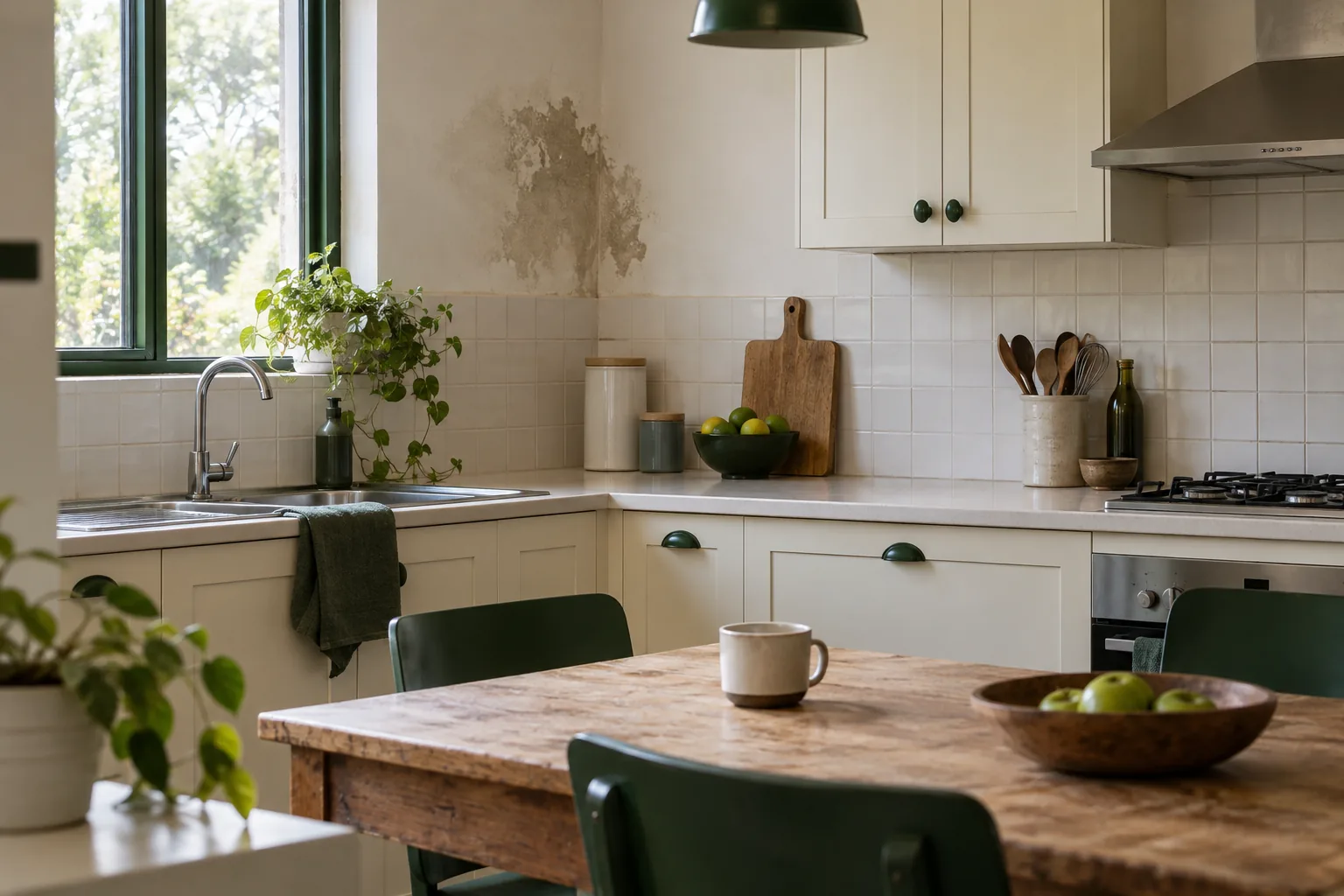
Identify the visible patch, material and obstruction in each interior. One exposed wall may be suitable for work while another has a fixed cabinet concealing its lower section. The confirmed treatment process remains the same source-based sequence, but the reachable surfaces and method suitability still require individual discussion.
Record each room’s blocked remainder. Changed access needs an update, and treating one exposed edge does not establish the concealed wall, furnishings or other room fully cleared.
THE MOISTURE CONNECTION
Describe the moisture history for each interior
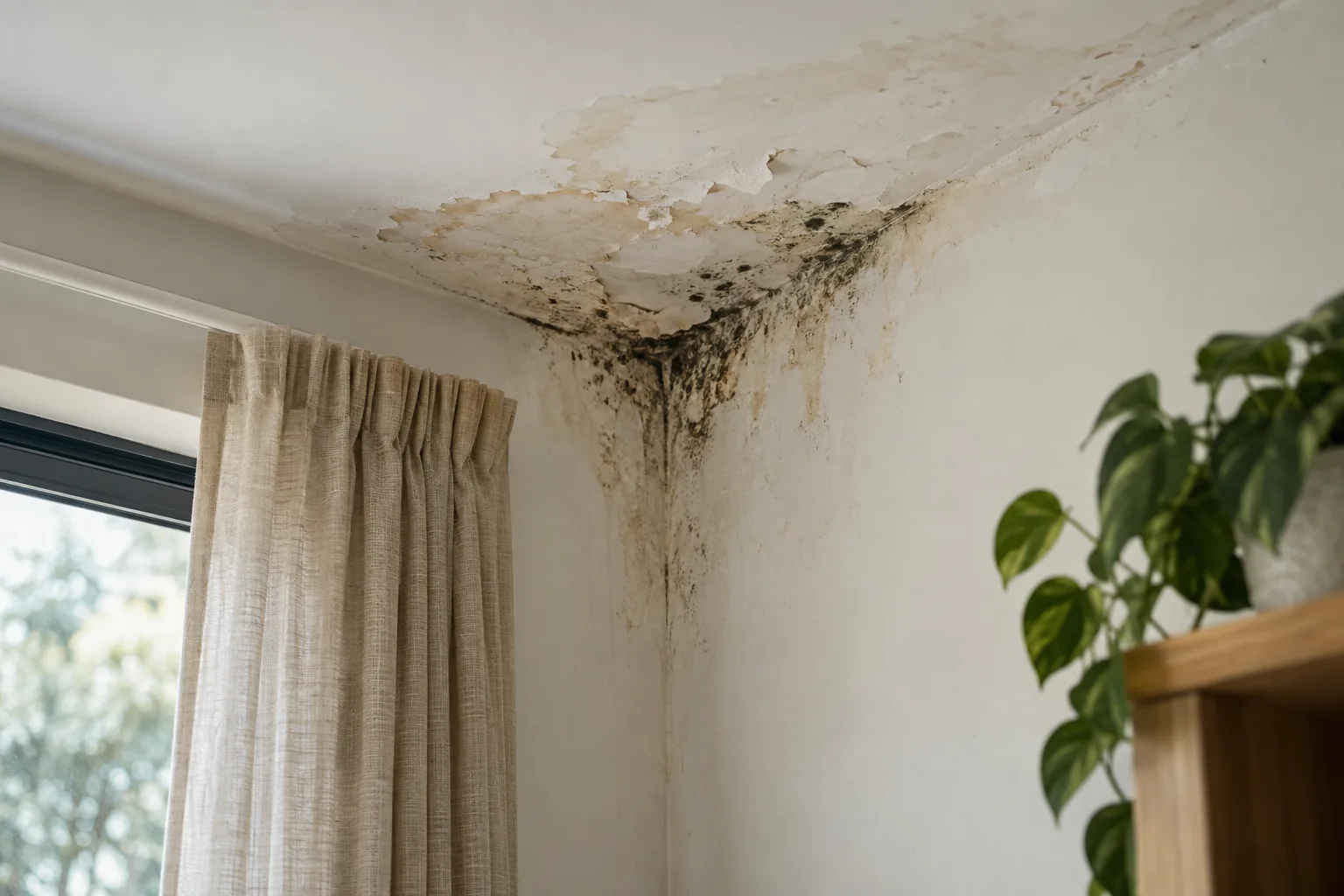
A ceiling leak in one room and condensation on a window in another are different observations. Provide their locations and reliable repair dates without combining them into one assumed source. A separate inspection enquiry can clarify visible accessible assessment before selecting treatment.
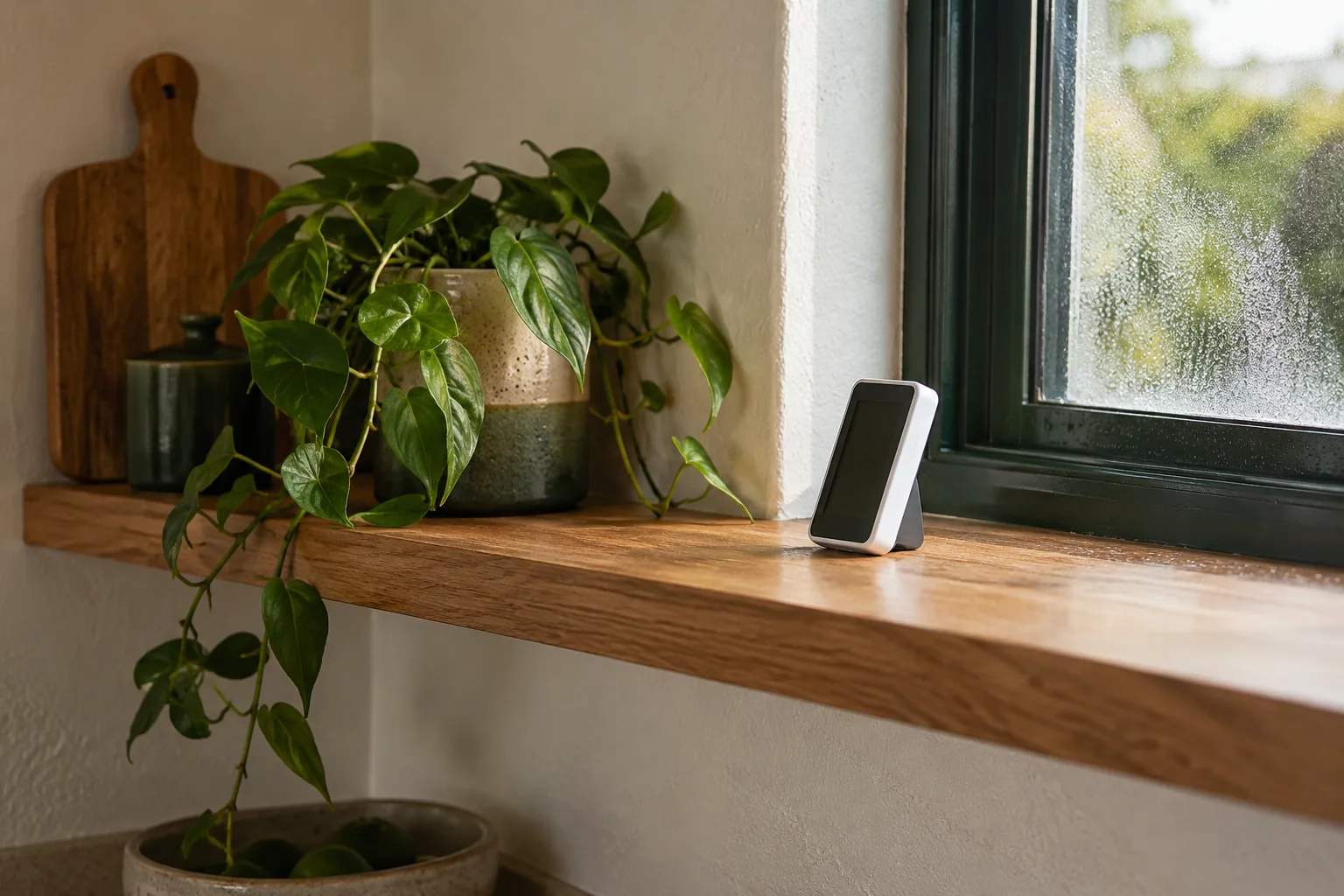
The professional hygrometer measures room-air relative humidity where it is used. A reading in the clear room cannot certify the wall behind the other room’s cabinet dry. Keep material and leak questions with the relevant provider. Continuing water or ventilation problems require their own follow-through; treating both visible patches does not establish permanent prevention across the household.
PLAN · FILTER · TREAT · REMOVE · CONTINUE
A coordinated sequence with room-specific scope
1
Assess both visible requests
Identify the contamination and accessible finishes separately in each room, agreeing clear and obstructed sections before starting the proposed work.
2
Prepare HEPA air protection
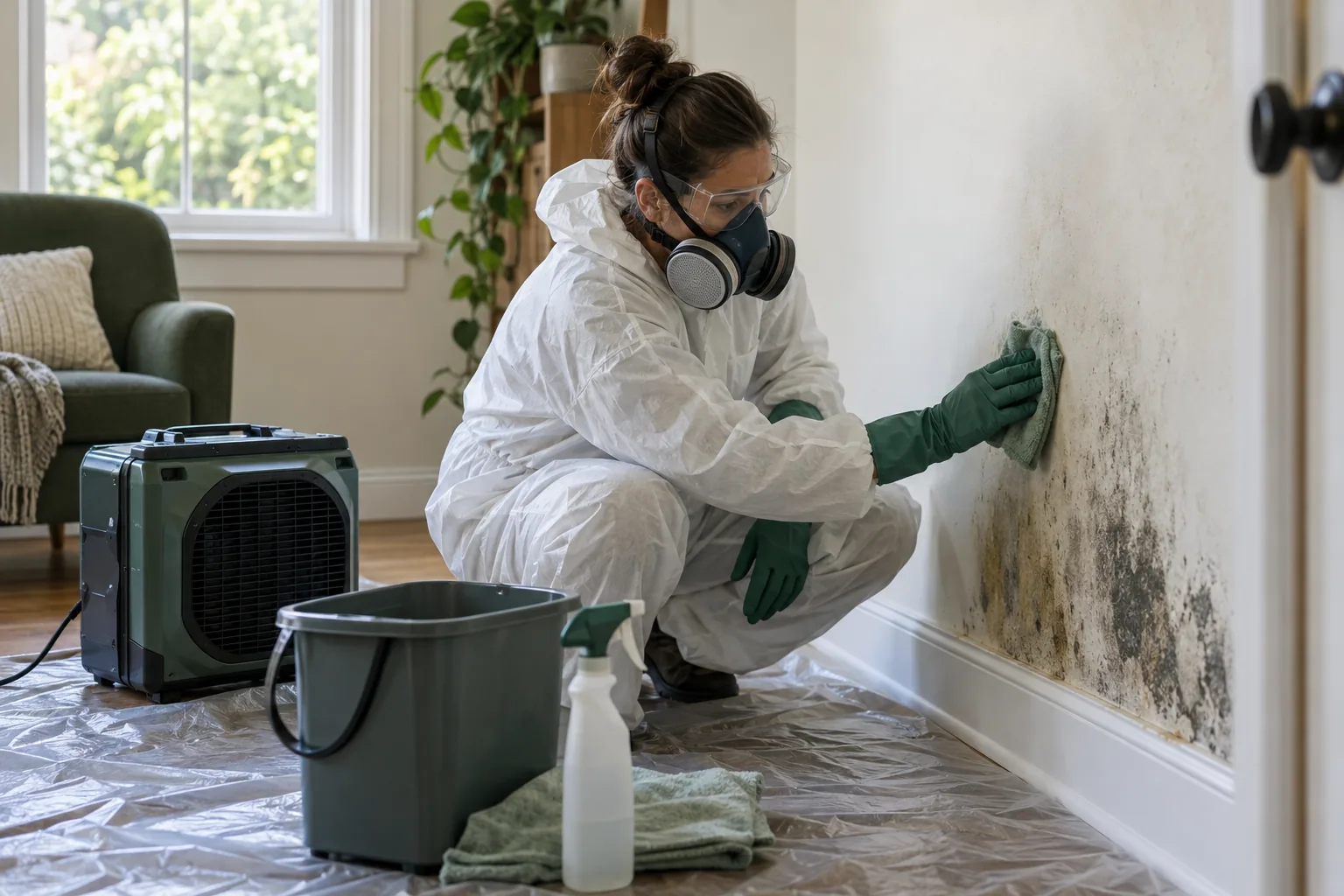
Set up the confirmed HEPA air-scrubber stage before treatment in the prepared work area, without presenting one setup as clearance of every interior.

3
Apply appropriate HOCl
Use suitable HOCl treatment and ULV dry fog where appropriate, keeping application decisions tied to the actual finishes and agreed access.
4
Remove the reachable growth
Carry out physical removal with professional H-class filtered equipment within each agreed structural boundary, excluding contents and concealed faces.
5
Continue filtration and communicate the boundaries
Maintain HEPA air cleaning during and after the process and explain the actual return advice and any section not reached in either room.
Specify the requested surface in each room
Walls
List the exposed wall in the clear room separately from the edge reachable around the second room’s obstruction.
Ceilings
Give each affected ceiling’s location and safe access rather than assuming matching height or condition.
Bathrooms
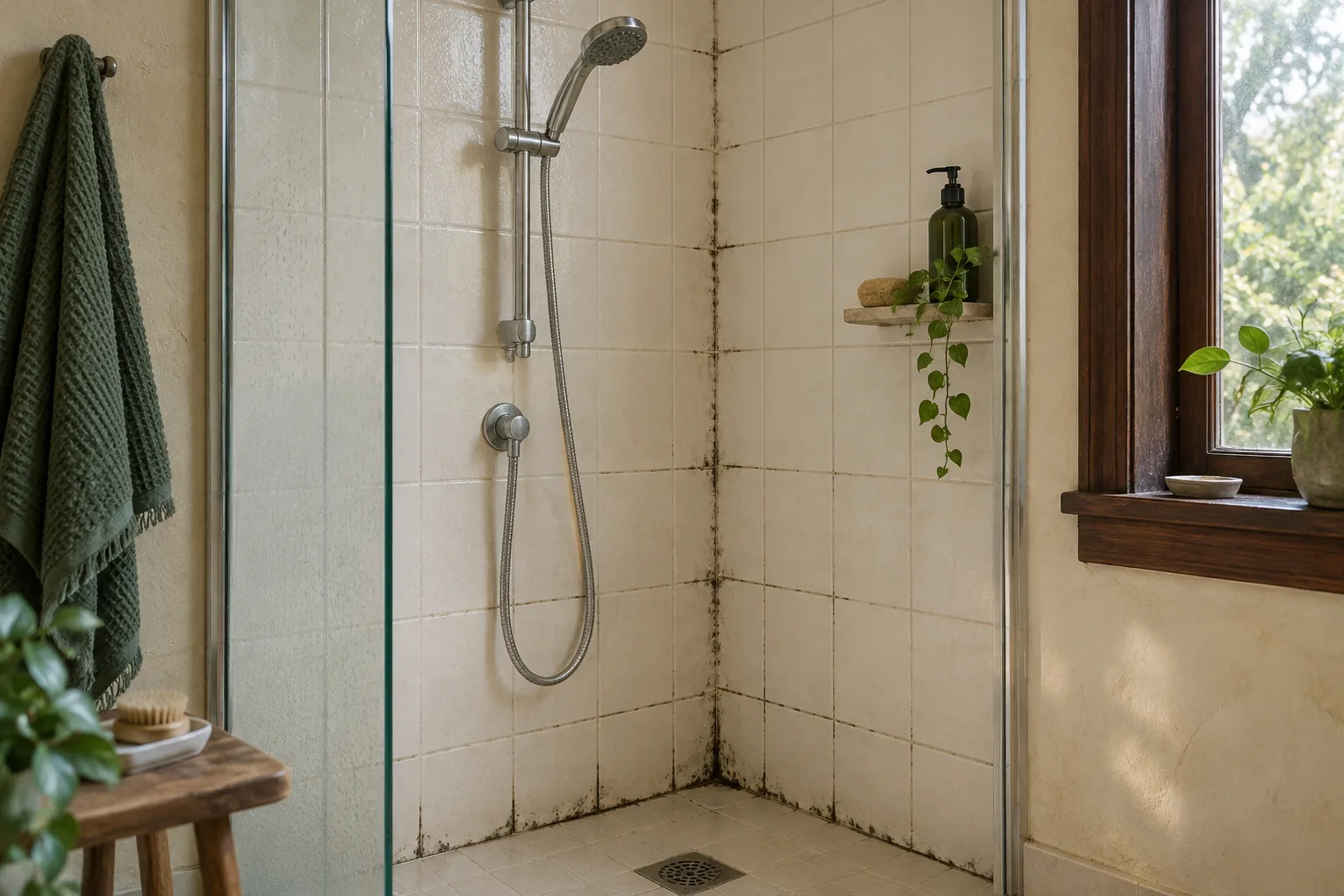
Bathroom structural finishes need a defined request; fabric mats and towels remain excluded.
Kitchens
Explain kitchen cabinetry restrictions independently of preparation in another interior.
Accessible affected surfaces
Additional exposed structural sections require agreement in their own room, not automatic inclusion under a household-wide label.
WHAT TO EXPECT
Prepare both rooms to their actual instructions
Ask what should be moved in each room and identify fixed obstacles before arranging the date. People and pets leave the property during treatment; an untreated room is not an established place to remain. Obtain the technician’s job-specific return advice for the completed work.
Average source guidance is about three hours per room, depending on size, contamination and access. Do not simply multiply it into a guaranteed household return time or invent hourly charges. Cosmetic marks can remain on treated finishes. Separate repairs and decoration need their own planning, and blocked sections must remain explicit in the completion description.
FOLLOW THE MOISTURE
Keep the two sets of observations distinguishable
After advised return, label new water or growth with the room and surface. A stable stain in one interior should not be confused with a fresh patch in the other. Complete relevant source repairs and update the scope if an obstruction is later removed.
Use room names when recording renewed water or surface changes.
Keep blocked sections distinct from finishes actually treated.
Do not transfer a repair or humidity observation between rooms.
Quote the two accessible requests accurately
Provide the extent and access in both rooms before discussing cost. Confirm the applicability of Mould Removal pricing examples to remediation; those figures do not establish an identical two-room package, hourly calculation or treatment behind the remaining obstruction.
WOLLERT · EXACT ADDRESS & ACCESS
Wollert address details for a multi-room enquiry
Mernda and Woodstock links provide nearby enquiry navigation for other premises. For Wollert work, name the rooms and their different access conditions at the actual address. Another property’s room count cannot define this job’s extent or timing.
Questions about remediation
Can the second room use the first room’s preparation plan?
Not automatically. Describe its fixed obstructions and obtain instructions for the surfaces actually requested there.
Does a treated edge establish the blocked wall is clear?
No. Retain the distinction between reached sections and the face concealed by the obstruction.
Will two rooms always take six hours?
No fixed duration follows from the average guidance. Discuss size, contamination, access and the actual treatment arrangements.
Can we wait in a third room during the work?
People and pets leave the property during treatment. Do not invent an internal-room exception from the number of rooms booked.
Does one room reading describe both interiors?
It does not certify another room’s air or material condition. Keep the measurement tied to its actual location.
What if the blocked section becomes available later?
Describe its newly visible condition and have any extra work agreed. It was not automatically included in the earlier accessible result.
Explain both rooms before arranging treatment
Call 03 8652 1296 with the Wollert rooms, visible patches and differing access. Agree preparation, suitable surfaces and a practical schedule for the actual request.