
SURFACE TREATMENT · MOISTURE FOLLOW-THROUGH
Mould Remediation Woodstock
If growth is visible on an exposed structural floor rather than a carpet, identify the finish before asking about remediation. For a Woodstock address, describe the particular interior, affected extent and any covering still in place. Confirm availability directly; a floor request should not become an assumed textile-cleaning or concealed-substrate service.
The exposed floor finish is identified.
Coverings remain separate from structural work.
Access and suitability are agreed before treatment.
TREATMENT & FOLLOW-THROUGH
UNDERSTANDING REMEDIATION
Describe the exposed floor rather than every layer
The confirmed source includes appropriate treatment of reachable structural floors. Explain whether the requested face is exposed, coated or partly covered, and mention deterioration before the method is selected. Review the remediation sequence without assuming every flooring system has the same suitability or cosmetic outcome.
Fixed coverings do not establish access to the underside. Discuss any later repair-exposed contamination separately; carpet and textile underlay remain excluded from the exposed structural-face result.
THE MOISTURE CONNECTION
A visible floor patch does not certify the substrate
Describe actual pooling, renewed dampness and known repairs where reliable. A floor mark’s outline does not identify the origin of water beneath it. An accessible inspection enquiry can clarify assessment before treatment where the visible condition is uncertain.
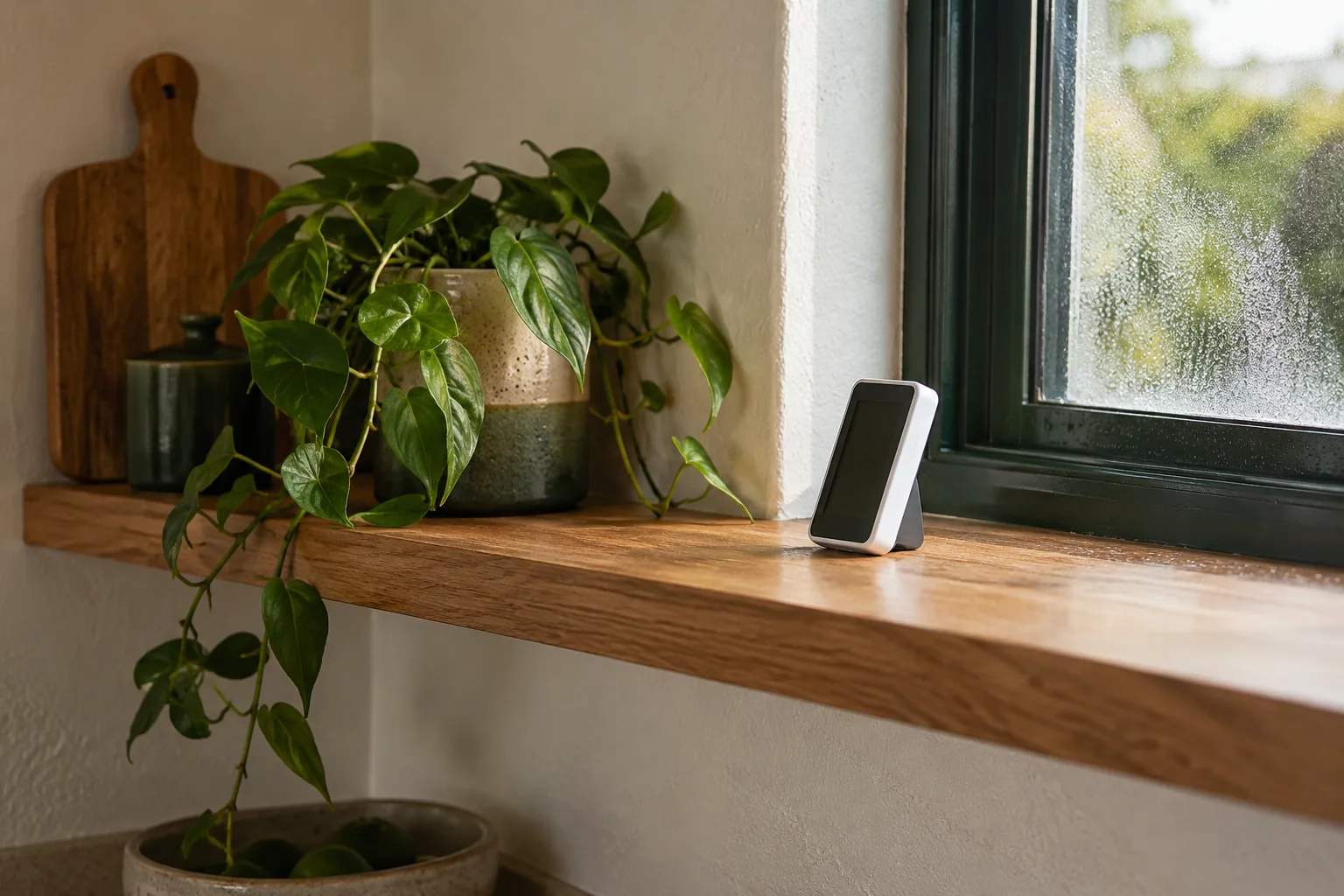
The professional hygrometer measures the room’s air relative humidity, not the moisture content of the floor or slab. It cannot approve installation of a new covering. Relevant plumbing, drainage or building repairs need their appropriate provider, and any flooring installer should settle their own material requirements. Contamination treatment cannot guarantee dryness or prevention if the moisture source continues.

PLAN · FILTER · TREAT · REMOVE · CONTINUE
Work on the floor face actually available
1
Assess the exposed surface
Review visible accessible contamination and the floor finish, identify any covering or damage and agree suitable reachable work.
2
Begin protective air cleaning
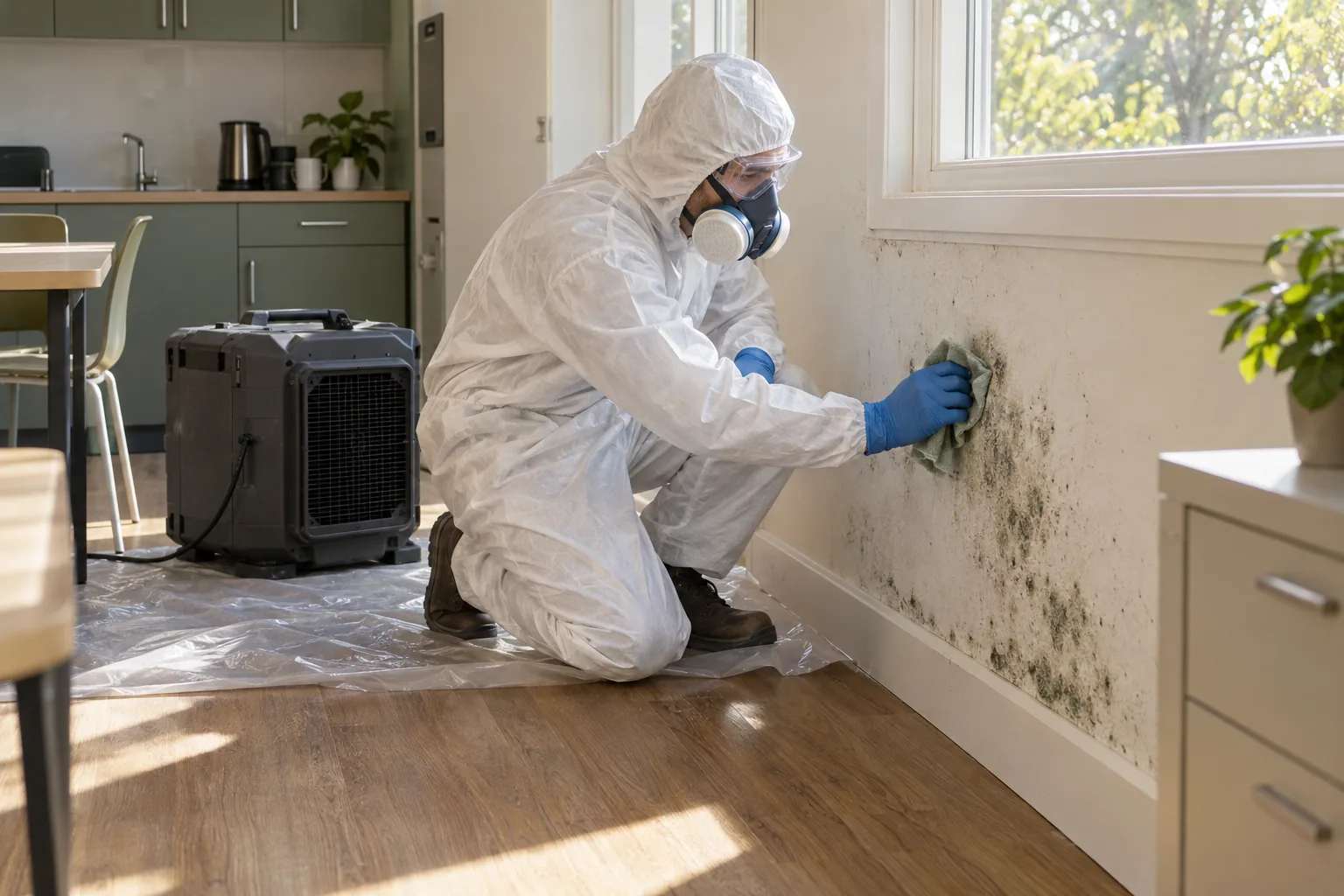
Set up the confirmed HEPA air scrubber before treatment in the prepared area, without treating filtration as approval of concealed flooring layers.

3
Apply suitable HOCl
Use appropriate HOCl treatment, with ULV dry fog where suitable rather than promising one application for every floor system.
4
Physically remove visible mould
Use professional H-class filtered equipment on the agreed reachable structural face, keeping carpet handling, flooring removal and repair outside scope.
5
Maintain filtration and discuss limits
Continue HEPA air cleaning during and after the process, explain actual return advice and distinguish residual marks from the floor sections treated.
Structural finishes and excluded coverings
Walls
Wall contamination beside the floor needs its own visible extent and finish description.
Ceilings
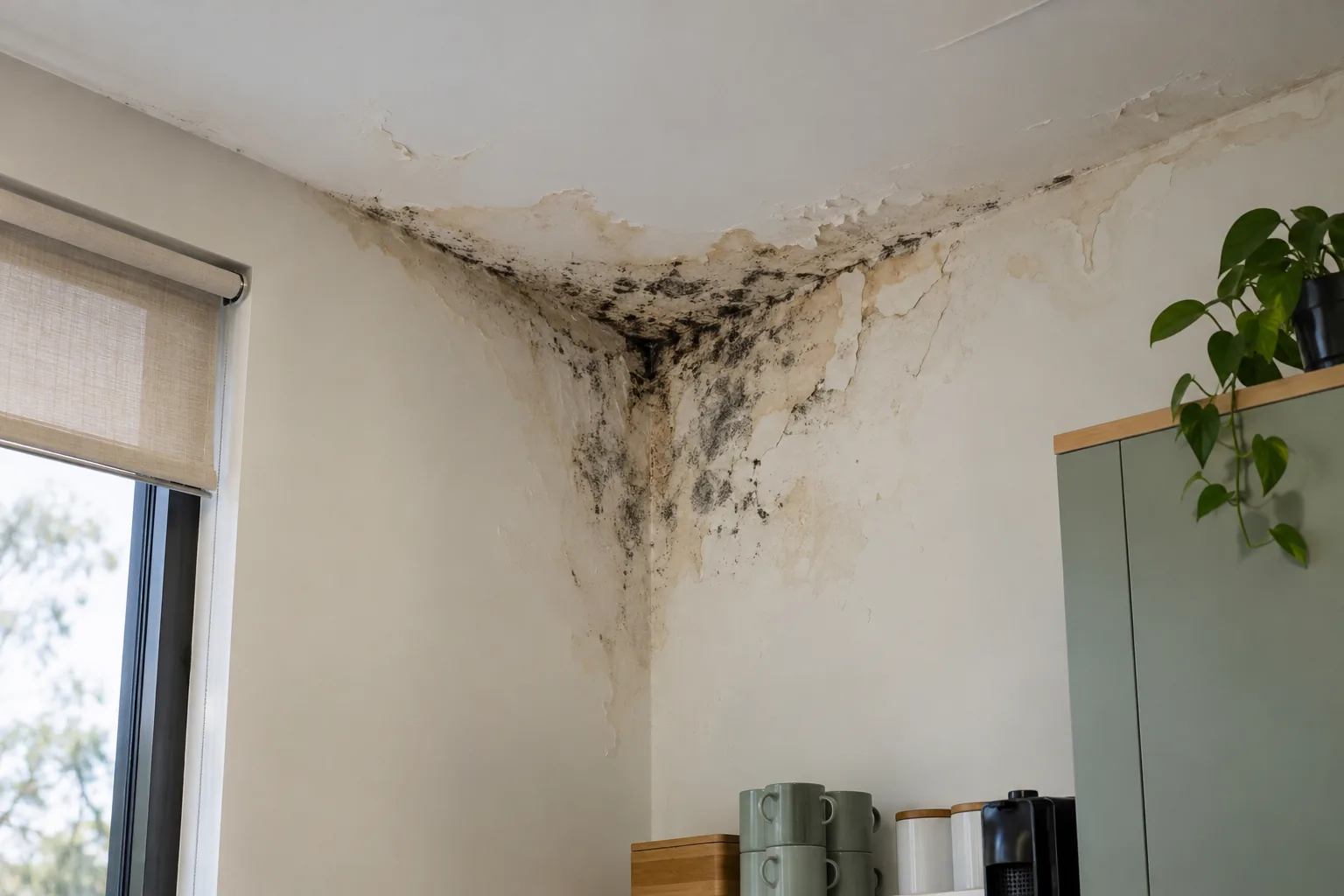
Ceiling marks require separate safe reach and water observations, not inference from the floor concern.
Bathrooms
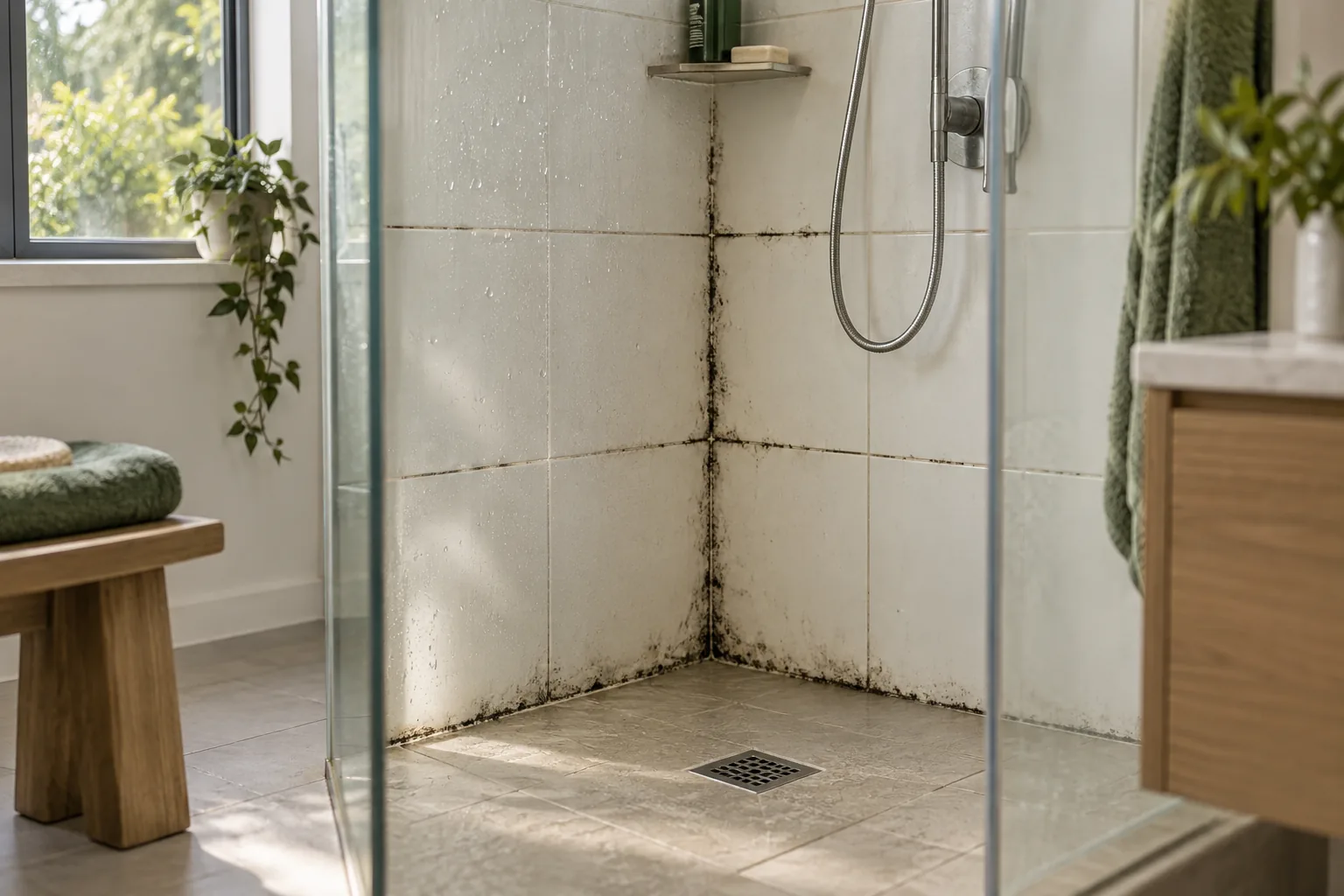
Name exposed bathroom structural surfaces and distinguish them from fabric mats or separately planned joint repairs.
Kitchens
Describe reachable kitchen floor or wall finishes without including fixed appliance servicing.
Accessible affected surfaces
An exposed structural floor may be discussed for suitability; carpets, rugs, concealed underlay and unseen material are excluded.
WHAT TO EXPECT
Clear the surface without assuming floor removal
Give the full Woodstock address and intended interior when discussing availability. Ask what needs to be moved and explain fixed coverings before preparation. People and pets leave the property during treatment, with technician-specific departure and return advice rather than a general floor-drying interval.
Around three hours per room is average source guidance, depending on size, contamination and accessibility. It is not an hourly flooring task or a guaranteed replacement schedule. Cosmetic marks may remain, and a separate provider may need to repair or refinish material. No probe readings, concealed dryness certification or installation-readiness guarantee is confirmed.
FOLLOW THE MOISTURE
Observe new wetting at the exposed face
After advised return, record renewed water or growth on the identifiable structural section. Keep the observation separate from material below a covering that was not available. Complete relevant source repairs and discuss changed conditions before selecting another surface treatment or replacing the finish.
Identify the exposed finish in photographs of later changes.
Keep flooring-installation advice with the responsible provider.
Report a newly uncovered section before assuming earlier inclusion.
Quote the actual floor surface
Describe the accessible extent, coating and remaining covering when discussing cost. Confirm the applicability of Mould Removal examples to remediation; they do not establish a carpet-restoration package, flooring-removal allowance or attendance entitlement for the Woodstock property.
WOODSTOCK · EXACT ADDRESS & ACCESS
Woodstock premises and nearby locality enquiries
Wollert and Eden Park pages provide routes for other nearby requests. Supply the exact Woodstock address and nominated interior for availability discussions. Neighbouring navigation cannot establish floor suitability or the layers included at these premises.
Eden Park · Wollert · Kalkallo · Whittlesea
Questions about remediation
Can an exposed structural floor be discussed for treatment?
Yes, the confirmed source includes floors, subject to actual access, material condition and suitable work being agreed.
Does that mean carpets are included?
No. Carpets and textile coverings are excluded; identify the exposed structural face separately.
Should I lift a fixed covering to show more of the floor?
Discuss the current access first. Separate removal or repair should not be assumed to be required preparation or part of remediation.
Can a hygrometer approve the floor for a new covering?
No. It measures air relative humidity, not substrate moisture or installation readiness.
Will every dark floor mark disappear?
No complete cosmetic outcome is promised. Discuss remaining discolouration separately from fresh visible contamination.
What if water appears beneath a replaced finish?
Report the current water and arrange appropriate source advice. The earlier exposed-face treatment cannot establish the condition of concealed material.
Identify the exposed floor and its covering limits
Call 03 8652 1296 with the Woodstock premises, structural finish and access details. Confirm availability and suitable treatment before moving or replacing flooring.