
BANGHOLME · MELBOURNE
Mould Removal Bangholme
Marks along a wall’s lower edge call for a discussion about the floor finish, skirting and any known wet event. For Bangholme, describe what is visible and whether water is still present, rather than assuming the whole room can be cleaned in the same way. We can consider accessible surfaces and check the address, with damaged materials and water-source repairs handled as separate decisions.
Floor materials clarified
Wet conditions discussed
Accessible scope defined
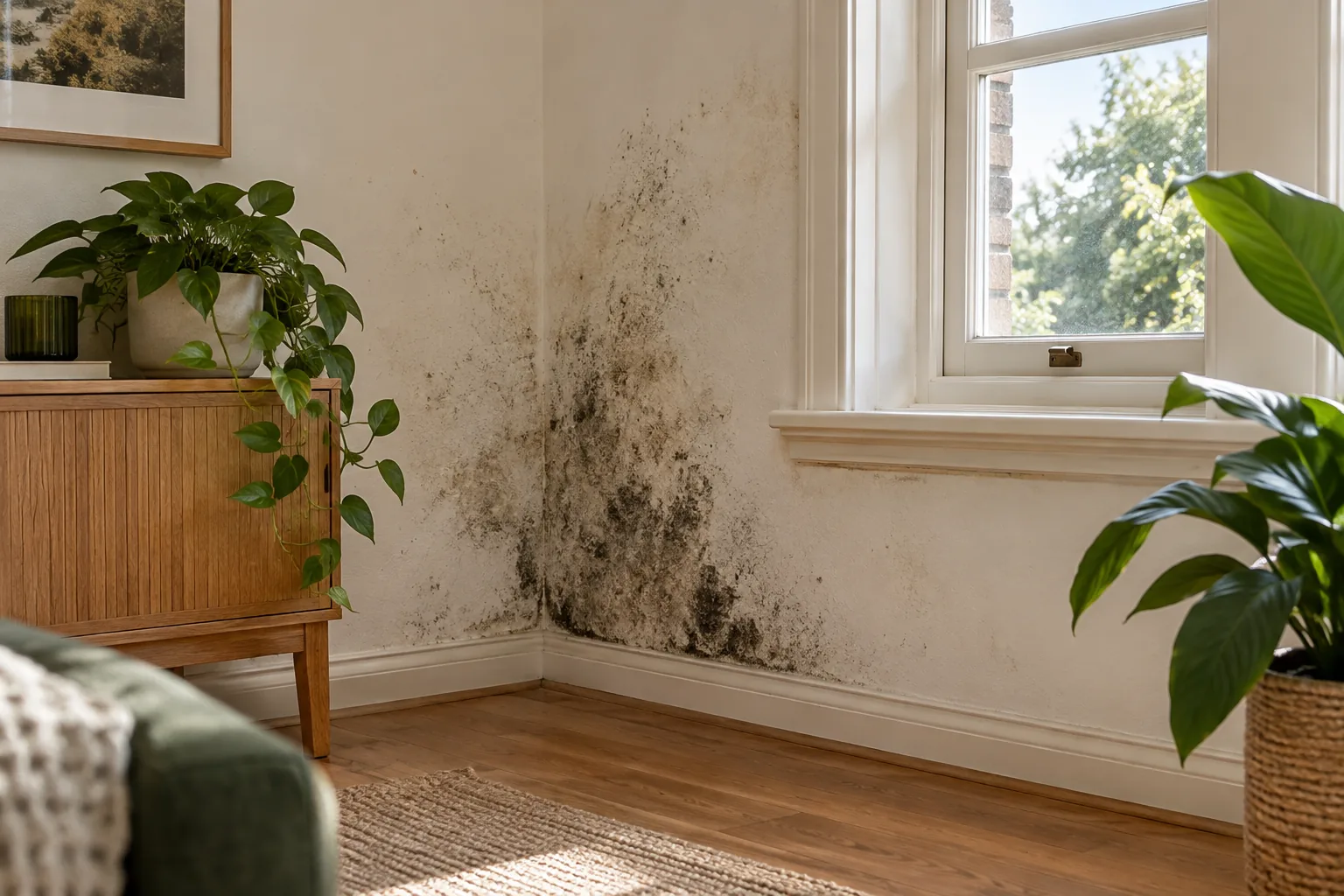
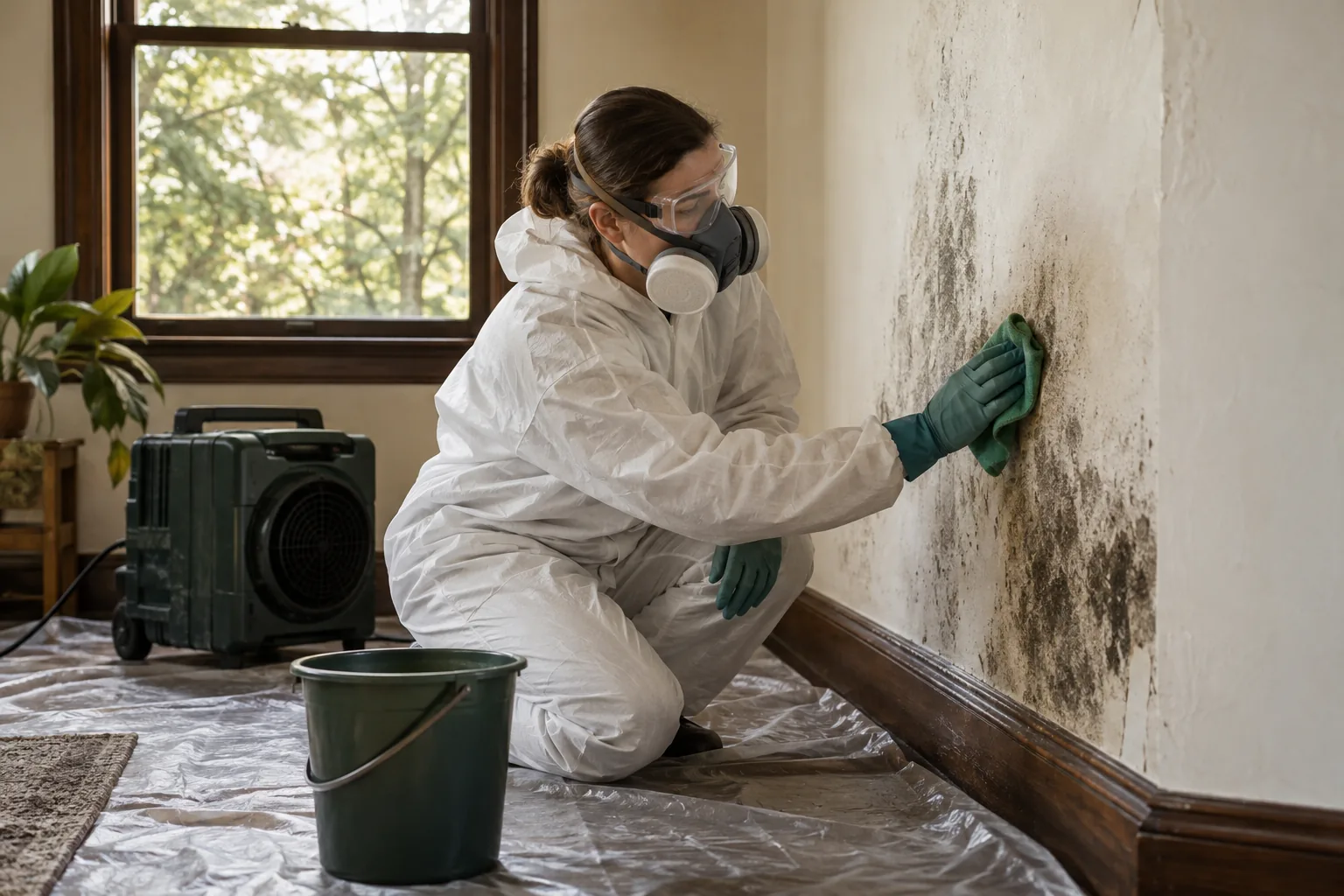
Floors · Skirting · Walls
THE HOME, IN CONTEXT
Give the actual Bangholme address
The Victorian Government lists Bangholme as a Greater Dandenong locality. Supply the street address and dwelling entry when checking availability; a locality name alone does not establish access to a particular building or room.
A lower wall after a wet event
If growth sits beside a hard floor, show the wall-to-floor junction and explain the event you observed. A plumbing escape, exterior water entry and a wet household item are different histories. Do not turn the appearance of one skirting edge into a diagnosis of the whole building.
Identify remaining household obstructions
Describe furniture feet, cabinets and any floor coverings that hide the junction. Agree what the household can safely clear. A hard floor may be part of an accessible enquiry, but carpet, rugs and damaged contents need their own consideration rather than an automatic inclusion.
INSPECTION & MOISTURE
Look at the junction as several materials
A wider photograph can show floor type, trim and paint condition together. An inspection enquiry helps when dampness, swelling or an unclear water history makes surface suitability uncertain.
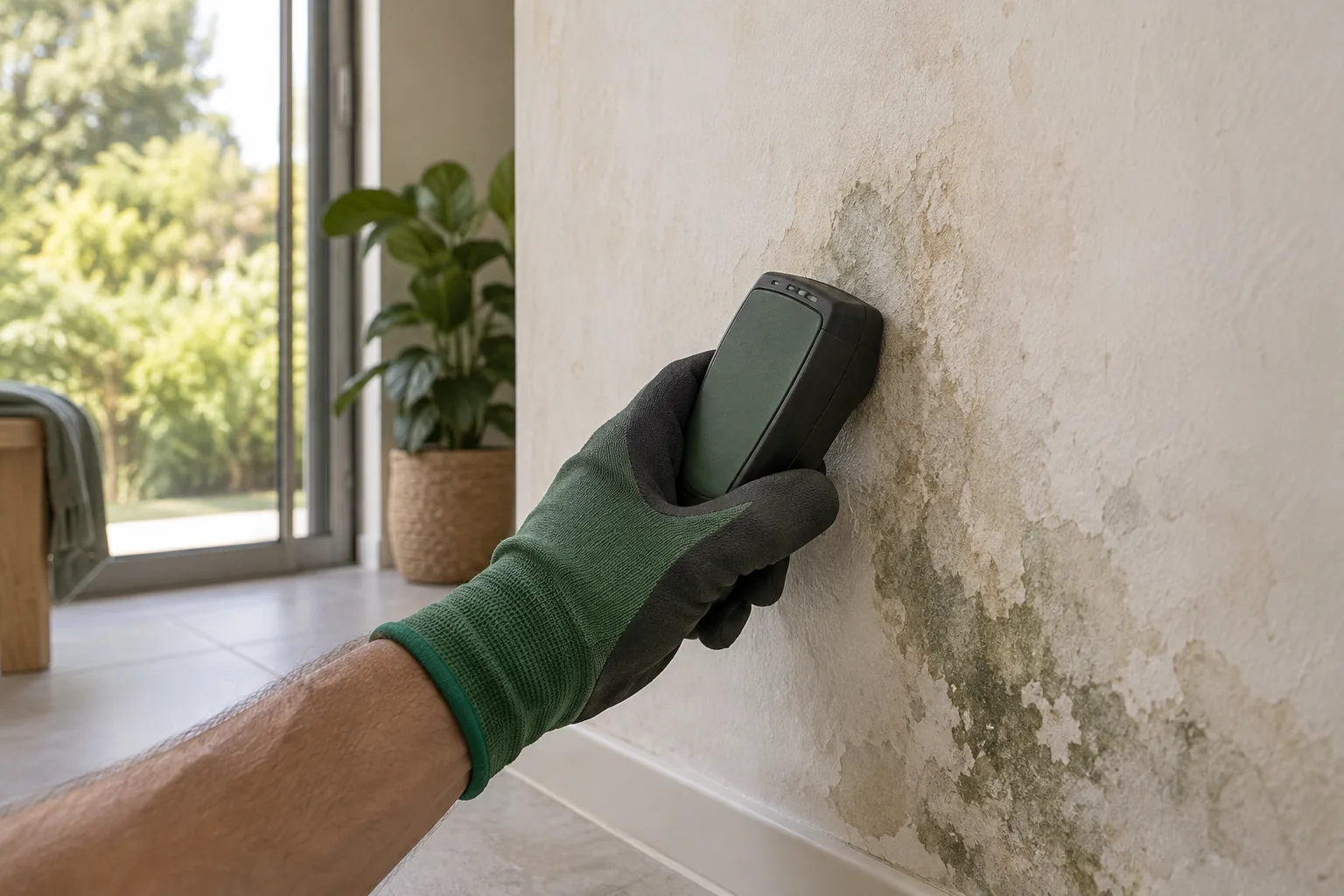
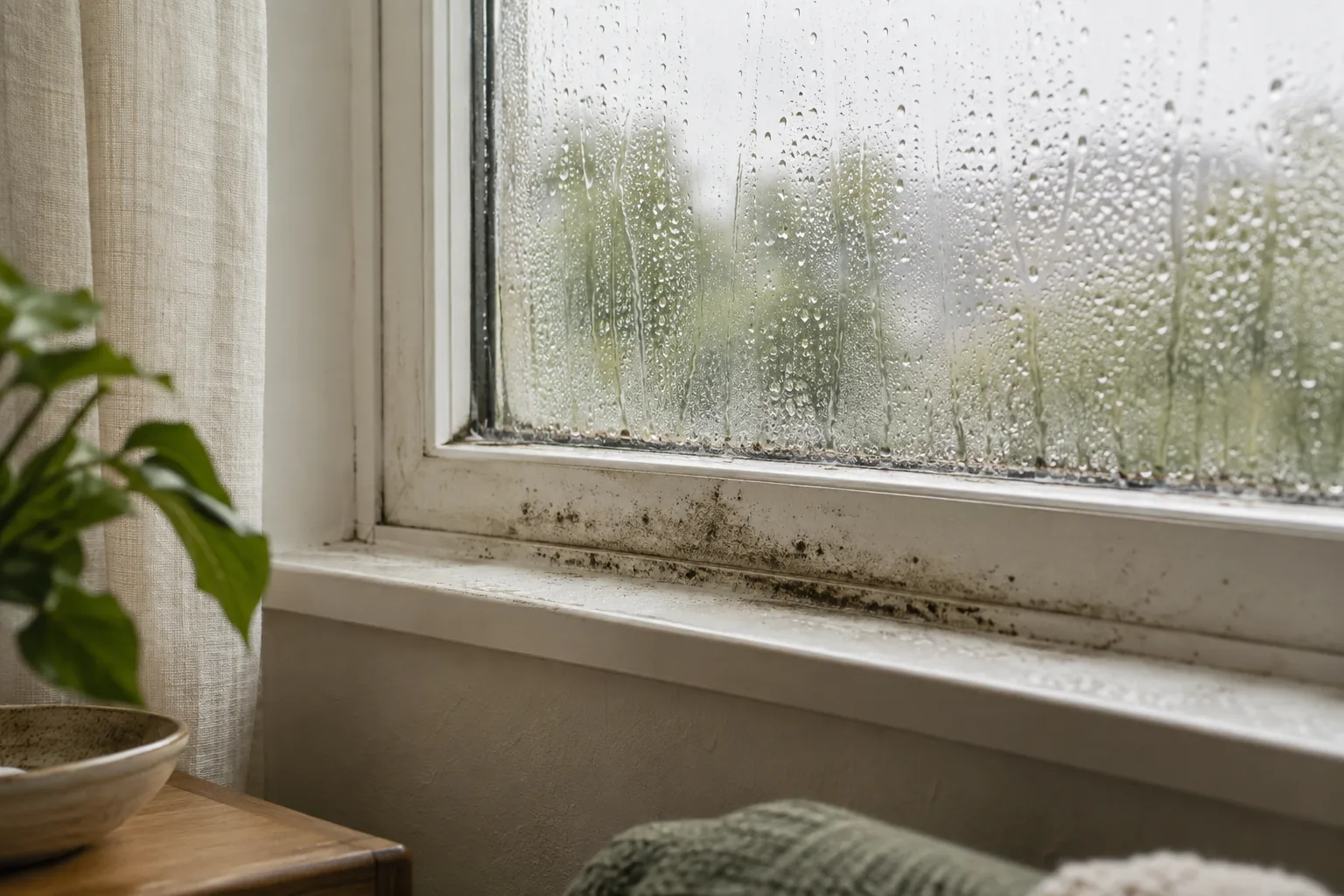
Report soft or swollen edges
Skirting that has expanded, lining that feels unstable and a lifted floor edge are material concerns. Describe them without probing or pulling the junction apart. Removing surface growth does not restore strength, shape or adhesion to components damaged by water.
Explain ongoing wetness early
Tell us if water is still entering or if the floor repeatedly becomes wet. The responsible plumbing or building professional should address an active source. Cleaning should not be presented as a way to stop water or establish that concealed material is dry.
A CONNECTED PROCESS
A wall-to-floor enquiry with clear limits
Outline the wet event
Provide the approximate date, observed water and any repair already arranged. If there is no known event, describe the visible change without inventing one.
Identify accessible surfaces
Name the wall, skirting and floor material. Explain covered corners and the limits of access before selecting what work can reasonably be discussed.
Consider retention questions
Review soundness and persistent moisture. A damaged trim or lining may need replacement while neighbouring intact paint remains a separate removal enquiry.
Remove agreed visible growth
Appropriate HEPA filtration, physical removal and treatment may form the scope. Remediation information can guide questions where a wet event affects more than a small surface patch.
Review unresolved actions
Discuss staining and any material or source issue that remains. Keep the repair contact informed if fresh wetness appears before repainting or refitting floor coverings.
WHERE MOULD APPEARS
Lower-room concerns that need accurate descriptions
Swollen skirting
The trim may be damaged even when adjacent paint is intact. Cleaning is not a promise to restore its original profile.
Hard floor margins
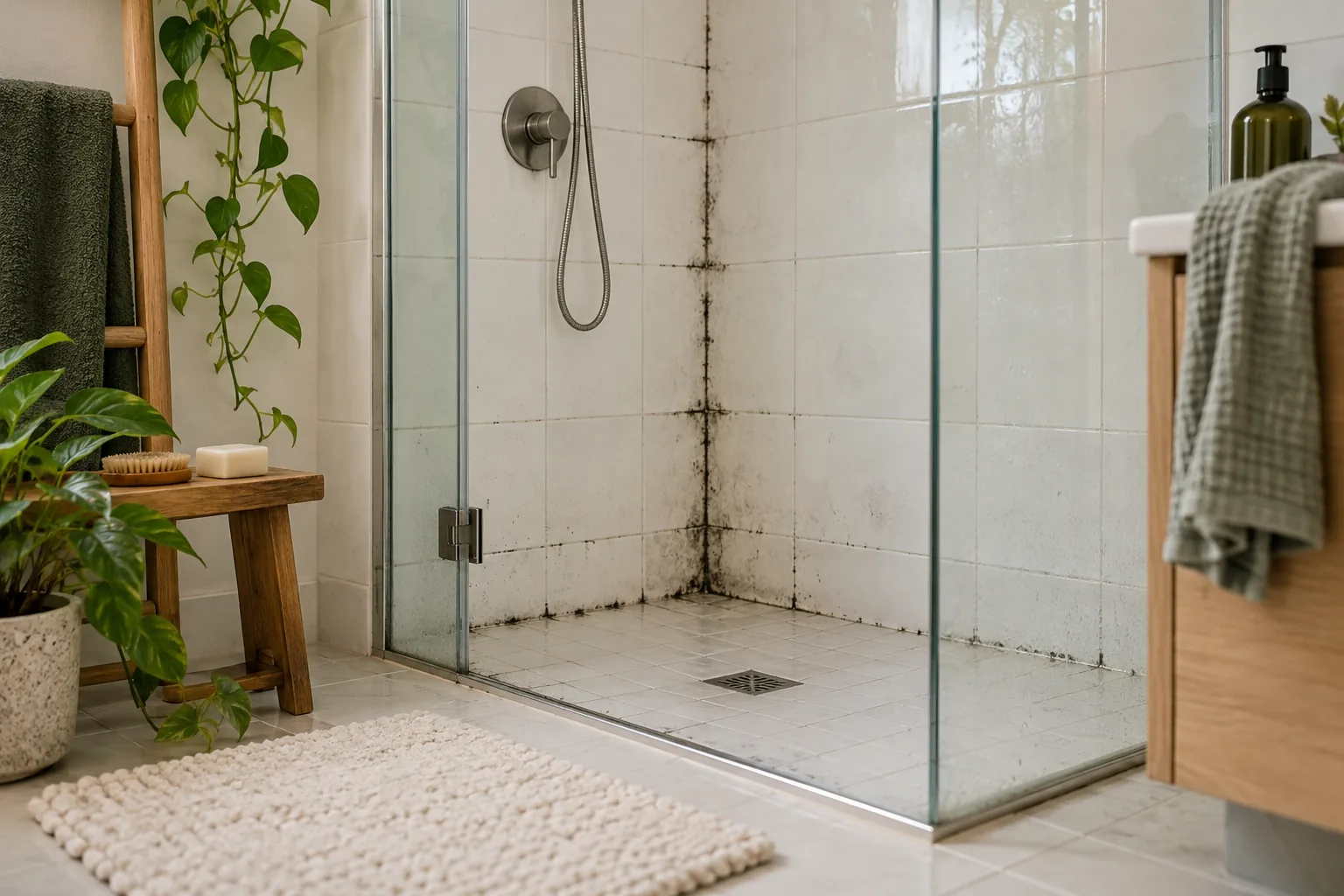
Mention tiles, concrete, vinyl or another finish. Suitability and access differ, and a generic floor-cleaning request can conceal those differences.
Carpet beside paint
Textile flooring is a separate concern from the accessible hard surface scope. Include it in the enquiry without assuming its treatment or recovery.
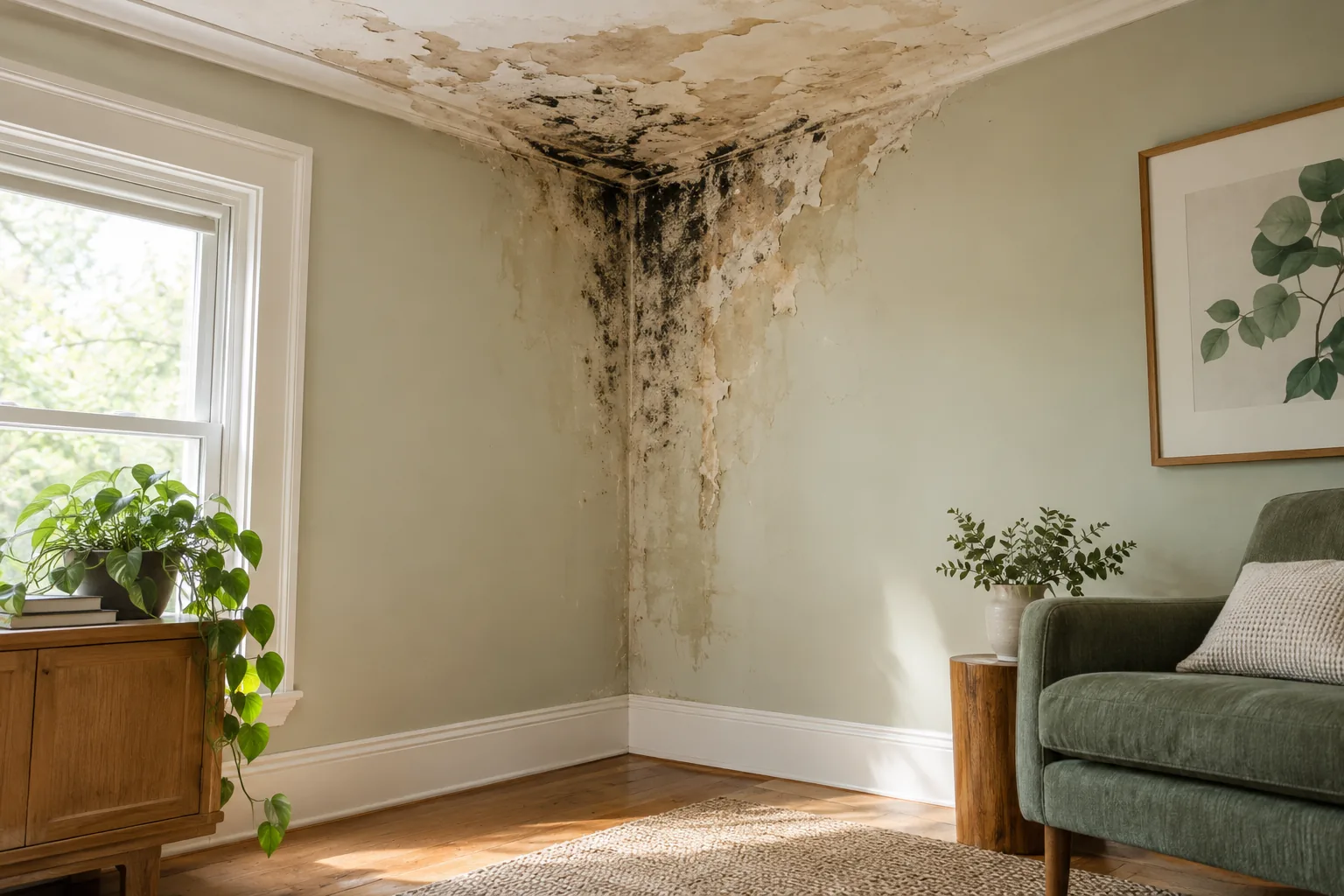
Ceiling alongside lower-wall marks
Include any overhead growth separately from the floor junction. Different positions may raise different moisture questions; matching colour does not establish one source.
MAKE SPACE FOR DRYING
Keep the water history available
Save photographs of the junction and the relevant repair dates. If the edge becomes damp again, that sequence can help the appropriate trade investigate the continuing event. Repeating cosmetic cleaning without that information can leave the practical source question unanswered.
Before replacing damaged trim or covering a wall, settle repair, drying and retention questions with the responsible people. Keep ordinary wet household items away from paint. Accessible mould removal can address agreed growth as one stage without guaranteeing future conditions or restoring deteriorated materials.
BANGHOLME & NEARBY
Bangholme address checks
Provide the full property address and practical entry details for an availability enquiry. These nearby location pages give surrounding context: Keysborough, Patterson Lakes, Waterways.
QUESTIONS WORTH ASKING
Before the visit.
Does a low wall patch mean rising damp?
Not by itself. Its position is an observation, not a diagnosis. Explain wet events and material condition so the appropriate assessment question can be considered.
Are rugs part of the floor scope?
Rugs and carpet are separate textile items. The stated service concerns accessible walls, ceilings and floors, with the actual floor material clarified before agreement.
Can cleaning repair swollen skirting?
No. Surface removal cannot return water-damaged trim to its former shape or strength. Replacement or repair needs a separate decision.
Should I remove the skirting to inspect behind it?
Do not dismantle materials merely to prepare an enquiry. Describe visible damage and access limits, then discuss whether other investigation is needed.
What if water is still on the floor?
Raise active wetness immediately and arrange the appropriate source response. Cleaning cannot stop the leak or determine all concealed consequences.
Does the page confirm Bangholme coverage?
A possible visit needs an address check. Give the street, room details and entry arrangements when calling to discuss availability and suitable scope.
START WITH YOUR ROOM
Describe the lower wall and wet event
Call 03 8652 1296 with the Bangholme address, floor finish and junction photographs. Mention ongoing water or damaged trim first so removal can be considered alongside the separate repair questions.
Useful references: Victorian Government — Greater Dandenong localities