
BEACON COVE · MELBOURNE
Mould Removal Beacon Cove
GLAZING · ROOM · ENTRY
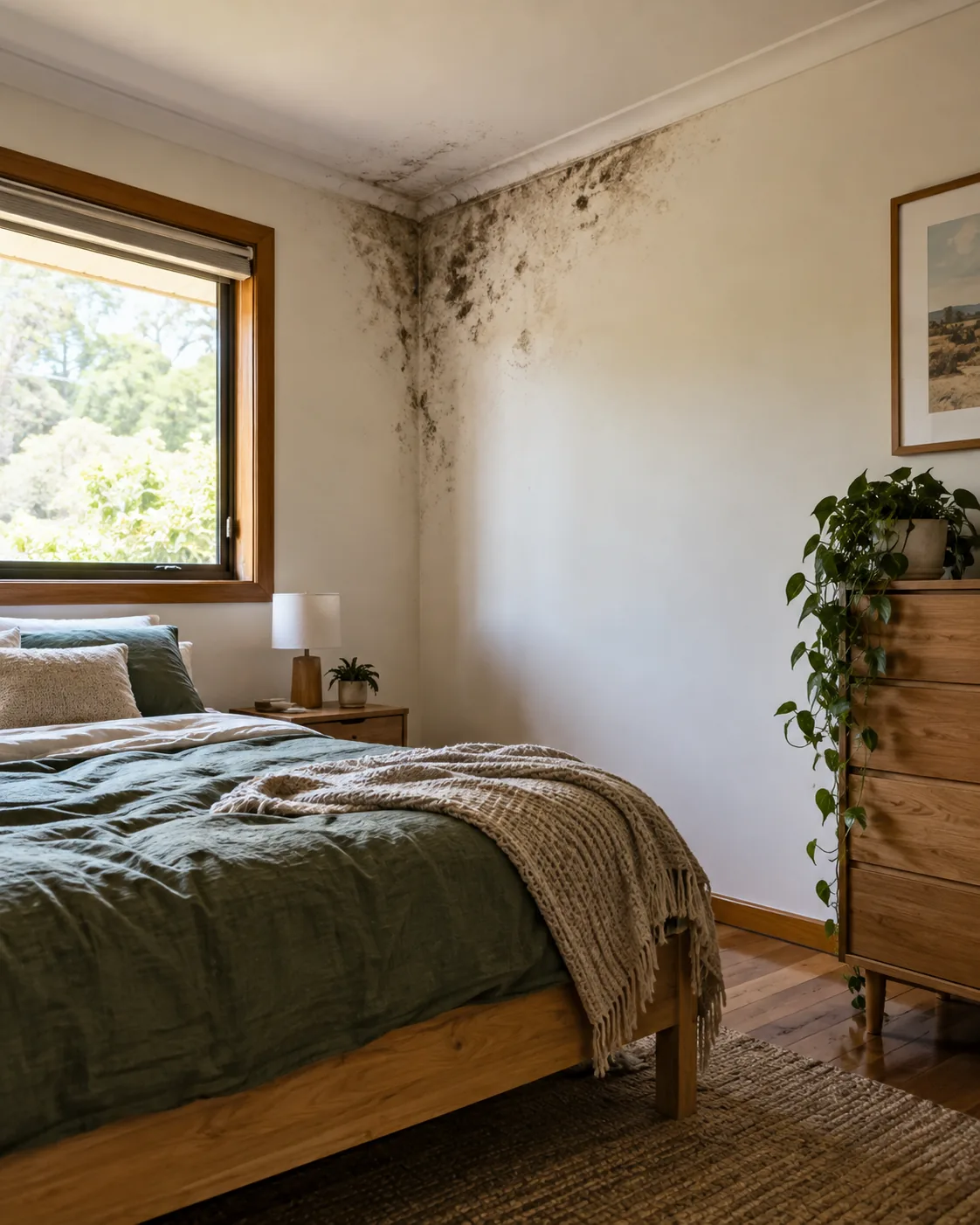
A window-side patch in an apartment needs attention to both the finish and the access arrangements. For a Beacon Cove enquiry, give the full address, affected room and any known leak history. We plan accessible structural-surface work without assuming an apartment’s cause or ownership responsibilities.
Window-side finish considered
Access arrangements discussed
Moisture repairs separated
SURFACES & THEIR SETTING
Use the actual property address
Beacon Cove is a named area within Port Melbourne. Specify the building and unit rather than relying on the neighbourhood label. If the enquiry concerns an apartment, confirm who can authorise treatment and arrange entry.
Marks around the reveal
Describe whether growth sits on plaster, paint or another accessible finish beside glazing. The inspection service assesses visible growth and conditions. A close-up cannot establish whether a window is leaking or condensation is responsible.
Access through the building
Mention booking or lift arrangements only where they apply to your property. Equipment access and room clearance need coordination. We do not assume a unit visit includes common-property repairs or work elsewhere in the building.
Observe when the surface becomes wet
Record morning condensation, changes after rain and the pattern of recurring marks. These observations distinguish useful questions without diagnosing the cause. Persistent wetness around glazing may need assessment by another trade.
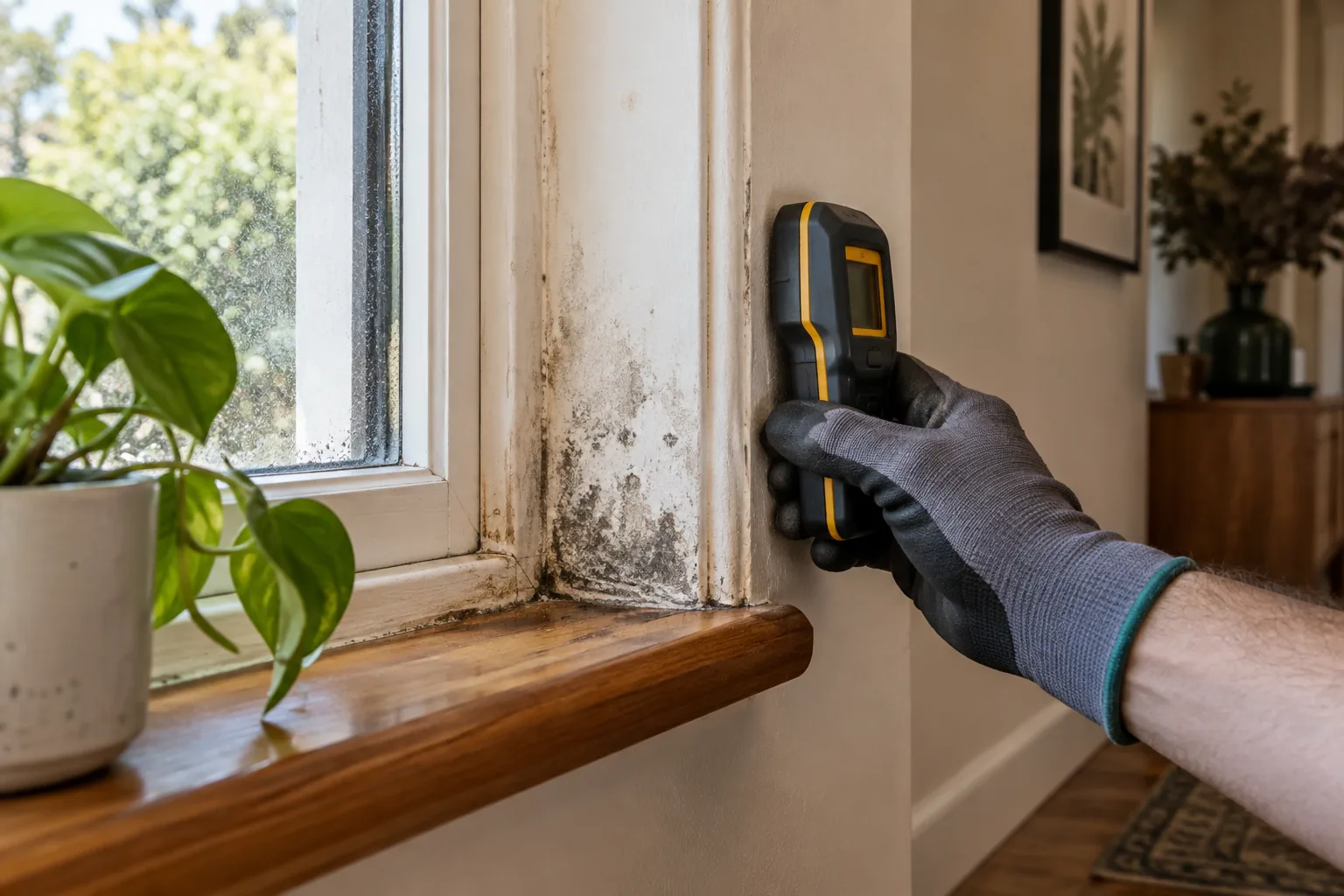
Finish damage
Flaking paint, soft plaster or a swollen trim should be described before treatment. Removal of growth cannot restore a weakened material. Repair and decorating decisions remain separate.
Moisture checks
A hygrometer supports assessment of humidity and moisture conditions. Readings do not prove the weather-tightness of glazing or the condition of a wall cavity. Further investigation may be required.
THE SURFACE REMOVAL PROCESS
A practical apartment-room process
01
Inspect reachable surfaces
Check the agreed wall, ceiling and hard floor. Note window-side damage, furnishings and any fixed obstacles. The technician defines what can be reached and identifies surfaces needing another decision.
02
Prepare filtration and clearance
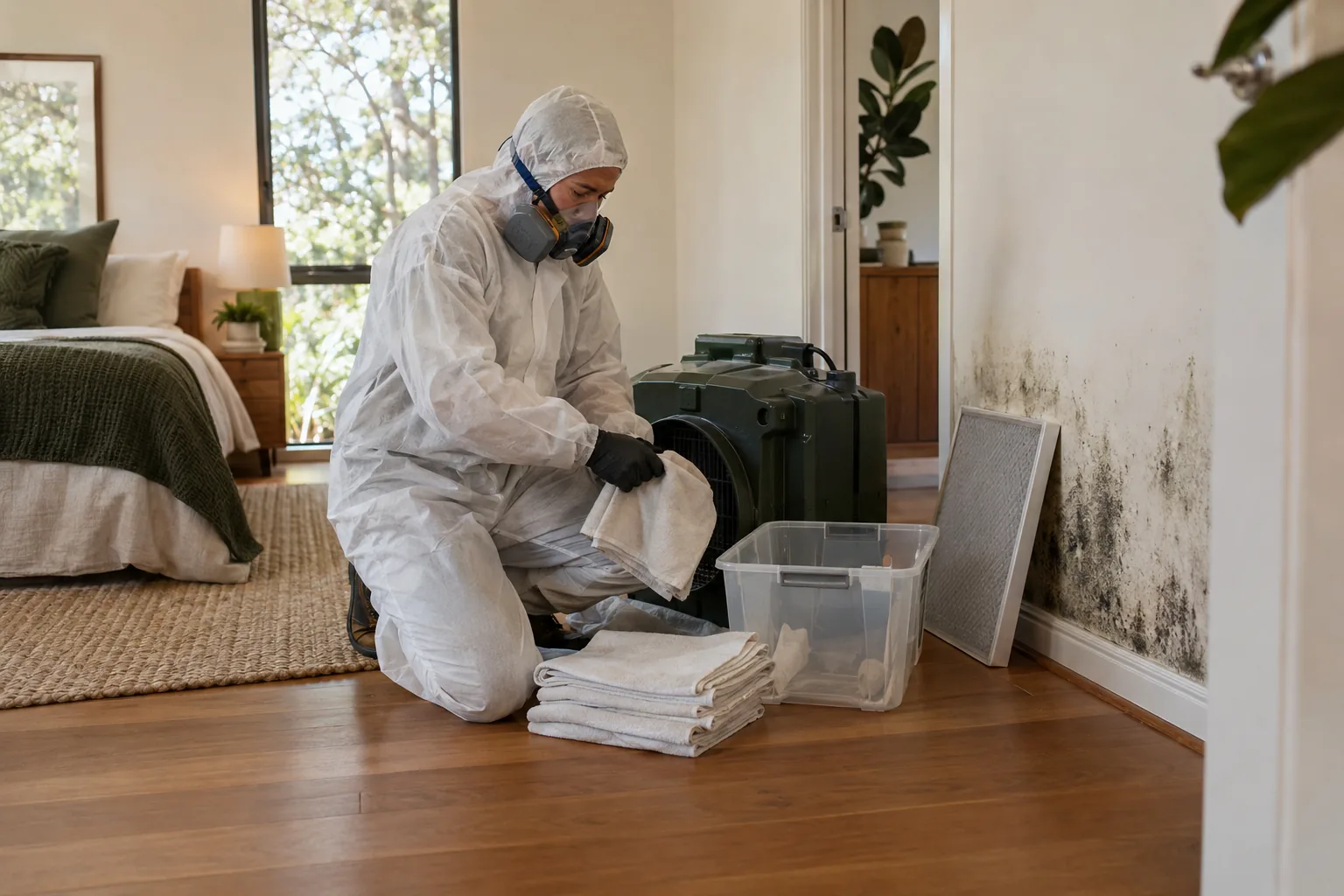
Set up HEPA air filtration and protect the work area as agreed. Confirm arrangements for occupants and pets. Coordinate keys, equipment entry and room restrictions before the appointment.
03
Choose compatible treatment
HOCl may be suitable for included finishes. The method follows their condition rather than an assumption based on the building type. Old discolouration can remain after the growth is treated.
04
Discuss a ULV stage
Where ULV application is appropriate, explain the preparation with the booking contact. It supports the agreed room scope; it does not automatically include concealed cavities or neighbouring apartments.
05
Remove visible growth
Use appropriate physical removal equipment with H-class filtration. Our remediation overview explains the combined method. Curtains and furniture beside the window are excluded and need separate consideration.
06
Finish with filtration and advice
Continue filtration and discuss the treated surfaces, any staining and follow-up needs. A leak or glazing issue should be referred through the property’s appropriate repair or management process.
VISIBLE & ACCESSIBLE
Common enquiry details
Window-side walls
Give the finish and wetness pattern. Do not scrape loose material to expose more detail.
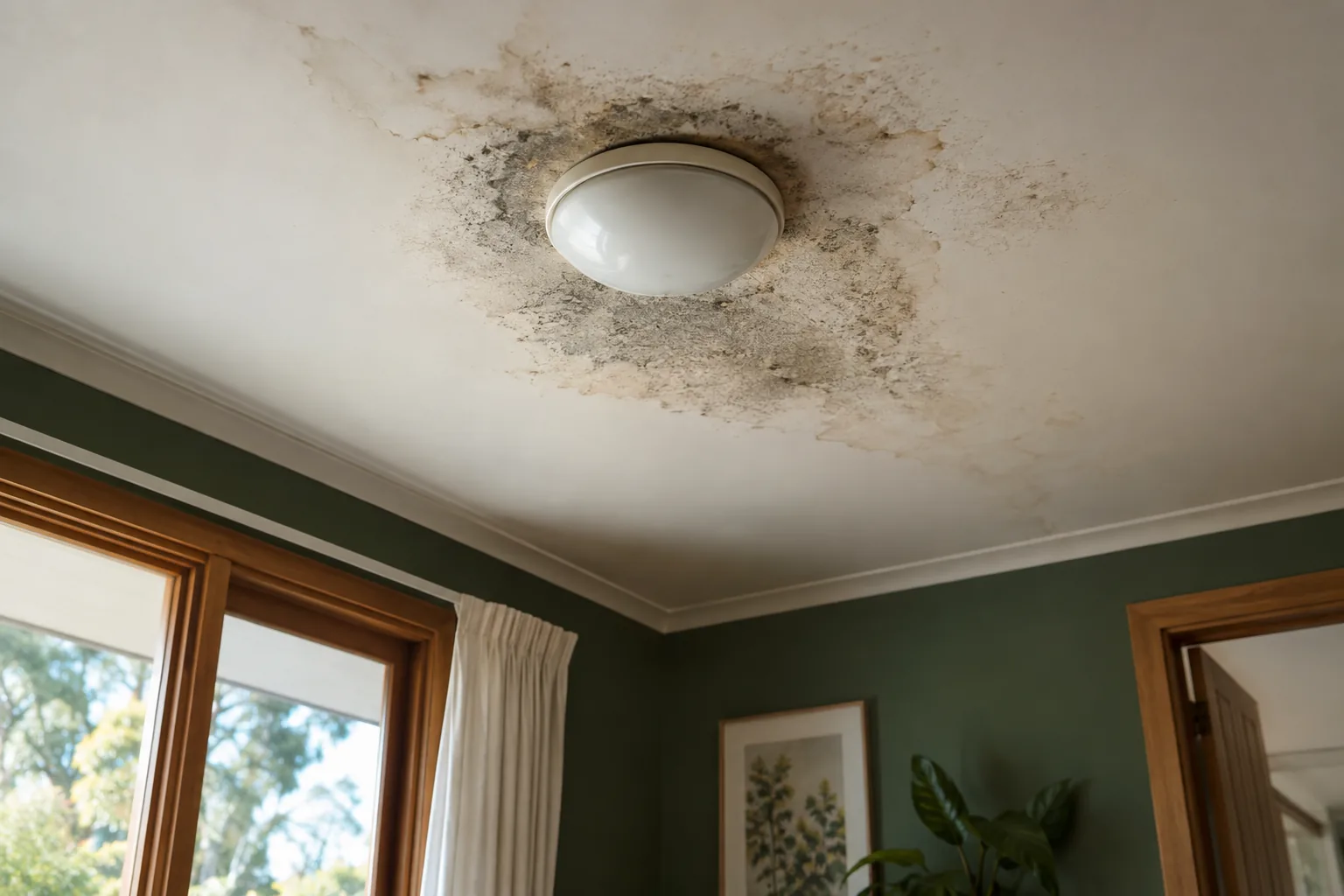
Bedroom ceiling
Mention height and whether spotting extends beyond the window corner. Scope is agreed by room and surface.
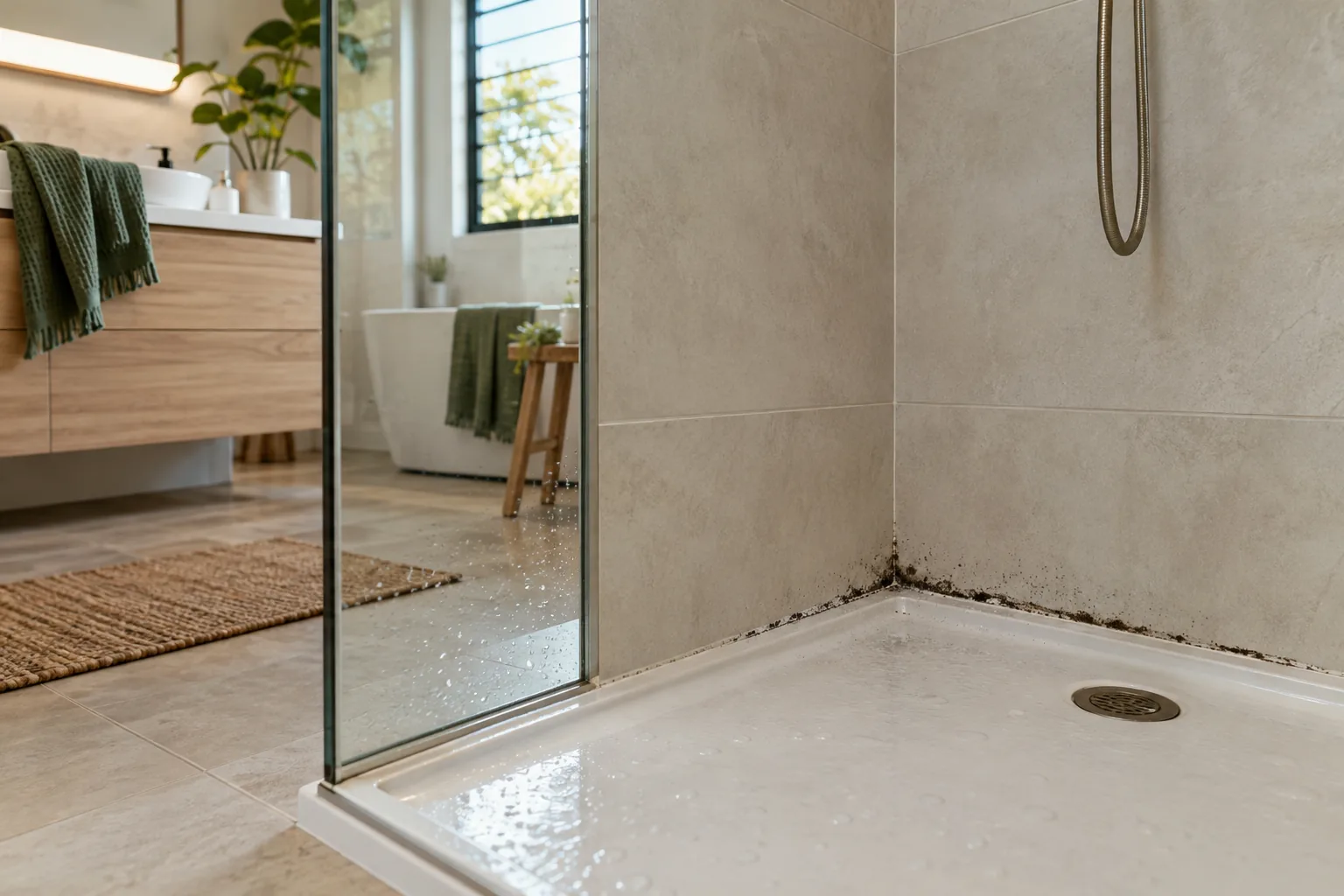
Bathroom walls
Explain extraction and any plumbing history. This concern may need different follow-up from window-side growth.
Hard floor edges
Name the material and any distortion. Carpets, rugs and soft coverings are not included.
PREPARATION & LIMITS
What to expect from removal
The service covers visible accessible walls, ceilings and hard floors. Furniture, sofas, mattresses, curtains, carpets, clothing and textiles are excluded. Clearing window-side belongings should follow the agreed preparation rather than assuming technicians will move everything.
An average guide is approximately three hours per room, with access and extent affecting duration. Charging is not hourly. Cosmetic staining can remain after removal; painting or decorating is separately quoted after the moisture problem has been addressed.
AFTER THE SURFACE WORK
Support the room’s drying routine
Check ordinary extraction and airflow, and note whether condensation recurs. Avoid placing bulky furniture tightly against a previously affected wall where practical. Everyday changes can help manage moisture but do not repair leaking glazing.
If the same patch reappears, record it and revisit the source with the responsible trade or property contact. The general scope explains why structural-surface treatment and building repair are separate. Neither appearance nor location proves the underlying issue has ended.
BEACON COVE · NEARBY LOCATION PAGES
Nearby Port Melbourne pages
Garden City, Port Melbourne and Albert Park provide nearby navigation. Use the actual unit address and approval contact when calling. We do not claim a Beacon Cove office or an existing relationship with its buildings.
BEFORE YOU ARRANGE WORK
Questions for your enquiry.
Does the service include common-property windows?
No repair scope is assumed. Identify the affected interior surface and discuss the appropriate approval contact. Glazing repair and ownership responsibilities need separate clarification through the property’s management arrangements.
Will you clean the curtains too?
No. Curtains and other textiles are excluded. Explain affected items so their handling can be considered separately, and arrange clearance only as agreed to expose the included wall or reveal.
Can condensation be diagnosed from a photograph?
A photo describes the patch but cannot establish its cause. Explain when the surface becomes wet and any leak history. Assessment considers readings, material condition and observations together.
Do I need to book lift access?
If your building requires it, coordinate that before the visit. Describe the route and restrictions during the enquiry. Do not assume routine personal access is sufficient for equipment and preparation.
Can soft plaster simply be treated?
It may need repair or replacement rather than cleaning alone. Mention deterioration before booking. Treatment of growth does not restore material strength or establish that concealed wall layers are sound.
Will removal stop future window spotting?
There is no permanent-cure promise. If moisture continues, growth can return. Follow-up depends on the cause, including ventilation changes or a separately arranged repair where needed.
Talk through the Beacon Cove room
Call 03 8652 1296 with the unit address, window-side condition and entry details. We can discuss assessment, preparation and the accessible surfaces to include.
Useful references: Official local context