
SKYE · MELBOURNE
Mould Removal Skye
CONDENSATION · TIMING · MATERIAL
Repeated window condensation is worth recording, especially when a bedroom wall develops marks nearby. For Skye, explain the timing, room use and any known leak. We discuss the address, available access and appropriate structural-surface work without diagnosing the source from a photograph alone.
Repeated observations useful
Bedroom surfaces agreed
Moisture repair kept separate
SURFACES & THEIR SETTING
Make repeated observations part of the enquiry
The Victorian Government lists Skye among Frankston’s localities. A mould removal enquiry needs the street address and actual room condition. The locality does not establish that every bedroom has the same moisture pattern or building defect.
Wet glass in the morning
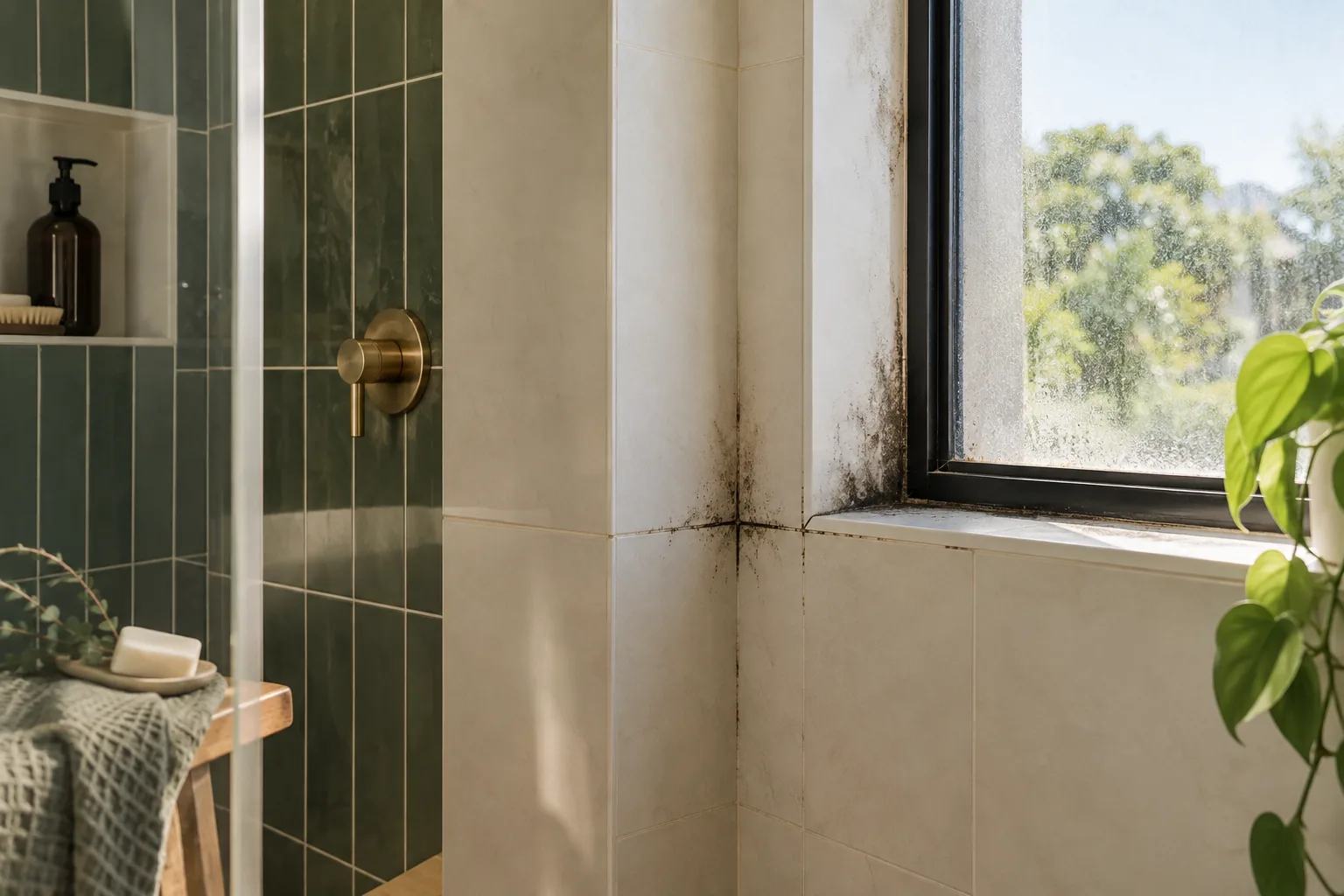
Record whether droplets are present, where nearby surfaces become damp and when they dry. Room occupancy and heating are relevant context.
Marks on a different wall
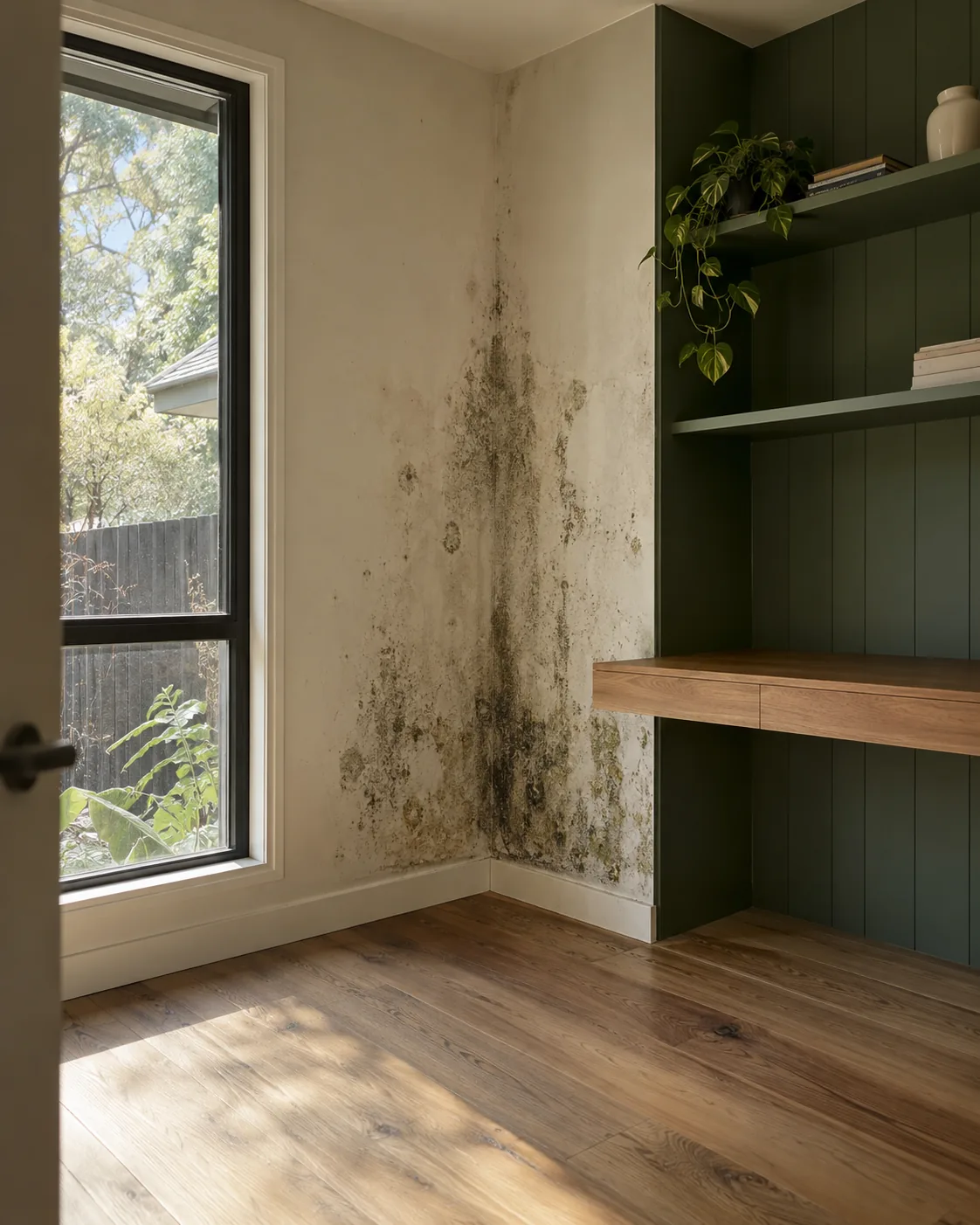
Photograph the bedroom layout so the relationship is clear. A patch away from the window can still require assessment.
Understand what the accessible assessment supports
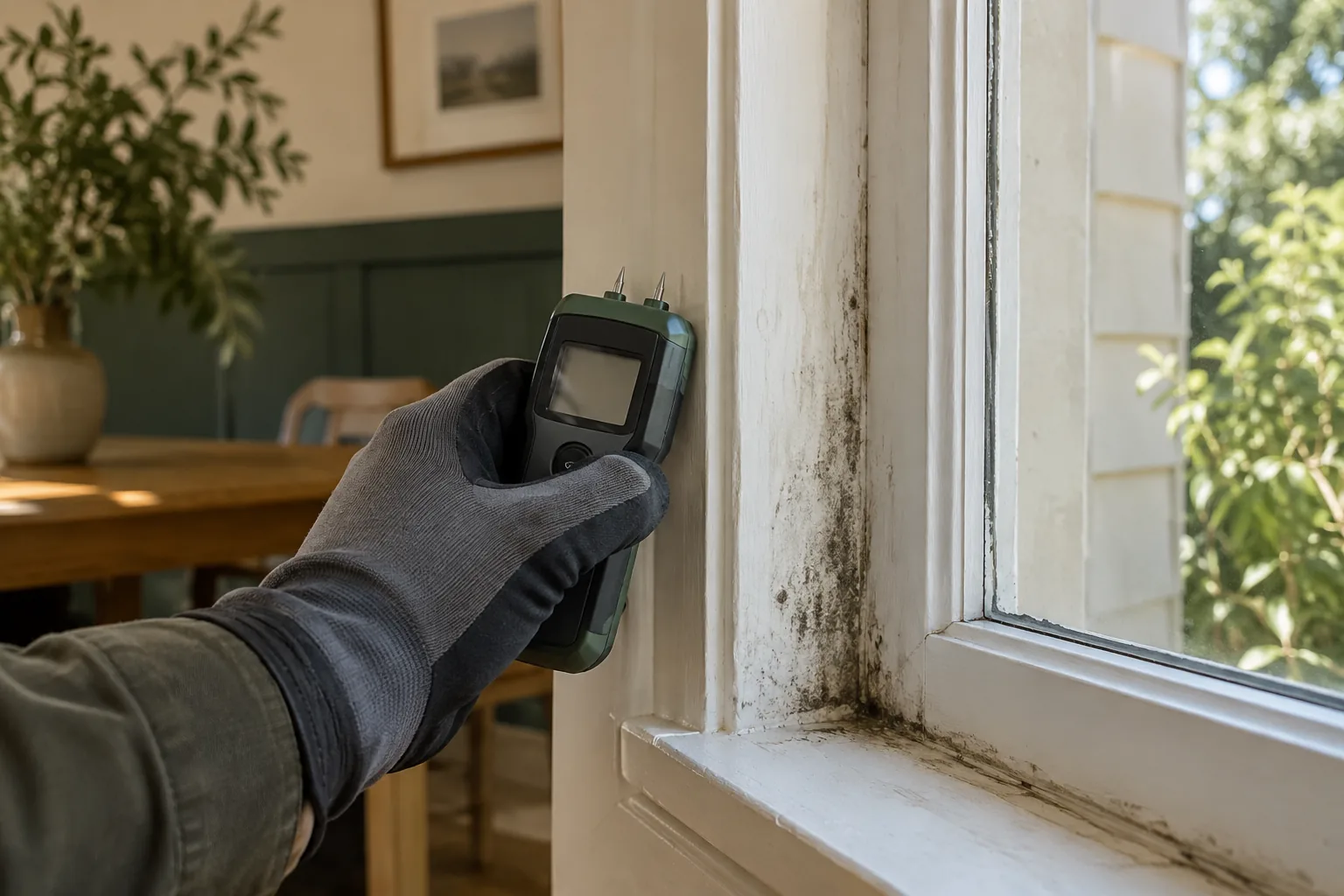
For mould inspection, include dated observations and current wider images. Humidity and moisture checks inform the discussion at attendance. One reading does not reconstruct earlier conditions or establish that concealed insulation and wall spaces are unaffected.
Paint beginning to lift
Explain flaking, swelling or softness before booking. Material deterioration may require separate work. Avoid scraping the surface to improve the photograph; the existing condition helps set realistic treatment and cosmetic expectations.
The bedroom’s clearance
Mention the bed, wardrobe and fixed fittings near affected areas. Furniture and mattresses are excluded. Agree practical access rather than moving bulky belongings alone or expecting room application to treat their surfaces and interiors.
THE SURFACE REMOVAL PROCESS
A planned procedure for agreed surfaces
01
Inspect and agree
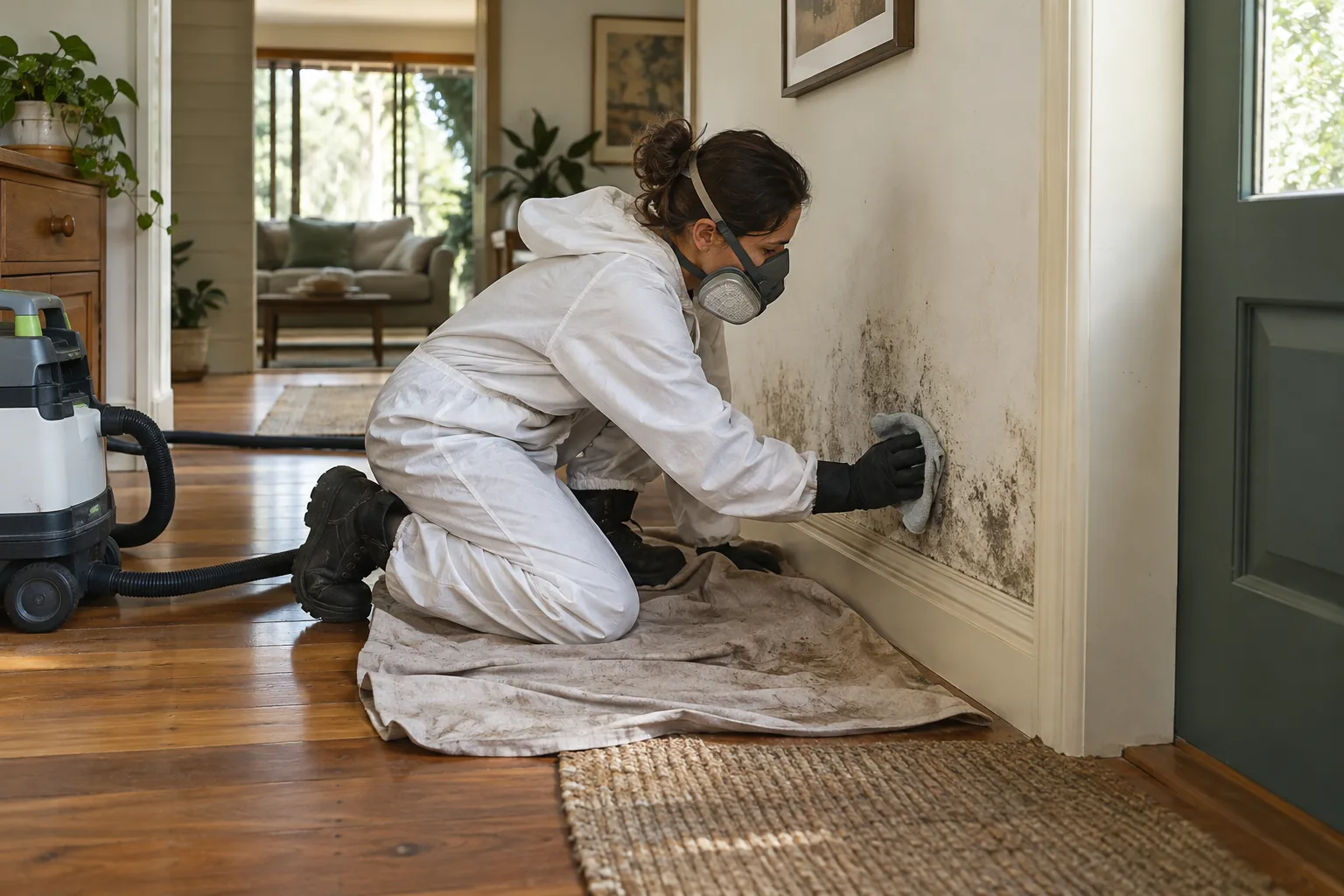
Review visible growth, material condition and relevant readings. Confirm accessible walls, ceilings and hard floors. Record any weak finish or separate source question so the appointment concerns assessed contamination rather than an unstated whole-bedroom restoration.
02
Prepare filtered air
Set up the HEPA air scrubber with suitable power and clearance. Discuss occupant movement and excluded belongings. The room’s daily use means preparation and return arrangements need agreement before work begins.
03
Select appropriate treatment
Suitable HOCl use follows the assessed finish and conditions. Tell the technician about earlier cleaners or coatings. Avoid improvised mixtures; more chemical use does not substitute for understanding the surface or the moisture pattern.
04
Apply the agreed method
ULV application may form part of the appropriate procedure. Confirm people, pets and approved building arrangements first.
05
Remove accessible residues
Professional physical removal uses H-class filtration where required. Work concerns the structural surfaces already agreed. Damaged material and fragile coatings may limit the cosmetic result and need separate repair or decorating decisions.
06
Finish filtration and review
Final air cleaning follows removal. Discuss remaining marks, source concerns and return instructions. Agree what to observe over subsequent mornings so follow-up records distinguish fresh changes from old cosmetic staining.
VISIBLE & ACCESSIBLE
Four bedroom details to show
Window-side wall
Include the opening and adjacent finish. Describe observed droplets without treating their presence as a complete diagnosis.
Opposite wall
Show the affected patch and nearby furniture. Obstacles and different materials may alter the accessible scope.
Ceiling junction
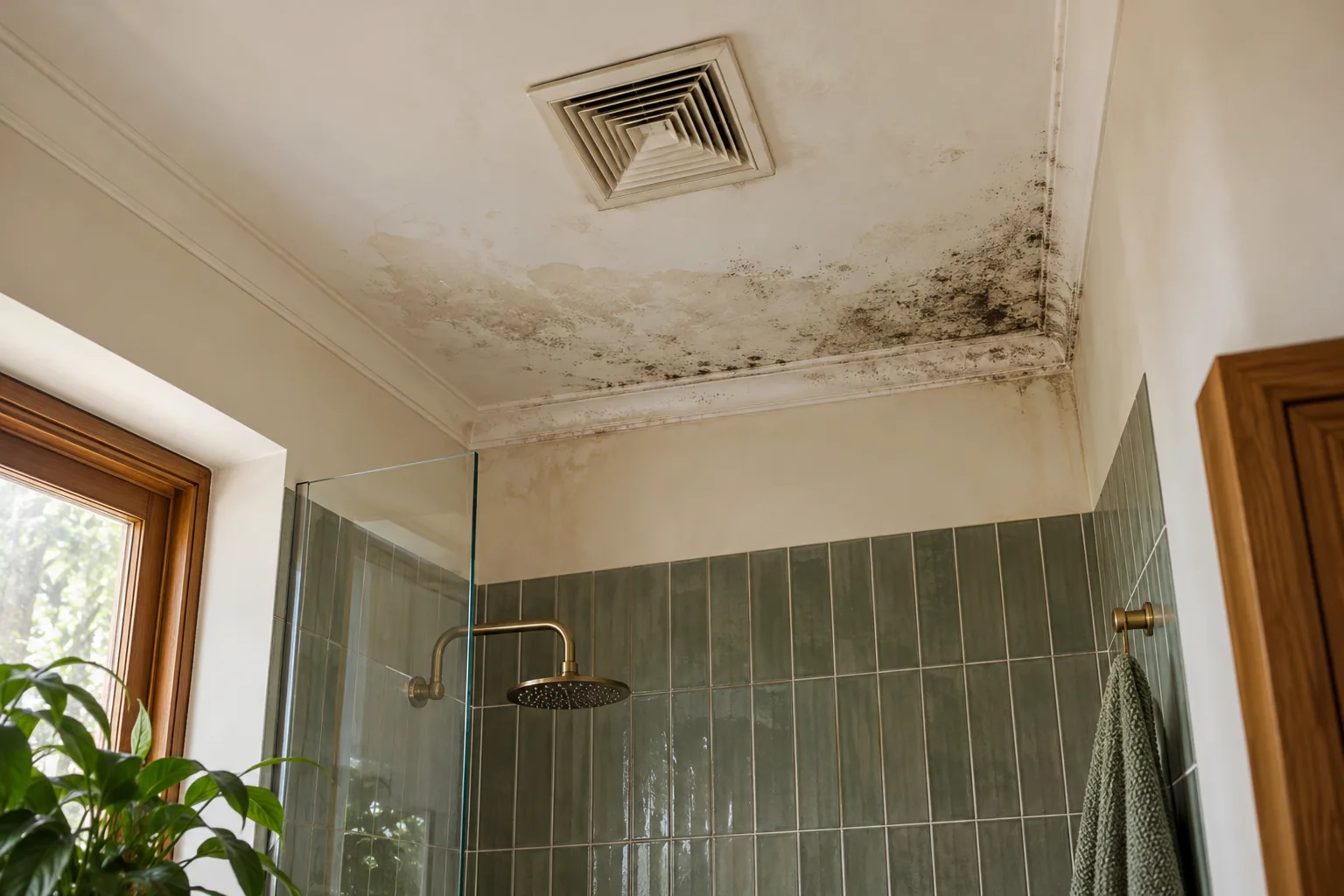
Report known roof or plumbing history. Concealed investigation and source repairs remain separate from visible treatment.
Hard-floor edge
Specify the material and wetness. Carpet, underlay, rugs and the bed are excluded even where dampness affects them.
PREPARATION & LIMITS
Expect treatment with clear limits
The service’s average guide is roughly three hours per room, varying for size, contamination and accessibility. It is not hourly pricing. Discuss the practical appointment rather than assuming a small patch means preparation and filtration can be skipped.
Cosmetic marks may remain after contamination removal. Decorating can be separately quoted once material and moisture issues are addressed. Continued condensation or another unresolved source can permit recurrence, so treatment does not guarantee a permanently clear bedroom.
AFTER THE SURFACE WORK
Track conditions without treating a target as a diagnosis
A household hygrometer can support observation of changing room humidity, but its reading does not identify every source. Record readings with time, use and visible wetness. Avoid interpreting a single apparently comfortable reading as proof that all structural surfaces are dry.
Manage extraction and sensible ventilation for daily activities, and arrange actual leak repairs separately. Remediation addresses existing contamination in the agreed area. The bedroom’s ongoing moisture management and material condition still deserve attention after surface work is complete.
SKYE · NEARBY LOCATION PAGES
Skye and nearby address enquiries
Nearby pages provide navigation through surrounding locations. Confirm the actual Skye address, affected surfaces and room access when calling. Geographical proximity does not establish a provider’s local office, identical building conditions or immediate appointment availability.
BEFORE YOU ARRANGE WORK
Questions for your enquiry.
Does morning condensation prove it caused the wall mould?
No. It is relevant observation, but other moisture sources and material conditions may also need consideration. Describe the pattern and known building history rather than choosing one explanation prematurely.
Can one humidity reading prove the room is dry?
No. A room reading supports assessment at that time, while conditions and surface moisture can differ. Repeated observations provide context but still do not certify concealed material.
Will you treat the mattress beside the wall?
No. Mattresses, furniture, carpets, curtains, clothing and textiles are excluded. Discuss clearance needed to reach the agreed structural surface separately from affected belongings.
Should I scrape the flaking paint beforehand?
Avoid disturbing damaged material simply as preparation. Explain its condition and ask for guidance; separate repair or decorating may be needed after assessment.
Is a dehumidifier a permanent cure?
No permanent cure is promised. Moisture management may help conditions, but it cannot repair water entry or damaged building material and does not guarantee growth cannot return.
How do I distinguish a remaining stain from new growth?
Colour alone is insufficient. Keep dated pictures and describe any change or dampness when asking for follow-up. Cosmetic staining may remain after contamination treatment.
Discuss your Skye address
Call 03 8652 1296 with Skye’s exact address and the bedroom observations. Explain when condensation appears, material damage and known defects so surface work and separate moisture follow-up can be discussed.
Useful references: Official local geographic reference