
SURFACE TREATMENT · MOISTURE FOLLOW-THROUGH
Mould Remediation Eumemmerring
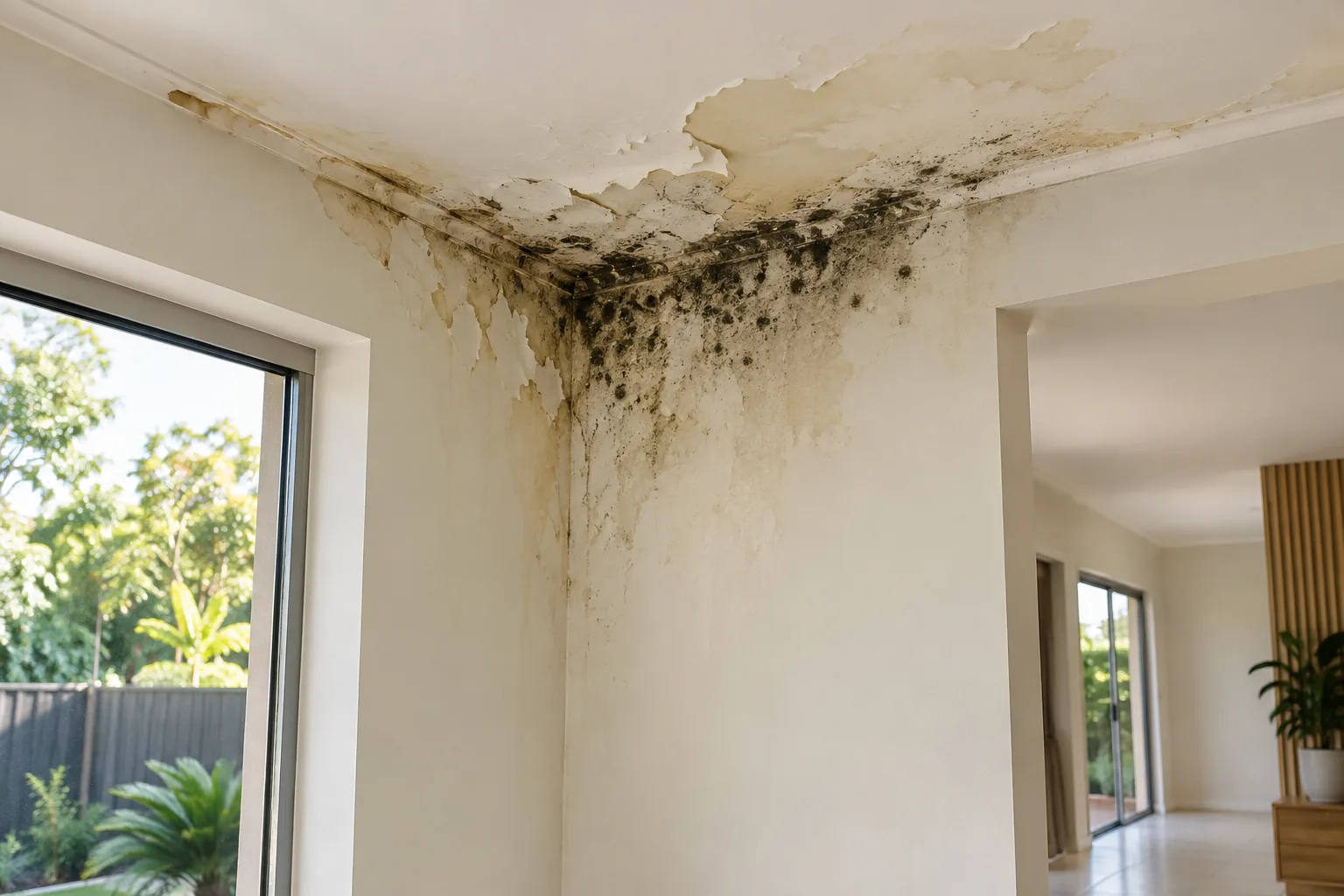
A ceiling patch beside a light or other fitting needs a clear boundary. For Eumemmerring, describe the visible structural growth and the fitting’s position from a safe place. Do not dismantle anything to investigate; access and any separate trade requirement need discussion before treatment.
Fitting boundary explained
Safe observations used
Separate trade tasks identified
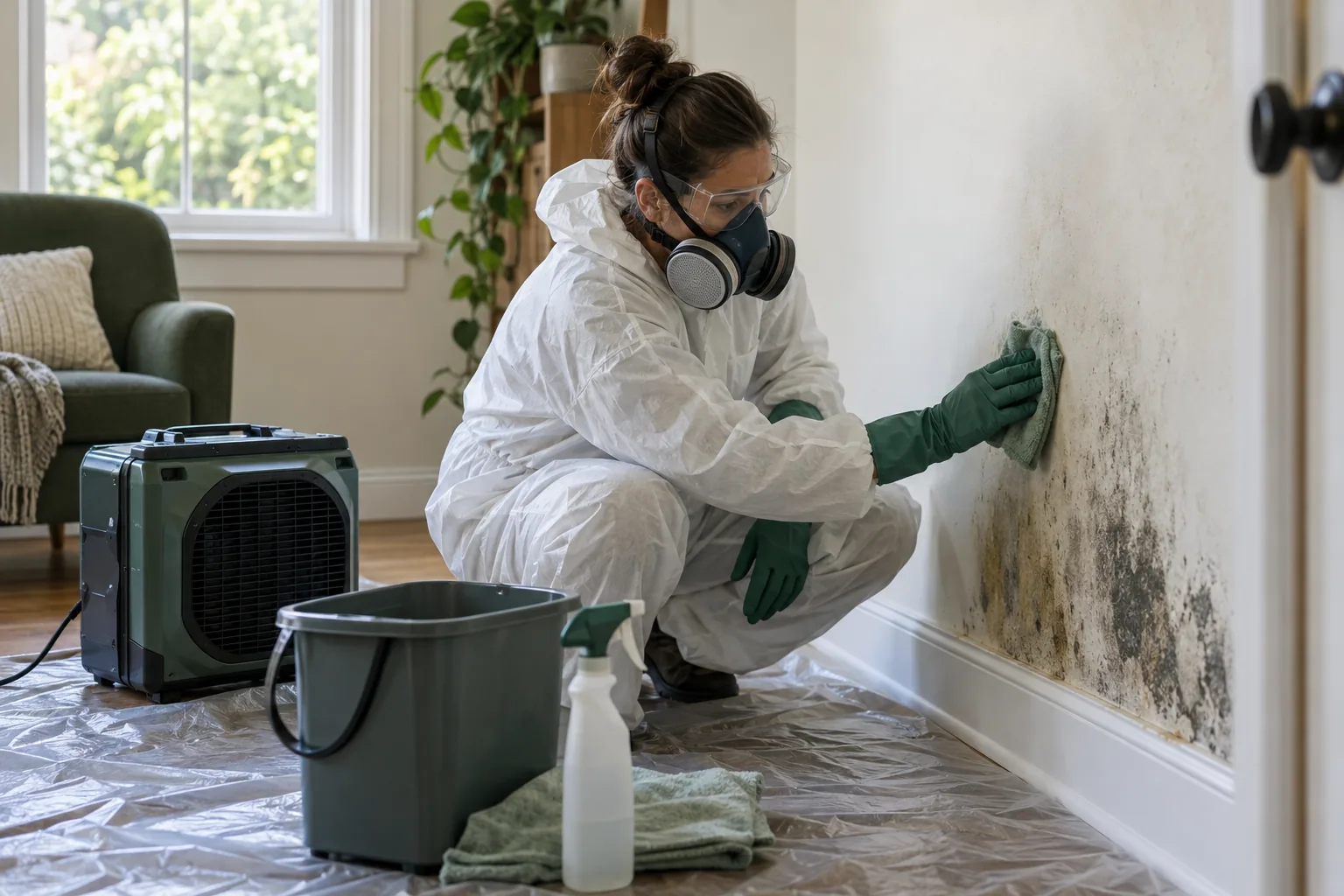

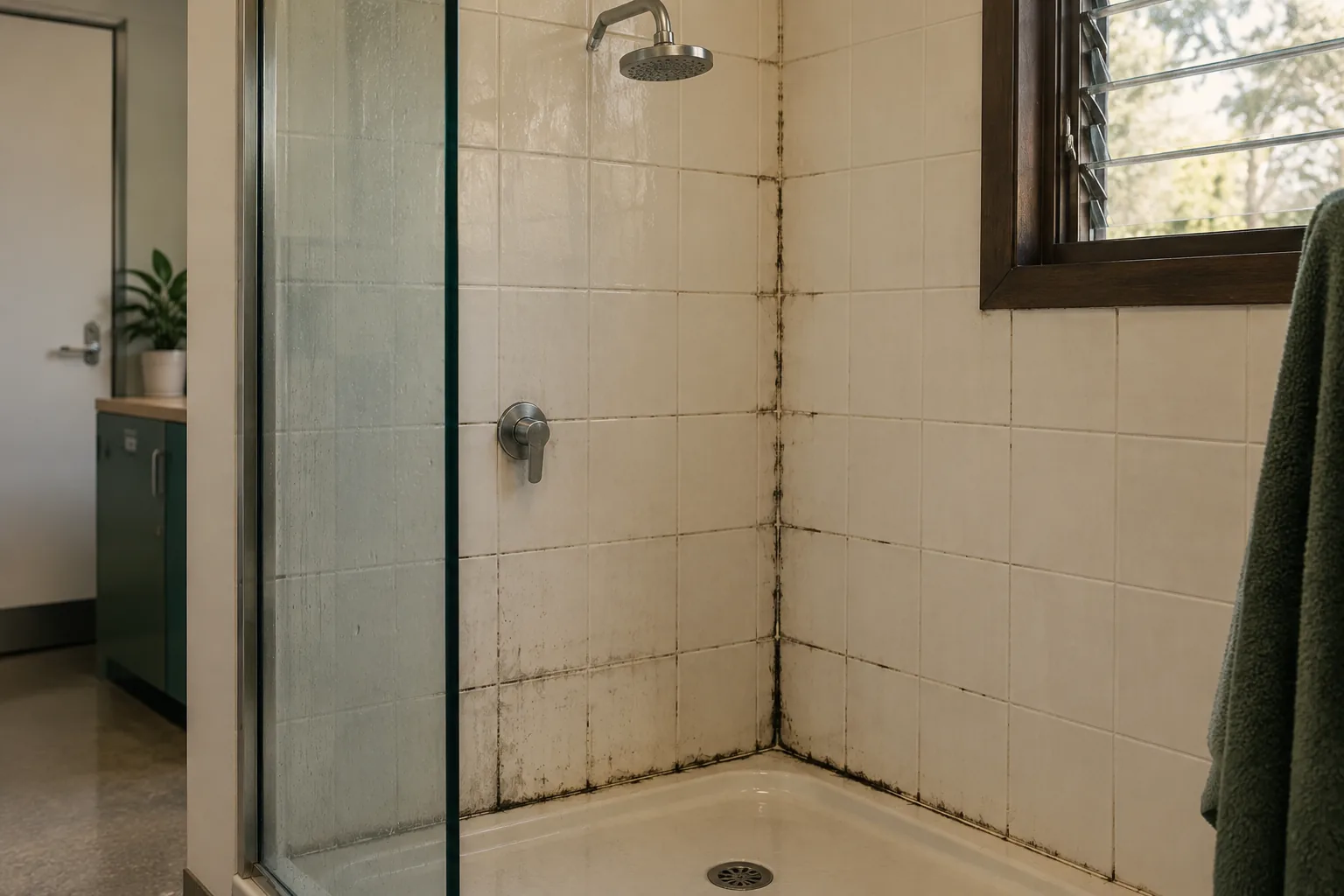
TREATMENT & FOLLOW-THROUGH
UNDERSTANDING REMEDIATION
Describe the ceiling without opening it
Mention the patch’s position, approximate extent and obstructions beneath it. Explain known dripping or recent fitting work if relevant, without assuming the fitting caused the growth. Do not remove covers or climb improvised supports merely to produce a closer photograph.
The confirmed structural treatment concerns visible accessible walls, ceilings and floors. Electrical work, fitting removal and concealed-ceiling investigation are not automatic inclusions. Agree the workable surface and any separately authorised preparation before counting the entire ceiling space within scope.
THE MOISTURE CONNECTION
Keep water observations separate from electrical diagnosis
Describe wetting, condensation or leak history near the affected area. The location of a mark does not establish an electrical fault or the source of moisture. Plumbing, building and electrical questions need the appropriate separate responsible trade.
The professional hygrometer measures relative humidity in room air, not moisture inside a fitting or ceiling construction. If cause or concealed condition remains uncertain, discuss assessment needs. No material scanner, destructive access or electrical certification is confirmed.
PLAN · FILTER · TREAT · REMOVE · CONTINUE
Treatment of the agreed ceiling surface
1
Review visible scope and access
Assessment identifies reachable contamination and the nearby fitting boundary. Explain any separate work needed before the technician can access the included structural surface.
2
Set air filtration before application
The confirmed HEPA air scrubber is established before treatment. Its placement needs a clear route and workable room access around the proposed ceiling task.

3
Apply suitable treatment
HOCl application is part of the process, with ULV dry fog where appropriate in most cases. This does not add treatment inside fittings or guarantee concealed-space coverage.
4
Physically remove accessible growth
Professional equipment with H-class filtration is used on visible mould within scope. Removing fittings, replacing ceiling board and electrical repair remain separate arrangements.
5
Continue air cleaning afterwards
HEPA runs during and after remediation. Confirm return advice and discuss remaining cosmetic marks or moisture questions without treating completion as an electrical or cavity clearance.
Describe additional surfaces independently
Walls
For walls, identify growth below or beside the ceiling area without assuming moisture has followed a particular path.
Ceilings
For ceilings, distinguish exposed board from the fitting and concealed space; seeing an opening does not establish included access.
Bathrooms
Bathroom structural growth needs its own scope, with towels and mats excluded from treatment.
Kitchens
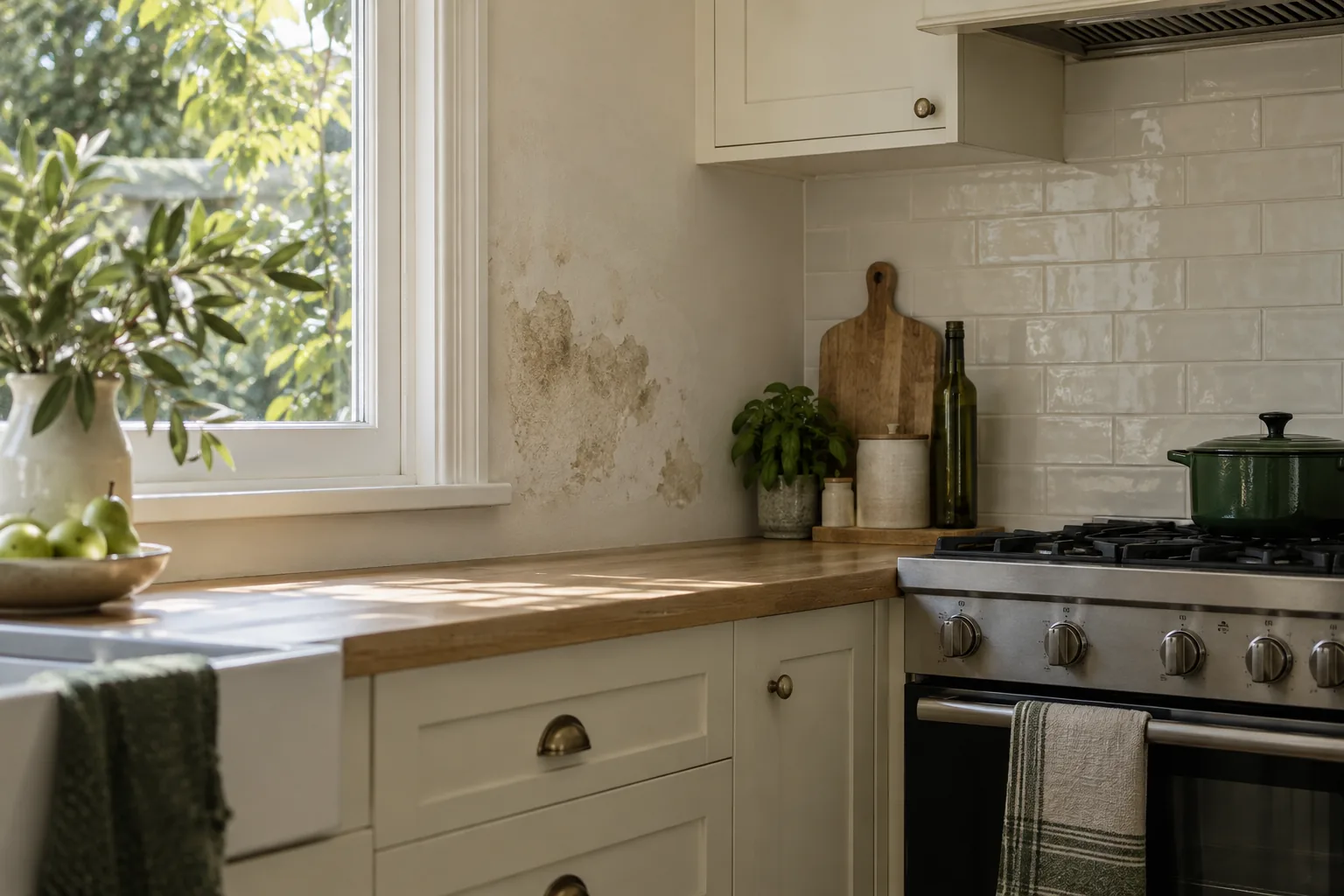
Kitchen wall or ceiling areas should be listed separately from appliance and plumbing concerns.
Accessible affected surfaces
An exposed structural floor can be considered, but carpet, rugs and furnishings underneath the patch are not included textiles.
WHAT TO EXPECT
Arrange preparation through the responsible person
Discuss access and any separate trade programme before changing fittings or moving delicate items. People and pets leave during treatment, following specific departure and return instructions. Approximately three hours per room is average guidance, varying with extent, size and accessibility; it does not include an assumed electrical-work timetable.
Residual stains may remain and decorating is separate. Hidden materials are not certified dry, and persistent dampness can allow recurrence. Keep the included surface and unresolved repair questions clear so a cleaner ceiling appearance is not presented as proof that the fitting or concealed construction is unaffected.
FOLLOW THE MOISTURE
Keep follow-up within safe observation
Monitor the visible structural area without opening fittings or construction.
Note new wetting or visible change and pass repair concerns to the appropriate trade.
Arrange advice for continuing water entry rather than relying on surface treatment alone.
Maintain ventilation and describe recurrence with its location and timing.
Quote the structural task separately
The pricing page uses Mould Removal examples. Explain the ceiling boundary, fitting and access when confirming applicability to remediation. No electrical service, fitting replacement or concealed-ceiling package is established in those figures.
EUMEMMERRING · EXACT ADDRESS & ACCESS
Other addresses around Eumemmerring
For a nearby property, describe its own visible surfaces, fittings and authorised access. A similar ceiling patch does not establish the same cause or treatment programme; attendance availability requires direct confirmation.
Questions about remediation
Should I remove the light cover before calling?
Do not dismantle a fitting merely for the enquiry. Describe the visible area and discuss any separately authorised preparation with the responsible trade.
Does a mark beside a light prove an electrical problem?
No. Its position does not diagnose an electrical fault or moisture source; keep the observations and repair questions distinct.
Is treatment inside the fitting included?
No fitting-interior treatment is confirmed. Agree the accessible structural surface rather than assuming concealed components are covered.
Will the technician replace damaged ceiling board?
Replacement is not an automatic remediation inclusion. Discuss it as a separate repair scope.
Can room humidity show that the fitting is dry?
No. Air relative humidity does not measure moisture inside a fitting or certify electrical condition.
What if a repairer later opens more ceiling?
Newly exposed areas need a further scope discussion. The earlier visible-surface appointment cannot be assumed to include contamination concealed at the time.
Agree the ceiling boundary before preparation
Call 03 8652 1296 with the visible patch, fitting location and repair history. Clarify treatment and the separate trade tasks.