
VISIBLE SURFACES · AGREED TREATMENT
Mould Remediation Jolimont
If you are repainting a marked room in Jolimont, settle the mould and moisture questions before booking the decorator. Covering a patch changes its appearance but does not establish that contamination has been treated or a leak has stopped. Discuss the exposed finish and any recent wetting first.
Plan treatment before decorating
Separate contamination from cosmetic marks
Agree preparation around the exposed finish

TREATMENT · FILTRATION · FOLLOW-THROUGH
A TREATMENT PLAN WITH CLEAR LIMITS
A treatment decision before a new finish
Describe the wall finish and whether it is sound, peeling or soft. Avoid sanding a suspicious patch to improve its appearance. Show the accessible area and explain previous cleaning, painting or repairs.
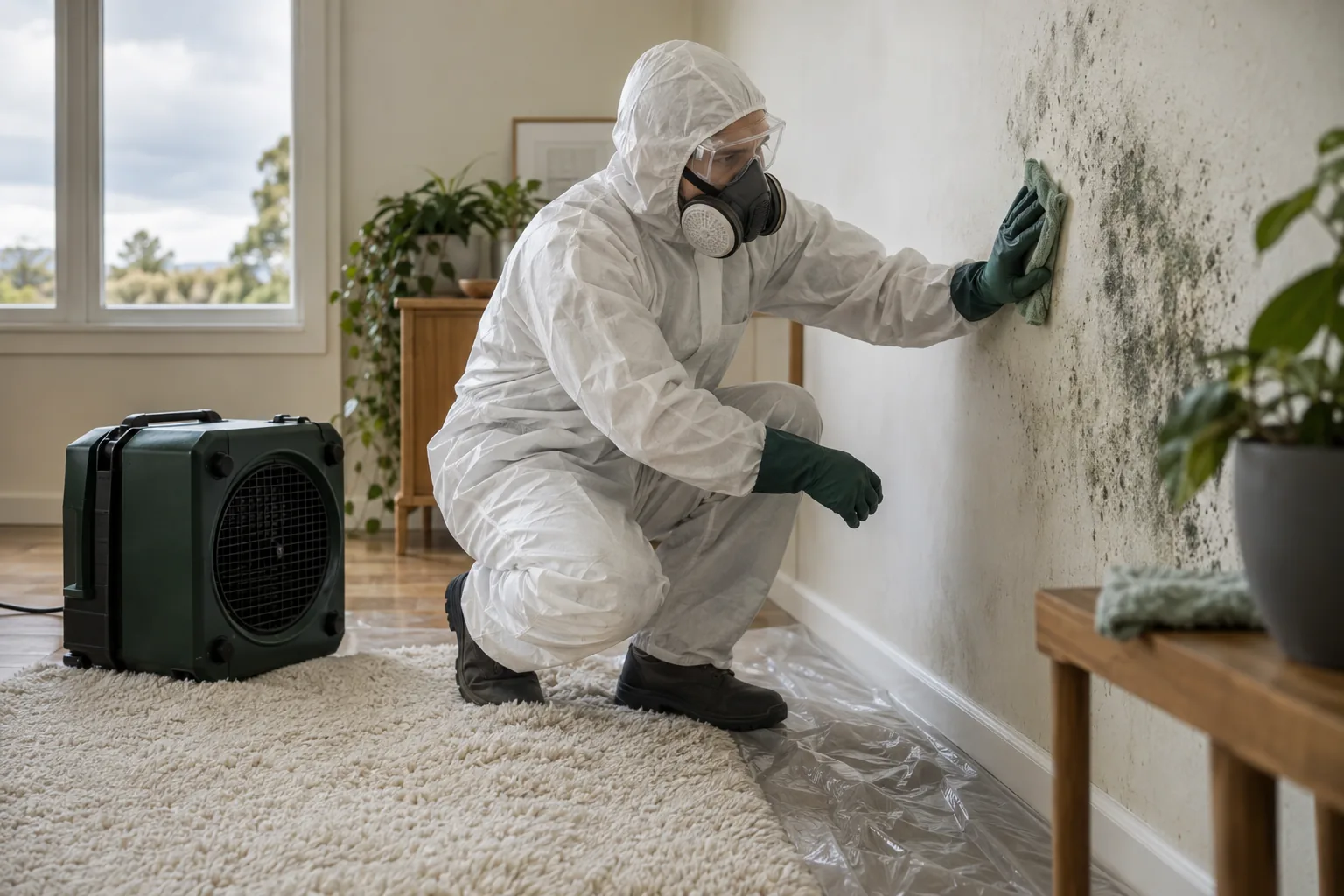
The remediation process addresses contamination through assessment, treatment and removal. Paint and plaster restoration are separate. Agree the sequence before booking a decorator while dampness or access questions remain.
MOISTURE COMES FIRST
Look beyond whether the paint feels dry
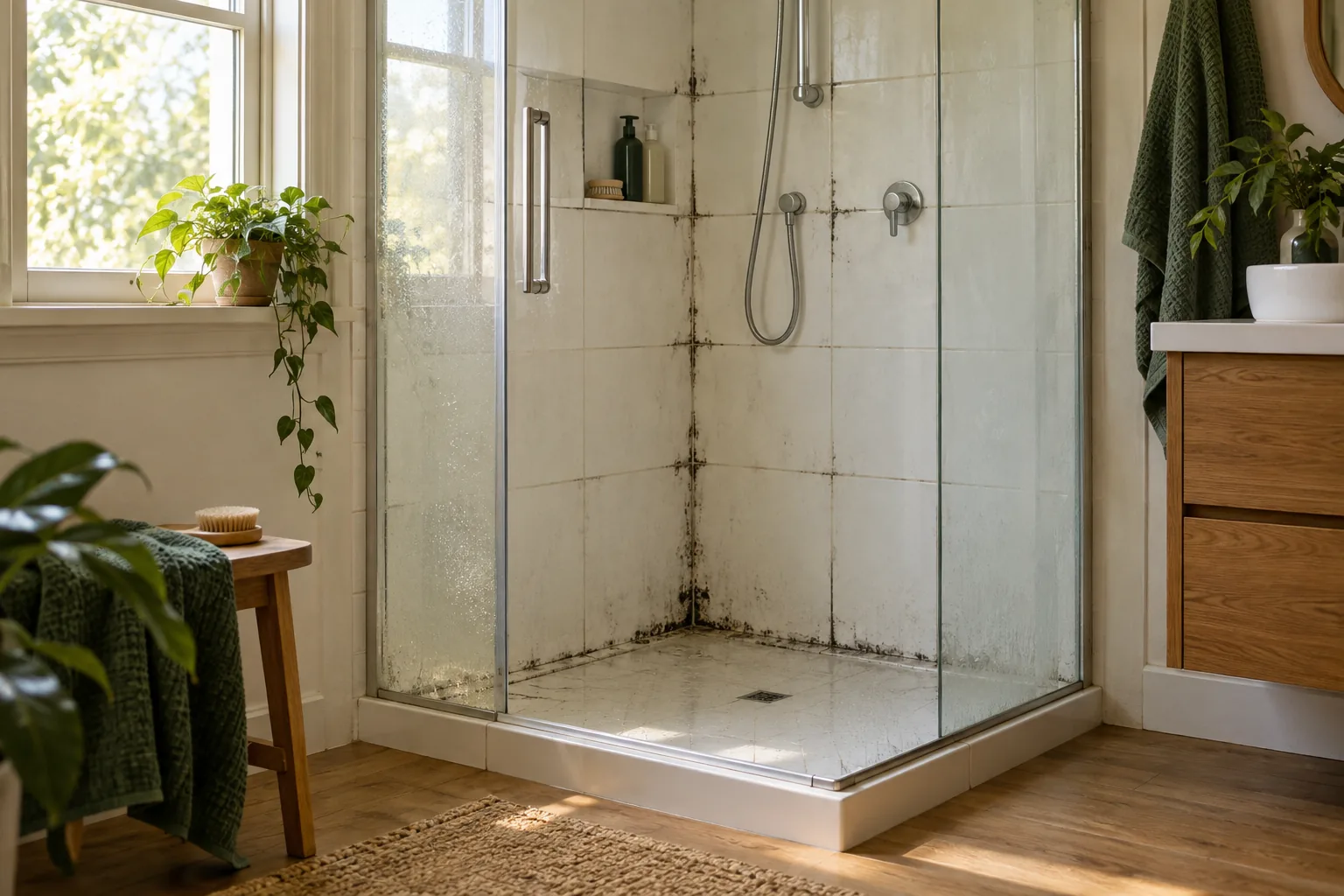
Keep a simple account of when dampness was noticed, including rain, a plumbing incident or condensation, without assuming one of those is the cause. The confirmed professional hygrometer provides room-air relative humidity information, rather than proof that the wall material or concealed space has dried.
Discuss visible accessible assessment if the cause is uncertain. Leak repairs are separate. Ask the responsible repairer what needs checking before damaged finishes are covered.
FROM PREPARATION TO FOLLOW-THROUGH
Treatment with the future finish in mind
1
Review the visible finish
Point out every exposed patch and explain previous cleaning or paint layers. The assessment establishes the accessible treatment scope and any finish concerns that need attention from another trade.
2
Prepare air filtration
A HEPA air scrubber is established before treatment begins. Leave adequate working space as agreed; the equipment supports air protection during work without promising a completely spore-free room.
3
Apply appropriate HOCl treatment
The technician uses HOCl within the assessed plan. ULV dry fog may form part of the application where suitable, as it does in most cases, but inaccessible cavities are not automatically included.
4
Physically remove visible mould
Professional H-class filtered equipment is used for removal. Discuss delicate or deteriorated finishes beforehand; physical removal is not a promise that the original colour or paint texture will be restored.
5
Complete air cleaning and review
HEPA filtration continues during and after the process. Discuss residual marks, separate decorating needs and the job-specific instructions for returning, rather than assuming treatment has completed every restoration task.
Different finishes need different conversations
Walls
Tell the technician about bubbling paint, wallpaper or a recently patched section. An accessible wall still needs its material and condition considered.
Ceilings
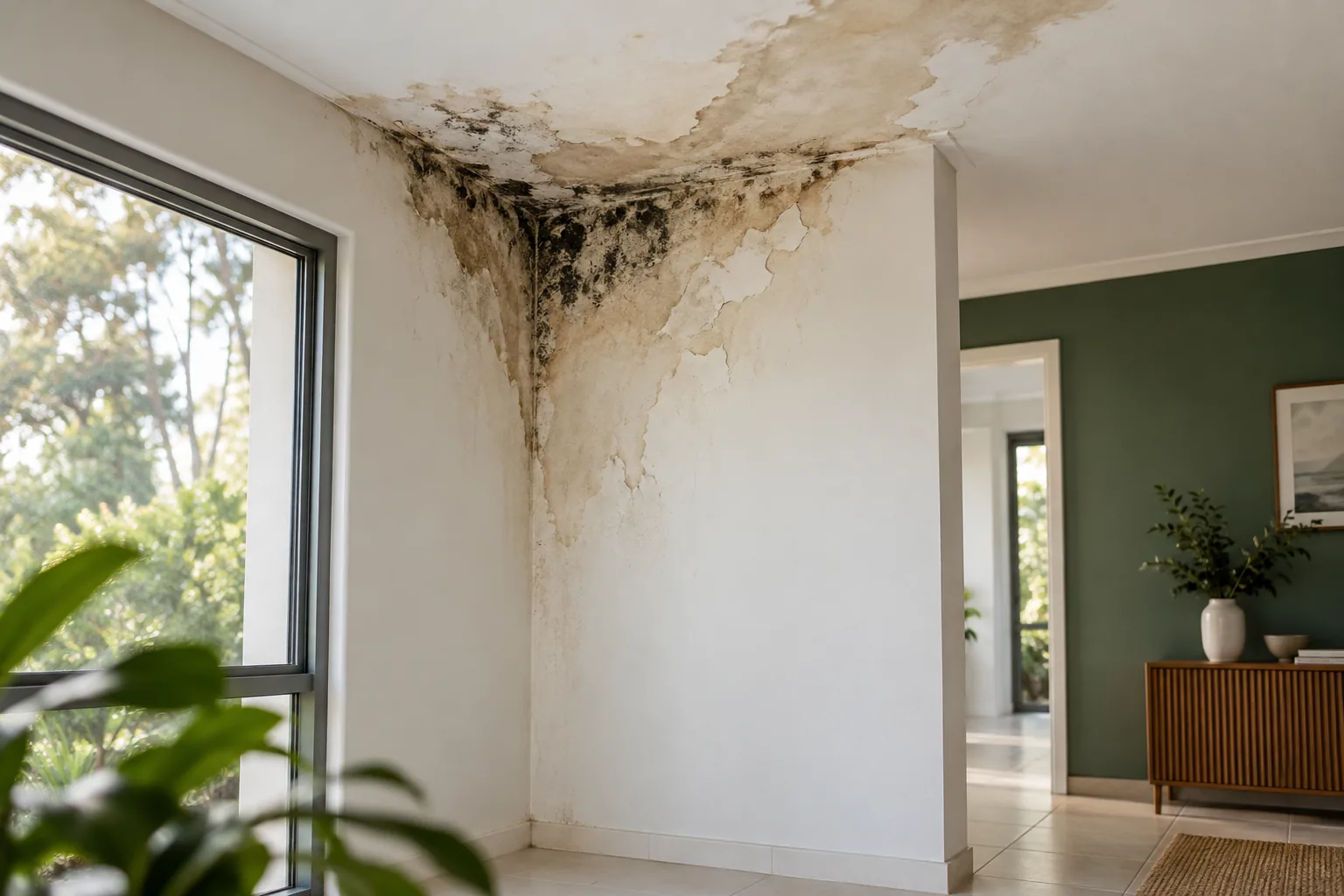
An overhead stain can outlast a repaired leak. Describe its history and any continuing wetting before treating the exposed ceiling.
Bathrooms
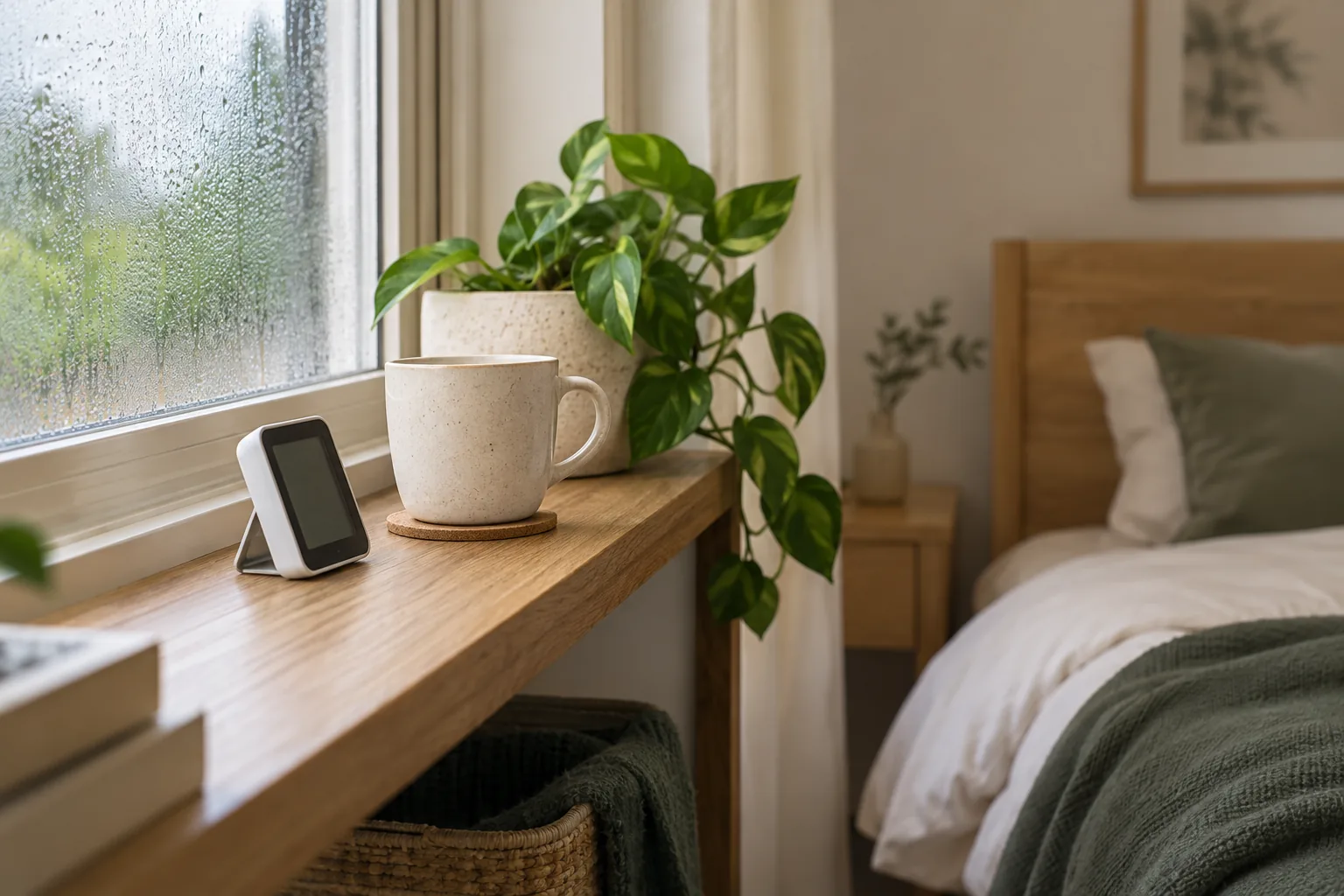
Separate mould on the wall or ceiling from marked towels and other excluded textiles. Recurrent moisture after showering deserves its own prevention discussion.
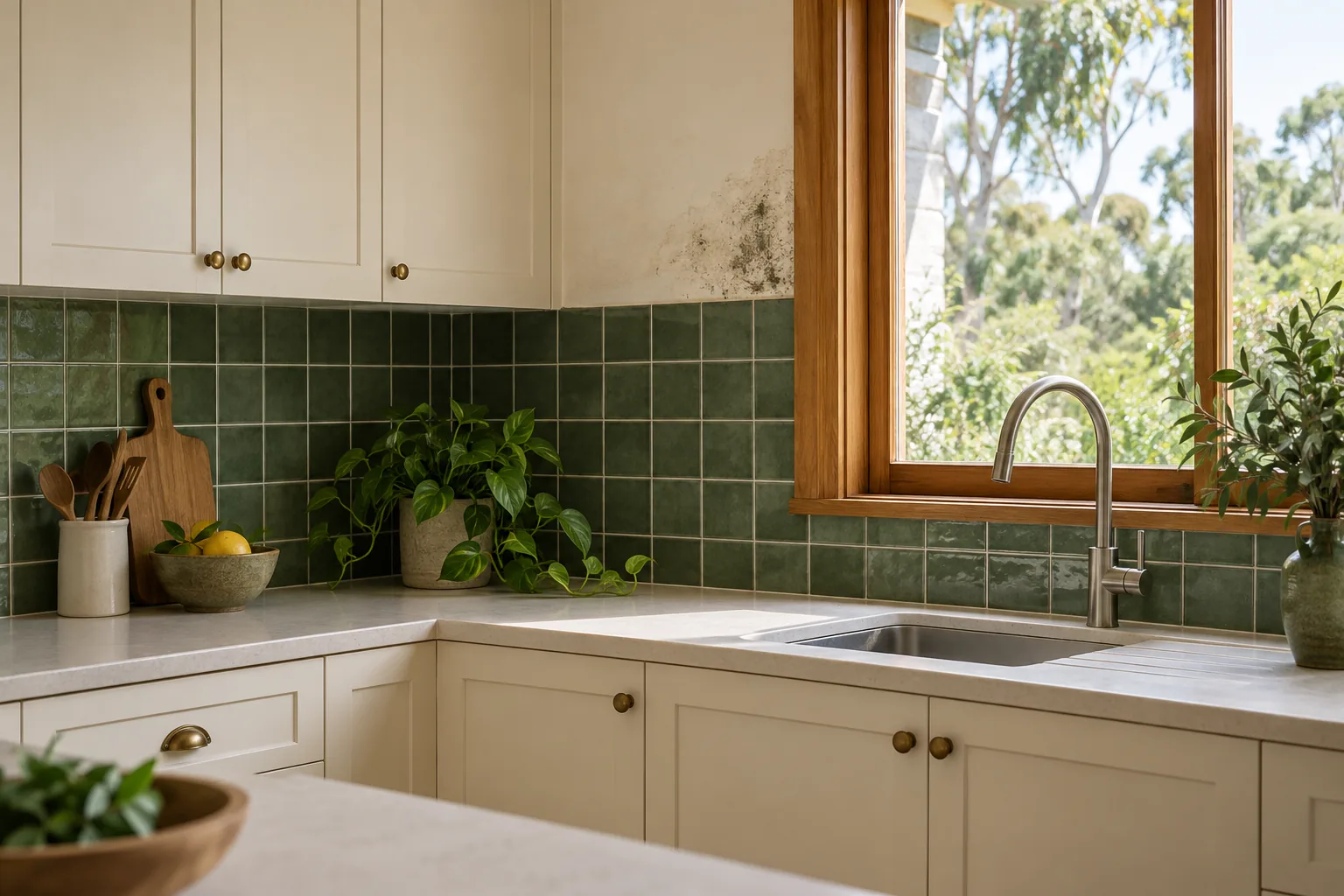
Kitchens
Identify the structural wall behind a splashback or beside a sink. Access behind fixed fittings is not assumed to be part of the booking.
Accessible affected surfaces
For an exposed floor, mention the finish and any lifting edges. Carpet and furniture require separate decisions rather than inclusion in structural treatment.
PREPARE FOR THE ACTUAL JOB
Arrange preparation before arranging the painter
Declutter as agreed and discuss fragile belongings. People and pets leave during treatment; confirm departure and return instructions. About three hours per room is average guidance, varying with size, contamination and access. The service is not hourly based.
Some marks remain as cosmetic staining after treatment, and decorating is separately quoted. Ask what has been treated and what still needs a repair or finish decision. Neither a room-air reading nor a neat paint surface confirms the condition of insulation or other hidden material.
AFTER THE TREATMENT
Give the new finish a better starting point
Before repainting, organise the separate response to continuing water or condensation. Treatment and decoration cannot substitute for that work.
Report any fresh wet patch before the finish is covered.
Use bathroom and kitchen extraction suited to the room.
Monitor recurrence and record dates rather than repeatedly painting over it.
Keep treatment and decorating quotes distinct
Explain the affected area and finish condition when asking about cost. Check pricing applicability for remediation; the published room examples are labelled Mould Removal. A repainting quote is separate and should not be assumed to be part of the treatment price.
JOLIMONT · EXACT ADDRESS & ACCESS
Treatment enquiries near Jolimont
Provide the Jolimont premises address and authorised access contact. Proximity does not establish availability or permission to work.
Questions about remediation
Should I repaint first to seal the patch?
No; discuss the mould and moisture issue before covering it. A new finish can conceal evidence without resolving contamination or the reason the surface became damp.
Can the decorator remove peeling paint during remediation?
Simultaneous paint removal is not an assumed inclusion. Discuss suitability and separate trade sequencing first.
Does a remaining brown mark mean treatment failed?
Not necessarily. Cosmetic staining can remain after treatment. Ask about the surface condition and report renewed growth or wetting so those issues are considered separately.
Will you rebuild soft plaster?
Structural restoration is outside the confirmed standard scope. Mention soft or damaged lining early so the appropriate repair or further investigation can be discussed.
When can I book repainting after treatment?
Confirm the sequence for the actual finish and moisture problem with the relevant trades.
Can a humidity reading certify the wall is ready for paint?
No. Room-air relative humidity is not a certificate of dryness inside the wall. Ask the responsible repairer or decorator what checks their finish decision requires.
Plan the treatment before the finish
Call 03 8652 1296 to discuss your Jolimont room, previous work and any continuing dampness. Agree the treatment scope before organising the next stage of decorating.