
SURFACE TREATMENT · MOISTURE FOLLOW-THROUGH
Mould Remediation Notting Hill
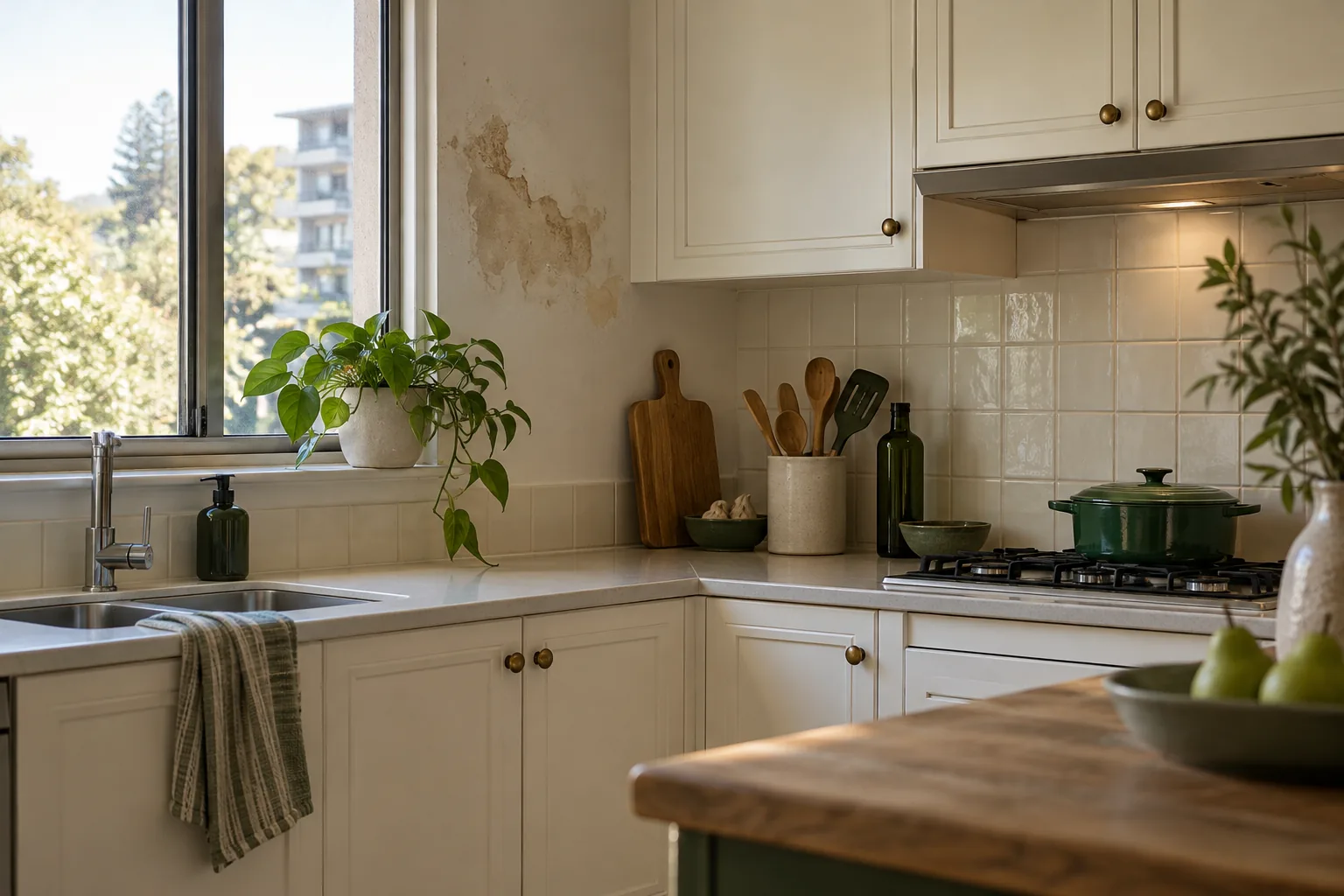
An affected room may have been closed for some time, leaving an outdated description of the patch. For Notting Hill, explain what you can currently observe and who can provide access. A booking needs a present structural scope, not an assumption that the earlier photograph still shows the full condition.
Current condition described
Keys and access confirmed
Unused-room scope clarified
TREATMENT & FOLLOW-THROUGH
UNDERSTANDING REMEDIATION
Use current observations without disturbing the area
Mention when the room was last accessed and whether the visible patch has changed. Describe obstructions from a safe accessible position; do not enter merely to rearrange suspect contents for a better photograph. Explain any limits on what can presently be seen.
The structural treatment service concerns visible accessible walls, ceilings and floors. A locked room is not automatically a whole-room contents service. Agree authority, keys and preparation so the technician can reach the actual included surfaces.
THE MOISTURE CONNECTION
An unused room still has moisture questions
Provide known leak history, condensation observations or continuing dampness rather than assuming lack of use caused the growth. A closed door does not identify the source or repair it. Building and plumbing faults remain separate from remediation of the existing contamination.
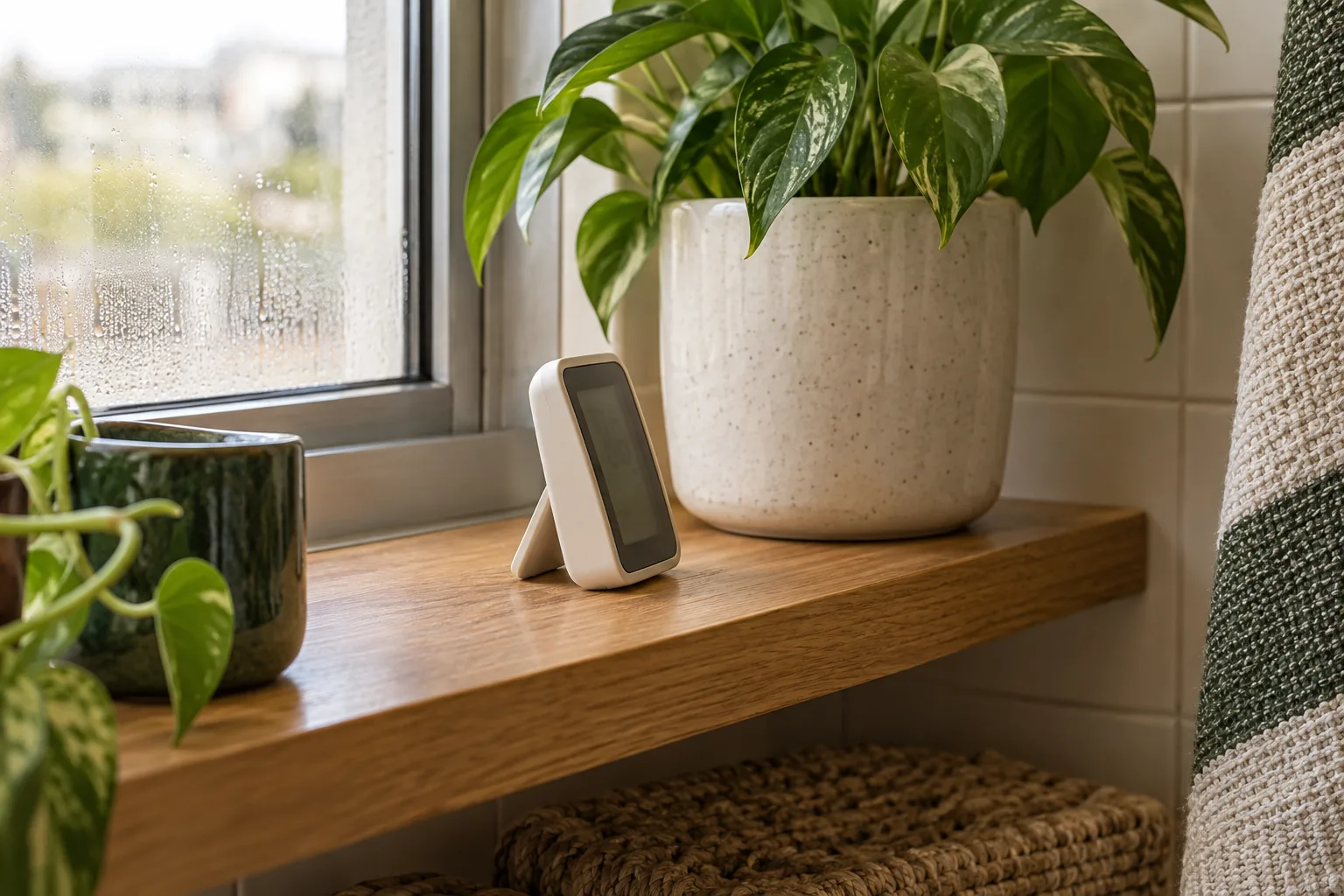
A professional hygrometer measures relative humidity in room air, not moisture inside stored items or construction. If the cause or current extent remains uncertain, discuss assessment options without expecting a hidden-cavity survey, species test or written clearance.
PLAN · FILTER · TREAT · REMOVE · CONTINUE
Treatment after access is arranged
1
Review the current visible scope
Assessment identifies reachable contamination and any preparation still required. Explain what has changed since the earlier photograph so the working boundary is not based on outdated information.
2
Set filtration before application
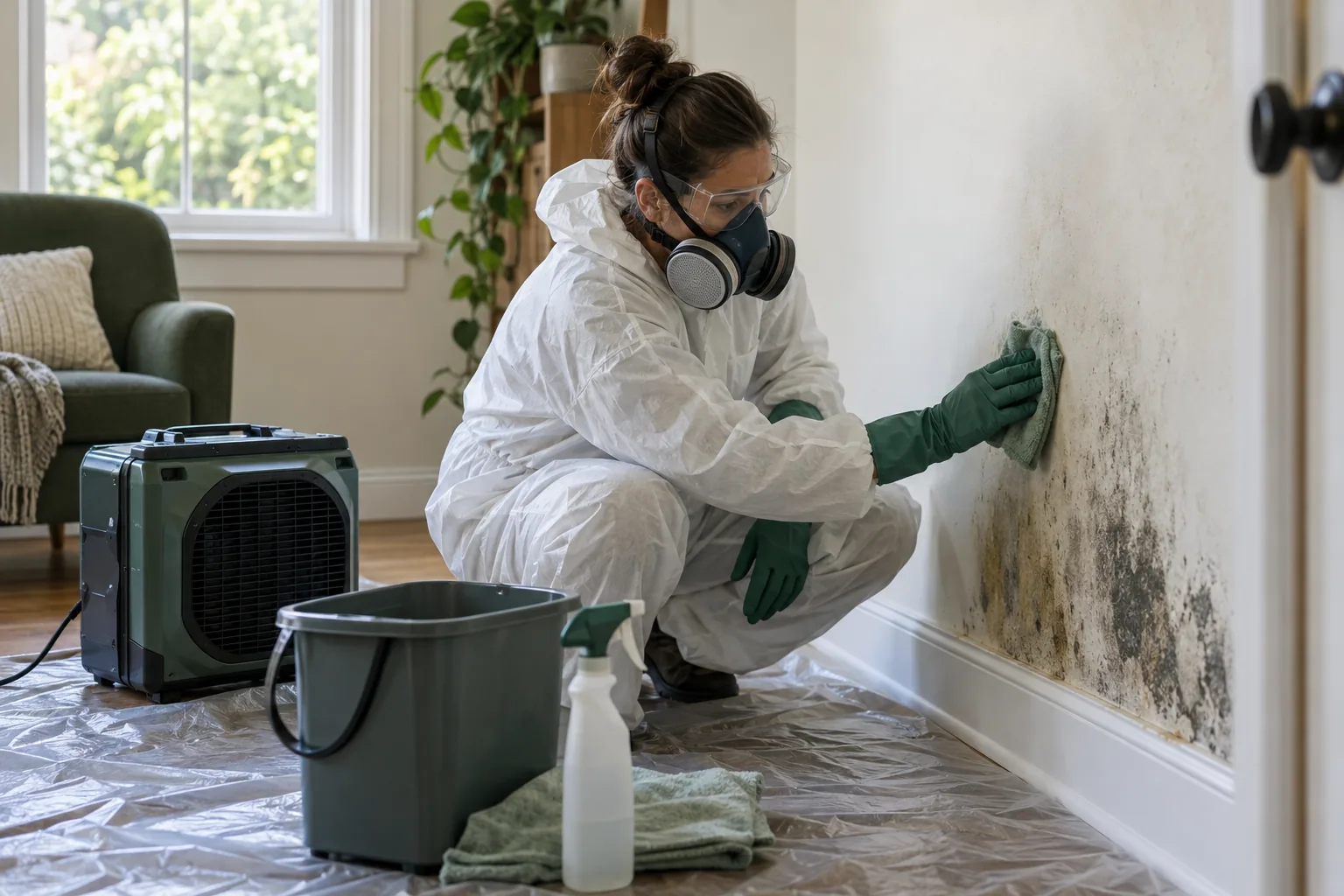
The room’s treatment plan starts with the confirmed HEPA air scrubber before application. Equipment placement needs access through the property as well as inside the room.

3
Apply suitable surface treatment
HOCl is used, with ULV dry fog where appropriate in most cases. A closed-room history does not establish suitability for every finish or concealed area.
4
Physically remove visible mould
Professional H-class filtered equipment removes accessible growth. Stored furniture, mattresses and textiles remain separate from the structural treatment boundary.
5
Continue the air-cleaning process
HEPA remains in use during and after treatment. Confirm return advice, remaining marks and moisture follow-up before deciding how the room will be used again.
Describe the surfaces you can see
Walls
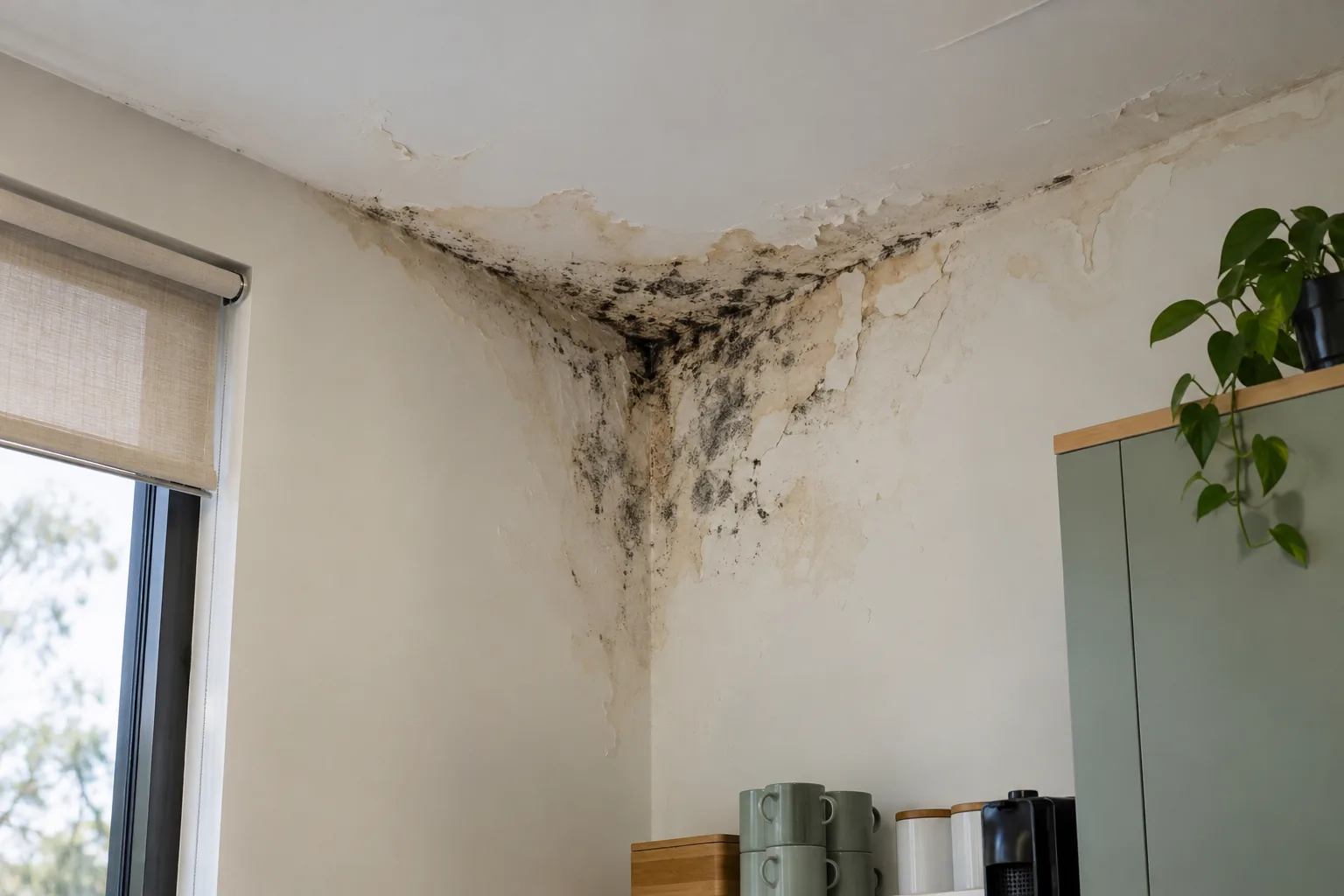
For walls, identify visible patches and say which parts are hidden by stored items rather than implying those areas have been assessed.
Ceilings
For ceilings, note any separate growth and obstructions beneath it that affect workable access.
Bathrooms
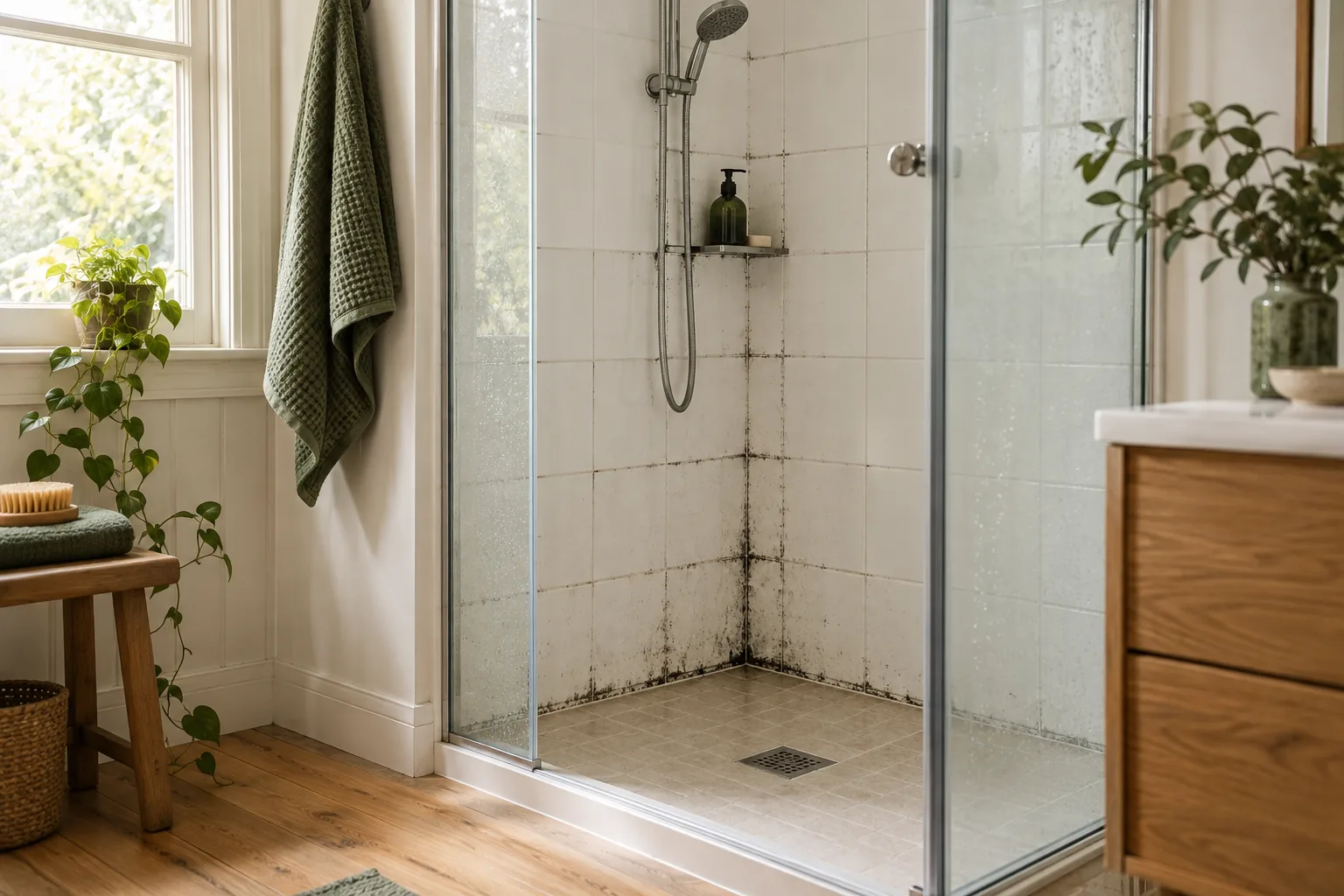
Bathroom wall or ceiling contamination elsewhere needs its own scope; textiles stored there remain excluded.
Kitchens
Kitchen structural patches should be listed independently from appliance or cupboard concerns.
Accessible affected surfaces
An exposed structural floor can be discussed, but carpet, rugs and clothing left in the room are outside the confirmed textile scope.
WHAT TO EXPECT
Prepare access beyond the key
Agree the route, room clearance and fragile belongings before the appointment. People and pets leave during treatment, with job-specific instructions for departure and return. Indicative average duration is around three hours per room, varying with size, extent and accessibility; time since last use does not create a fixed programme.
Cosmetic staining may remain and decorating is separate. Treatment does not certify concealed areas dry or guarantee that a reopened room will remain unaffected. Record which structural surfaces were included so future use and monitoring are based on the actual work rather than a general claim that the room is cleared.
FOLLOW THE MOISTURE
Make the reopened area easy to monitor
Follow-up should not depend on leaving the room closed again.
Note new dampness or visible change when the space is accessed.
Arrange appropriate repair advice for an identified water-entry problem.
Maintain ventilation and keep the included structural area reasonably observable.
Quote against the current accessible condition
The price page lists Mould Removal examples, not a confirmed locked-room remediation package. Explain the current patch, stored items and access arrangements when asking how the figures apply. Contents clearance and an additional visit should not be assumed included.
NOTTING HILL · EXACT ADDRESS & ACCESS
Another address around Notting Hill
A separate nearby property needs its own keys, approval and current surface description. Shared ownership or a similar unused-room situation does not guarantee combined access or appointment availability.
Questions about remediation
Is an old photograph enough to define the job?
It can help explain history, but describe the current visible condition and any changes. Do not assume the earlier image establishes today’s extent or access.
Can the technician work with only a key left outside?
Confirm access, authorisation and appointment arrangements first. A key alone does not establish the agreed treatment scope or preparation.
Should I empty the room before enquiring?
Discuss clearance before moving suspect or difficult belongings. Describe what blocks the structural area and ask what preparation is suitable.
Does an unused room require whole-property fogging?
No such inclusion follows from lack of use. Agree the accessible surfaces and appropriate application for the actual job.
Will treatment certify the stored contents unaffected?
No. Structural remediation does not test or clear furniture, mattresses, textiles or other stored belongings.
Can I close the room again and forget the moisture issue?
Continuing moisture still needs follow-up. Maintain ventilation and monitoring rather than relying on a closed door or the treatment appointment to prevent recurrence.
Arrange access to the current condition
Call 03 8652 1296 with the visible patch, room access and authorisation. Agree preparation and treatment before bringing the space back into use.