
VISIBLE SURFACES · AGREED TREATMENT
Mould Remediation Westgarth
Several photographs can be useful only when their room, date and property are clear. For an enquiry using Westgarth as the location description, provide the full postal address and identify the current visible concern. Remediation planning should not combine an old image, another room and a different property into one treatment boundary or claim they share the same moisture history.
The current room is identified.
Photographs have clear context.
The treatment boundary is agreed.

TREATMENT · FILTRATION · FOLLOW-THROUGH
A TREATMENT PLAN WITH CLEAR LIMITS
Use photographs to locate the actual finish
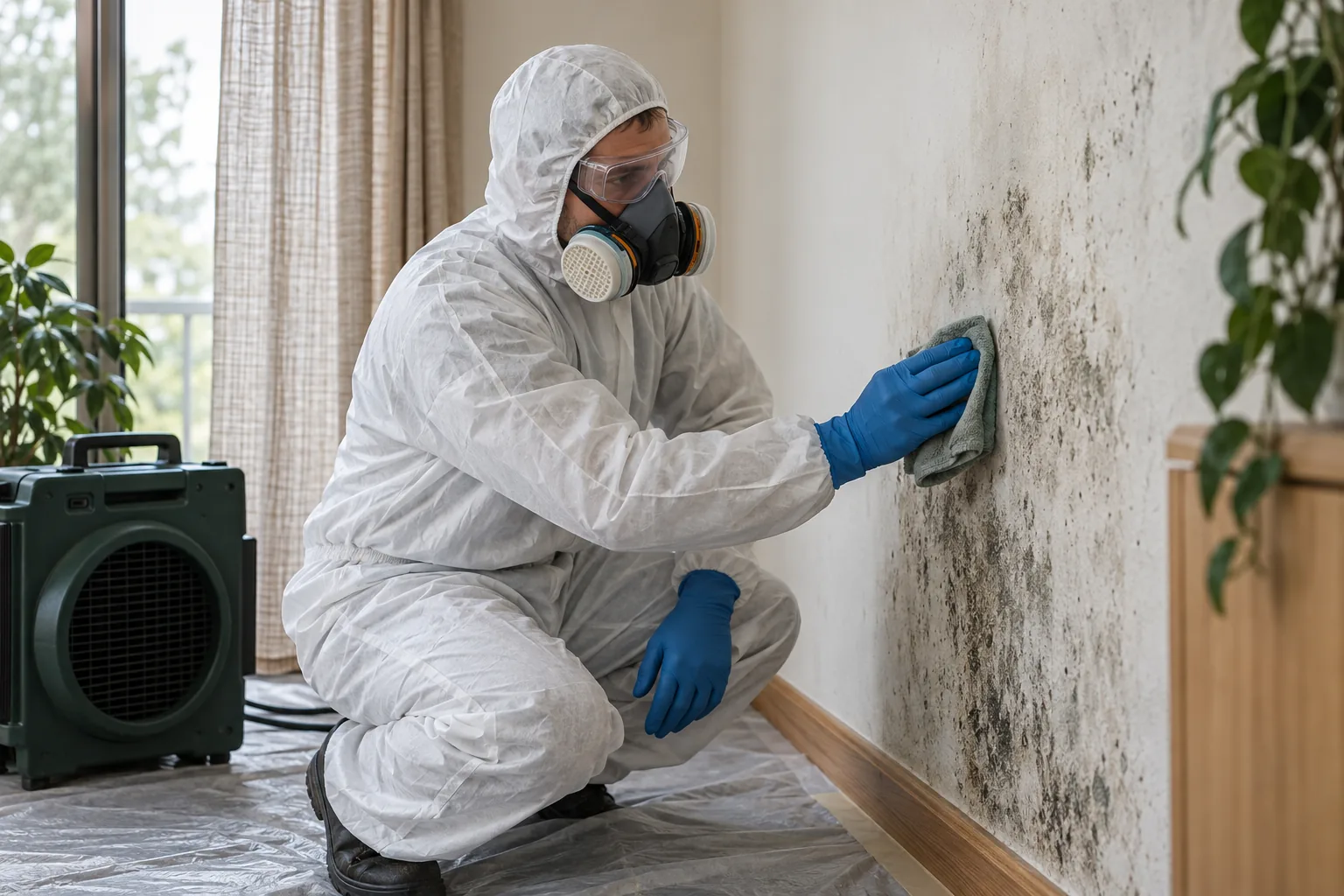
Remediation combines assessment, filtration, suitable application and physical removal of visible mould on agreed accessible finishes. Explain which image shows the current room and what has changed since earlier photographs. A visually similar stain elsewhere does not establish the same material, access or treatment suitability.
Our remediation information outlines supported work. Furniture and textiles are excluded, while concealed layers, repairs and decorating need separate consideration. Do not interpret objects shown in an image as treatment inclusions or an old photo as proof that the surface remains fully exposed.
MOISTURE COMES FIRST
Keep room histories separate
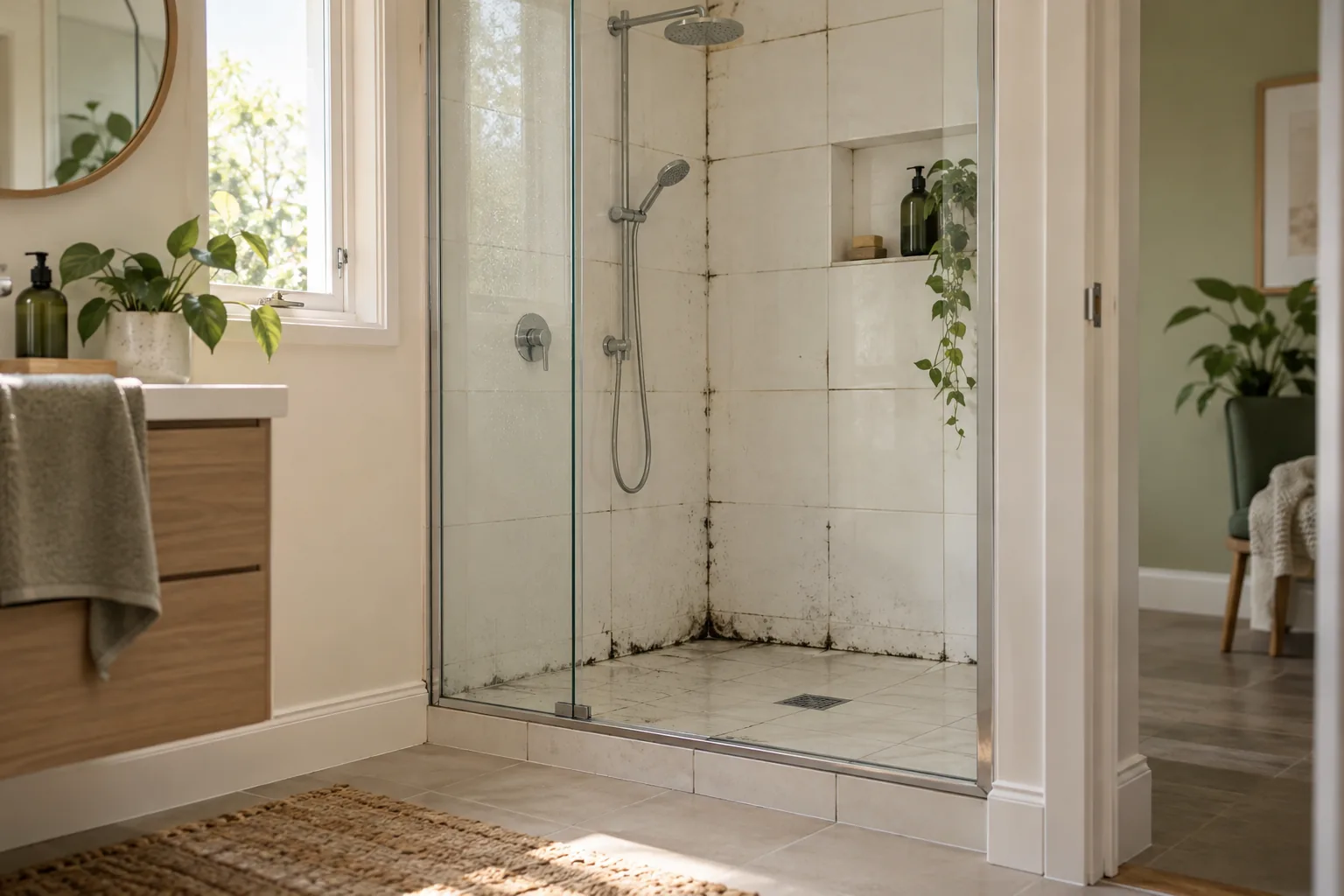
Describe actual water observations with their room and date. The professional hygrometer informs room-air relative humidity; it does not identify hidden leak routes or certify materials as dry. A reading from a different room or time should be labelled rather than presented as this finish’s moisture finding.
Arrange correction of known leaks or ventilation faults separately, because continuing dampness may contribute to recurrence. Discuss inspection of accessible condition when the present visible boundary is unclear, without expecting laboratory identification or concealed-material assessment from a photograph sequence.
FROM PREPARATION TO FOLLOW-THROUGH
Treat the presently accessible condition
1
Agree the accessible scope
Assess the current accessible finish and agree suitable checks and boundaries, distinguishing old images from present conditions.
2
Begin air protection
Start confirmed HEPA air-scrubber protection before treatment, with equipment placed in the room actually prepared for the job.
3
Choose the treatment application
Apply HOCl appropriately to the agreed surfaces, considering ULV dry fog where suitable rather than promising coverage of every pictured room.
4
Remove visible growth
Physically remove visible mould with professional H-class filtered equipment within the accessible scope, excluding contents and hidden materials.
5
Continue final air cleaning
Continue HEPA air cleaning during and after work, discussing remaining stains, source correction and the technician’s particular return instructions.
Match each finish to its own description
Walls
Wall photos should identify the actual exposed finish and any current furniture obstruction.
Ceilings
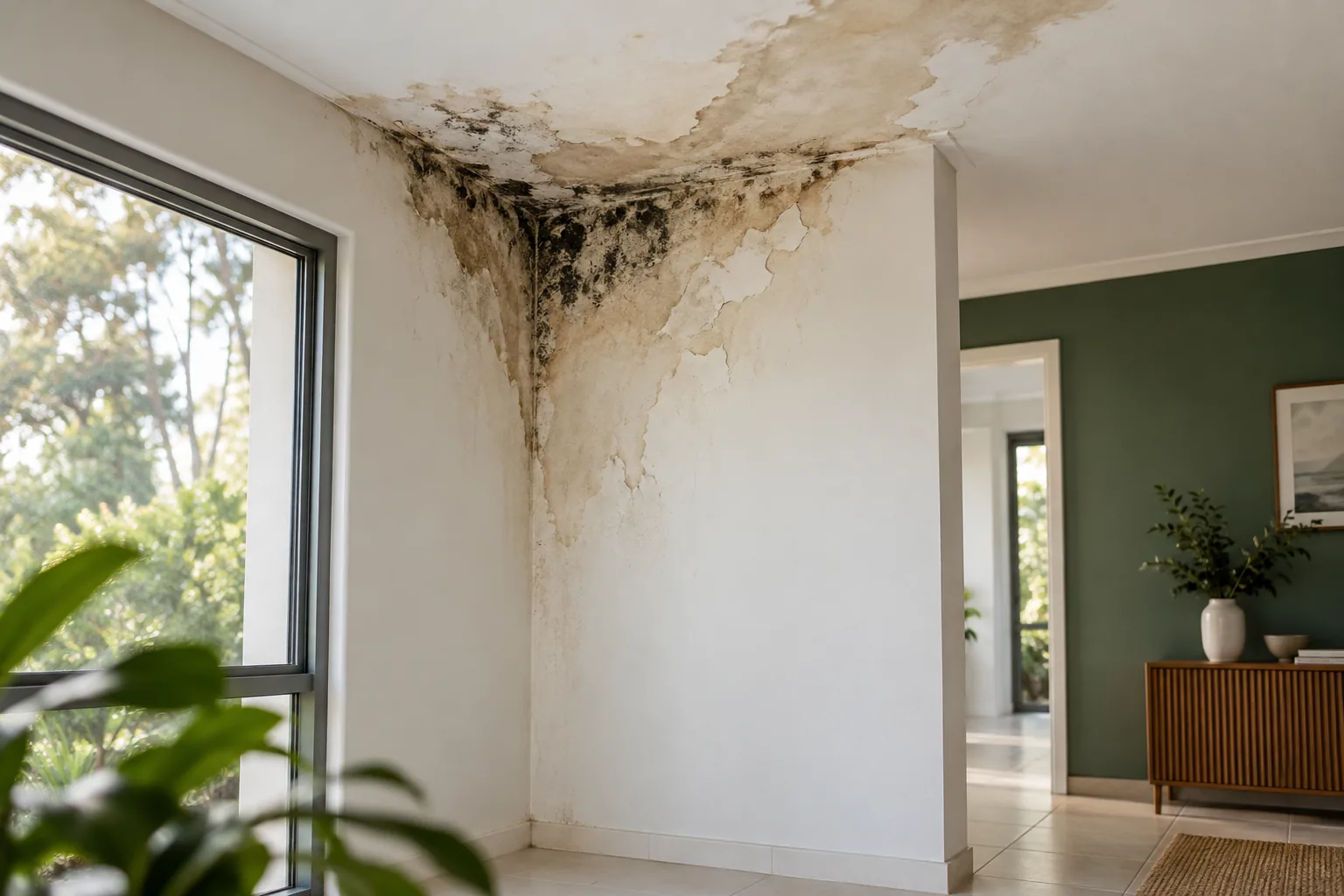
Ceiling concerns need safe access and present lining condition described, rather than relying on an old close-up.
Bathrooms
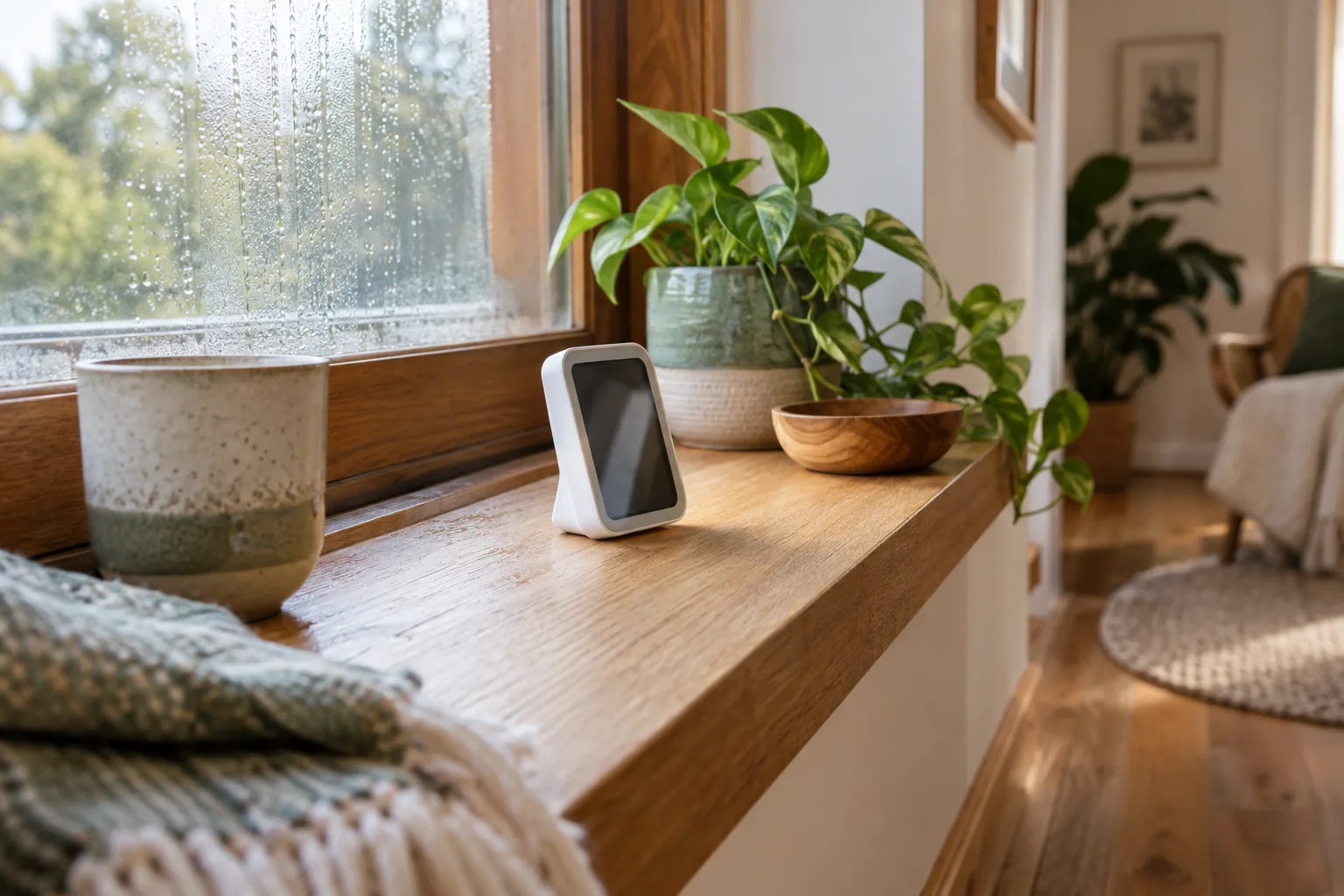
Bathroom joints and paint may look similar in photographs but need separate material descriptions.
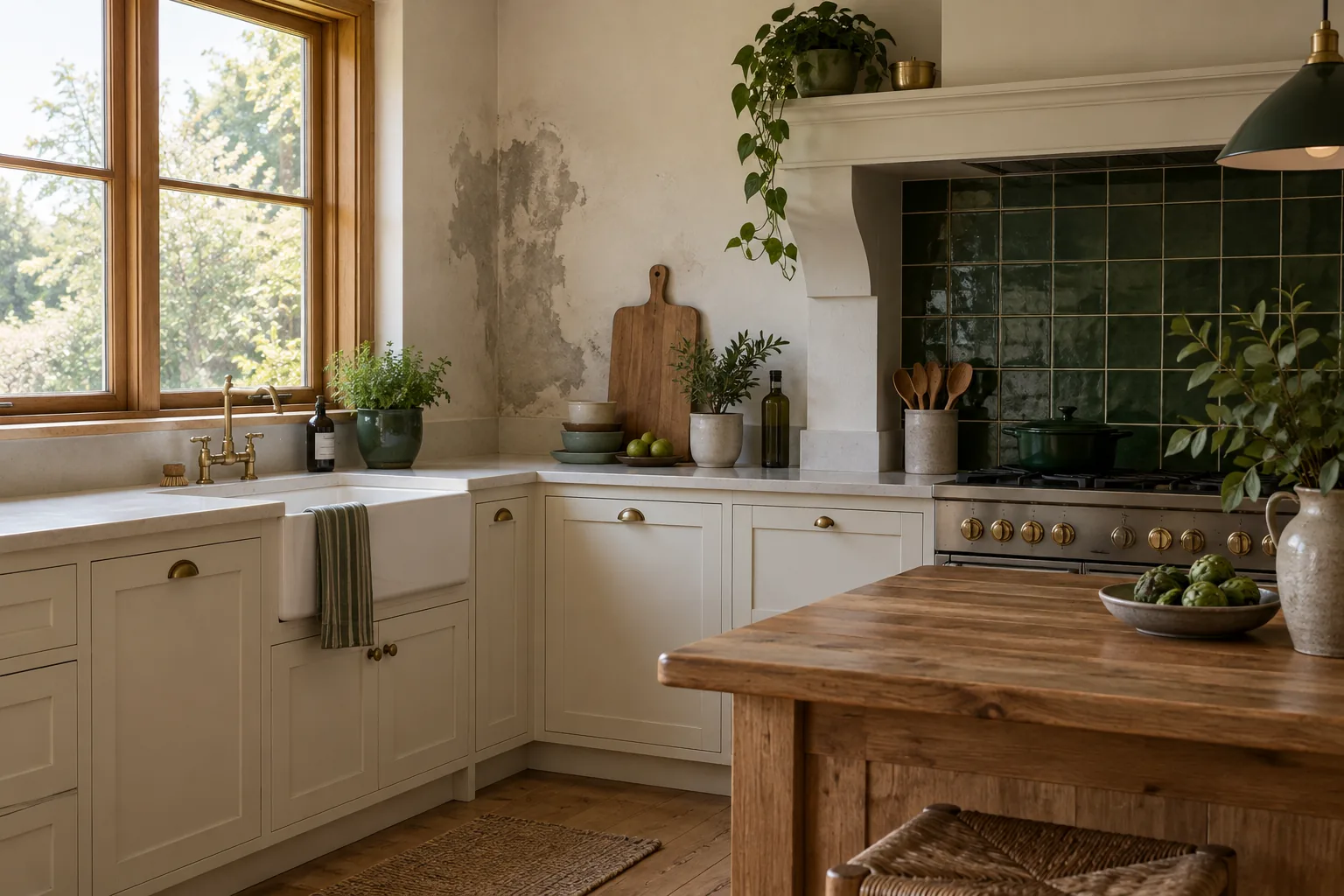
Kitchens
Kitchen exposed finishes are not interchangeable with bedroom or bathroom images; identify the correct room.
Accessible affected surfaces
Other accessible affected hard floors, walls or ceilings require agreement, while furnishings and concealed layers remain excluded.
PREPARE FOR THE ACTUAL JOB
Prepare the current room rather than the old image
Confirm current clearance, authorised entry and which belongings must be prepared before attendance. People and pets leave during treatment. The source’s approximate three-hour average room guidance depends on size, contamination and access; an old photograph cannot establish the job’s present duration or return interval.
Cosmetic staining can remain, and photograph lighting may make appearances differ without establishing new growth. Discuss decorating separately. Obtain job-specific return advice from the technician; neither a favourable image nor a room reading supplies laboratory clearance, guaranteed hidden dryness or permission to re-enter during treatment.
AFTER THE TREATMENT
Record a later change with useful context
A useful comparison identifies the same exposed surface and records when it was observed.
Label photographs by room and date.
Follow through on separate water or ventilation corrections.
Report fresh visible changes without combining unrelated properties or old stains.
Quote for the current exposed area
For the quote, identify the current affected area and which images actually show it. The price table refers to Mould Removal examples, not a separately confirmed remediation photograph-based package. Confirm applicability and the accessible finish scope rather than assuming several pictured rooms are included in one listed amount.
WESTGARTH · EXACT ADDRESS & ACCESS
Enquiries for nearby addresses
Provide full postal details when describing the premises as Westgarth, plus the room shown in the current photographs. If another image belongs elsewhere, say so before attendance is arranged. Nearby location links help navigate separate enquiries; they do not establish neighbourhood boundaries or merge different properties into this treatment scope.
Questions about remediation
Can similar photographs be treated as the same room?
No. Identify the room and property for each image so the agreed work does not combine unrelated finishes or access conditions.
Are undated photographs enough to confirm current access?
No. Explain when they were taken and what has changed, including furniture or fittings that now cover part of the finish.
Does this page establish Westgarth’s independent boundaries?
No boundary claim is made. Provide the complete postal address to identify the actual premises and discuss attendance directly.
Can a reading from another room show this wall’s moisture?
Do not assume that. Label the location and units, and remember room-air humidity is not a material-moisture finding inside the wall.
Will treatment include every room pictured in the enquiry?
Only agreed requested surfaces are included. Identify each room separately and clarify the quote rather than assuming photographs establish whole-property treatment.
How can later photographs help follow-up?
Show the same visible area where practical, noting date and actual changes. Keep lighting differences, residual staining and fresh water or growth distinct.
Discuss the finish shown in today’s enquiry
Call 03 8652 1296 with the full address, current room information and accessible finish. Clarify which photographs relate to the treatment requested.